
12 Inspiring Firm Websites for 2026: Design Ideas & Trends
Firm websites are evolving at lightning speed, and 2026 is set to be a defining year for digital innovation in the professional sector. With user expectations rising, a firm’s online presence is now central to growth and client trust.
This article spotlights 12 inspiring firm websites that capture the latest design ideas and trends for 2026. You will discover real-world examples, expert analysis of what works, and practical insights to elevate your own site.
From bold storytelling to seamless user experiences, these firm websites set the standard. Ready to reimagine your digital presence? Explore these trends and get inspired for your next redesign.
The Evolution of Firm Websites: Key Trends for 2026
The landscape of firm websites is evolving rapidly, with 2026 poised to set new standards across the industry. As digital presence becomes integral to success, firms must adapt to shifting user expectations and technological advancements. In this section, we explore the essential trends shaping firm websites and highlight how these innovations drive growth, trust, and engagement.
The Rise of User-Centric Design
Firm websites are moving away from dense, information-heavy layouts and adopting experience-driven approaches. The focus is now on intuitive navigation, clear calls to action, and accessibility for all users.
A recent review of competitor data reveals that only 30% of law firm websites clearly explain the hiring process, giving user-centric firms a distinct edge. Interactive guides, chatbots, and streamlined contact forms are becoming standard, making it easier for visitors to engage and convert.
| Feature | % of Firm Websites Using It | Competitive Advantage |
|---|---|---|
| Clear Hiring Process | 30% | High |
| Chatbots | 42% | Moderate |
| Accessible Navigation | 55% | Significant |
By prioritising experience, firm websites can attract and retain clients more effectively.
Brand Storytelling & Visual Identity
Storytelling is at the heart of successful firm websites in 2026. Firms are leveraging bold visuals, custom photography, and video to communicate their unique brand personality. Consistent branding, including colour palettes and typefaces, fosters trust and recognition.
Those investing in strong visual identity report increased client engagement and higher referral rates. A firm website that tells a compelling story resonates with visitors and differentiates the firm in a crowded market.
Key elements for brand storytelling:
- Professional photography showcasing the team
- Branded video content introducing services
- Consistent use of colours and fonts across all pages
Mobile-First & Responsive Experiences
Mobile optimisation is no longer optional for firm websites, with over 60% of web traffic now coming from mobile devices. In 2026, responsive design is a baseline expectation, ensuring users enjoy seamless experiences regardless of device.
Websites with adaptive layouts and touch-friendly navigation stand out, offering frictionless browsing on smartphones and tablets. Firms prioritising mobile-first design see lower bounce rates and higher conversions.
Checklist for mobile-first firm websites:
- Responsive layouts that adapt to any screen
- Large, easy-to-tap buttons
- Fast loading times on mobile networks
Integration of Advanced Technologies
Advanced technologies are reshaping firm websites, making them smarter and more efficient. AI-driven tools such as chatbots, content personalisation, and voice search are now mainstream.
These innovations improve client intake and support, while automated scheduling simplifies the user journey. Firms using AI-powered legal research tools can deliver faster, more accurate results to clients.
Benefits of tech integration:
- 24/7 support via chatbots
- Personalised content recommendations
- Automated appointment booking
By embracing these technologies, firm websites position themselves as modern, client-focused, and efficient.
Transparency & Trust-Building Features
Transparency is a growing trend among firm websites, with more firms publishing pricing, process explanations, and real client testimonials. Only 14% of law firm websites currently provide pricing, making openness a powerful differentiator.
Firms are adding clear service breakdowns, FAQ sections, and authentic client stories to build trust and manage expectations. These trust-building features are essential for converting visitors into loyal clients.
For example, a transparent pricing table or a detailed FAQ can reassure potential clients and reduce uncertainty.
Performance, Speed & SEO Optimisation
Performance and technical excellence underpin the success of high-performing firm websites. Fast load times, robust SEO, and accessibility are no longer optional but required for top rankings and user satisfaction.
Firms are increasingly adopting structured data, accessible colour contrasts, and image compression to enhance site speed and discoverability. For further insights on optimising for 2026, see the Law Firm Website Design Guide for 2026.
A well-optimised site not only ranks higher but also provides a better user experience, driving more enquiries and conversions.
12 Inspiring Firm Websites for 2026: Design Ideas & Trends
The landscape of firm websites is transforming rapidly as we approach 2026. Today’s most impressive firm websites do far more than deliver information—they create memorable experiences, build trust, and drive real business results. In this section, we explore twelve outstanding firm websites that set the bar for design, usability, and innovation. Each example highlights unique features and trends shaping the future of digital presence for firms. For a deeper dive into upcoming design movements, see the Top 5 Web Design Trends for 2026.
Quastels
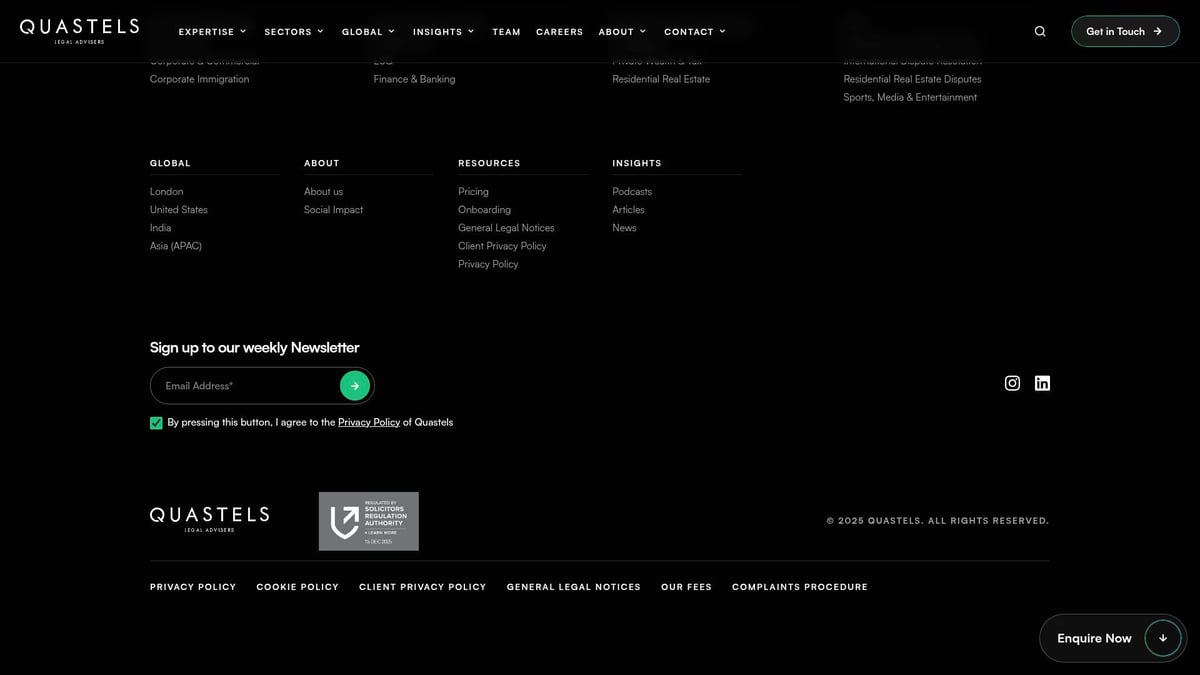
Quastels is a standout among firm websites, combining bold design choices with a seamless user experience. The site’s dark spaces and branded colours create a striking visual identity, while intuitive navigation ensures visitors find what they need quickly.
Key Features:
- Custom pricing per project
- Modern layout with clear sections
- Easy-to-use interface
Benefits:
Quastels projects legal excellence and a forward-thinking brand, appealing strongly to business leaders, investors, and corporate clients. The effortless navigation enhances client trust, making it a benchmark for firm websites aiming for sophistication.
Pros:
- Sophisticated branding
- Seamless experience
Cons:
- May feel formal for smaller clients
Quastels shows how firm websites can blend professionalism with innovation for maximum impact.
Caudill Law Group
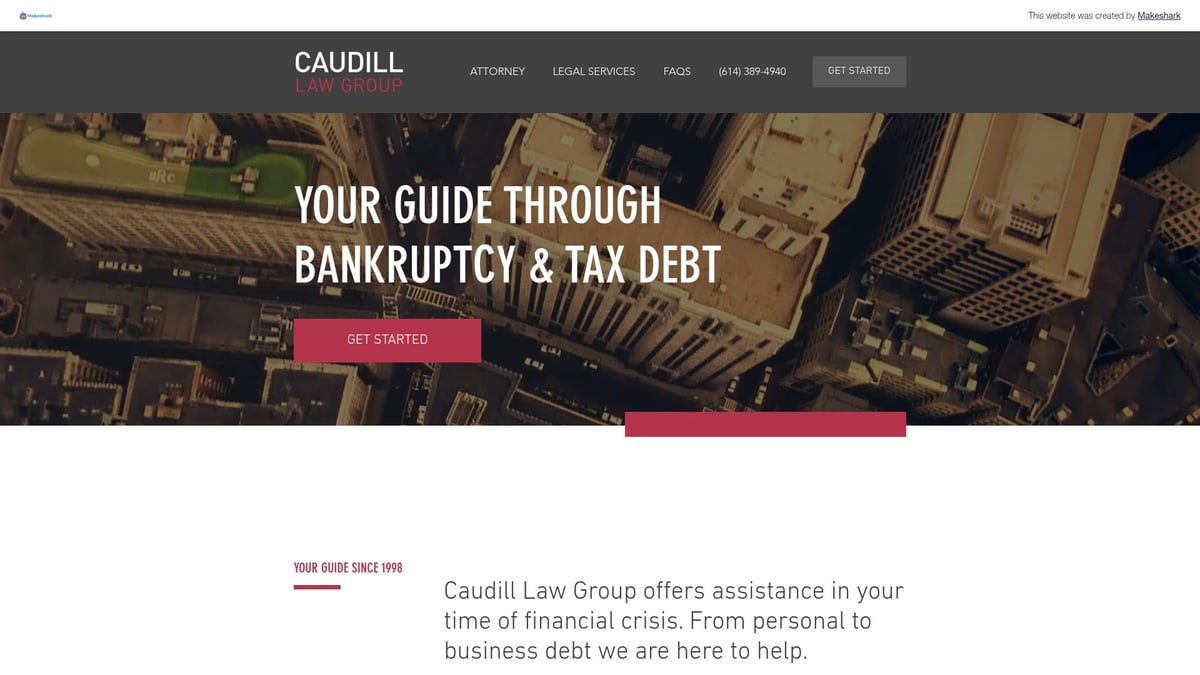
Caudill Law Group’s website exemplifies approachability and clarity, two qualities that are vital for firm websites looking to connect with diverse audiences. The “Your guide” theme is highlighted through approachable language and direct messaging.
Core Features:
- Clear, client-focused layout
- Easy contact options
- Supportive tone
Benefits:
This site builds trust by positioning the firm as a true ally, making the user journey seamless. It’s especially effective for individuals and businesses seeking practical legal guidance.
Pros:
- Clear value proposition
- Friendly, supportive messaging
Cons:
- Limited practice area information
Caudill Law Group demonstrates how firm websites can foster connection and loyalty through simplicity and empathy.
Briffa
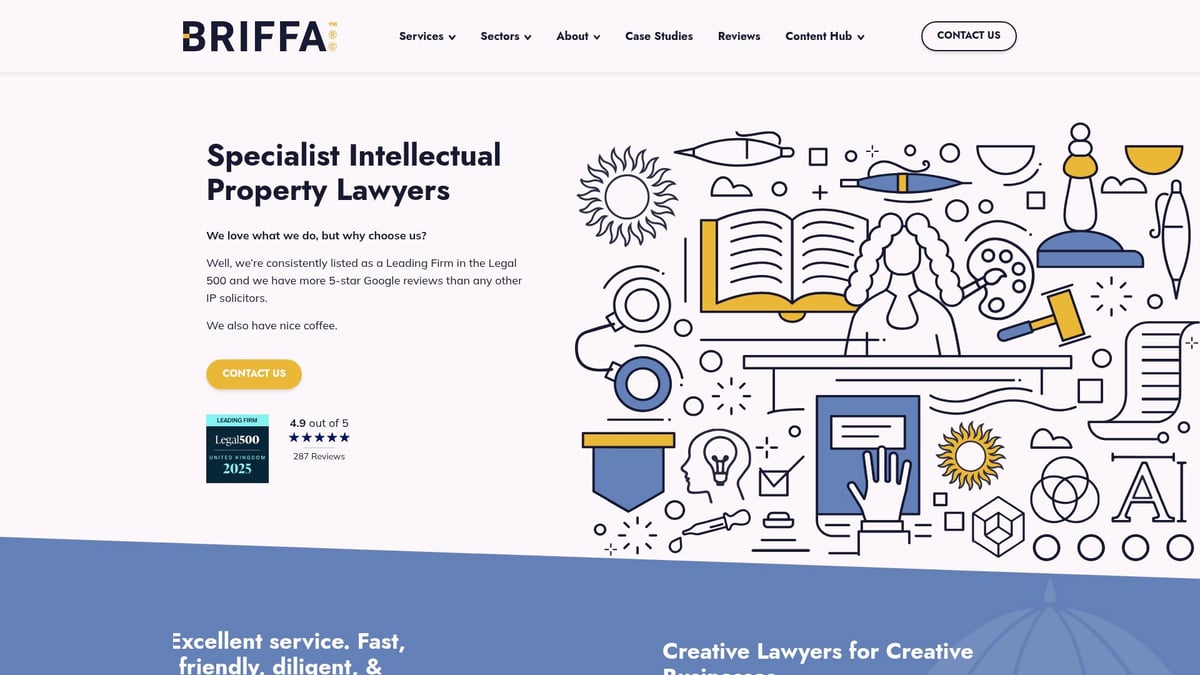
Briffa’s website is a creative powerhouse among firm websites, using bold visuals and witty copy to make intellectual property law accessible. The design is sharp and memorable, attracting creatives and entrepreneurs from around the world.
Key Features:
- Custom pricing
- Creative visuals and bold design
- Sharp, engaging messaging
Benefits:
Briffa’s approach breaks down complex topics, making them understandable for a creative audience. It’s a model for firm websites targeting niche markets.
Pros:
- Visually memorable
- Engaging content
Cons:
- Niche focus may not suit all clients
Briffa proves that firm websites can thrive by embracing boldness and a distinct voice.
Jameson Law Office
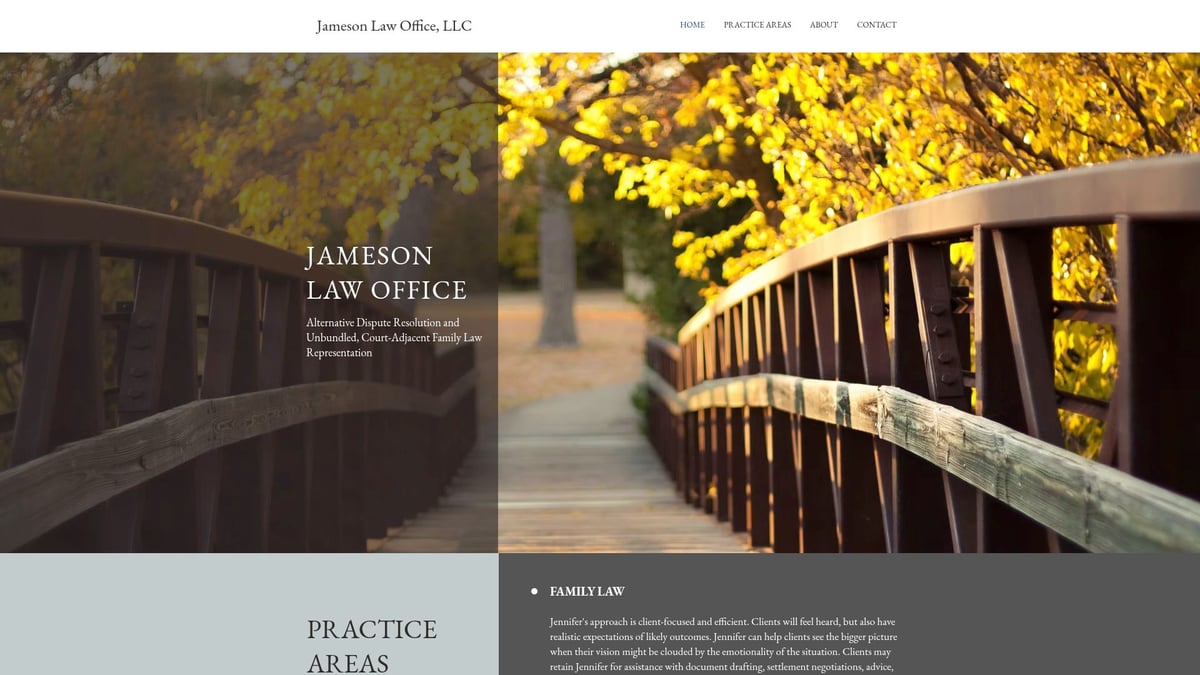
Jameson Law Office offers a streamlined, one-page experience, setting a new standard for simplicity in firm websites. Expertise is visible immediately, with a downloadable CV available for transparency.
Core Features:
- Expertise showcased above the fold
- Downloadable credentials
- Clean, professional design
Benefits:
Visitors seeking personal legal services get instant clarity, making Jameson’s site a great example of user-first design for firm websites.
Pros:
- Transparent
- Easy navigation
Cons:
- Limited scalability for larger firms
Jameson Law Office highlights how firm websites can be both efficient and authoritative.
Argentum Law
Argentum Law’s website stands out among firm websites for its human-centred messaging and impactful copy. The modern design and global support model reinforce its innovative approach.
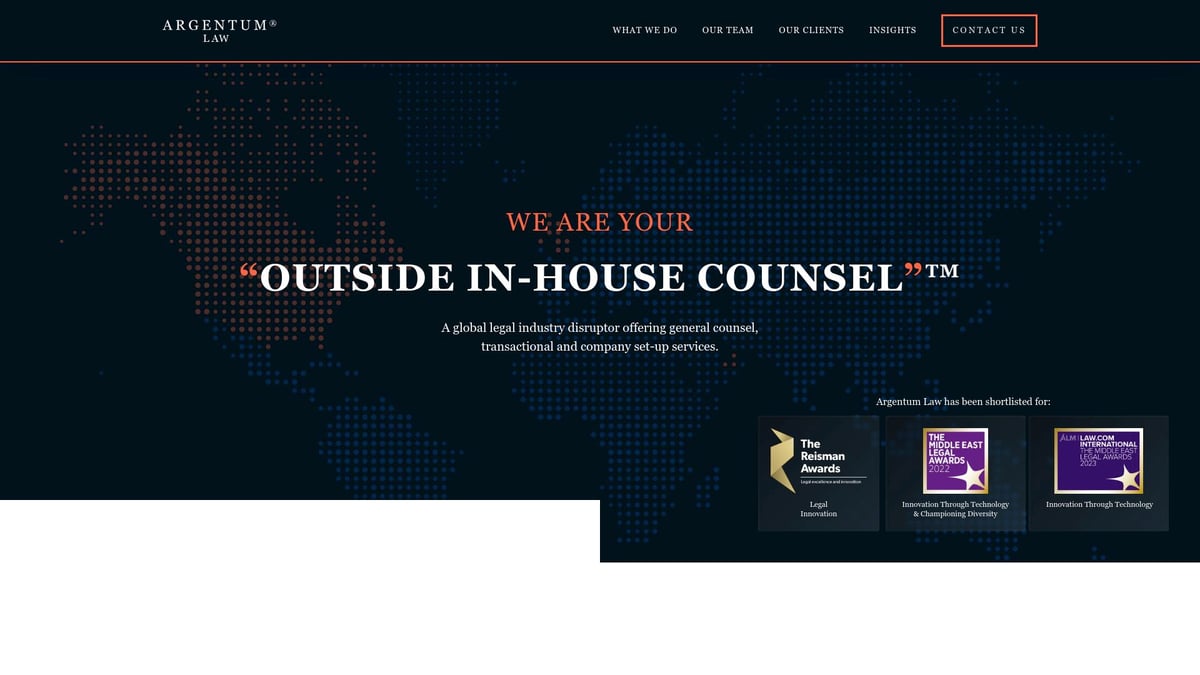
Key Features:
- Custom pricing
- Client-first messaging
- Modern, impactful visuals
Benefits:
Executives, global businesses, and startups are drawn to Argentum’s unique value proposition, making it a leader among firm websites focused on innovation.
Pros:
- Strong messaging
- Innovative design
Cons:
- May feel less relatable for small, local clients
Argentum Law illustrates how firm websites can blend global reach with personal touch.
Wordstone Dispute Resolution
Wordstone Dispute Resolution is a prime example of elegance in firm websites. The homepage uses sophisticated branding and modern typography, creating an uncluttered, inviting space.
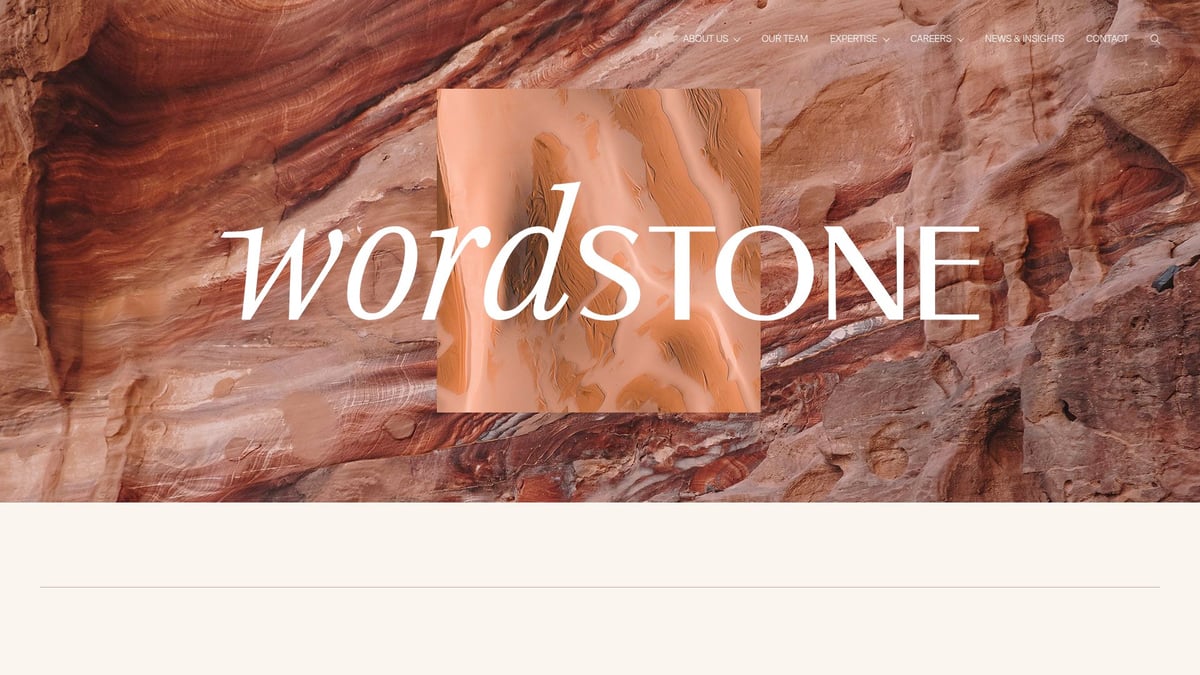
Core Features:
- Not listed pricing
- Eye-catching and elegant homepage
- Uncluttered layout
Benefits:
International clients and arbitration specialists find the balance of depth and simplicity appealing, setting Wordstone apart among firm websites.
Pros:
- Elegant design
- Easy to navigate
Cons:
- Boutique focus may limit broader appeal
Wordstone shows how firm websites can convey expertise without overwhelming visitors.
Melanie J Bowbell
Melanie J Bowbell’s site is tailored for sensitive legal matters, a key trend for firm websites in family law. The design is warm and approachable, featuring clear value statements and genuine client testimonials.
Key Features:
- Focus on family law
- Client testimonials for trust
- Approachable, empathetic design
Benefits:
Individuals seeking family or divorce law services feel understood and supported, making this a model for emotionally intelligent firm websites.
Pros:
- Warm, empathetic tone
- Trust-building features
Cons:
- Narrow practice area
Melanie J Bowbell demonstrates how niche firm websites can build deep client trust.
Valentino Law Group
Valentino Law Group’s website delivers a modern, professional image, a hallmark of high-performing firm websites. Consistent branding and strong calls to action encourage users to get in touch.

Core Features:
- Modern visuals
- Mobile-optimised layout
- Strong calls to action
Benefits:
This site appeals to SMEs and individuals, providing a bold, easy-to-navigate platform that drives engagement for firm websites.
Pros:
- Bold design
- Easy contact options
Cons:
- Less personal storytelling
Valentino Law Group reveals how firm websites can balance professionalism with accessibility.
Macfarlanes
Macfarlanes sets a high bar for traditional yet refined firm websites. Its structured menu and seamless navigation reflect a commitment to clarity and professionalism.
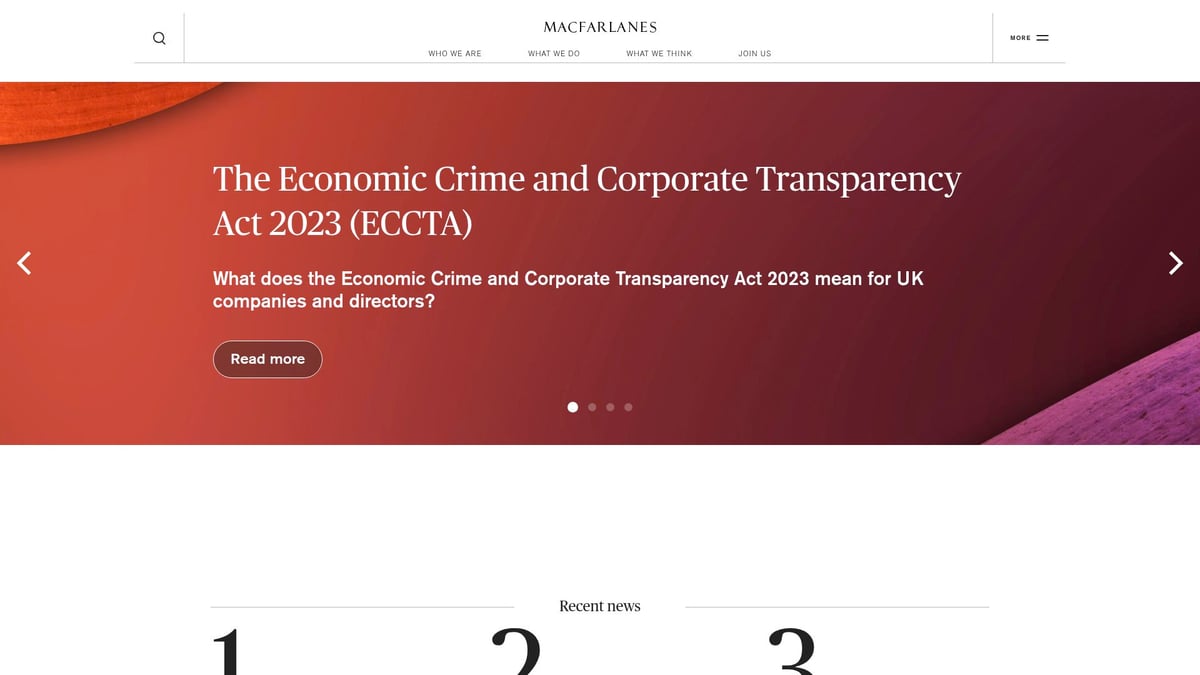
Key Features:
- Custom pricing
- Refined fonts and clean layouts
- Accessible service menus
Benefits:
Corporates and high-net-worth clients are reassured by the site’s polished presentation, reinforcing trust in firm websites targeting premium markets.
Pros:
- Highly professional
- Easy to use
Cons:
- May appear traditional to some
Macfarlanes exemplifies how established firm websites can remain current and credible.
MTK Law Group
MTK Law Group’s website makes a strong first impression, using dynamic visuals and clear service messaging. Branding is front and centre, a trend more firm websites are adopting for credibility.
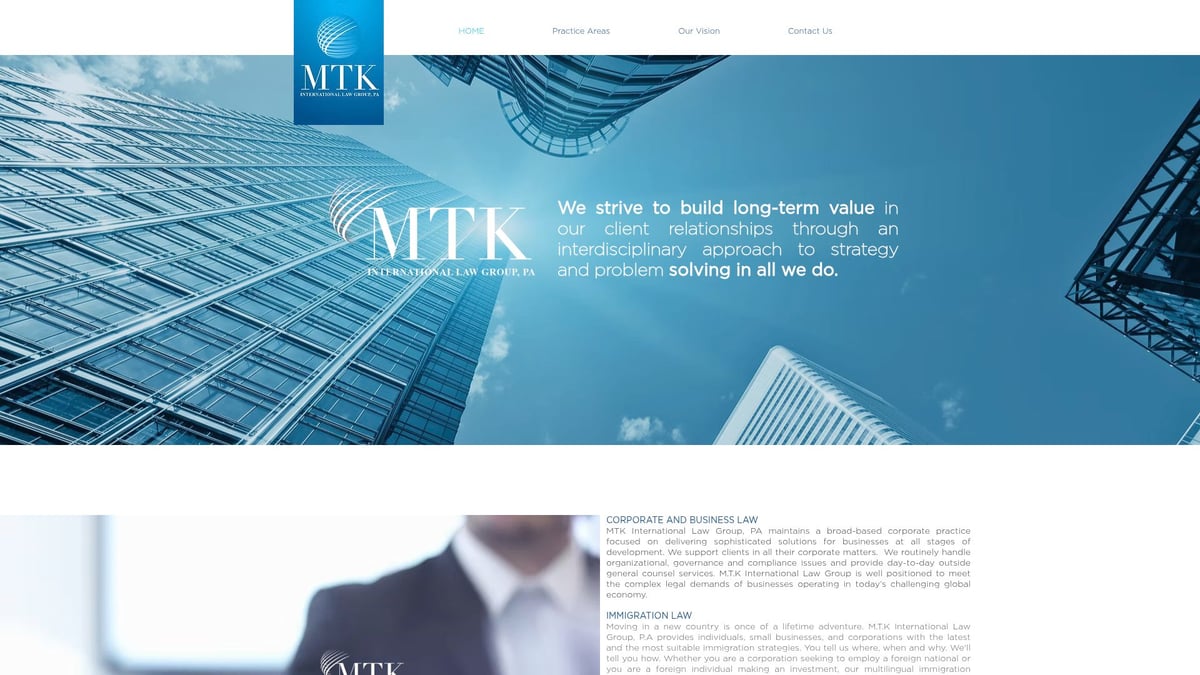
Core Features:
- Dynamic homepage
- Strong branding presence
- Clear messaging about services
Benefits:
Individuals and businesses quickly grasp the firm’s expertise, making MTK Law Group a reference point for effective firm websites.
Pros:
- High-impact visuals
- Clear value statements
Cons:
- Limited personalisation
MTK Law Group shows that firm websites can be both bold and informative.
Ludeau Law
Ludeau Law prioritises user-friendly navigation and trust, two pillars of successful firm websites. Attorney bios, mobile responsiveness, and fast load times provide a seamless experience for all devices.
Key Features:
- Informative attorney profiles
- Responsive design
- Fast performance
Benefits:
General legal clients appreciate the accessible structure, making Ludeau Law a practical example for firm websites.
Pros:
- Easy to use
- Informative content
Cons:
- Standard design
Ludeau Law underlines the importance of usability in modern firm websites.
Ada Evans Chambers
Ada Evans Chambers’ website is authoritative and cohesive, two traits that set top firm websites apart. Consistent branding, professional imagery, and streamlined contact reinforce its reputation for expertise.
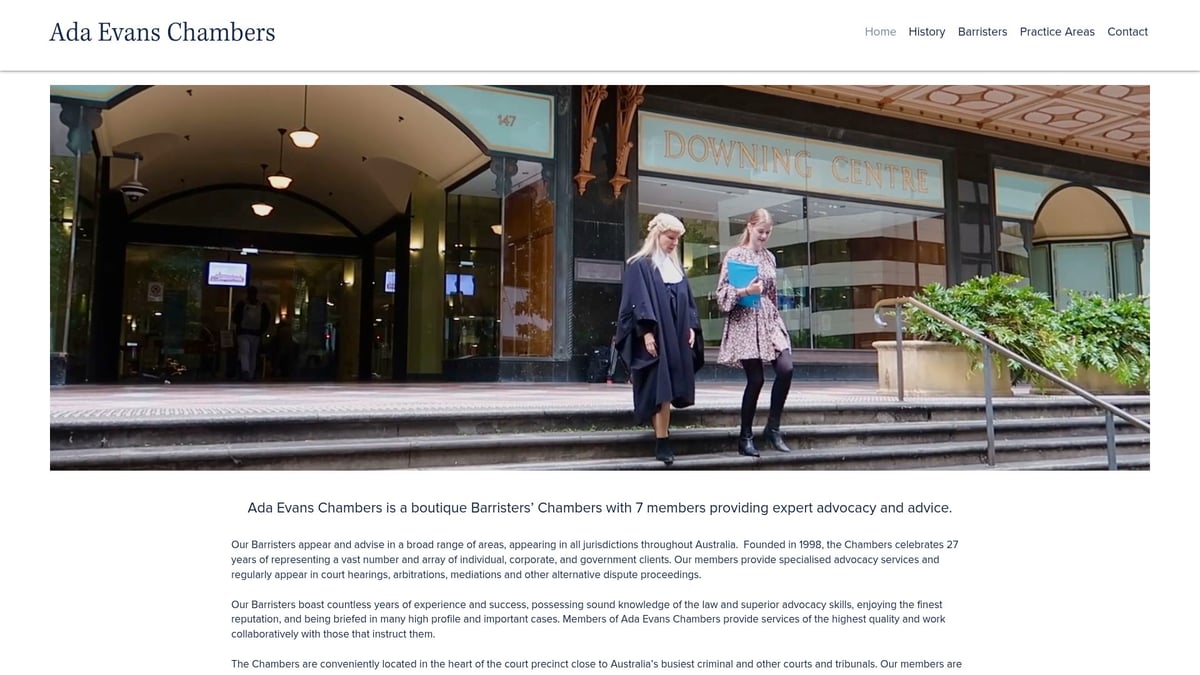
Key Features:
- Clear credentials
- Professional photography
- Streamlined contact process
Benefits:
Legal professionals and clients seeking expert representation value the site’s clarity and polish, aligning with best practices for firm websites.
Pros:
- Authoritative presence
- Cohesive design
Cons:
- Less innovative visually
Ada Evans Chambers proves that firm websites can inspire trust through expertise and consistency.
How to Choose the Right Design Ideas for Your Firm
Selecting the ideal design for firm websites in 2026 is a strategic process. It means understanding your brand, your audience, and the evolving digital landscape. The right approach ensures your site stands out, drives engagement, and supports long-term growth.
Assessing Your Firm’s Brand & Audience
Start by clarifying your firm’s unique value proposition. What makes your firm websites distinct in a crowded market? Identify your target clients—are they creatives, corporates, or local businesses? Analysing competitor firm websites helps you spot gaps and new opportunities. For instance, Briffa’s creative approach appeals to innovators, while Macfarlanes targets high-net-worth clients with a refined, corporate image. For a deeper dive into developing an effective strategy, see this Expert Guide to Develop Design Strategies.
List for effective assessment:
- Define core services and differentiators
- Profile your ideal client personas
- Review competitor firm websites for strengths and weaknesses
Balancing Innovation and Usability
While it’s tempting to pursue bold innovation, usability is essential for firm websites. Research shows 80 percent of legal sites are not optimised for conversions. Striking the right balance ensures your site is both memorable and user-friendly. Caudill Law Group’s “guide” theme is a prime example, blending innovative messaging with a seamless user journey.
Comparison Table:
| Feature | Innovation | Usability |
|---|---|---|
| Visual Impact | High | Moderate |
| Navigation | Moderate | High |
| Conversion Rate | Variable | High |
Test new ideas, but always prioritise clarity, accessibility, and ease of use.
Prioritising Features That Drive Results
Focus on features that move the needle for firm websites. Fast load times, clear service messaging, and strong calls to action are must-haves. Mobile responsiveness is now a baseline expectation. Trust-building elements—such as attorney bios, client testimonials, and transparent pricing—boost credibility and conversions. Firms that invest in these features see up to 52 percent more revenue.
Checklist for high-performing firm websites:
- Mobile-optimised layouts
- Prominent calls to action
- Transparent pricing and testimonials
Leveraging Technology for Growth
Embrace the latest technologies to give your firm websites a competitive edge. AI-powered chat, automated scheduling, and smart forms can streamline client intake and improve satisfaction. Firms adopting these tools often outperform their peers in both acquisition and service delivery. Consider which technologies best fit your firm’s goals and client expectations.
Planning for Future-Proof Scalability
Think beyond the launch. Choose platforms and design systems that support growth and change. Modular layouts and scalable content management systems allow firm websites to adapt as your needs evolve. For example, sites built with flexible frameworks can easily add new services, languages, or integrations in the future. Planning for scalability ensures your website remains relevant and effective for years to come.
Essential Features for High-Performing Firm Websites in 2026
Staying ahead in the digital landscape requires more than just a visually appealing homepage. High-performing firm websites in 2026 are purpose-built to engage, inform, and convert, all while reflecting a firm’s unique brand. Let’s explore the core features that will ensure your site stands out and delivers measurable results.
User Experience (UX) Best Practices
User experience is the foundation of successful firm websites. In 2026, intuitive navigation, clear information hierarchy, and accessibility will be non-negotiable. Sites that guide visitors effortlessly to key information, with logical menus and well-placed calls to action, boost both engagement and satisfaction.
Consider adding interactive features like chatbots or visual guides to enhance usability. Remember, 73% of prospects will not recommend firms after a poor web experience. Ensuring your firm websites deliver seamless journeys is essential for reputation and growth.
Branding and Storytelling
Brand identity goes far beyond a logo. Firm websites are now storytelling platforms, using professional photography, video, and consistent visual elements to connect emotionally with visitors. Strong branding builds familiarity and trust, making your firm memorable in a crowded market.
Firms investing in digital branding solutions see measurable increases in engagement and referrals. A compelling narrative woven through your site helps differentiate your firm websites and attracts your ideal clients.
Conversion-Driven Design
Driving action is the ultimate goal for firm websites. Conversion-driven design places clear calls to action — like “Request Consultation” or “Contact Us” — on every page. Forms should be simple, inviting, and accessible on all devices.
Features such as live chat, downloadable resources, and interactive guides can significantly increase inquiries. By prioritising conversion elements, firm websites turn visitors into high-value leads, maximising the return on your digital investment.
Technical Excellence
Behind the scenes, technical performance powers the best firm websites. Fast load times, robust SEO, and mobile optimisation are baseline requirements for 2026. Utilising structured data, accessible colour contrasts, and image compression ensures your site ranks well and serves all users.
Working with experts in website design and development services can help your firm websites stay ahead of evolving standards, integrating the latest technology for reliability and performance.
Trust Signals and Transparency
Trust is earned through transparency. High-performing firm websites prominently display testimonials, credentials, pricing, and FAQs, helping clients feel informed and confident. Sharing real client stories and clear service breakdowns further sets expectations and reduces uncertainty.
These elements not only build credibility but also differentiate your firm in a competitive digital space.
Analytics and Continuous Improvement
Continuous improvement is key for maintaining high-performing firm websites. By tracking user behaviour, conversion rates, and engagement, you gain actionable insights for refining your strategy.
Regular updates to content, design, and features ensure your site adapts to changing client needs and industry trends. Embrace analytics as a tool for sustained growth and digital leadership.
Practical Steps to Elevate Your Firm Website
In 2026, elevating firm websites is not just about a new look. It means building a digital presence that drives results, connects with clients, and evolves with your business. Follow these practical steps to transform your site into a powerful asset.
Conduct a Website Audit
Begin by auditing your current site. Review layout, messaging, load speed, and mobile experience. Identify areas where your firm website may lag behind competitors. Use tools and scorecards to benchmark your performance.
For a step-by-step approach, explore the Building Site Design Guide, which offers expert strategies tailored to firm websites. Pay attention to accessibility and SEO, as these are now essential for ranking and user engagement.
- Check if your site is easy to navigate.
- Review content clarity and relevance.
- Test speed on different devices.
Regular audits reveal gaps and opportunities, setting the stage for meaningful improvements.
Define Your Goals and Audience
Clarify what you want your firm website to achieve. Are you aiming for more leads, improved reputation, or client education? Pinpoint your ideal client personas to guide design and messaging decisions.
- List your firm’s unique selling points.
- Identify primary and secondary audiences.
- Set measurable objectives for your website.
Tailoring your approach ensures firm websites resonate with the right visitors. When you know your goals and audience, every design choice becomes more strategic and effective.
Collaborate with Experts for Best Results
Partnering with experienced professionals can dramatically raise the standard of firm websites. Agencies specialising in branding, website design, and e-commerce bring valuable expertise to the table.
Look for teams who blend storytelling, performance, and technology. Their insights will help you avoid common pitfalls and stay ahead of industry trends. Consider co-creating a brief that covers your vision, must-have features, and future growth plans.
- Seek out award-winning agencies with proven results.
- Request case studies relevant to your sector.
- Prioritise those with a track record in firm websites.
Implement and Test
Roll out new features and layouts in stages. Gather feedback from real users and stakeholders to fine-tune the experience. Use A/B testing to compare different calls to action, page layouts, and messaging.
This iterative approach helps firm websites achieve higher conversion rates and better user journeys. Document your changes and track outcomes to see what works best.
- Test navigation menus with different user groups.
- Experiment with button styles and contact forms.
- Use analytics to monitor engagement on new elements.
Maintain and Evolve
A successful firm website is never static. Regularly update content, refresh visuals, and add new technologies to keep your site relevant. Monitor emerging trends so your digital presence never falls behind.
- Schedule quarterly reviews for content and design.
- Replace outdated images or case studies promptly.
- Stay informed about new tools for firm websites.
Continuous improvement ensures your site grows with your business and remains competitive.
Measure Success
Set clear KPIs such as website traffic, bounce rate, conversion rate, and client feedback. Use analytics platforms to track these metrics and inform your strategy.
Create a simple table to monitor progress:
| KPI | Target | Current | Progress |
|---|---|---|---|
| Website Traffic | 10,000/mo | 7,200 | On Track |
| Bounce Rate | <40% | 55% | Improve |
| Conversion Rate | 5% | 3.2% | Improving |
| Client Feedback | Positive | Neutral | Needs Work |
Review and adjust your tactics regularly. Measuring results keeps firm websites aligned with business goals and client expectations.