
Expert Guide to Develop Design: Strategies for 2025 Success
The world of design is transforming faster than ever, making it vital for professionals to adapt and innovate. This expert guide is crafted for those who want to develop design expertise and lead in 2025. Here, you will discover proven strategies, the latest industry trends, and clear frameworks that empower you to master design development and drive business growth. We will explore the essentials: from planning and technology to collaboration and measurement. Stay ahead, gain practical insights, and use this roadmap to secure your design success in the year ahead.
Understanding Design Development in 2025
Staying ahead in today’s rapidly shifting creative sector requires a clear grasp of how to develop design for the future. As we approach 2025, design professionals are expected to blend innovation with strategic thinking, making an in-depth understanding of design development more vital than ever.
Defining Design Development and Its Role
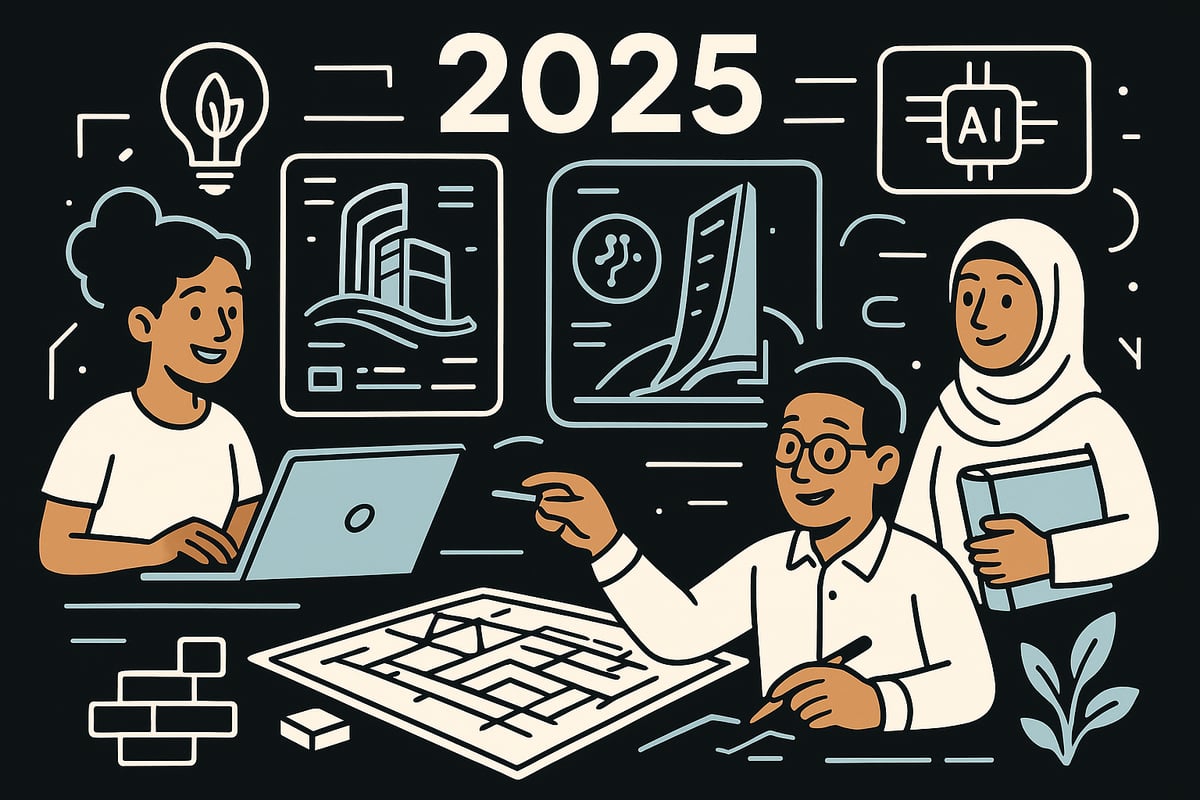
Design development is the structured process that bridges the gap between initial ideas and the tangible outcomes that drive business success. Traditionally, develop design was viewed as a linear phase, moving from concept sketches into detailed plans and finally, execution. However, in 2025, this process is far more dynamic and integrated.
The evolution of develop design has seen a shift away from siloed teams and static blueprints. Now, it is a collaborative journey involving continuous feedback, rapid prototyping, and iterative refinement. The core phases typically include:
- Ideation: Generating creative concepts based on user needs and business goals.
- Refinement: Testing, prototyping, and adjusting designs with input from stakeholders.
- Execution: Translating finalised plans into real-world products, digital experiences, or brand assets.
A key change is the move from traditional, paper-based documentation to digital-first approaches. For instance, architectural firms now use 3D modelling and virtual walkthroughs, while digital product teams rely on interactive wireframes and design systems. In branding, the focus has shifted towards experiences that adapt across digital platforms.
User-centric and sustainable design are now fundamental. Companies prioritise the needs of end-users, seeking feedback early and often. Sustainability is also a major consideration, with teams sourcing eco-friendly materials or minimising digital carbon footprints.
To illustrate, consider an architecture firm integrating sustainable materials and smart building technology during develop design. In the digital sphere, a UX team may co-create with users to ensure accessibility and inclusivity. Branding agencies, meanwhile, build flexible identities that work across both print and digital media.
Competitor insights, such as Monograph’s perspective, highlight design development as the critical interim phase between concept and execution, ensuring ideas are fully developed before resources are committed. Ultimately, a robust develop design process underpins innovation, creates differentiation, and fuels measurable business growth.
Key Changes and Trends Shaping 2025
The landscape for develop design in 2025 is shaped by several transformative trends. Artificial intelligence is now central to design ideation, automating repetitive tasks and accelerating creative workflows. Remote collaboration has become the norm, empowering teams to work seamlessly across continents using cloud-based platforms.
Sustainability continues to rise in importance, with clients demanding eco-conscious solutions and evidence of responsible practices. Data-informed decision-making is also pivotal, as designers leverage analytics to refine user experiences and measure impact.
Cross-disciplinary teams are now common, blending designers, developers, strategists, and marketers to deliver holistic solutions. Agile methodologies support this shift, enabling rapid iterations and continuous improvement.
Industry reports predict that design and creative technology adoption will surge by over 20% in the next two years, with a majority of firms investing in AI and automation. For example, leading agencies now use AI-driven tools for everything from layout generation to user testing, drastically reducing project timelines.
Adaptability is crucial. Professionals who develop design skills in emerging technologies, sustainability, and remote teamwork will be best positioned for success. Firms like IDEO and Fjord exemplify this approach, investing in ongoing learning and fostering cultures that celebrate experimentation.
To stay ahead, it is essential to monitor new developments and embrace change. For a comprehensive overview of what is shaping the industry, see 2025 Design Trends, which details the rise of AI, sustainability, and evolving team dynamics.
Design development in 2025 is not just about creating attractive visuals. It is a strategic, data-driven, and collaborative process that drives innovation and measurable business results. By understanding and applying these principles, you can ensure your develop design process is ready for the future.
Strategic Planning for Effective Design Development
In 2025, strategic planning is the cornerstone for those looking to develop design processes that drive business growth and innovation. As the pace of change accelerates, a structured approach is essential for aligning teams, optimising resources, and delivering measurable results. The following frameworks and best practices will help professionals develop design strategies that stand out in a competitive landscape.
Setting Clear Objectives and KPIs
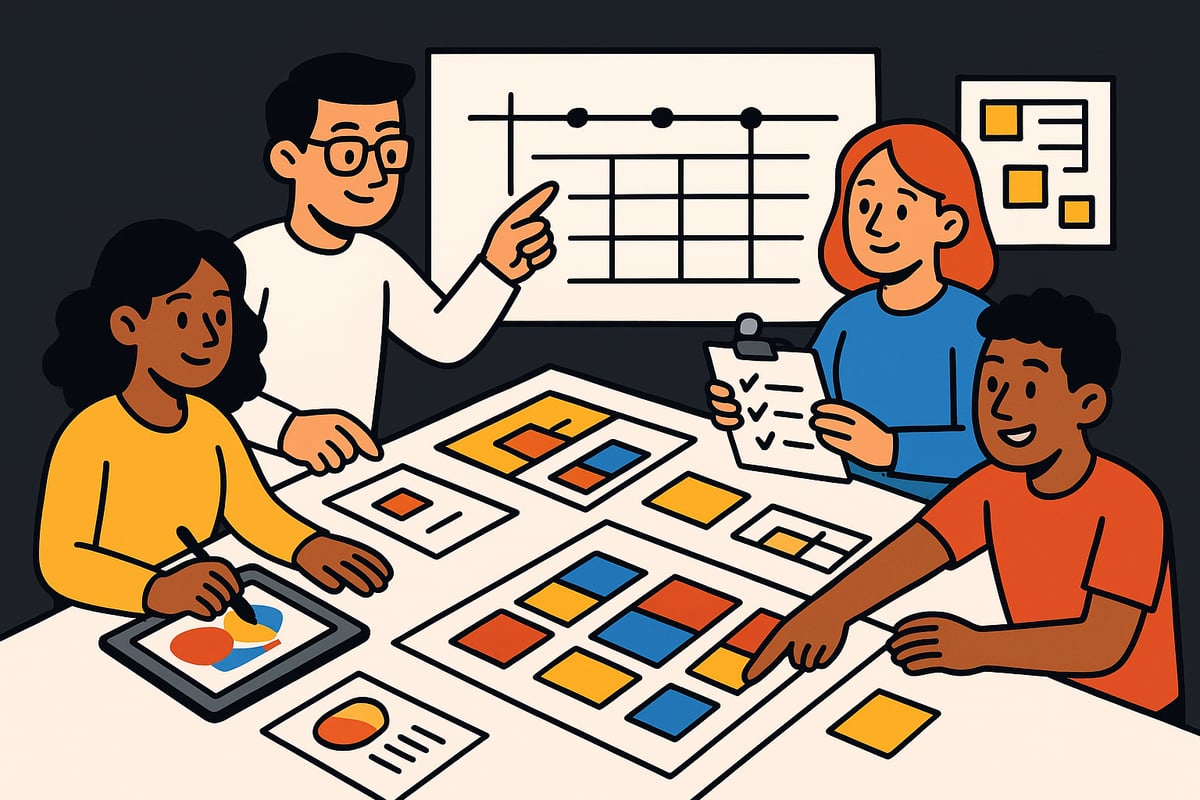
Clear objectives are the bedrock of any effort to develop design that delivers value. Begin each project by defining precise goals, aligning them with your wider business strategy. Setting SMART (Specific, Measurable, Achievable, Relevant, Time-bound) goals ensures every member understands what success looks like.
- Use OKRs (Objectives and Key Results): This framework brings focus and transparency to your develop design process.
- Align with business outcomes: Bridge creative goals with commercial targets to ensure design adds measurable value.
- Establish KPIs early: Track progress with metrics such as user engagement, conversion rates, and on-time delivery.
A well-structured develop design plan enables you to monitor progress, adapt to changes, and communicate impact to stakeholders. For deeper insights into future-focused strategies, see this Design strategy for 2025 guide, which explores how industry leaders set and monitor design objectives.
Budgeting, Resource Allocation, and Timeline Management
Effective budgeting is central to any develop design project’s success. Begin with a detailed forecast of costs, accounting for personnel, software, materials, and contingency funds. Use historical data and competitor benchmarks to avoid underestimation.
- Assign clear roles: Map out responsibilities for each team member to streamline your develop design workflow.
- Phase-based scheduling: Break projects into milestones, allowing for frequent reviews and adjustments.
- Use tracking tools: Digital platforms like Monograph and Gantt charts help visualise budgets and timelines.
| Tool | Use Case | Benefit |
|---|---|---|
| Monograph | Budget & schedule control | Transparency |
| Gantt Chart | Timeline management | Visual planning |
| Resource Matrix | Team allocation | Workload balancing |
By maintaining a disciplined approach to resource allocation, you reduce risk and maximise output. Always review your develop design plan at each phase to identify bottlenecks or cost overruns early.
Risk Management and Contingency Planning
No develop design initiative is without risk, so proactive management is vital. Identify potential issues at the outset, such as client-driven changes or technical hurdles. Use risk registers to document and assess each scenario.
- Develop contingency plans: Prepare alternative actions for high-impact risks.
- Maintain flexibility: Agile methodologies allow your develop design process to adapt quickly when issues arise.
- Regularly review risks: Hold scheduled check-ins to update risk assessments and response strategies.
A real-world example: When a leading agency faced unexpected supplier delays, their robust contingency plan enabled them to reallocate resources and maintain momentum. This approach not only protected timelines but also preserved client trust. Prioritising risk management in your develop design workflow transforms uncertainty into opportunity for improvement.
Integrating Technology and Innovation in Design Processes
The rapid pace of change in the design sector demands a proactive approach to technology and innovation. To develop design strategies that stand out in 2025, professionals must harness the latest tools, embrace new ways of working, and foster a culture of continuous improvement. This section explores how integrating technology can transform the way teams develop design, drive creativity, and deliver measurable business value.
Leveraging AI, Automation, and Digital Tools
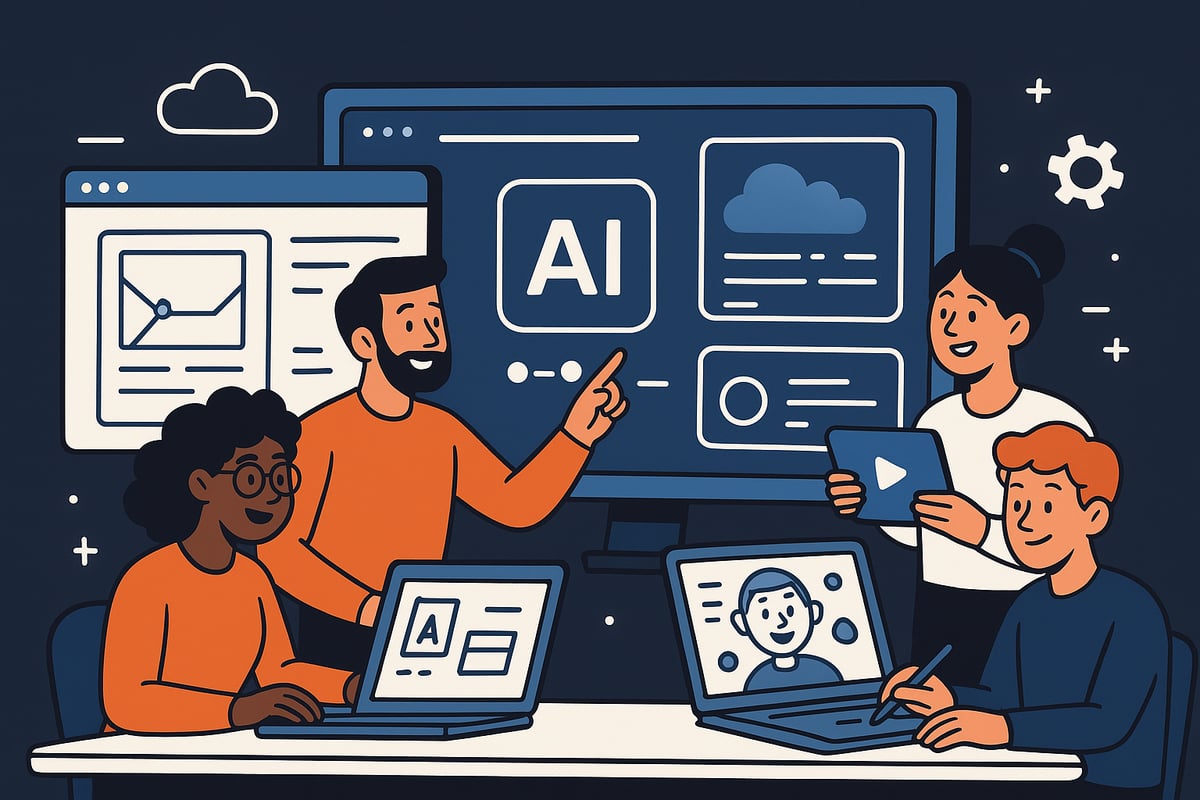
Artificial intelligence and automation are reshaping how teams develop design solutions in every industry. AI-driven platforms now accelerate ideation, automate repetitive tasks, and offer predictive insights that enhance productivity. Tools such as Figma, Sketch, and Monograph streamline the workflow from brainstorming to final delivery, allowing designers to focus on creative problem-solving.
For example, AI can generate multiple design variations in seconds, assist with prototyping, and even conduct rapid usability testing. According to recent studies, design firms that integrate AI tools report up to a 30% increase in project efficiency and a notable reduction in manual errors. Automation also frees up time, empowering teams to develop design concepts that are more innovative and user-centric.
A comprehensive overview of these advancements can be found in the AI-Driven Graphic Design survey, which details both the benefits and challenges of adopting AI in creative workflows. As technology evolves, the ability to develop design processes that leverage these tools will be a key differentiator for forward-thinking organisations.
Popular digital tools for design development include:
| Tool | Purpose | Key Benefit |
|---|---|---|
| Figma | Collaborative design | Real-time teamwork |
| Sketch | UI/UX design | Intuitive prototyping |
| Monograph | Project management | Budget and timeline control |
| Trello | Task tracking | Visual workflow management |
By thoughtfully integrating these technologies, professionals can develop design projects that are both efficient and impactful.
Embracing Collaborative Platforms and Remote Workflows
The shift to cloud-based collaboration has fundamentally changed how teams develop design in distributed settings. Cloud platforms enable seamless file sharing, real-time feedback, and version control, ensuring that every contributor stays aligned regardless of location. This new normal is not just a response to global events, but a strategic advantage for agile organisations.
Collaboration tools like Slack, Miro, and Google Workspace support transparent communication and foster creativity among multidisciplinary teams. These platforms make it easier to develop design ideas collectively, share insights instantly, and maintain momentum on complex projects.
Best practices for remote design workflows include:
- Establishing clear communication protocols
- Scheduling regular check-ins and feedback sessions
- Using shared dashboards for progress tracking
- Encouraging informal brainstorming to spark creativity
Case studies from leading agencies show that teams adopting remote workflows can develop design outputs more rapidly, while also improving work-life balance and reducing overhead costs. The key is to ensure that digital collaboration enhances, rather than hinders, the creative process.
Staying Ahead with Continuous Learning and Experimentation
To successfully develop design strategies for 2025, professionals must commit to ongoing learning and experimentation. The pace of technological change means that yesterday’s best practices may no longer apply, and new tools or trends can quickly disrupt established workflows.
Investing in professional development is essential. Online courses, webinars, and industry conferences provide valuable opportunities to upskill and stay current with emerging technologies. Participating in active design communities and forums also helps teams develop design expertise through peer learning and knowledge sharing.
Creating a culture of experimentation allows organisations to pilot new technologies and methodologies with minimal risk. Firms that allocate time for research and development often discover innovative ways to develop design systems that are more adaptable and future-proof.
Recommended actions for continuous improvement:
- Set aside regular time for skill development
- Encourage team members to share learnings
- Pilot new tools in controlled, low-risk projects
- Celebrate both successful experiments and valuable lessons from failures
By prioritising continuous learning, teams ensure they can develop design solutions that are not only relevant today, but ready to meet the challenges of tomorrow.
Collaboration and Communication: Keys to Design Success
In the quest to develop design strategies that stand out in 2025, collaboration and communication are the essential threads weaving teams, clients, and stakeholders together. The ability to work seamlessly across disciplines, maintain open dialogue, and adapt to change is what separates good projects from truly exceptional outcomes.
Building Effective Multi-Disciplinary Teams
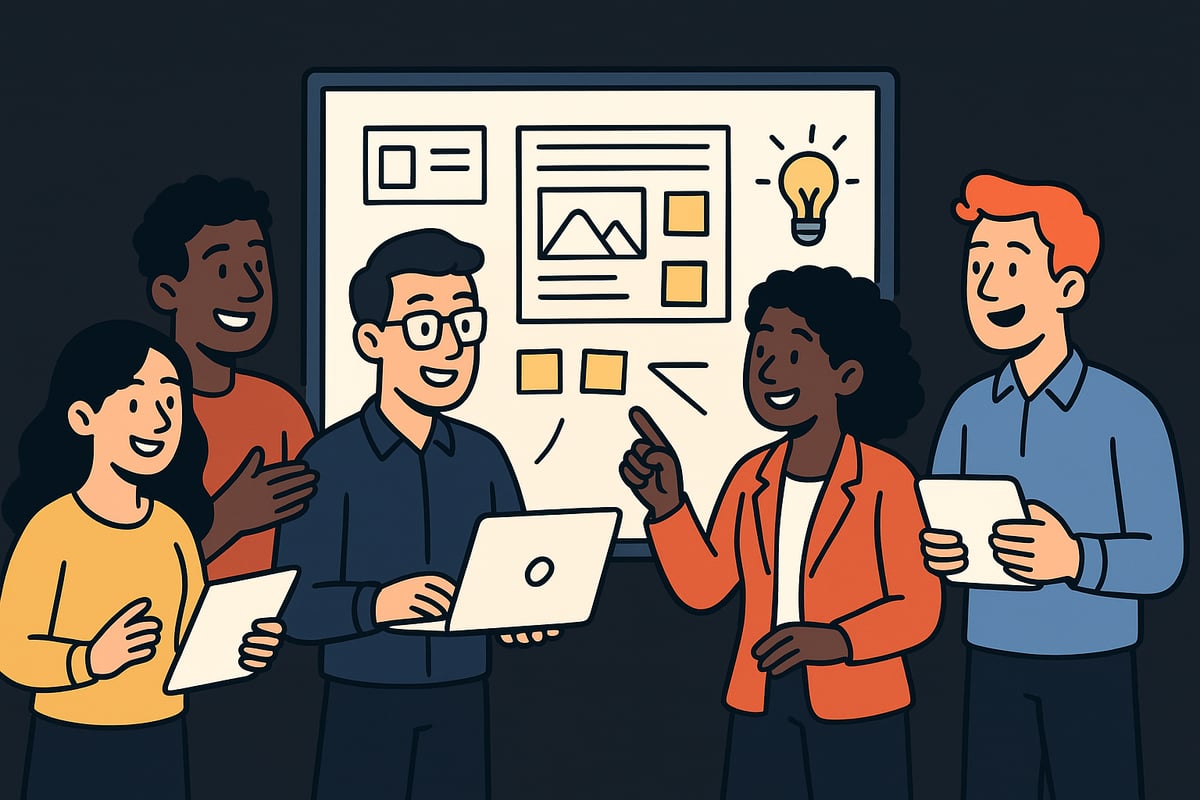
Cross-functional collaboration is the cornerstone of any successful effort to develop design solutions that resonate in a competitive landscape. By assembling teams that include designers, developers, marketers, and decision-makers, organisations unlock a powerful mix of perspectives and expertise.
To create these high-performing groups:
- Define clear roles and responsibilities at the outset.
- Encourage open knowledge sharing across disciplines.
- Foster mutual respect for different skill sets and backgrounds.
A structured approach to team assembly ensures that each phase of the develop design process runs smoothly. Utilising frameworks such as the Website design and development process can help clarify expectations and streamline collaboration. This is particularly effective when teams are distributed or working remotely, as transparent processes reduce confusion and duplication of effort.
Ultimately, when responsibilities are well defined and communication channels are open, teams are empowered to innovate and deliver exceptional design results.
Client and Stakeholder Engagement
Engaging clients and stakeholders throughout the develop design journey is critical for aligning project objectives and ensuring satisfaction. Early and frequent involvement leads to better understanding of needs, fewer miscommunications, and more effective outcomes.
Best practices for stakeholder engagement include:
- Scheduling regular check-ins and progress updates.
- Using client dashboards for transparent tracking.
- Gathering structured feedback at key milestones.
Interpreting feedback accurately and acting on it quickly is essential. This not only builds trust, but also keeps the develop design process adaptive and responsive to changing requirements. Tools that facilitate real-time communication and version control help bridge gaps between clients and teams, making it easier to manage expectations and address concerns before they become critical issues.
When clients feel heard and involved, they become champions of the project, driving momentum and supporting successful delivery.
Conflict Resolution and Embracing Change
Even the most well-planned develop design projects encounter disagreements and unforeseen challenges. Proactive conflict resolution and an openness to change are essential for maintaining team cohesion and project momentum.
Effective approaches include:
- Facilitating open discussions to surface concerns early.
- Mediating disagreements with clear, objective criteria.
- Documenting and communicating agreed-upon revisions.
Embracing iterative improvement, as highlighted in Monograph’s best practices, ensures that revisions are not viewed as setbacks but as opportunities for enhancement. Teams that cultivate a culture of flexibility can pivot quickly in response to feedback or shifting goals, turning potential obstacles into growth opportunities.
Real-world examples demonstrate that projects improved through collaborative problem-solving consistently outperform those that resist change. The ability to adapt, resolve differences, and iterate is what truly positions teams to develop design solutions that endure.
Measuring and Optimising Design Development Outcomes
Staying competitive in 2025 means knowing how to measure, refine, and scale your develop design processes. Without clear metrics and a robust feedback loop, even the most creative ideas risk missing the mark. By focusing on data, quality, and adaptability, professionals can ensure their develop design efforts deliver tangible business results.
Establishing Metrics for Success
Every effective develop design project starts by defining what success looks like. This means setting clear, measurable KPIs that align with business objectives. Common metrics include user engagement, conversion rates, project profitability, and customer satisfaction.
A well-structured table can help summarise essential KPIs:
| KPI | Description | Tool Example |
|---|---|---|
| User Engagement | Time on page, interactions | Google Analytics |
| Conversion Rate | Percentage of desired actions taken | Hotjar, Mixpanel |
| Project Profitability | Revenue vs. cost | Monograph |
| Client Satisfaction | Feedback scores, repeat business | SurveyMonkey |
Collecting and analysing data is crucial. Use automated dashboards and project management platforms to track progress in real time. These insights enable teams to quickly adapt their develop design approach, ensuring alignment with targets.
Templates for tracking KPIs and milestones can streamline reporting. Regular progress reviews, using these tools, keep everyone focused on outcomes. This data-driven mindset transforms intuition into informed decisions, giving your develop design efforts a clear edge.
Quality Assurance and Iterative Improvement
Quality assurance is the backbone of any successful develop design workflow. Double and triple-checking deliverables minimises errors and ensures consistency across every touchpoint. Adopting a rigorous review process, as emphasised by industry leaders, helps teams deliver at the highest standard.
Key steps in quality assurance include:
- Peer reviews of design assets
- Automated testing of digital products
- User testing and feedback collection
- Post-launch performance analysis
A continuous feedback loop is vital. User testing uncovers hidden issues, while regular feedback sessions drive iterative improvements. Integrating technology, such as real-time analytics and automated testing tools, streamlines the optimisation process. For deeper insights into this approach, explore these app design and development insights.
Iterative refinement is not just about fixing problems, but about evolving your develop design to exceed user expectations. Each cycle of feedback and improvement enhances the final product, leading to superior outcomes and increased client satisfaction.
Scaling and Future-Proofing Design Processes
To future-proof your develop design workflows, focus on scalability and adaptability. Successful teams build flexible systems that allow design standards and best practices to be replicated across projects and teams.
Strategies for scaling include:
- Creating a centralised design system or style guide
- Documenting reusable components and templates
- Training teams on new tools and processes
- Leveraging cloud-based collaboration platforms
Staying ahead in develop design also requires monitoring industry trends and embracing a culture of continuous improvement. Encourage experimentation, invest in R&D, and foster a mindset open to change. By doing so, you ensure that your processes remain resilient against disruption and ready for the challenges of 2025.
Resources, Tools, and Further Learning for Design Professionals
Staying ahead in the evolving field of design requires more than skill. It takes the right blend of tools, frameworks, and continuous learning. For those who develop design, having access to curated resources can make the difference between stagnation and industry leadership.
Essential Tools and Platforms for 2025 Design Success
Selecting the right platforms is fundamental for anyone who wants to effectively develop design in 2025. Modern teams rely on a suite of digital tools to streamline every phase, from ideation to delivery. Here is a comparison of key tools:
| Tool | Primary Use | Best For |
|---|---|---|
| Figma | UI/UX Design, Collaboration | Remote, Agile teams |
| Sketch | Interface Design | Mac-based workflows |
| Monograph | Planning, Tracking | Architecture, Branding |
| Trello | Project Management | Visual task tracking |
| Miro | Brainstorming, Mapping | Collaborative workshops |
| Adobe Creative Cloud | Multi-disciplinary Design | End-to-end creation |
Monograph, for example, is widely adopted for planning and tracking, helping teams develop design workflows with transparency and control. Figma and Miro support real-time collaboration, making them essential for distributed teams eager to innovate.
For those focusing on digital branding, platforms highlighted in digital branding solutions overview showcase strategies and tools that align with user-centric and modern design practices.
Choosing the right platform ensures that teams can develop design efficiently, stay connected, and maintain quality from start to finish.
Recommended Frameworks, Templates, and Checklists
To develop design projects with precision, frameworks and templates provide structure and consistency. Start with goal-setting models like SMART goals or OKRs to align your vision with business objectives. Design sprint templates help teams prototype and test concepts rapidly.
Risk management is simplified with dedicated templates for identifying and mitigating potential issues early. Quality assurance checklists ensure no step is overlooked, from initial wireframes to final launch. Client communication is streamlined with feedback forms and progress dashboards.
Consider adopting downloadable resources such as:
- Project timeline templates
- Budget tracking spreadsheets
- QA and feedback checklists
- Risk assessment worksheets
Leveraging these frameworks allows teams to develop design processes that are repeatable, scalable, and resilient to change. Using these tools consistently leads to higher project success rates and more predictable outcomes.
Industry-Leading Courses, Communities, and Events
Continuous education is a cornerstone for those who develop design and wish to remain competitive. Leading online platforms such as Coursera and LinkedIn Learning offer in-depth courses in UX, visual design, and project management. The UX Design Institute provides accredited certifications for professionals seeking formal validation.
Professional communities like AIGA, Dribbble, and Behance are invaluable for networking, portfolio feedback, and staying inspired. Events such as Design Indaba and UX London bring together the best minds for workshops and thought leadership.
Joining these communities and attending events keeps design professionals connected to the latest trends and best practices. Engagement in these spaces ensures that those who develop design are always learning and growing.
Additional Reading and Inspiration
To truly innovate and develop design excellence, draw inspiration from a broad range of sources. Books like "Don't Make Me Think" by Steve Krug and "Creative Confidence" by Tom Kelley offer timeless advice on usability and creativity.
Articles and interviews, such as those exploring AI's Role in Future Art, provide insight into emerging technologies and their impact on the creative process. Following thought leaders on platforms like Medium or LinkedIn ensures a steady flow of fresh perspectives.
Curating a personal library of resources and staying updated with industry advancements is essential for anyone looking to develop design strategies that are both innovative and future-proof.