
The Essential Guide to Launching a Design Startup in 2026
The digital economy of 2026 is witnessing an unprecedented surge in design startup ventures, fuelled by the demand for design-led innovation. As technology, creativity, and user experience converge, businesses are being redefined by their ability to deliver seamless and meaningful solutions.
Launching a design startup is both a thrilling opportunity and a complex journey, demanding a clear and strategic approach. This guide is crafted for aspiring founders, offering a practical, step-by-step roadmap to successfully launch and grow a design startup in 2026.
We will explore everything from market research and business planning to building your brand and team, product development, funding, go-to-market strategies, and scaling for long-term success.
Understanding the Design Startup Landscape in 2026
The design startup landscape in 2026 is evolving rapidly, shaped by technology, shifting consumer demands, and a renewed focus on creativity. Founders must understand these changes to position their ventures for success. Let us explore the trends, mindset shifts, and challenges that define this dynamic environment.

Analysing Market Trends and Opportunities
In 2026, design-led businesses are setting new benchmarks for innovation and commercial success. According to McKinsey design-led business study, companies that prioritise design generate 32% more revenue and see 56% higher total returns to shareholders. This data highlights how critical a design startup can be in today’s economy.
Emerging sectors offer fertile ground for a design startup. Healthtech, fintech, climate solutions, AI-powered tools, and digital products are all seeking creative problem-solvers. Consumers now expect every digital interaction to be seamless, intuitive, and accessible, raising the bar for user experience.
The shift toward remote, global teams is another defining trend. Cross-disciplinary collaboration has become the norm, enabling design startup founders to tap into worldwide talent pools and diverse perspectives.
Key Market Trends Table
| Trend | Impact on Design Startups |
|---|---|
| Design-led growth | Higher revenue, more innovation |
| Emerging sectors | New opportunities for creative founders |
| Consumer expectations | Demand for seamless, accessible products |
| Global, remote teams | Access to diverse talent, collaboration |
The Role of Design Thinking and User-Centricity
Design thinking has become the foundation of successful design startup cultures. This human-centred approach encourages teams to deeply understand users, challenge assumptions, and prototype quickly. Companies like Airbnb have shown how design thinking can turn an ordinary idea into a global phenomenon. Apple’s commitment to design at every level has set a gold standard for the industry.
For any design startup, user-centricity is now a crucial differentiator. By focusing on real user needs, startups create products that resonate in crowded markets. Rapid prototyping, iterative development, and continuous feedback loops help teams avoid costly missteps and deliver value faster.
Embedding design thinking in daily operations empowers teams to adapt, experiment, and create products that stand out. This approach fosters a culture where every decision is guided by empathy, creativity, and measurable impact.
Key Challenges Facing Design Startups
Despite these opportunities, launching a design startup in 2026 comes with significant challenges. Market saturation means competition is fierce, and standing out requires a clear value proposition. Attracting and retaining top design and tech talent is increasingly difficult as remote work opens up global competition.
Keeping up with the pace of technology is another hurdle. Design startups that neglect user research or accessibility risk alienating customers and missing regulatory requirements. Striking the right balance between innovation and practical business goals is essential for long-term viability.
To succeed, a design startup must build on strong foundations, invest in user understanding, and embrace a mindset of continuous learning. Navigating these challenges will help founders turn creative vision into enduring business results.
Step 1: Research, Validate, and Define Your Niche
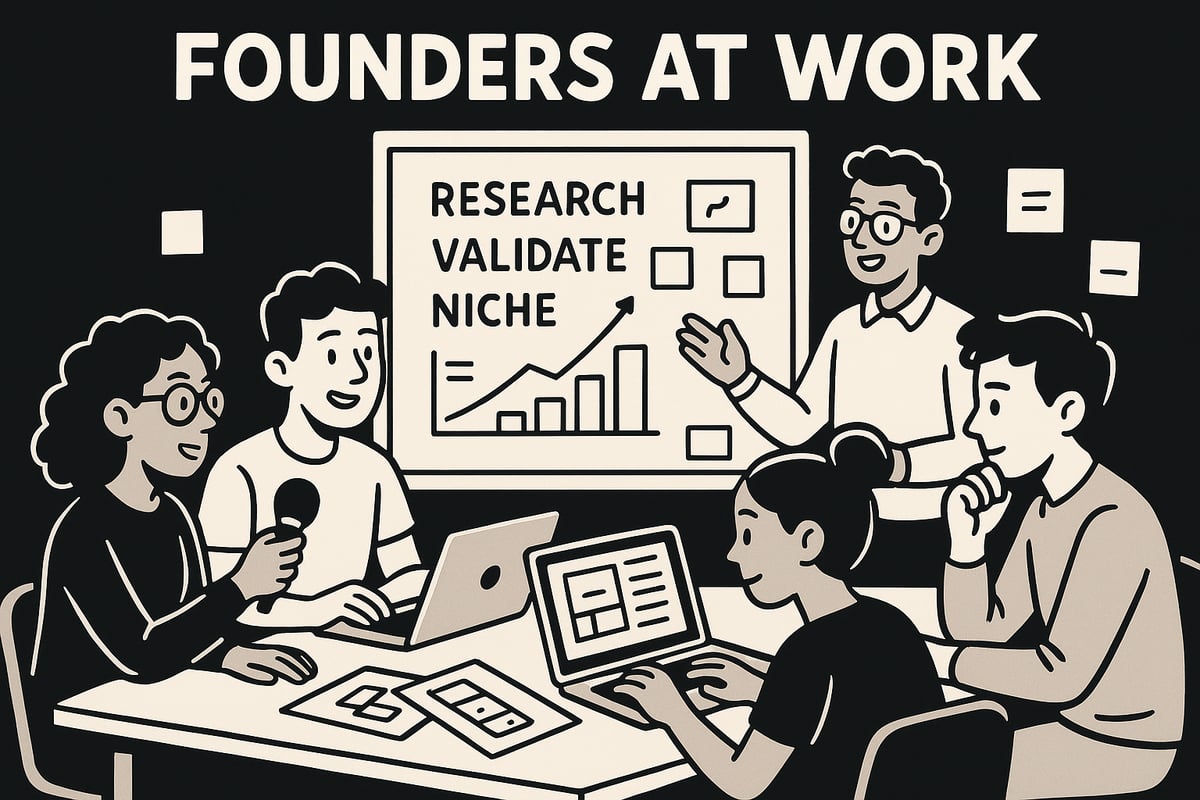
Launching a design startup in 2026 begins with a clear understanding of your market, users, and unique value. Before investing resources, founders must ground their vision in evidence, not assumptions. This step lays the foundation for every decision that follows.
Conducting Thorough Market and User Research
Every successful design startup starts with rigorous research. Use a mix of methods to uncover what your audience truly needs:
- Surveys and interviews to gather direct feedback.
- Analytics to spot trends and behaviours.
- User testing to observe real interactions.
- Competitor analysis to identify gaps in the market.
Pinpointing genuine pain points and unmet needs is crucial. Many failed products, like Google Glass, overlooked this step and suffered as a result. Avoid this pitfall by leveraging digital tools and resources for data-driven insights.
For strategic guidance, consult resources like Essential design strategies for startups, which offer frameworks to help you structure your research process. This ensures your design startup aligns with both user needs and market demand.
Validating Your Startup Idea
Validation is non-negotiable for a design startup. Start by developing a minimum viable product (MVP) that captures the core functionality of your idea. Use rapid prototyping to create quick, testable versions, then gather feedback from real users before making major investments.
Early feedback helps you pivot or refine your concept with minimal risk. Studies show that well-designed UX and UI can boost conversion rates by up to 400 percent, so prioritising user experience from the outset can set your design startup apart.
Iterate quickly and use analytics to measure engagement and satisfaction. This approach not only saves time and money but also builds confidence in your solution’s potential.
Defining Your Unique Value Proposition (UVP)
A compelling UVP is the cornerstone of a standout design startup. To craft yours, consider:
- What specific problem does your startup solve?
- Who is your ideal customer?
- How does your solution differ from competitors?
- What benefits can only you deliver?
Clarity is vital when communicating your mission, vision, and target audience. Look at examples like Pinterest, which transformed online inspiration, and Kickstarter, which reimagined creative funding. Both succeeded by clearly articulating their UVP to their audience.
Make your UVP visible in every touchpoint, from your website to your pitch deck. This sharp focus helps your design startup connect with customers and stand out in a crowded market.
Step 2: Building a Robust Business and Brand Foundation
Establishing a strong foundation is critical for any design startup aiming for sustainable success. This phase defines your business model, brand identity, and operational structure, setting the stage for growth and innovation in a competitive landscape.
Crafting a Business Model and Go-To-Market Plan
Choosing the right business model is one of the most pivotal decisions for a design startup. Your model will shape how you deliver value, generate revenue, and interact with clients. Common options include:
| Model | Description | Example Startups |
|---|---|---|
| Agency | Client-focused, project-based | IDEO, Pentagram |
| SaaS | Subscription-based software | Figma, Canva |
| Productised Service | Packaged, repeatable offerings | Design Pickle |
| Platform | Connects users and providers | Dribbble |
| Hybrid | Combines multiple models | InVision |
Set clear goals, milestones, and KPIs to measure your progress. A design startup benefits from a business strategy that aligns closely with its design philosophy, ensuring every decision supports both creative and commercial objectives. Your go-to-market plan should address how you will reach your audience, differentiate your services, and adapt to market feedback.
Developing a Memorable Brand Identity
A compelling brand identity is essential for a design startup to stand out and build trust. Focus on storytelling, visual identity, and tone of voice that reflect your mission and values. Consistency across all touchpoints, from your logo to your website, strengthens recognition and credibility.
Investing in professional branding pays dividends over time. Consider leveraging expert advice, such as these branding and identity creation tips, to ensure your design startup communicates clearly and resonates with your target audience. Look to brands like Google Docs for clarity and Airbnb for immersive brand experiences as benchmarks.
Legal and Administrative Essentials
Navigating legal and administrative tasks is non-negotiable for any design startup. Start by registering your company and protecting your intellectual property, which includes trademarks, copyrights, and design patents.
Other critical steps include:
- Drafting clear contracts with clients, partners, and employees
- Ensuring compliance with data privacy and accessibility regulations
- Setting up robust financial systems and accounting practices
Being thorough in these areas reduces risk and builds a foundation for trustworthy operations. A design startup that invests in compliance and organisation is better positioned to scale.
Partnering with Expert Design and Digital Agencies
Collaborating with experienced agencies can accelerate your design startup’s journey. These partners offer end-to-end support in branding, web design, and digital product development. Their multidisciplinary teams bring award-winning expertise, helping you avoid costly mistakes and launch with confidence.
An agency partnership enables your design startup to focus on core strengths while leveraging external knowledge for scalable growth. This approach is especially valuable when building a digital-first presence and aiming for rapid market entry.
Step 3: Assembling Your Dream Team and Leadership Structure
Building a successful design startup in 2026 starts with assembling a team that can translate vision into reality. The right mix of talent and leadership is essential for innovation, agility, and long-term growth. Let’s explore how to structure your team for success.
Identifying Key Roles for Early-Stage Design Startups
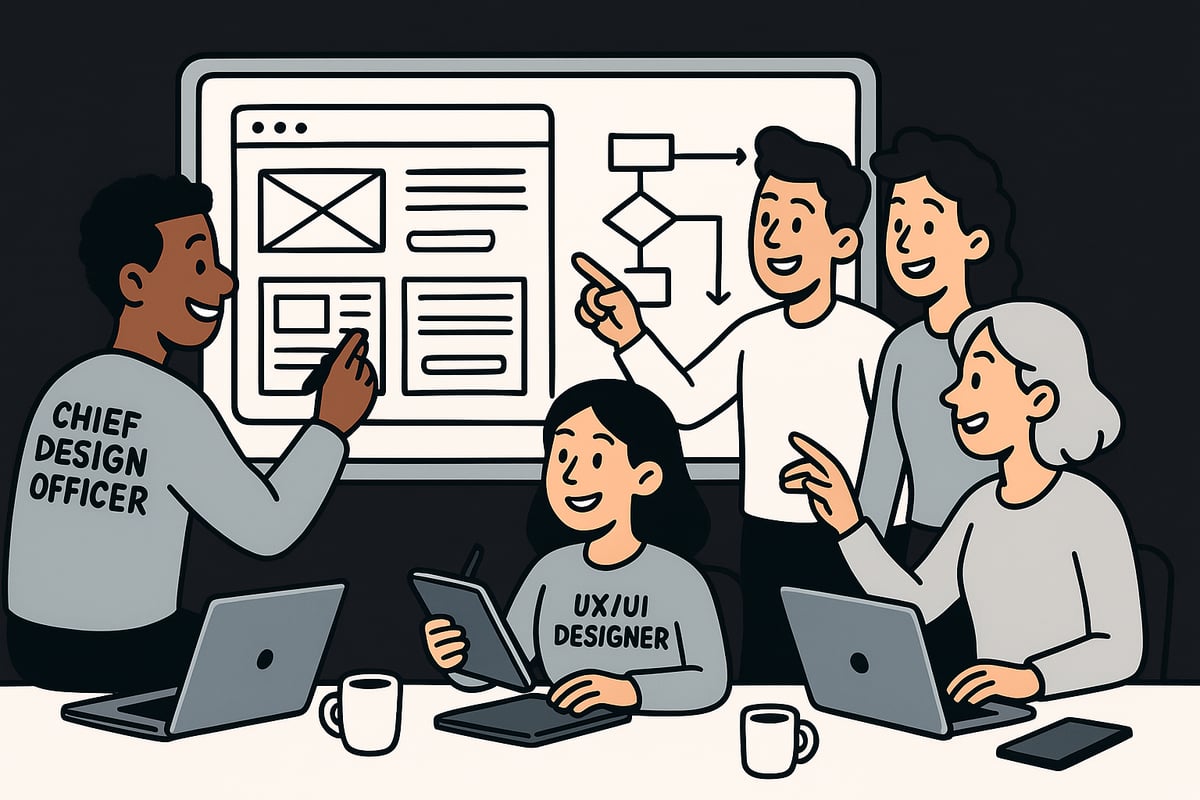
Every design startup needs a strong foundation of core roles. Begin by identifying one or more co-founders who share your vision and bring complementary skills. Next, recruit product designers and UX/UI experts who can shape intuitive digital experiences and help define your product’s direction.
A Chief Design Officer (CDO) or similar design advocate is invaluable from day one. This leader champions design thinking and ensures every decision aligns with user needs. For example, Worldr’s CDO played a crucial part in building user trust through simplicity and clarity.
Your founding team should also include developers who can turn concepts into reality, and marketers who can articulate your value proposition to the world. By assembling a multidisciplinary team, your design startup gains the agility to adapt and the expertise to stand out in a crowded market.
Building a Collaborative and Creative Culture
A design startup thrives when collaboration is embedded across all functions. Encourage open dialogue between design, technology, and business teams, fostering an environment where ideas flow freely and diverse perspectives drive innovation.
Establishing a culture of experimentation, creativity, and empathy is key. This means embracing iterative work, encouraging teams to learn from failures, and prioritising user insights at every stage. Apple’s legendary design culture is built on such principles, while Nabu has shown how design thinking can permeate every department and spark breakthrough solutions.
Empower your team to challenge assumptions, propose bold ideas, and share responsibility for outcomes. When everyone feels invested, your design startup becomes a magnet for innovation and continuous improvement.
Attracting and Retaining Top Talent
Securing the best talent is one of the most pressing challenges for any design startup. Start by crafting a clear mission that resonates with creative professionals who want to make a meaningful impact. Use targeted sourcing, thorough interviews, and structured onboarding to ensure new hires are a cultural fit.
Offer competitive incentives, including equity and flexible work arrangements that reflect the realities of 2026. Design-led companies often attract individuals passionate about shaping the future. To address common hurdles such as market competition and talent acquisition, consider insights from Challenges for design startups to refine your approach.
Retention depends not just on compensation, but on fostering a sense of ownership, ongoing development, and a supportive environment. When your design startup invests in people, it builds loyalty and lays the groundwork for sustainable growth.
Step 4: Designing, Prototyping, and Iterating Your Product
Launching a successful design startup in 2026 means mastering product design from concept to launch. The process is not linear, but rather a dynamic cycle of ideation, testing, and refinement. A design startup must align creativity with business goals, ensuring every step centres on the user. Let us break down how to approach this journey for maximum impact.
Establishing a User-Centric Design Process
At the heart of any design startup is a user-centric design process. Begin by setting clear goals that link business vision with user needs. Use research to understand your audience, then move into ideation where creative solutions are brainstormed.
The design process typically includes:
- User research and persona development
- Ideation and brainstorming sessions
- Wireframing and sketching
- Prototyping and interactive mock-ups
- Usability testing with real users
- Iterative refinement based on feedback
Adopting methodologies like Lean UX and agile helps your design startup stay flexible and responsive. These frameworks encourage rapid learning and constant adaptation. If you want to see how design thinking transforms product development, explore how startups like Airbnb have leveraged it by reading about the Design thinking impact on startups.
A design startup that embeds user-centricity into its process is better positioned to solve real-world problems and deliver lasting value.
Creating Consistent, Accessible, and Responsive Experiences
Consistency and accessibility are non-negotiable for any design startup. Start by focusing on minimalistic layouts, clear navigation, and intuitive interfaces. Avoid clutter, hidden features, or confusing pathways.
Accessibility is critical. Ensure your design startup meets WCAG guidelines:
- Use alt text for images
- Maintain high colour contrast
- Enable keyboard navigation
- Provide resizable text options
Responsive design matters, too. Users access products from mobiles, tablets, and desktops. Leading examples like Slack and Zoom show how seamless cross-device experiences boost engagement.
By prioritising accessibility and consistency, your design startup builds trust and opens your product to a wider audience.
Rapid Prototyping and Testing
Speed is essential in the competitive world of a design startup. Rapid prototyping lets you visualise ideas quickly and test them with real users before full-scale development. Start with sketches, then move to digital wireframes and interactive prototypes.
Popular tools include:
- Figma for collaborative design
- Sketch for fast wireframing
- InVision for interactive prototypes
Testing should be early and frequent. Gather feedback through user interviews or usability sessions. Learn from products like Asana, where onboarding flows were refined through constant iteration. Google Docs is another case where familiar workflows resulted from repeated user testing.
A design startup that values rapid feedback reduces risk and increases the odds of product-market fit.
Iterative Learning and Continuous Improvement
Iteration is the secret weapon of every successful design startup. Schedule regular design reviews and usability tests. Analyse user feedback and business metrics together to spot opportunities for improvement.
Even small changes can have a big impact. For example, a homepage redesign that improves clarity can increase sales by 25 percent. Set up feedback loops so your team learns from every launch.
Remember, a design startup is never really finished. Continuous refinement keeps your product relevant as user needs and market trends evolve. Foster a culture of learning and experimentation, and your design startup will thrive in the long term.
Step 5: Funding, Launch, and Go-to-Market Strategy
Launching a design startup in 2026 is a pivotal moment that demands careful planning, strong financial backing, and a robust go-to-market approach. Whether you are bootstrapping or seeking investors, each step shapes your future success.
Securing Funding for Your Design Startup
Funding is the lifeblood of any design startup. Begin by evaluating your options:
- Bootstrapping with personal savings
- Attracting angel investors
- Securing venture capital
- Applying for innovation grants
- Joining accelerators or incubators
A compelling brand story, a functional MVP, and a polished prototype make your design startup stand out to investors. In recent years, design-led startups have seen a surge in investor interest, as research shows they consistently outperform their peers in revenue growth.
Prepare a clear pitch that highlights your unique value proposition. Demonstrate market validation and show traction through early user feedback. Investors are drawn to teams who balance creativity with commercial viability.
Planning a Successful Product Launch
A successful product launch can set the tone for your design startup’s growth. Start with a strategic pre-launch campaign, building anticipation through teasers and early access sign-ups. Beta testing helps you gather testimonials and refine your offering.
Your website is your digital storefront. Investing in website design and development essentials ensures your launch experience is seamless, accessible, and on-brand. Storytelling is at the heart of an effective launch, positioning your brand as innovative and user-focused.
Memorable launches from design startups often combine creativity, technical excellence, and user engagement. Use metrics like sign-ups, feedback volume, and social shares to measure your success and iterate quickly.
Building Early Traction and Customer Base
Gaining traction is an ongoing challenge for any design startup. Employ a mix of strategies to build your customer base:
- Content marketing and thought leadership
- Partnerships with complementary brands
- Influencer outreach on relevant platforms
- Community building through events or forums
Stay agile by tracking key metrics such as user onboarding rates, engagement, and retention. Monitoring these indicators helps you adapt your offering and enhance user satisfaction.
To remain competitive, keep your finger on the pulse of top design trends for 2025. This ensures your design startup continues to evolve and deliver value. Customer feedback is vital for post-launch improvements, driving sustained growth and loyalty.
Step 6: Scaling, Growth, and Sustainability
Scaling a design startup in 2026 means more than just growing fast. It is about building a sustainable business that adapts to change, keeps its creative edge, and delivers consistent value to users. As you move beyond the early stages, focus on strategies that allow your design startup to thrive in a competitive landscape.
Expanding Product Offerings and Market Reach
To ensure long-term success, your design startup must evolve its products and services. Start by gathering insights from your existing customers. Analyse user feedback, reviews, and analytics to identify unmet needs or emerging trends.
Consider expanding into new verticals, introducing complementary features, or adapting your solutions for different markets. For example, a design startup in healthtech might branch into digital wellness tools or telemedicine platforms.
Keep your design-led ethos at the centre of every decision. This focus will help you maintain a strong brand identity and user trust as your reach grows. Regularly revisit your product roadmap to align with changing demands.
Operational Excellence and Process Optimisation
Operational efficiency is vital as your design startup scales. Implement robust systems for project management, communication, and quality assurance. Tools like Asana or Trello can help streamline workflows and improve team coordination.
Track both design activities and business metrics to ensure balanced progress. Use dashboards to monitor KPIs such as project delivery times, client satisfaction, and design impact. Encourage transparency by sharing these insights with your team.
Document processes and create playbooks for recurring tasks. This approach reduces errors, saves time, and supports onboarding as your team expands. Operational excellence sets the foundation for sustainable growth.
Fostering a Culture of Innovation and Experimentation
Innovation is the lifeblood of any design startup. Foster an environment where creativity, learning, and experimentation are encouraged. Organise regular workshops, design critiques, and cross-team brainstorming sessions to spark new ideas.
Embrace new technologies, such as AI-driven design tools or automation, to stay ahead. Empower your team to take calculated risks and learn from failures. Remember, a forward-thinking culture attracts top talent and keeps your design startup agile.
To deepen your understanding of how user-centricity drives innovation, explore these user-centric design benefits. Adopting rapid prototyping and continuous feedback loops will help your team iterate quickly and deliver lasting value.
Measuring Success and Adapting to Change
Define clear KPIs for your design startup, such as revenue growth, user retention, and Net Promoter Score. Regularly review these metrics to assess performance and identify areas for improvement.
Stay alert to market shifts, technological advances, and evolving user expectations. Encourage your team to upskill and remain adaptable. Use data-driven insights to refine your strategies and pivot when necessary.
A mature approach to measurement and adaptation ensures your design startup remains resilient and competitive. By embracing change, you position your business for ongoing success in the dynamic design landscape.