
Making Sites Guide: Your Modern Path to Success (2026)
In 2026, the digital world is more competitive than ever, and making sites that truly stand out is both a challenge and an opportunity. Your website is often the first impression you make, so getting it right is essential for building trust and driving results.
This guide will break down every stage of making sites, from planning and design to optimisation, branding, and future-proofing. Expect clear strategies, expert tips, and practical tools to help you thrive online. Ready to take your site to the next level? Let’s get started.
The Foundations of Modern Website Success
A strong foundation is essential for making sites that thrive in 2026. With technology evolving rapidly, understanding the digital landscape, setting clear objectives, and selecting the right tools are no longer optional—they are vital. Let’s break down the pillars of lasting online success.

Understanding the 2026 Digital Landscape
The digital environment for making sites has transformed dramatically. Artificial intelligence now powers design and automation, enabling faster builds and smarter features. Mobile-first approaches and progressive web apps are industry standards, with users demanding speed, robust security, and seamless experiences across devices.
Data shows that 83% of consumers judge a business’s credibility by its website (2025 Web Credibility Study). This means your site’s structure, speed, and trustworthiness directly influence your reputation. Voice and visual search are shaping how visitors find content, so optimising for these trends is essential.
Brands are leveraging AI personalisation to boost engagement, tailoring content and offers in real time. For example, e-commerce leaders use machine learning to recommend products, increasing conversions. The key argument is clear: making sites today requires adaptability, accessibility, and future-proof strategies. For a deeper dive into proven site-building tactics, see Expert Site Design Strategies.
Defining Clear Goals and Target Audiences
Successful making sites projects begin with defined objectives. Start by setting SMART goals—Specific, Measurable, Achievable, Relevant, and Time-bound. Whether you want to increase traffic, generate leads, or raise brand awareness, clarity is crucial.
Know your audience. Develop data-driven personas to understand user needs and behaviours. For instance, an e-commerce site targeting Gen Z might include interactive shopping features and social media integrations to align with their habits.
- Example SMART Goals:
- Boost monthly visitors by 25% within six months
- Achieve 10% increase in online sales quarter-on-quarter
- Grow newsletter subscribers to 5,000 by year end
Align your business objectives with what your audience values most. This ensures your site delivers real impact. The process of making sites is about bridging your goals and users’ expectations for maximum effectiveness.
Choosing the Right Platform and Tech Stack
Selecting the right platform is a critical decision in making sites. In 2026, leading choices include WordPress, Webflow, Shopify, and custom headless solutions. Each offers unique advantages and limitations.
Here’s a quick comparison:
| Platform | Open Source | Customisation | Scalability | Best For |
|---|---|---|---|---|
| WordPress | Yes | High | Moderate | Content-heavy sites |
| Webflow | No | Medium | High | Design-driven projects |
| Shopify | No | Low | High | Fast e-commerce launch |
| Headless | Yes/No | Very High | Very High | Complex, scalable apps |
Open-source platforms offer flexibility but may require more technical upkeep. Proprietary solutions, like Shopify, provide speed and security for rapid scaling. When making sites, consider not only features but also long-term security and scalability. For example, many brands choose Shopify when they need to scale e-commerce quickly and securely.
No matter the platform, ensure it supports robust security protocols and can grow alongside your business. A future-proof tech stack is the bedrock of modern website success.
Planning and Designing Your Website
Effective planning and design are at the heart of making sites that succeed in 2026. With digital competition fiercer than ever, thoughtful preparation ensures your website not only attracts but also delights and converts visitors. This section explores the essential steps, from structuring your site to building trust, so your making sites journey leads to measurable impact.
Crafting a Winning Site Structure
A strong site structure is the backbone of making sites that engage users and boost conversions. Intuitive navigation and well-organised information architecture help visitors find what they need quickly.
Start with a clear hierarchy. Plan main sections and subpages so content flows logically. Use menus that are simple, with clear labels. For complex sites, mega-menus can guide users through extensive offerings, as seen on leading SaaS platforms.
Best practices for site structure include:
- Limiting main navigation items to 5–7 options
- Grouping related content under meaningful headings
- Ensuring every page is reachable within three clicks
According to Statista, sites with straightforward navigation experience a 30% lower bounce rate. If you are new to making sites, the Beginner's Guide to Website Design offers practical steps to get started. Remember, a thoughtful structure lays the groundwork for every other aspect of your project.
Visual Design Trends and UX in 2026
Modern making sites stand out by blending aesthetics with usability. In 2026, minimalistic layouts, bold typography, and immersive visuals dominate the landscape. These trends catch attention and make content easier to digest.
Micro-interactions, such as animated buttons or subtle hover effects, enhance the user experience. Accessibility remains a priority. Use high colour contrast, ensure screen reader compatibility, and design for all users.
Innovative brands push boundaries with AR/VR previews, allowing customers to interact with products virtually. These experiences not only impress but also drive engagement. When planning your site, prioritise both form and function to create memorable journeys for every visitor.
Content Strategy: Words That Convert
Words are powerful tools in making sites that drive action. Craft compelling copy for your home, about, and product pages by focusing on clarity, benefits, and storytelling. Your brand voice should be consistent, authentic, and tailored to your audience.
Integrate multimedia such as videos, infographics, and interactive content. These elements keep users engaged and help communicate complex ideas. Blogs with in-depth guides can generate three times more leads, according to HubSpot.
A robust content strategy aligns with user needs and business goals. Regularly update your site to maintain relevance and authority, ensuring every piece of content serves a purpose in your making sites journey.
Building Trust and Credibility
Trust is non-negotiable for making sites that convert. Display testimonials, certifications, and real case studies to demonstrate your expertise. Trust badges, especially on financial or e-commerce sites, can reassure visitors and boost conversion rates.
Transparency is key. Clearly outline your privacy policy and ensure GDPR compliance. Data transparency builds confidence and shows respect for your users.
Consider a checklist for trust elements:
- Prominent contact information
- Visible security seals
- Clear terms and conditions
By prioritising credibility, you turn first-time visitors into loyal customers, strengthening your brand’s reputation in the digital landscape.
Harley Oliver: Award-Winning Digital Expertise
Behind many successful making sites are experts who combine creativity with strategic insight. Harley Oliver brings two decades of experience in branding, web design, and e-commerce, delivering end-to-end solutions for businesses of every size.
From initial brand strategy to AI-driven websites, Harley Oliver’s approach is both personalised and future-focused. Their case studies show measurable results for startups and global brands alike.
Partnering with an experienced team ensures your making sites project is not only visually stunning but also scalable, secure, and ready for the future. With a proven track record, Harley Oliver sets the benchmark for digital success.
Developing and Launching Your Site: Step-by-Step
Launching a website in 2026 requires a structured, strategic approach. Each phase is critical to ensure your online presence is robust, secure, and effective. Here is a clear, actionable roadmap for making sites that deliver measurable results.

Step 1: Prototyping and Wireframing
Prototyping is the blueprint stage for making sites. Tools like Figma and Adobe XD are industry standards, now enhanced by AI-assisted prototyping features. These platforms make it easy to create interactive wireframes, allowing stakeholders and users to see the site's structure early.
Gather feedback at this stage. Share prototypes with decision-makers and potential users to identify pain points or usability issues before development begins. Rapid iteration cycles are especially valuable for minimum viable product (MVP) development.
For example, a SaaS startup can use AI-powered wireframing to test multiple layouts quickly. This ensures the final product aligns with both business goals and user needs. Making sites successful starts with a solid, collaborative prototype.
Step 2: Front-End and Back-End Development
After prototyping, it is time to build. Front-end development uses HTML5, CSS4, and JavaScript frameworks like React, Vue, or Svelte to create engaging, responsive interfaces. Back-end development powers the logic behind the scenes, using APIs for payments, chatbots, and analytics.
Choosing the right approach depends on project goals. Headless CMS solutions enable omni-channel content delivery, supporting modern demands for flexibility. Security and scalability are central considerations at this stage.
Consider reviewing Website Design and Development Services for a detailed look at how professionals streamline this process, ensuring that making sites is efficient, secure, and scalable.
Step 3: Ensuring Mobile and Cross-Device Compatibility
Mobile traffic now dominates, so making sites optimised for all devices is a necessity. Responsive design adapts layouts for desktops, tablets, and smartphones. Use tools to preview and test across multiple devices, identifying any display or usability issues early.
Technologies like Accelerated Mobile Pages (AMP) and Progressive Web Apps (PWA) deliver fast, app-like experiences. According to Ofcom, 74% of UK web traffic comes from mobile devices. Ensuring compatibility is no longer optional—it is essential for reach and retention.
Effective making sites practices prioritise seamless navigation and accessibility on every screen, helping your site perform wherever users find you.
Step 4: Security and Compliance
Security and legal compliance are pillars of successful making sites strategies. Always use HTTPS and SSL to encrypt data. Implement advanced authentication methods to protect user accounts and sensitive information.
Accessibility is equally vital. Conform to WCAG 3.0 standards, making your site usable for everyone, including those with disabilities. Stay up to date with data protection laws like GDPR and CCPA, as regulations continue to evolve.
Proactive compliance protects your business reputation and builds trust with users. Making sites secure and accessible ensures long-term success and reduces the risk of costly breaches or penalties.
Step 5: Testing, QA, and Launch
Before your site goes live, thorough testing is crucial. Employ A/B testing, usability studies, and performance checks to catch issues. Use checklists for both pre-launch and post-launch, covering everything from broken links to SEO readiness.
A phased launch, such as rolling out to beta testers, helps catch last-minute problems. For instance, an e-commerce brand might invite a small group of users to test the checkout process before a full launch.
Making sites that succeed means continual refinement. Use feedback and analytics to iterate, ensuring your site delivers ongoing value. The cycle of testing, launching, and improving is the foundation of digital growth for making sites in 2026.
Optimising for Visibility and Growth
The journey of making sites successful in 2026 does not end at launch. To thrive, your website must be visible, fast, and continuously evolving. This section unpacks the tactics and technologies you need to grow traffic, boost conversions, and stay ahead in the digital landscape. From advanced SEO to analytics-driven improvements, each strategy is essential for sustained online growth.
SEO Strategies for 2026
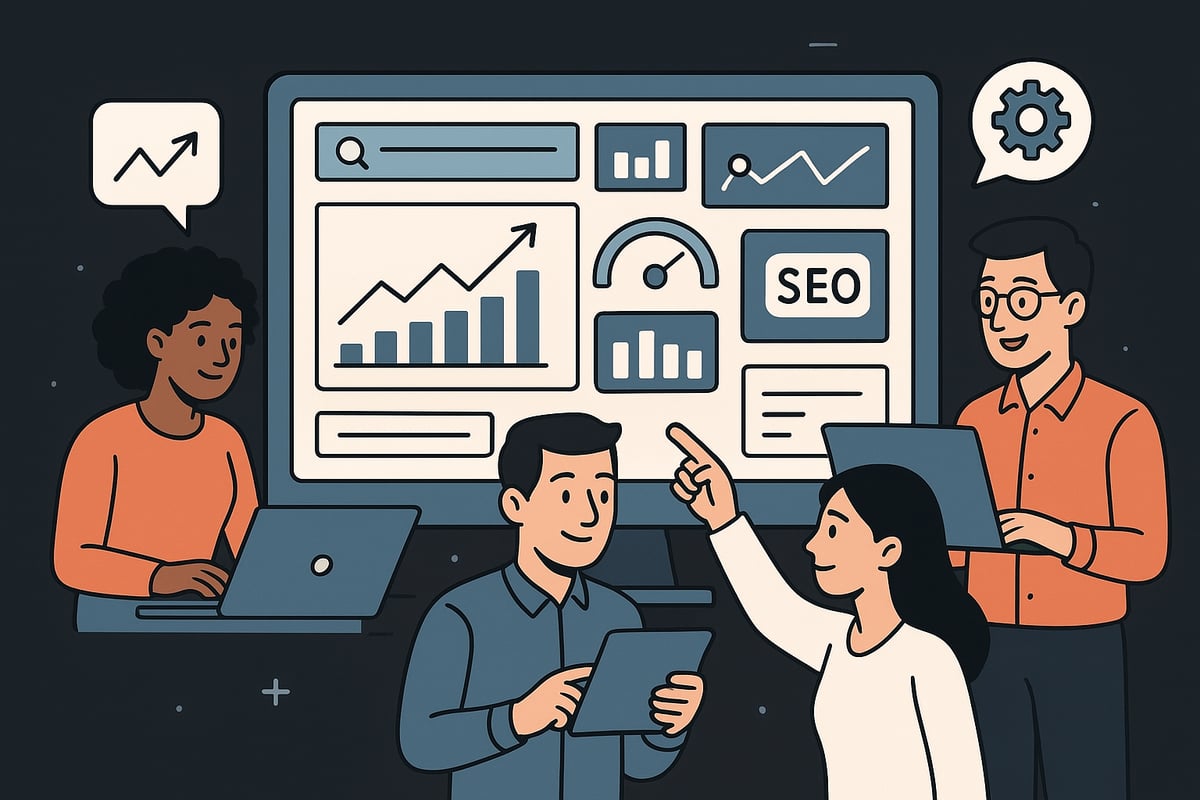
Search engine optimisation remains the backbone of making sites visible in a crowded market. In 2026, semantic search and AI-powered content optimisation are standard. Search engines now interpret user intent, context, and meaning, requiring structured data and comprehensive schema markup on every page.
Websites must demonstrate E-A-T: expertise, authoritativeness, and trustworthiness. Google’s algorithms weigh credible content and transparent authorship more than ever before. Voice and visual search are also reshaping how users find information, pushing making sites to prioritise conversational keywords, alt text, and image tagging.
Accessibility is crucial. Sites that meet WCAG standards not only reach wider audiences but also rank higher. Recent studies highlight that inclusive design directly improves search engine results. According to the Accessibility and SEO Study 2025, accessible sites consistently outperform less inclusive competitors.
In summary, making sites optimised for both users and search engines will secure greater visibility and engagement.
Performance and Speed Optimisation
Speed is a defining factor in user experience and search ranking. Core Web Vitals—Largest Contentful Paint (LCP), First Input Delay (FID), and Cumulative Layout Shift (CLS)—set the benchmarks for performance. Making sites that load quickly see lower bounce rates and higher conversions.
Optimisation techniques include using WebP for images, lazy loading, and minifying CSS and JavaScript. These steps reduce page weight and improve load times across devices. Even a one-second delay can cut conversions by 20 percent, making every millisecond count.
Consider this comparison table:
| Optimisation Method | Impact on Speed | User Experience Benefit |
|---|---|---|
| Image Compression | High | Faster visuals |
| Code Minification | Moderate | Smoother interactions |
| Lazy Loading | High | Quicker initial load |
| CDN Usage | High | Global performance |
For making sites to thrive, prioritise technical improvements and regular speed audits.
Conversion Rate Optimisation (CRO) Tactics
After attracting visitors, making sites must turn interest into action. Conversion Rate Optimisation (CRO) uses data-driven experiments to enhance engagement and sales. Start with A/B testing: compare different landing pages, calls to action, and layouts to see what resonates.
Artificial intelligence enables personalisation by analysing user behaviour in real time. Dynamic CTAs, tailored product recommendations, and adaptive content all contribute to higher conversion rates. For example, a retail site increased sales by 15 percent after deploying AI-powered dynamic CTAs.
Best practices for making sites include:
- Crafting concise, benefit-focused headlines
- Using trust signals like testimonials and certifications
- Streamlining checkout and contact forms
By focusing on user needs and continuous testing, you can maximise the impact of your site’s traffic.
Analytics and Continuous Improvement
Ongoing success in making sites depends on robust measurement and agility. Set up Google Analytics 4, heatmaps, and user session recordings to gain actionable insights. Monitor visitor behaviour, identify friction points, and adjust your strategies accordingly.
Interpreting data is key. For instance, SaaS platforms use analytics to detect patterns that lead to churn, then implement targeted improvements. Regularly review metrics such as conversion rates, average session duration, and exit pages.
A practical approach includes:
- Monthly performance reviews
- User feedback loops
- Automated alerts for anomalies
By embracing a culture of continuous improvement, making sites can adapt to market shifts and user expectations, ensuring long-term growth.
Building a Lasting Brand Online
Establishing a memorable digital presence is crucial for making sites that endure. Beyond visual appeal, sustainable success relies on a holistic approach to branding, engagement, and retention. Let us explore how to build a brand that stands out and lasts.
Integrating Branding into Every Touchpoint
A strong brand identity is the foundation of making sites that resonate with visitors. Consistency across all digital touchpoints builds trust and recognition. Begin by defining your brand’s visual elements:
| Branding Element | Description | Example |
|---|---|---|
| Logo | Visual brand mark | Clean, memorable symbol |
| Colour palette | Core brand colours | Harmonious, accessible contrast |
| Typography | Font styles & weights | Readable, matches brand tone |
Align your messaging with your mission and values. Use language that reflects your brand’s personality. For instance, direct-to-consumer brands thrive by unifying their social and web presence, ensuring every interaction feels authentic and on-brand.
Making sites with branding in mind means every page, email, and social post should reinforce your identity. This approach fosters loyalty and helps your business stand out in a crowded digital landscape.
Content Marketing and Thought Leadership
Content is the engine that drives authority and engagement. For making sites that attract and convert, invest in a comprehensive content marketing strategy. Start with a regularly updated blog, offering valuable insights and solutions relevant to your audience.
Expand your influence with whitepapers, case studies, and video content. These formats demonstrate expertise and build trust. Hosting webinars and podcasts can further position your brand as a thought leader, encouraging deeper audience interaction.
B2B companies often generate high-quality leads by sharing expert content, while B2C brands benefit from relatable stories and how-to guides. Remember to adapt your content style and channel to your audience’s preferences for maximum impact.
Social Proof and Community Building
Social proof is essential for making sites that inspire confidence. Display user reviews, testimonials, and influencer endorsements prominently. People trust the experiences of others, and according to the Gartner's 2025 Consumer Survey on Social Media Trust, credibility on social platforms directly affects purchasing decisions.
Create spaces for your community to connect, such as forums or groups. Interactive features like Q&A sections or live chat can foster a sense of belonging. In fact, 91% of people trust online reviews as much as personal recommendations, highlighting the impact of genuine feedback.
By making sites that encourage engagement and showcase real stories, you build digital trust and long-term loyalty. For further insights on digital credibility, the Digital Trust Report 2025 by Human Clarity Institute is a valuable resource.
Email, Automation, and Retention
Email remains a powerful tool for nurturing relationships and retaining customers. Making sites that integrate email automation and segmentation can deliver tailored experiences at scale. Build segmented lists to send the right message to the right audience at the right time.
Leverage AI to personalise outreach, recommend products, or trigger re-engagement campaigns. Many e-commerce brands succeed with loyalty programmes and automated reminders, turning first-time buyers into repeat customers.
Focus on providing consistent value, not just promotions. When your brand consistently delivers relevant content and rewards, you strengthen the bond with your audience and ensure your site remains their go-to destination.
Future-Proofing Your Website: Trends and Innovations
As technology evolves rapidly, future-proofing is now essential for anyone making sites that last. Staying ahead means embracing innovation, sustainability, and user-focused design. The trends below will shape how you approach making sites in 2026 and beyond.
Embracing AI and Automation
Artificial intelligence is transforming the landscape for those making sites. AI-driven chatbots now handle routine queries, offering instant support and reducing response times by up to 50%. Predictive personalisation tailors content and recommendations based on user behaviour, improving engagement.
AI-generated content can help maintain fresh, relevant pages at scale. For businesses making sites, these tools enable smarter decision-making and more efficient workflows. As a result, customers expect faster, more responsive digital experiences.
The Rise of No-Code and Low-Code Tools
No-code and low-code platforms are revolutionising the process of making sites. These tools empower teams without deep technical skills to build, iterate, and launch websites quickly. Marketing teams can now deploy campaign microsites on their own, reducing bottlenecks.
For small businesses, this means faster go-to-market and the ability to test ideas with minimal investment. No-code solutions also make making sites more accessible, encouraging creativity and experimentation. As these platforms mature, expect even greater flexibility and integration options.
Web3, Blockchain, and Decentralised Web
Web3 technologies are reshaping how we think about making sites. Blockchain enables decentralised hosting, increasing security and resilience. NFTs and crypto payments introduce new business models, especially for digital creators and e-commerce.
Decentralised identity and ownership offer users more control over their data. For those making sites, staying informed about Web3 trends is crucial. As adoption grows, consider how features like token-gated content or blockchain-based payments could benefit your audience.
Sustainability and Green Web Design
Sustainability is now a key consideration when making sites. Eco-friendly hosting, energy-efficient code, and carbon-neutral practices are increasingly in demand. According to Ofcom's 2025 Connected Nations Report, the UK's digital infrastructure is evolving to support greener web solutions.
Consumers are showing a clear preference for brands with sustainable websites. Making sites with a focus on sustainability can build trust and attract environmentally conscious visitors. Prioritise green hosting providers and optimise assets to reduce your digital carbon footprint.
Preparing for What’s Next
Future-proofing is an ongoing journey for anyone making sites. Regular audits, tech upgrades, and continuous learning are essential to stay ahead. Join professional communities, attend webinars, and subscribe to industry updates to keep your knowledge fresh.
Invest time in reviewing new tools and trends each quarter. Making sites that adapt quickly to change ensures your digital presence remains relevant and resilient. Remember, agility and curiosity are your greatest assets in the ever-changing digital landscape.