
Expert Guide to Layout Branding for 2026
In 2026, layout branding will be the linchpin for brands aiming to capture attention and foster loyalty in a rapidly shifting marketplace. As digital and physical spaces converge, businesses must rethink how design choices influence customer engagement and perception.
This expert guide demystifies layout branding, providing actionable strategies, insights, and forward-looking trends. Discover how the psychology of layouts, emerging design trends, and seamless integration of digital and physical environments will shape brand success.
Ready to future-proof your brand? Dive in to explore practical steps and proven measurement techniques that ensure your brand stands out in 2026.
The Evolution of Layout Branding: From 2020 to 2026
Layout branding has seen remarkable transformation in recent years. Brands have shifted their focus to create spaces that are not just functional, but immersive and memorable. This evolution is driven by changing customer expectations, technological breakthroughs, and global events that have reshaped the way we interact with brands.

Key Shifts in Consumer Behaviour
Consumers today expect more than just products, they want experiences. Since 2020, the demand for immersive, personalised journeys has soared. People now look for seamless transitions between online and in-store environments. According to Signature Graphics, 63% of consumers expect brands to deliver consistent experiences across all channels. This shift has made layout branding essential for attracting and retaining modern shoppers.
Brands have responded by integrating storytelling into their environments. Spaces are designed to guide visitors intuitively, blending digital and physical touchpoints. The result is a more engaging and cohesive customer journey.
Technological Advancements & The Impact of the Pandemic on Space Design
Technology is reshaping layout branding at every level. AI-driven personalisation allows brands to adapt spaces in real time, while AR and VR bring products and environments to life. Smart signage and IoT devices provide adaptive layouts that respond to customer flow and behaviour.
The pandemic accelerated many of these changes. Health and safety became a priority, leading to wider aisles, touchless navigation, and flexible layouts. Supermarkets, for example, introduced modular designs to facilitate safe movement and respond quickly to changing needs. These innovations have now become standard expectations.
Sustainability and Eco-Conscious Design
Sustainability is at the heart of modern layout branding. Brands are increasingly using eco-friendly materials and energy-efficient lighting to reduce their environmental impact. Biophilic design, which incorporates natural elements, enhances wellbeing and connects people to nature.
Recent data shows that 70% of Gen Z consumers prefer brands with clear sustainability credentials. This trend is influencing every aspect of layout branding, from material choices to lighting and even the integration of recycled graphics.
Branding Beyond the Logo: Visual Storytelling and Case Study
Layout branding now extends well beyond logos and colour schemes. Brands use visual storytelling, interactive installations, and cohesive graphics to express their identity across every touchpoint. This holistic approach ensures that the entire space communicates the brand’s values.
A leading sports retailer provides a prime example. By introducing experiential zones and digital kiosks, they transformed their space into an interactive destination. The result was a significant increase in dwell time and a 20% uplift in sales, proving the power of innovative layout branding.
Future-Proofing Brand Layouts
With consumer expectations and technology evolving rapidly, future-proofing is critical. Brands must adopt flexible frameworks that can adapt to new trends and cultural shifts. Staying ahead means monitoring emerging directions like adaptive layouts and human-centric design.
For a deeper dive into the latest developments, Emerging Graphic Design Trends 2026 explores how maximalism and adaptive systems are shaping the future of layout branding. By embracing these changes, brands can ensure their spaces remain relevant, engaging, and effective for years to come.
The Psychology Behind Effective Layout Branding
Understanding the psychology behind effective layout branding is essential for brands that aim to shape positive customer perceptions and drive engagement. Strategic use of space, sensory elements, and visual cues can create environments that foster loyalty and boost sales.
How Layout Influences Perception & Behaviour
Layout branding is deeply rooted in environmental psychology. The way a space is organised can significantly affect how people feel, think, and act. A well-planned spatial flow guides customers along their journey, subtly influencing choices and encouraging exploration.
Research reveals that strategic placement of products can increase impulse purchases by up to 30%. Effective layout branding leverages this by placing high-interest items in key locations, ensuring a logical and intuitive path. For further insights, the Psychology of Retail Store Layouts article explores these concepts in depth.
A thoughtful layout branding approach helps brands create environments that are not just functional, but also emotionally engaging.
Emotional Triggers in Layout Design
Colour, lighting, and acoustics are powerful tools in layout branding, each triggering different emotional responses. Warm hues can evoke trust and relaxation, while vibrant tones inject excitement and energy. Lighting sets the mood, highlighting products and guiding attention.
- Soft, diffused lighting fosters comfort.
- Bright, focused lighting draws attention to key areas.
- Background music enhances the brand’s atmosphere and emotional connection.
For instance, hospitality venues often use warm lighting to create a welcoming ambience. By understanding these triggers, brands ensure their layout branding aligns with desired emotional outcomes.
Visual Hierarchy and Wayfinding
Clear visual hierarchy is vital in layout branding, providing intuitive navigation and reducing customer frustration. Focal points, sightlines, and well-placed signage help visitors orient themselves and make decisions confidently.
Eighty percent of shoppers state that clear signage is critical for a positive experience. Layout branding uses wayfinding graphics and directional cues to lead customers seamlessly from one zone to the next.
This structured approach not only supports sales but also reinforces brand identity through consistent visual language.
Sensory Branding: Beyond Visuals
Effective layout branding goes beyond what customers see. Incorporating scent, sound, and tactile elements creates a multi-sensory brand experience. Scented environments can evoke memories or emotions, while background music shapes mood and influences dwell time.
Touchpoints like textured walls or interactive displays invite engagement, making the brand feel more accessible and memorable. For example, ambient music in fashion stores can encourage customers to linger, boosting the likelihood of purchase.
By engaging multiple senses, layout branding delivers a richer, more immersive experience.
The Power of First Impressions
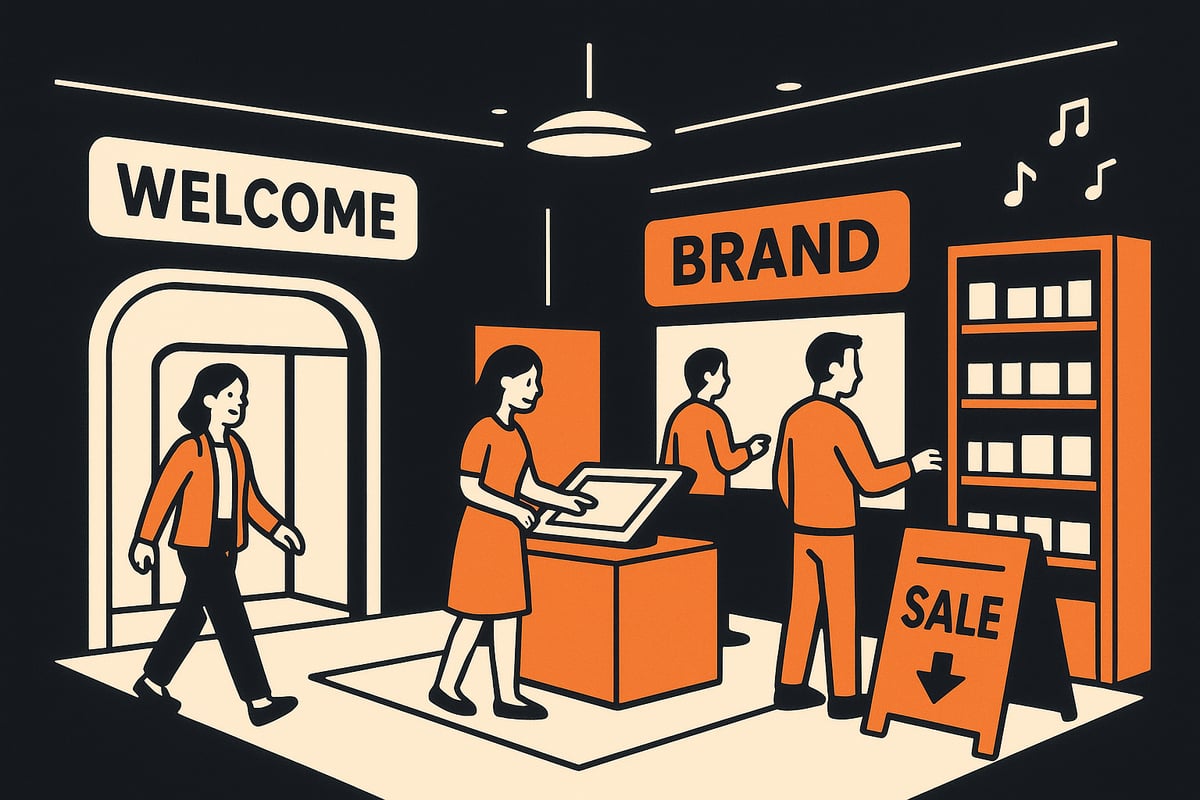
The entrance layout acts as a brand’s handshake, setting expectations from the moment customers arrive. A strong entrance in layout branding is both inviting and on-brand, using lighting, signage, and design cues to communicate key messages instantly.
Brands can create memorable first impressions by incorporating signature elements, such as a unique scent or striking visual display. This approach not only draws people in but also establishes trust and curiosity.
A carefully crafted entrance ensures that layout branding starts the customer journey on a positive note.
Anchoring and Zoning Techniques
Anchoring and zoning are essential strategies in layout branding. By dividing spaces into distinct zones, brands cater to different customer intents, such as browsing, purchasing, or socialising. Anchor displays serve as visual magnets, drawing footfall to high-value or promotional areas.
For example, brands often use bold graphics or standout fixtures to highlight new collections or offers. This zoning approach guides behaviour and maximises engagement, ensuring each area serves a specific purpose.
Well-executed anchoring keeps customer flow dynamic and focused throughout the space.
Case Example: Grocery Store Layouts
Grocery stores offer a classic example of layout branding in action. Essentials like milk and bread are placed at the back, encouraging shoppers to explore the full store and discover additional products along the way.
Colourful graphics and eye-catching signage highlight promotions, while clear pathways make navigation easy. This approach not only increases exposure to more products but also enhances the overall shopping experience.
Effective layout branding in grocery environments demonstrates how strategic design choices can drive both satisfaction and sales.
Key Elements of High-Impact Layout Branding
Creating high-impact layout branding means combining strategy, creativity, and attention to detail. Each element, from spatial flow to digital integration, plays a critical role in delivering memorable brand experiences. Let’s break down the core components shaping successful layout branding in 2026.
Spatial Planning and Flow
The backbone of effective layout branding is spatial planning. Brands often choose between grid, loop, and free-flow layouts to shape customer movement and engagement.
| Layout Type | Best For | Key Benefit |
|---|---|---|
| Grid | Pharmacies, supermarkets | Efficient product access |
| Loop | Department stores, galleries | Maximises exploration |
| Free-flow | Boutiques, pop-ups | Encourages discovery |
Grid layouts, for example, improve navigation efficiency by 25 percent, making them ideal for pharmacies where speed matters. Loop layouts guide shoppers through curated journeys, while free-flow spaces give a sense of freedom and creativity. Choosing the right approach is crucial for impactful layout branding.
Strategic Placement of Graphics and Signage
Graphics and signage are essential in directing attention and reinforcing brand messages. Effective layout branding leverages various types:
- Wall graphics: Tell brand stories or showcase products
- Floor decals: Lead to new launches or promotions
- Digital signage: Provide dynamic, real-time information
Best practice is to position signage at eye level and along key pathways. For instance, floor graphics can guide visitors to new product zones, increasing engagement and dwell time. Keep designs clear and uncluttered to avoid confusion.
Colour, Lighting, and Material Choices
Colour, lighting, and materials all contribute to the sensory impact of layout branding. Brands should align colour palettes with their identity, using warm tones for comfort or bold hues for excitement.
Layered lighting highlights zones and products, drawing attention where it matters most. Sustainable, tactile materials—like reclaimed wood or recycled fabrics—enhance sensory connection and showcase eco-conscious values. These choices are especially appealing to Gen Z, who prefer brands that prioritise sustainability.
Interactive and Digital Elements
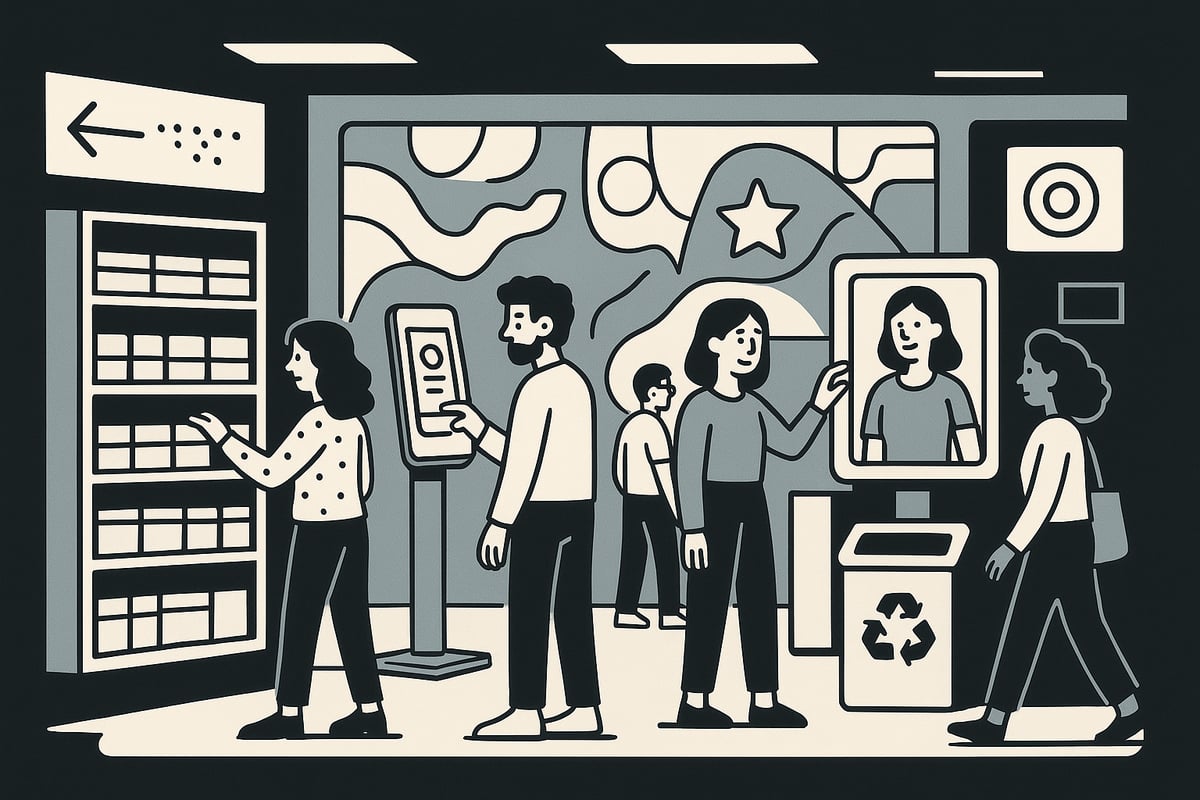
Modern layout branding thrives on the integration of interactive and digital features. Augmented reality and virtual reality allow customers to explore products in immersive ways. Digital touchpoints, such as kiosks, QR codes, and smart mirrors, offer convenience and personalisation.
For example, fashion retailers now use virtual try-on stations, blending online and offline experiences. These innovations keep shoppers engaged and position brands as forward-thinking.
Branding Consistency Across Touchpoints
Consistency is the thread that ties all layout branding efforts together. Every detail, from fonts and icons to messaging, should reflect a unified identity across digital and physical spaces.
Maintaining this cohesion ensures that customers recognise and trust the brand wherever they interact. For a deeper dive into building a unified brand image, see the Brand identity essentials guide, which outlines the core components of strong brand presence.
Accessibility and Inclusivity in Design
Inclusive layout branding makes every customer feel welcome. Design should accommodate all abilities with clear pathways, tactile signage, and support for multiple languages.
Some retailers now use braille and high-contrast graphics, ensuring everyone can navigate with ease. Prioritising accessibility is not just ethical, it also expands the brand’s reach to wider audiences.
Measuring Impact: Analytics and Feedback Loops
To ensure layout branding delivers results, brands must track customer movement and engagement. Tools like heat mapping and in-store analytics provide valuable data on how spaces are used.
Regular feedback loops—through surveys or observation—enable continuous improvement. By analysing these insights, brands can fine-tune layouts to meet evolving expectations and maximise impact.
Step-by-Step Process for Layout Branding Success in 2026
Success in layout branding for 2026 demands a structured, strategic approach. Each stage builds on the last, ensuring your brand not only stands out today, but is ready to adapt to tomorrow’s evolving market demands.
Step 1: Define Brand Objectives and Audience
Begin your layout branding journey by clarifying what your brand stands for and who you aim to engage. Establish clear goals, such as increasing dwell time, boosting sales, or elevating brand perception.
Identify your target demographics and their preferences. For instance, if your core audience is Gen Z, prioritise interactive and digital-first experiences.
Align every branding element with your vision and values, setting the foundation for a layout branding strategy that resonates authentically with your consumers.
Step 2: Conduct Space Analysis and Customer Journey Mapping
Next, assess your existing space and uncover pain points through careful observation and data collection. Use tools like heat mapping and customer surveys to reveal how visitors move, interact, and where friction occurs.
Map the ideal customer journey, pinpointing key touchpoints where layout branding can influence perceptions and behaviours. This comprehensive understanding ensures your design choices are both purposeful and impactful.
Step 3: Ideation and Concept Development
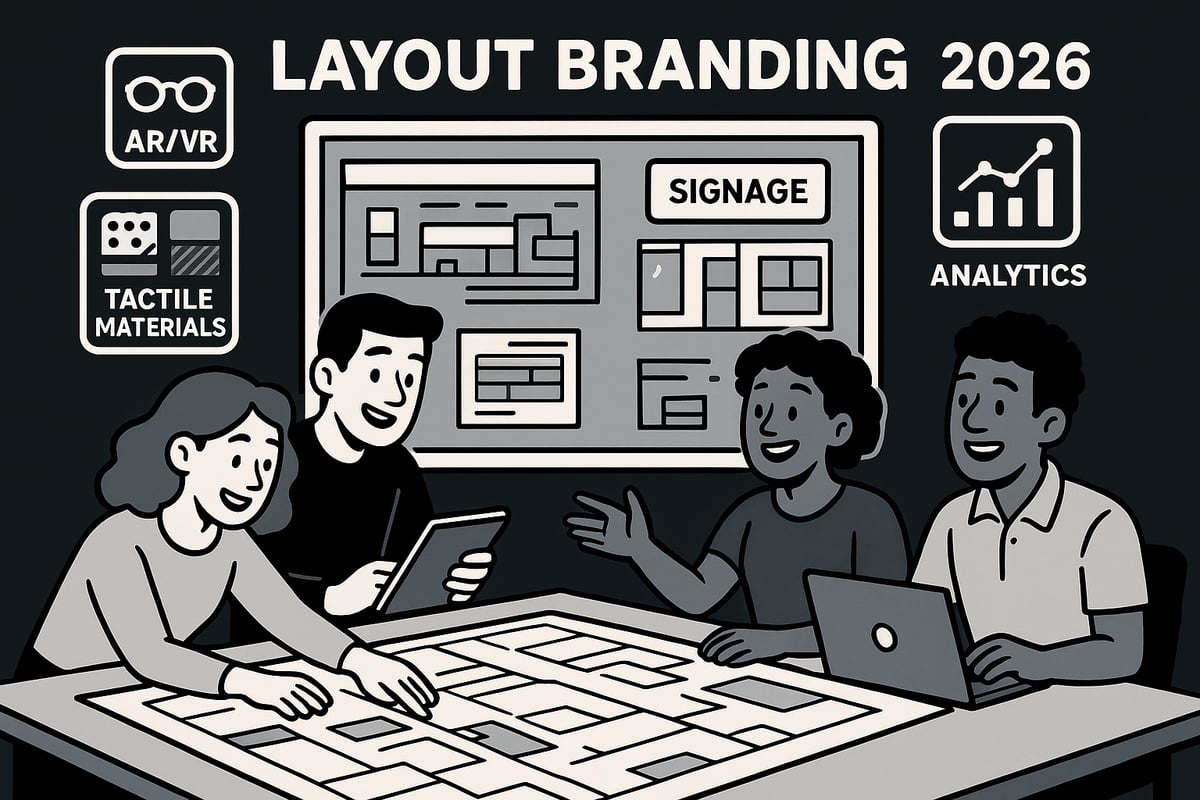
Brainstorm creative spatial concepts and visual themes that express your brand identity. Collaborate with design, marketing, and technology teams to generate ideas that blend aesthetics with functionality.
Develop mood boards, 3D mock-ups, and interactive prototypes to visualise possibilities. For a deeper dive into effective ideation processes, explore this Brand strategy and design process guide, which details collaborative methods essential for layout branding success.
Step 4: Design and Visualisation
Transform your ideas into actionable plans by producing detailed floorplans, signage layouts, and digital renderings. Select materials, colour palettes, and technologies that reinforce your brand’s personality and sustainability commitments.
Leverage 3D visualisation tools to catch errors early and fine-tune spatial flow. This stage is vital for translating layout branding concepts into tangible, cohesive environments that engage and delight your audience.
Step 5: Implementation and Rollout
With your plans in place, move to phased implementation. Start with flagship locations or pilot zones to minimise disruption and gather initial feedback.
Train staff on new layouts, technology integrations, and customer engagement strategies. Effective layout branding relies on seamless execution, empowering your team to deliver consistently positive brand experiences.
Step 6: Testing, Measurement, and Iteration
Monitor customer behaviour and sales data to evaluate the impact of your layout branding decisions. Use A/B testing to compare layout variations and identify what drives engagement and conversions.
Collect feedback through surveys and analytics, refining design elements based on real-world insights. Iteration is key, ensuring your brand evolves alongside consumer expectations.
Step 7: Continuous Improvement and Future-Proofing
Regularly review performance metrics, staying agile in response to new trends and technologies. Embrace a culture of innovation, encouraging your team to test fresh ideas and adapt layouts as market dynamics shift.
By prioritising continuous improvement, your layout branding remains resilient, relevant, and ready for the challenges of 2026 and beyond.
Integrating Digital and Physical Branding: The Omnichannel Imperative
Brands in 2026 face a new imperative: seamless integration of digital and physical experiences is no longer optional, it is essential for layout branding success. As consumer journeys become more complex, the ability to create unified, engaging spaces across every touchpoint will define tomorrow’s market leaders.
The Rise of Hybrid Brand Experiences
Hybrid experiences are reshaping retail and service environments. Today’s consumer expects to start their journey online, continue via mobile, and finish in-store or vice versa. Click-and-collect services are a prime example, influencing how layout branding is approached to facilitate effortless transitions between channels.
Retailers now design spaces with flexible zones for online order pickups, digital browsing stations, and in-person consultations. This hybrid approach ensures every customer touchpoint feels connected, building trust and convenience. The future of layout branding lies in weaving together these experiences, creating journeys that feel natural and unified.
Digital-First Design Thinking
Digital-first design thinking places online and mobile experiences at the core of layout branding strategies. Brands must ensure their physical layouts complement digital journeys, providing consistent messaging, visuals, and interactivity. This means aligning navigation, colour schemes, and even in-store signage with app and website designs.
For actionable inspiration, explore this Digital branding solutions insights resource, which covers integrating brand identity across digital and physical spaces. Prioritising digital-first thinking future-proofs layout branding, ensuring every platform reinforces the brand’s unique value.
Interactive Technologies in Physical Spaces
Technologies such as augmented reality, virtual reality, and smart displays are transforming the retail landscape. Brands now use AR mirrors for virtual try-ons, interactive product displays, and mobile-triggered content to enrich in-store experiences. These tools are not just novelties; they are integral to modern layout branding, driving deeper engagement and memorable moments.
By blending tactile and digital elements, brands can guide customers through immersive environments. The result is a more dynamic, flexible space that adapts to shifting consumer needs and expectations.
Personalisation at Scale
Personalisation is now expected, not just appreciated. AI-driven analytics enable real-time adaptation of layouts and promotions based on customer data. For example, digital signage can display targeted offers, and navigation apps can suggest optimal in-store routes, all as part of a cohesive layout branding approach.
This scale of personalisation ensures every visitor feels recognised, enhancing satisfaction and loyalty. Brands that excel at layout branding leverage technology to tailor experiences while maintaining operational efficiency.
Bridging the Gap: Unified Brand Storytelling
A unified brand story is vital in omnichannel environments. Layout branding should ensure that transitions between digital and physical touchpoints are seamless. Whether a customer interacts with a website, app, or storefront, the narrative, visuals, and tone should remain consistent.
Effective layout branding means every element, from graphics to product placement, reinforces the brand’s identity. This cohesion builds emotional connections and trust, which are essential for long-term loyalty.
Measuring Omnichannel Success
To gauge the effectiveness of integrated layout branding, brands must track key performance indicators across channels. Common KPIs include engagement rates, conversion uplift, and customer satisfaction scores. Integrated analytics platforms and feedback systems collect actionable data, enabling continuous improvement.
| KPI | Measurement Tool |
|---|---|
| Engagement Rate | In-store sensors, web analytics |
| Conversion Uplift | POS systems, online tracking |
| Customer Satisfaction | Surveys, feedback kiosks |
Regular analysis ensures layout branding strategies remain relevant and impactful.
Future Trends: The Metaverse and Beyond
Looking ahead, the metaverse and immersive digital showrooms will redefine layout branding. Virtual stores will complement physical spaces, offering new forms of engagement. Brands must prepare for these shifts by experimenting with digital layouts and integrating emerging technologies.
Staying agile and open to innovation will ensure layout branding remains effective, captivating, and future-proof as customer expectations evolve.
Common Pitfalls and Expert Solutions in Layout Branding
Avoiding common pitfalls is crucial for successful layout branding. Even the most creative design can fall short if key mistakes are overlooked. Let us explore the most frequent errors brands make and how to overcome them for optimal results.
Mistake 1: Ignoring Customer Flow and Behaviour Data
One of the most damaging errors in layout branding is neglecting how customers move and behave in your space. This leads to bottlenecks, poor navigation, and missed sales. Brands that fail to analyse these patterns risk designing layouts that frustrate visitors rather than engage them.
Utilising analytics and heat maps is essential. For example, understanding the impact of store fixtures on buying behaviour can help you shape pathways that encourage exploration and increase dwell time. Data-driven decisions ensure layout branding meets customer expectations and drives results.
Mistake 2: Overcomplicating Signage and Graphics
When signage and graphics are overly complex, they can confuse customers and weaken your brand message. Too many signs, mixed messages, or clashing visuals disrupt the seamless experience that layout branding aims to deliver.
The solution is clarity and hierarchy. Prioritise essential information, use consistent fonts, and ensure graphics support navigation. Simple, intuitive signage helps customers find what they need quickly and reinforces your brand’s identity at every touchpoint.
Mistake 3: Failing to Adapt to Changing Trends
Brands that stick to outdated layouts or ignore evolving design trends risk becoming irrelevant. Consumer preferences, technology, and retail environments shift rapidly, making adaptability vital for layout branding.
Regularly review and update your layout branding approach. Monitor industry trends, gather customer feedback, and iterate on your design to stay ahead. Agile brands remain competitive by embracing innovation and responding to new expectations.
Mistake 4: Neglecting Accessibility and Inclusivity
Overlooking accessibility can alienate customers and even result in legal challenges. Layout branding must cater to all abilities, ensuring clear pathways, tactile signage, and multi-language support.
Conduct user testing with diverse groups and apply universal design principles. Thoughtful layout branding not only expands your audience but also demonstrates your commitment to inclusivity and customer care.
Mistake 5: Inconsistent Branding Across Touchpoints
Inconsistency in layout branding across online and physical spaces undermines trust and weakens your identity. Customers expect a seamless, recognisable experience wherever they interact with your brand.
Develop comprehensive brand guidelines and enforce them consistently. From fonts and colours to spatial layouts, every detail should reflect your unique story. Consistency in layout branding builds loyalty and drives measurable business growth.
Expert Insights: What Leading Brands Get Right
Top brands excel at using layout branding to craft memorable experiences. They leverage data, prioritise clarity, and adapt proactively to trends. Consistent branding increases revenue by up to 23 percent, highlighting the value of a strategic approach.
Checklist for Avoiding Pitfalls
- Analyse customer flow and use behavioural data.
- Keep signage and graphics clear and on-brand.
- Update layouts regularly to reflect new trends.
- Ensure accessibility and inclusivity in every design.
- Maintain branding consistency across all channels.
By avoiding these pitfalls, your layout branding will be primed for success in 2026 and beyond.
The Future of Layout Branding: Trends to Watch for 2026 and Beyond
The future of layout branding promises rapid evolution, shaped by new technologies and shifting consumer values. Brands that anticipate these changes and adapt their layout branding strategies will not only stand out but thrive in 2026 and beyond.
Hyper-Personalisation and Predictive Layouts
AI-driven customisation will redefine layout branding. Retailers will dynamically adjust space based on real-time data, optimising layouts for unique customer journeys. Stores may reconfigure displays instantly, creating a tailored experience for each visitor. This approach not only increases engagement but also builds loyalty through seamless, personalised interactions.
Immersive and Experiential Spaces
Immersive environments are set to become standard in layout branding. Brands will invest in interactive pop-ups, sensory installations, and experiential zones that blur the line between shopping and entertainment. According to Design Trends for 2026, human-centric design and adaptive brand systems will drive these experiences, making every touchpoint memorable and engaging.
Sustainable and Regenerative Design
Sustainability will move from a trend to a necessity. Layout branding will embrace circular materials, energy-positive spaces, and biophilic elements that promote wellbeing. Brands prioritising eco-conscious designs will appeal to the growing number of consumers who value environmental responsibility and holistic experiences.
The Influence of the Metaverse and Virtual Branding
The metaverse will redefine how brands approach layout branding. Virtual stores will complement physical spaces, offering immersive digital shopping experiences. As customers increasingly engage in digital worlds, brands must ensure consistency and connection between their physical and virtual layouts.
Continuous Feedback Loops and Agile Design
Success in layout branding will depend on rapid iteration. Brands will use real-time analytics, customer feedback, and A/B testing to fine-tune layouts. Agile design processes will enable quick adaptations to changing trends, ensuring ongoing relevance and performance.
Globalisation and Localisation Balance
Balancing global brand consistency with local relevance will be crucial. Layout branding strategies must adapt to diverse cultures and preferences while maintaining a unified identity. This flexible approach helps brands resonate with global audiences without losing authenticity.
Preparing for the Next Decade
To future-proof layout branding, brands must build adaptable frameworks and invest in ongoing innovation. Embracing new technologies, sustainable practices, and data-driven strategies will ensure long-term success in a rapidly changing landscape.