7 Innovative Layouts Web Designers Should Try in 2026
Web design is evolving at lightning speed, challenging designers to create layouts web that capture attention and leave a lasting impression. As 2026 approaches, standing out in the digital landscape means embracing innovative layouts web that put user experience first and turn casual visitors into loyal customers.
This article unveils seven groundbreaking layouts web every designer should try, from immersive storytelling grids to AI-powered personalisation. Discover how these forward-thinking structures can help you stay ahead of the curve, boost engagement, and drive conversions in a competitive online world.
The Importance of Innovative Layouts in Modern Web Design
The digital world never stands still. As users become more discerning, the demand for inventive layouts web grows stronger each year. Modern websites must break away from outdated conventions and embrace creativity to leave a lasting impression.
The Shift from Conventional to Creative
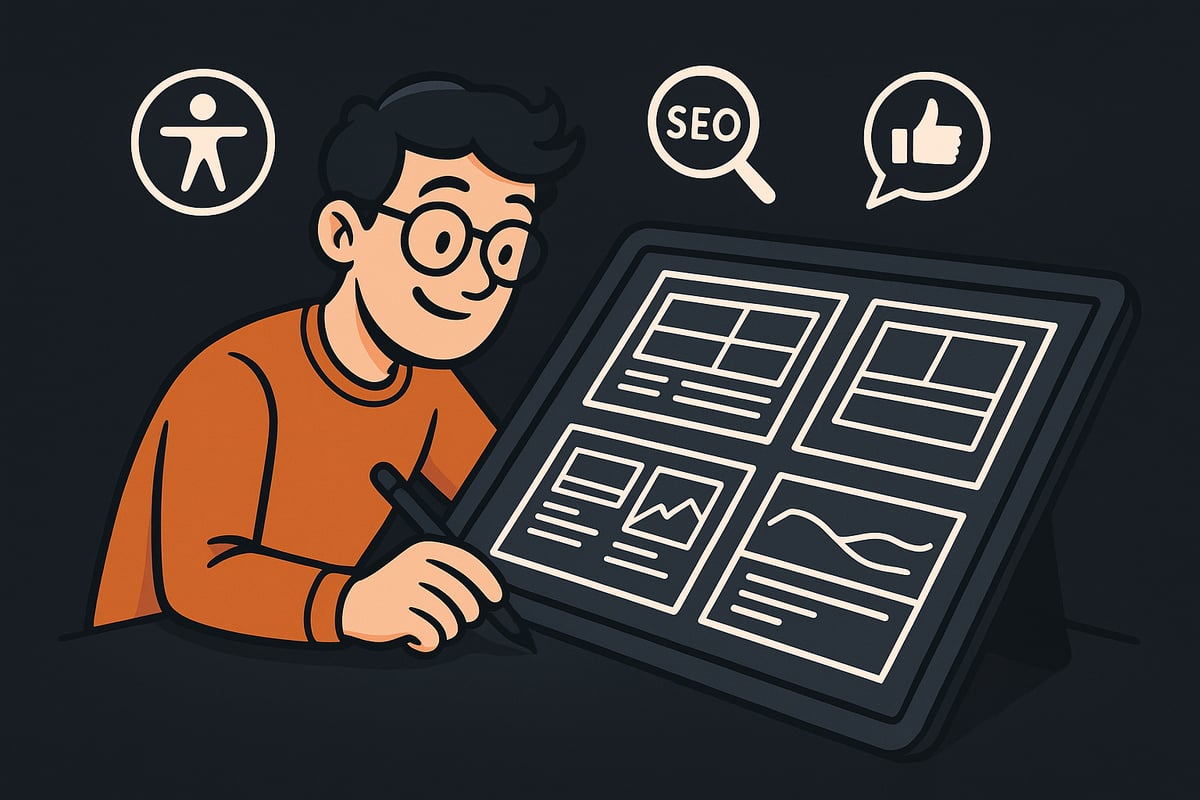
Traditional layouts web, such as single-column, F-pattern, and Z-pattern structures, once dominated digital design. However, these approaches often limit storytelling and engagement. As technology evolves, both designers and users expect more dynamic and expressive layouts web. Modern design tools and frameworks empower creatives to experiment with structure, moving beyond rigid templates and into the realm of bold, memorable compositions.
Enhancing User Experience and Engagement
Innovative layouts web do more than look impressive—they guide visitors, highlight priorities, and encourage exploration. A well-designed interface can double session durations and reduce bounce rates. For example, brands that invest in interactive, user-centric layouts web frequently see noticeable improvements in engagement metrics. According to Impact of Web Design on User Engagement, 94% of first impressions are shaped by a site's design, underscoring the crucial link between layout and user perception.
Adapting to Devices and Accessibility Needs
Responsive layouts web must adapt seamlessly across desktops, tablets, and smartphones. Designers face the challenge of maintaining visual impact without sacrificing usability. Accessibility is equally vital—layouts web should support keyboard navigation, screen readers, and high-contrast modes. Applying Gestalt principles and the rule of thirds helps create layouts that balance creativity with clarity, ensuring every visitor enjoys a smooth experience.
SEO and Performance Implications
The structure of layouts web directly impacts page speed, crawlability, and search rankings. Well-organised content, semantic HTML, and logical hierarchy make it easier for search engines to index your site. Fast-loading layouts web also improve user satisfaction, reducing abandonment rates. Performance optimisation and accessibility must go hand in hand for modern web projects.
Trends Influencing Layout Innovation
Emerging technologies continue to reshape layouts web. Artificial intelligence enables personalised content and adaptive structures. Augmented and virtual reality, along with interactive media, inspire inventive layouts web that immerse users in unique experiences. The drive towards dynamic, personalised layouts web is set to define the future of digital design.
Designer and Business Benefits
Embracing innovative layouts web offers significant advantages. Brands become more memorable, standing out in crowded markets. Creative layouts web can lead to higher conversion rates, improved ROI, and a stronger competitive edge. For designers, pushing the boundaries of layout fosters professional growth and keeps portfolios relevant in a rapidly evolving industry.
7 Innovative Layouts Web Designers Should Try in 2026
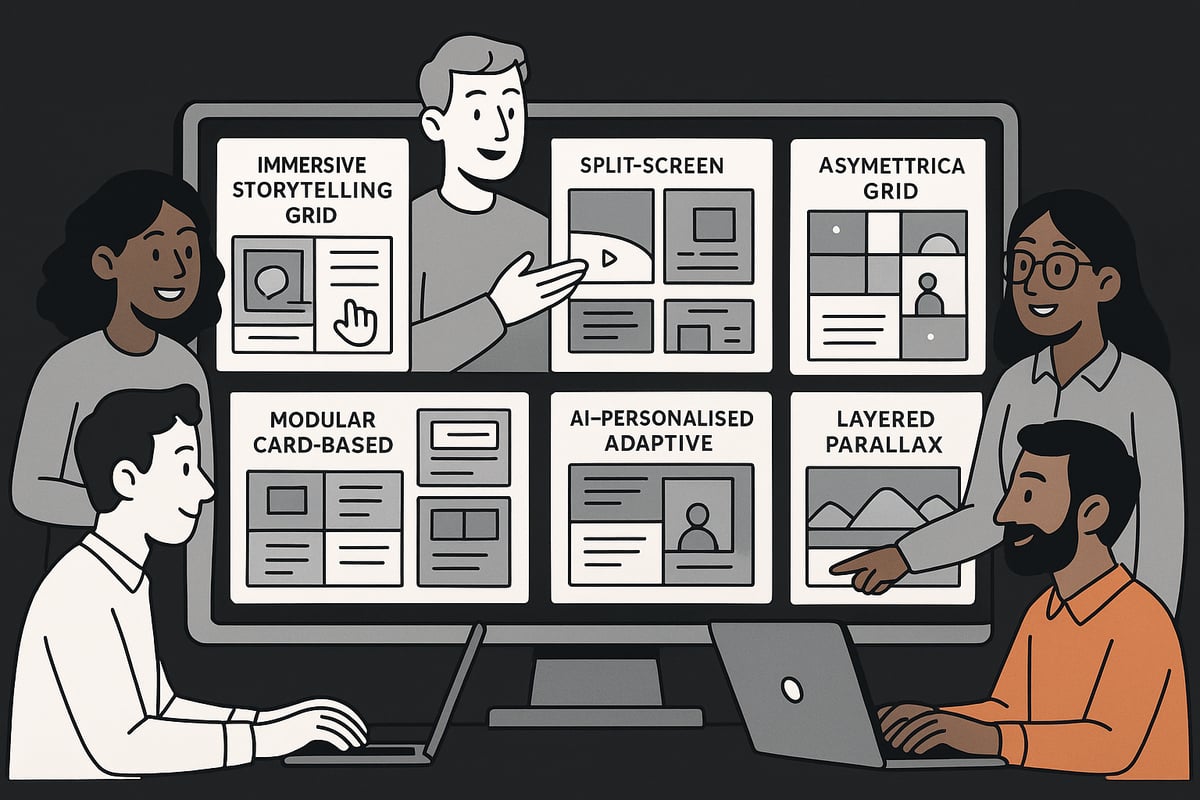
Web design is rapidly evolving, and in 2026, layouts web professionals choose will define the user experience. To help you stay ahead, here are seven innovative layouts web designers should explore. Each offers a unique approach to storytelling, engagement, and conversion, ensuring your projects stand out and deliver measurable results.
1. Immersive Storytelling Grid Layout
Immersive storytelling grids are transforming how layouts web professionals engage users. Unlike traditional linear scrolling, these grids allow users to explore content both horizontally and vertically. This multi-directional approach combines text, images, and interactive elements, weaving them into a cohesive narrative.
Brands benefit from this layout by encouraging users to interact and discover content at their own pace. Parallax effects, animated transitions, and clickable hotspots are common, making the journey memorable. For instance, portfolios and product launches often employ these grids to guide visitors through stages of a story or process.
Industry studies show that sites with interactive storytelling can double session durations, as users become engrossed in the experience. However, balancing creativity with usability is crucial. Too much complexity can overwhelm users, so designers must carefully consider navigation cues and accessibility.
Implementation is straightforward with CSS Grid and advanced JavaScript libraries. Ensuring mobile responsiveness is vital, as layouts web users expect seamless transitions across devices. Accessibility features, such as keyboard navigation and clear labelling, should be prioritised to ensure everyone can enjoy the narrative.
When planning this layout, focus on visual hierarchy and whitespace. These elements guide attention and prevent cognitive overload. By integrating storytelling grids, you bring brand stories to life and create a lasting impression.
2. Split-Screen Dynamic Layout
The split-screen dynamic layout divides the viewport into two or more interactive panels. This approach is ideal for showcasing dual products, services, or contrasting ideas within layouts web projects. Each panel can offer unique content or navigation paths, fostering exploration and comparison.
Agencies, SaaS platforms, and e-commerce brands frequently leverage this structure. For example, a split-screen can facilitate product comparisons or present bilingual options, giving users control over their experience. Independent scrolling and hover effects add depth, while synchronised animations keep the journey engaging.
Data from industry sources indicates that split-screen layouts can boost engagement by up to 30% for decision-based user journeys. However, accessibility must not be overlooked. Keyboard navigation, clear focus states, and logical tab orders are essential for inclusivity.
Responsive design is a core consideration. On smaller screens, panels should stack or collapse, maintaining usability without sacrificing content. Using CSS Grid and Flexbox simplifies development, allowing layouts web teams to adapt the structure efficiently.
To maximise impact, ensure each panel has a clear purpose. Use visual cues to guide users, and avoid clutter that could distract from key actions. This layout excels when clarity and comparison are central to the user journey.
3. Asymmetrical and Broken Grid Layout
Asymmetrical and broken grid layouts are gaining momentum among brands seeking a bold, unconventional identity. Instead of predictable symmetry, these layouts web designs intentionally misalign elements, creating visual tension and drawing attention to specific content.
This approach is especially effective for fashion and creative agencies. By breaking the grid, designers highlight featured products or projects, ensuring they stand out from the competition. The resulting look is modern and edgy, appealing to audiences who value innovation.
According to data, asymmetrical layouts can boost visual recall by around 20 percent. However, the risk lies in potential confusion. Without a clear navigation structure, users may struggle to find essential information. Maintaining readability and logical content flow is key.
Implementation typically involves CSS Grid or Flexbox, providing control over the "organised chaos." Designers should use whitespace and visual hierarchy to balance the composition. Accessibility should remain a priority, with clear headings and tab order.
Best practices include grouping related content and providing visual anchors. This ensures users can navigate confidently, even within a non-traditional framework. When executed thoughtfully, asymmetrical layouts web projects leave a memorable impression and reinforce brand personality.
4. Fullscreen Interactive Canvas Layout
The fullscreen interactive canvas layout transforms the entire viewport into a dynamic, immersive experience. It is ideal for landing pages, digital campaigns, and creative portfolios looking to make a bold statement. This layout often features video backgrounds, 3D elements, and scroll-triggered animations, captivating users from the first moment.
Brands frequently use this approach for event or product launches, creating cinematic intros that focus attention on key messages and calls to action. Industry data indicates fullscreen layouts can increase conversion rates by keeping users engaged and minimising distractions.
Performance is a critical factor. Optimising assets ensures fast loading and smooth animation, which is essential for retaining visitors. Accessibility must also be addressed, providing alternative navigation and content for screen readers.
The technical stack for this layout includes WebGL, Three.js, and modern CSS. These tools enable complex visuals and interactivity without sacrificing performance. For further inspiration on how immersive and interactive elements are shaping layouts web trends, see Immersive 3D and Interactive Elements in Web Design.
A table can summarise key considerations:
| Feature | Benefit | Consideration |
|---|---|---|
| Immersive visuals | User engagement | Performance optimisation |
| Fullscreen CTAs | Higher conversions | Accessibility |
| Animated transitions | Memorable journey | Responsive design |
By leveraging fullscreen canvas layouts web designers can deliver unforgettable digital experiences that drive results.
5. Modular Card-Based Layout with Micro-Interactions
The modular card-based layout organises content into flexible, stackable cards. This structure is highly adaptable, making it a favourite for dashboards, blogs, e-commerce, and portfolios. Each card can contain text, images, video, or interactive elements, allowing layouts web professionals to personalise the experience.
Micro-interactions—such as hover effects, clicks, or drag-and-drop—add subtle feedback, enhancing user engagement. AI-driven recommendations can dynamically surface relevant cards, tailoring the journey to individual preferences.
News and e-commerce sites often use card layouts for product listings, improving scanability and mobile usability. Studies from MDN and Wix confirm that card-based layouts enhance navigation and boost time on site.
Implementation relies on CSS Grid or Flexbox for responsive stacking, while ARIA roles ensure accessibility. Progressive loading keeps performance high, especially as content grows.
Accessibility is paramount. All interactions must be keyboard and screen reader friendly, ensuring inclusivity. By focusing on modularity and interaction, layouts web designers can create engaging, future-proof interfaces that adapt to evolving user needs.
6. AI-Personalised Adaptive Layout
AI-personalised adaptive layouts are the future of layouts web design. These structures dynamically change based on user behaviour, preferences, or real-time data, delivering a bespoke experience for each visitor.
E-commerce sites are leading the way, using AI to rearrange product recommendations and layout blocks based on user activity. Industry benchmarks suggest that personalised layouts can increase engagement and sales by 25 to 50 percent.
Implementation involves integrating user analytics, AI or ML frameworks, and dynamic content APIs. Transparency is crucial: inform users about data usage and provide control over personalisation settings.
A key challenge is balancing personalisation with brand consistency. While adapting to user needs, maintain a coherent visual identity throughout the site. Accessibility remains essential, with predictable navigation and logical content flow.
By adopting AI-personalised adaptive layouts web teams can deliver relevant content that resonates with individuals, driving loyalty and conversion.
7. Layered Parallax and Depth Layout
Layered parallax and depth layouts bring visual storytelling to life. Multiple content layers move at different speeds as users scroll, creating a sense of depth and immersion. This technique is popular for landing pages, product showcases, and creative studio sites.
The movement guides attention and adds excitement, often resulting in up to 40 percent longer time on page, as industry studies indicate. Layouts web designers can use CSS and JavaScript to achieve these effects, but performance optimisation is essential to avoid lag.
Overuse of parallax can lead to distraction or motion sickness for sensitive users. Always provide a reduced motion option in settings, ensuring accessibility for all. Whitespace and visual hierarchy help maintain balance and prevent cognitive overload.
Implementation tips include layering content strategically and testing across devices. By using layered parallax and depth layouts web projects can achieve a "wow" factor that elevates brand perception and user engagement.
How to Choose the Right Layout for Your Project
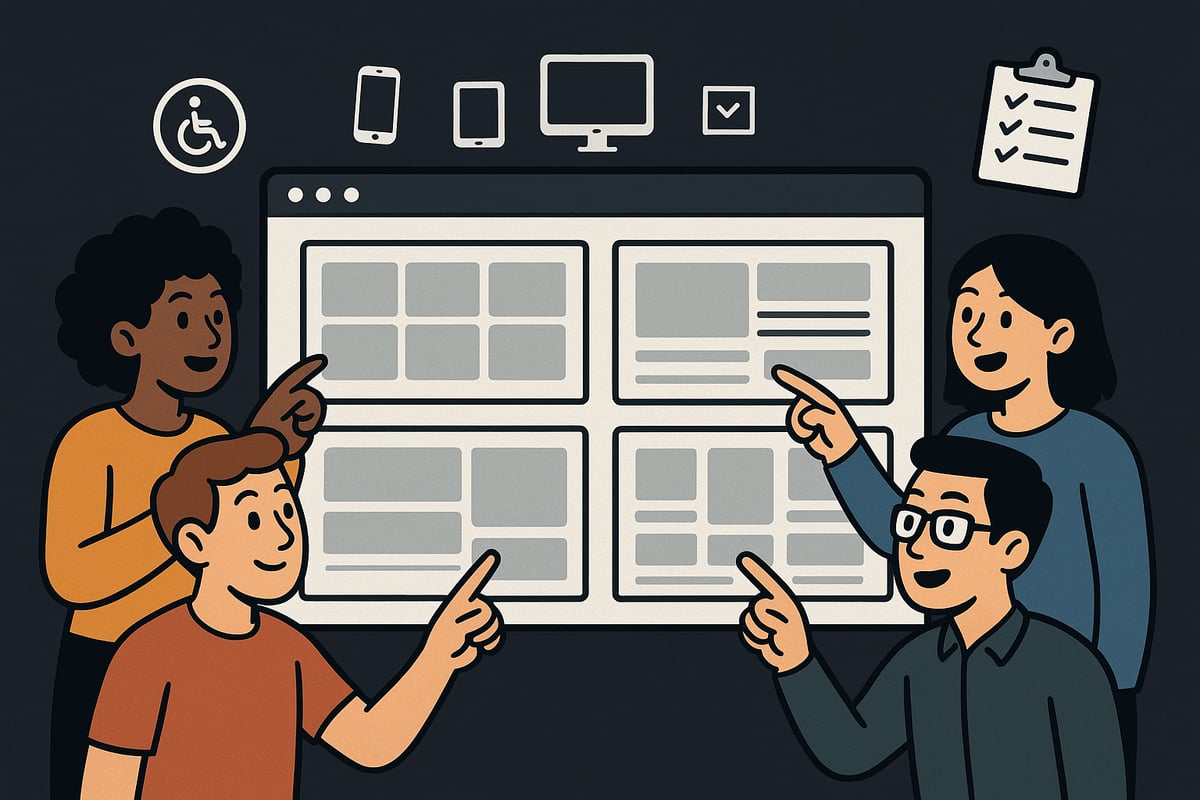
Selecting the right layouts web designers use can define the entire user experience. The right decision balances content, brand identity, and technology, while also supporting accessibility and future growth. Here is a step-by-step guide to help you navigate the process.
Assessing Content and Brand Goals
Start by analysing your content structure and the story you want to tell. Certain layouts web designers use work better for image-heavy portfolios, while others suit text-rich corporate sites. Consider the brand's personality and audience expectations. For a comprehensive approach to content structuring and layout, explore the definitive content for website design guide.
User Journey and Conversion Focus
Map out the user journey before choosing any layouts web structure. Identify primary actions, such as calls-to-action, and ensure your layout guides users clearly towards these goals. Visual hierarchy and strategic CTA placement can have a direct impact on conversions.
- Highlight key touchpoints in the user journey
- Align layout flow with conversion objectives
- Use clear navigation for seamless progression
Technical and Resource Considerations
Evaluate your team's skills and the technology stack available for layouts web projects. Advanced options like AI-driven or 3D layouts may require additional expertise or resources. Always factor in your project budget and timeline to ensure the chosen layout is feasible for your situation.
Testing and Iteration
After implementing a new layout, prioritise usability testing and A/B experiments. Gather real user feedback and study analytics to understand what works best. Iterate and refine layouts web designs based on engagement, bounce rates, and conversion data.
Accessibility and Inclusivity
Ensure every layout is accessible to all users, regardless of device or ability. Follow WCAG standards and use semantic HTML. For inspiration on making mobile-first and adaptive layouts web accessible, refer to mobile website layout inspiration. Consider users with different devices and abilities at every stage.
Staying Current with Trends
Keep your layouts web approach fresh by monitoring design trends and user feedback. Balance innovative features with long-term usability. Regularly review competitor sites and leading resources to spot emerging best practices and avoid stagnation.
Best Practices for Implementing Innovative Layouts
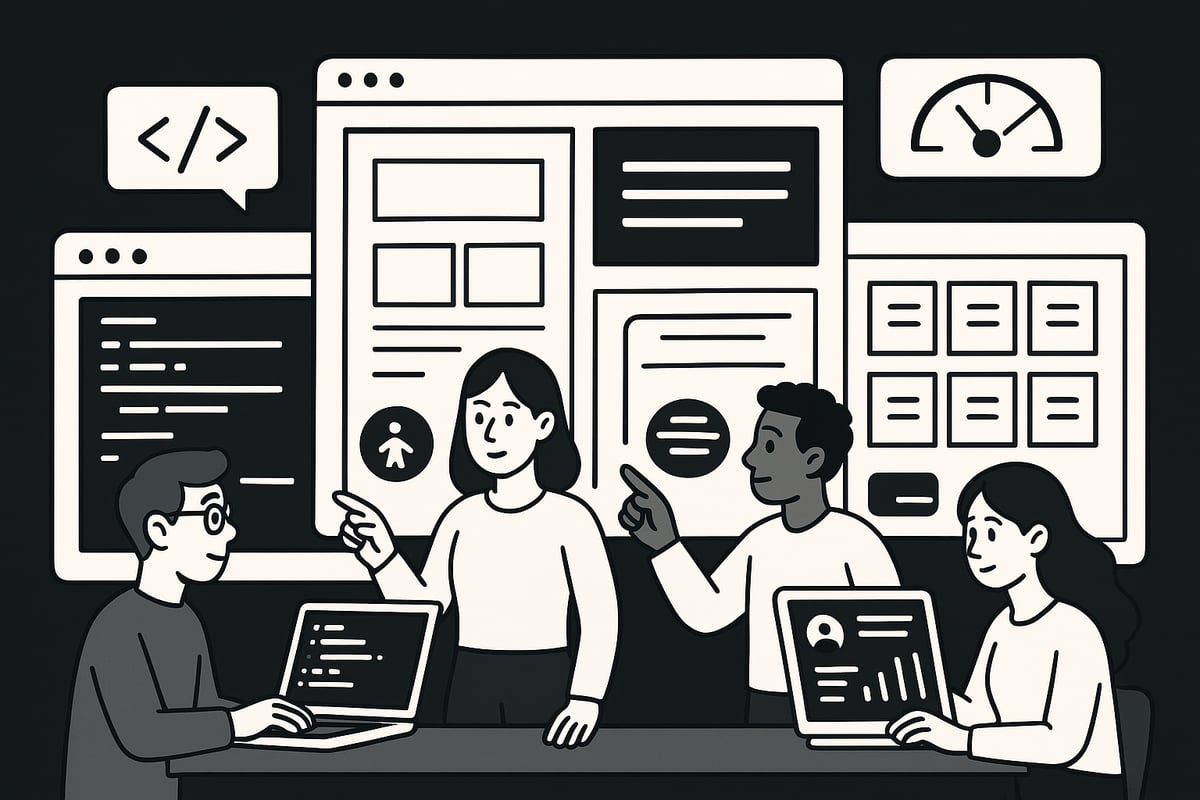
Innovative layouts web require a disciplined approach to ensure creativity does not compromise function. Following best practices helps designers build layouts web that are visually striking and effective across devices. Below are six essential strategies for implementing next-level layouts web in 2026.
Prioritising Usability and Accessibility
Start every layouts web project with a clear information architecture. Organise content so users can find what they need quickly. Use semantic HTML and ARIA attributes to support assistive technologies, ensuring everyone can access your site.
Maintain strong readability with high-contrast text and intuitive navigation. For further guidance, see Expert web design strategies 2025 for insights on accessibility and structure.
Optimising for Performance and SEO
Fast-loading layouts web keep users engaged. Minimise image and animation sizes, use modern formats, and enable lazy loading for below-the-fold content. Leverage structured data and logical content hierarchy to help search engines understand your site.
Semantic HTML ensures your layouts web are crawlable and accessible, which can boost rankings and visibility.
Responsive and Adaptive Design
Test layouts web across a range of breakpoints and device types. Use fluid grids, flexible images, and CSS media queries to adapt content smoothly. Prioritise touch-friendly targets and clear tap areas for mobile users.
Responsive layouts web ensure a seamless experience whether viewed on desktop, tablet, or mobile.
Leveraging Modern Tools and Frameworks
Utilise CSS Grid, Flexbox, and leading JavaScript libraries for advanced layouts web. Tools like Figma and Webflow speed up prototyping and collaboration. No-code and low-code platforms can help teams iterate quickly and bring layouts web to life without extensive coding.
Continuous Improvement
Launch is just the start for innovative layouts web. Collect analytics and user feedback to identify areas for improvement. Conduct usability tests and A B experiments to fine-tune navigation, content placement, and performance.
Iterate layouts web regularly to stay ahead of user needs and trends.
Real-World Examples
Study brands that succeed with creative layouts web. Observe how they balance innovation with usability and avoid overloading users. Learn from their lessons and common pitfalls, applying insights to your own projects.
Continuous learning ensures layouts web remain effective and relevant in a rapidly evolving landscape.