
Deliver Design Guide: Expert Strategies for 2026 Success
In 2026, deliver design will define the difference between digital success and stagnation. The digital landscape is more competitive and fast-paced than ever before, making the way teams deliver design a critical factor for any business aiming to thrive.
Effective deliver design strategies are now essential for unlocking collaboration, driving efficiency, and powering business growth. Teams that master this process achieve clarity, speed, and lasting impact across their projects.
Ready to transform your approach? This guide reveals proven, expert-backed methods to streamline deliver design, enhance cross-functional collaboration, and future-proof your digital products. Explore the evolution of design delivery, learn to build high-impact workflows, leverage automation, scale with design systems, and adopt inclusive collaboration best practices.
The Evolution of Design Delivery: Why 2026 Demands More
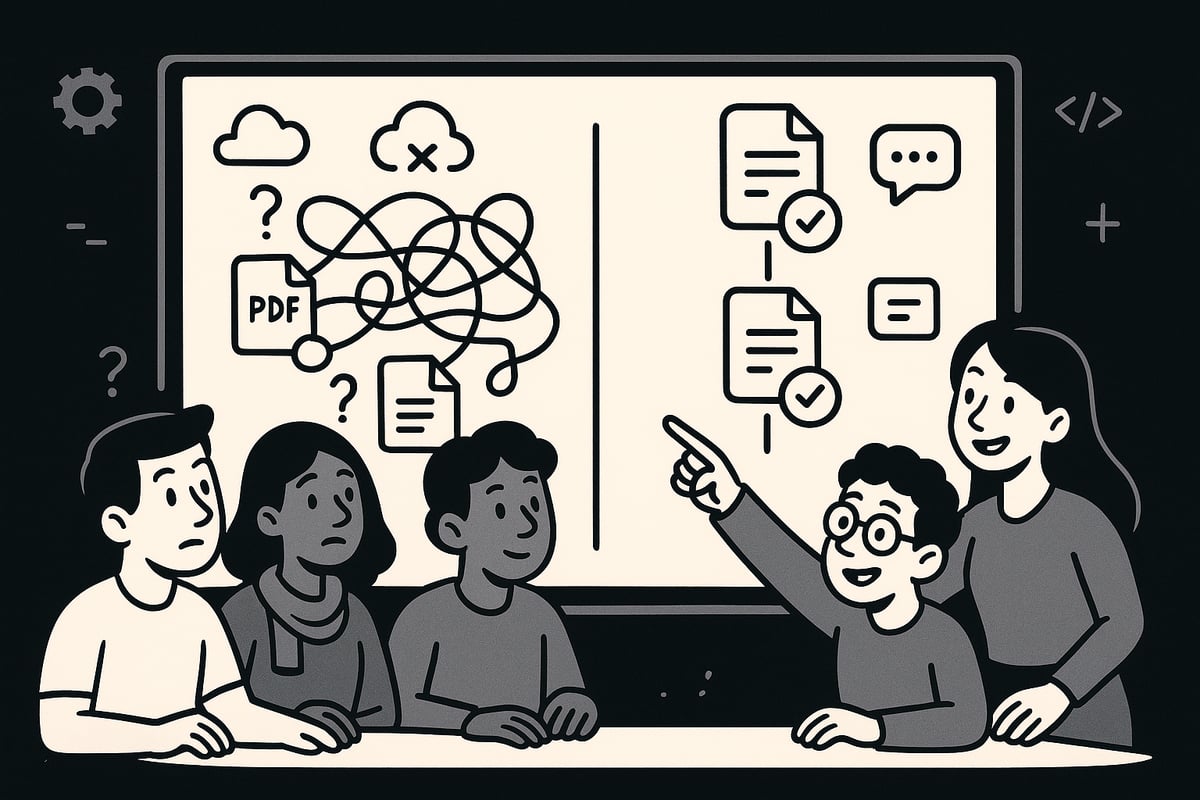
The story of deliver design has always been one of adaptation. Not long ago, design delivery meant static files handed off to a developer, often with little explanation or context. Teams would pass around PDFs and folders, hoping nothing was lost in translation. Yet, as digital products became more complex, this fragile system began to show its cracks.
Today, the stakes are much higher. Product teams are bigger, more distributed, and work at a faster pace. According to Zeplin, the rise of global teams and the need to ship faster have made deliver design a critical differentiator. The old methods—relying on annotated specs or endless email threads—simply cannot keep up.
The shift from specs to intention is at the heart of modern deliver design. Where teams once focused on detailing every pixel and padding, now the emphasis is on communicating the why behind a design. Developers, testers, and product managers need more than technical instructions. They need clarity on intention, interaction, and user experience goals. This evolution is not just a technical change, but a cultural one.
Bridging the gap between design creation and development remains a core challenge. Designers imagine infinite possibilities, while developers must work within the boundaries of technology and timelines. This tension often leads to confusion, missed expectations, and scope creep. In fact, studies show that up to 20 percent of project time can be lost due to miscommunication during handoffs.
Consider the chaos of version control. Without a structured deliver design process, teams can find themselves buried in outdated files, conflicting feedback, and manual documentation. Endless feedback loops arise when it is unclear which version is final. Developers may work on features that have already changed, while stakeholders chase updates across tools and channels.
Let us compare traditional and modern deliver design approaches:
| Aspect | Traditional Handoff | Modern Deliver Design |
|---|---|---|
| File Format | Static PDFs, folders | Cloud-based, live documents |
| Communication | One-way, annotated specs | Multidirectional, real-time |
| Version Control | Manual, error-prone | Automated, visible history |
| Collaboration | Designers and developers | Multidisciplinary teams |
| Feedback | Email, chat, meetings | Centralised, threaded |
By 2026, successful teams will treat deliver design as a distinct, strategic phase. It is no longer enough to throw designs over the wall and hope for the best. Instead, teams must build workflows that clarify intention, lock versions, and streamline feedback. This approach reduces wasted time, eliminates confusion, and boosts overall efficiency.
Empathy is now required not only for end users, but also for the multidisciplinary teams involved in deliver design. Designers, developers, product managers, QAs, and marketers all bring unique perspectives and needs. Creating a process that respects and supports each role is the foundation for digital success.
The evolution of deliver design continues. As highlighted in Design Trends 2026: An Expert's Take on What's Next, the future will be shaped by AI, automation, and new forms of collaboration. Teams that embrace these changes—while keeping clarity and empathy at the core—will set the pace for innovation in the years ahead.
Building a High-Impact Deliver Design Workflow
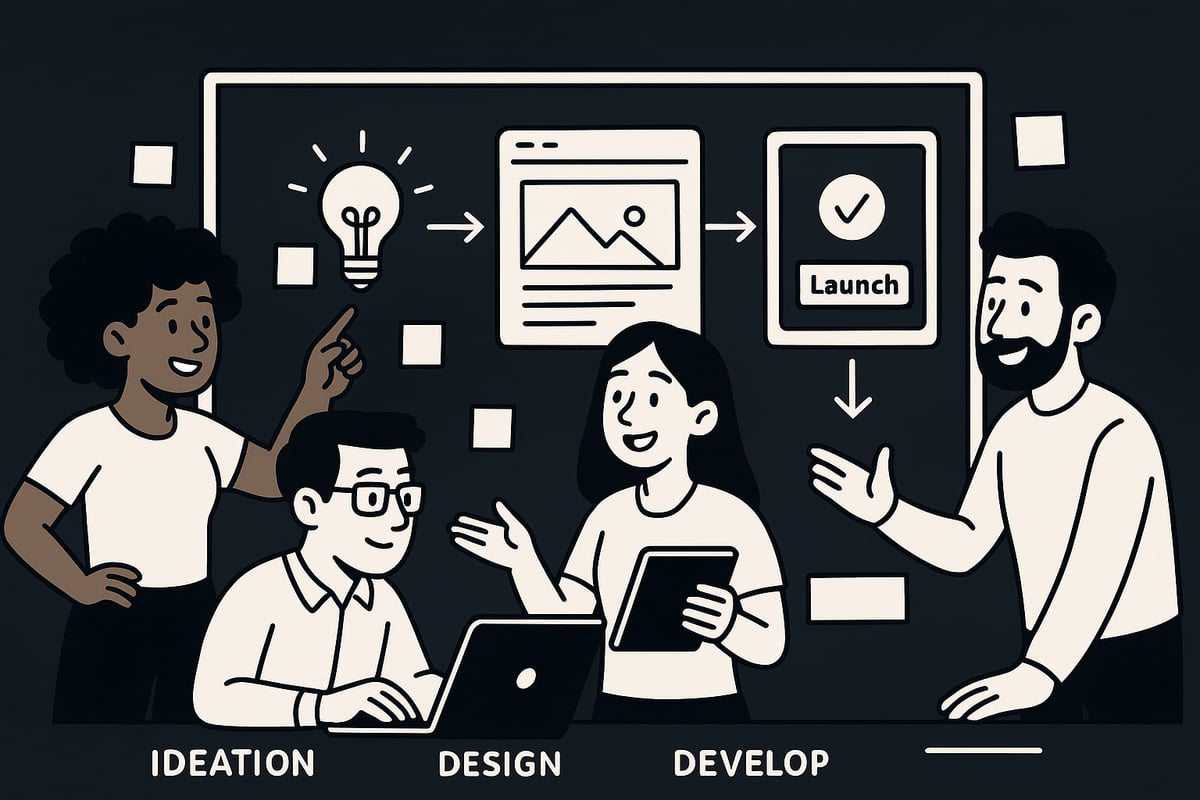
In 2026, a high-impact deliver design workflow is the backbone of digital product success. With increasing complexity and distributed teams, businesses must rethink how design moves from concept to code. A strong workflow bridges creative vision and technical execution, reduces friction, and ensures your team delivers design that is clear, consistent, and developer-ready.
Modern deliver design is no longer about static handoffs. It is about intentional communication, structured processes, and smart tools. Let’s break down the workflow into actionable steps that drive clarity, speed, and alignment for every stakeholder.
Step 1: Clarifying Design Intention
Clarifying design intention is the foundation of an effective deliver design process. Instead of drowning in technical specifications, teams must focus on the 'why' behind each design decision. Design intention documents the purpose, expected interactions, and user outcomes for every component.
To achieve this, use structured templates that capture the rationale and context of your designs. Annotated mockups and usage guidelines help non-designers understand not just what to build, but why it matters. Tools like Figma and Zeplin offer features for adding comments and context, but dedicated intention documentation can go further.
For example, many teams now use “locked” designs. These are clearly marked as final, with rationale and usage notes, preventing last-minute changes and scope creep. This clarity ensures the deliver design phase translates creative vision into actionable requirements for developers.
- Document design rationale alongside visuals.
- Use annotation layers for expected behaviours.
- Mark versions as “locked” with clear intent before handoff.
A workflow that prioritises intention over specs reduces confusion and accelerates delivery. By making intention explicit, you build trust across disciplines and ensure the deliver design process is truly collaborative.
Step 2: Version Control and Finalisation
Version control is a critical safeguard in the deliver design journey. Without it, teams risk confusion, duplicated effort, and costly mistakes. Endless chat threads and uncontrolled iterations can derail even the best projects.
Adopt best practices such as automated version tracking and changelogs. Use tools that clearly show what has changed, when, and why. Implement a sign-off process so everyone knows which design is the final source of truth.
Consider the difference between old-school “redlining” on static PDFs and today’s digital documentation. Modern platforms allow for real-time updates, centralised feedback, and instant visibility into the current state of deliver design assets.
| Traditional Handoffs | Modern Version Control |
|---|---|
| Multiple PDF versions | Centralised version history |
| Manual redlines | Automated change tracking |
| Confusing email threads | Clear sign-off workflows |
By locking final versions and maintaining a transparent changelog, your deliver design workflow eliminates the dreaded “is this the final version?” loop. This discipline ensures developers always build from the correct source and reduces rework.
Step 3: Streamlining Feedback and Handoffs
Efficient feedback and seamless handoffs are the final pillars of a high-impact deliver design workflow. Unstructured feedback leads to delays, miscommunication, and frustration for both designers and developers.
Structure your feedback loops with scheduled reviews, clear annotation, and defined stakeholder roles. Collaborative platforms let you centralise comments, track resolutions, and prevent feedback from getting lost in endless email chains.
Developers need locked assets, precise requirements, and contextual information to translate deliver design into code. Avoid static PDFs or open design files that invite confusion. Instead, provide annotated prototypes, asset libraries, and clear documentation.
For step-by-step guidance on setting up a robust site design delivery process, see the Building site design workflows guide, which details how to structure reviews and track feedback efficiently.
- Schedule feedback sessions with clear agendas.
- Use threaded comments for actionable, trackable responses.
- Ensure all assets and requirements are finalised before handoff.
By treating design creation and deliver design as separate, structured phases, you create a workflow that is repeatable, scalable, and ready for the demands of 2026.
Inclusive Collaboration: Uniting Multidisciplinary Teams
Successful deliver design is no longer the sole domain of designers and developers. In 2026, digital products are shaped by multidisciplinary teams—product managers, QAs, marketers, and executives all play a pivotal role. Yet, these diverse groups often find themselves lost in a maze of unfamiliar tools and fragmented workflows.
The challenge? Making deliver design accessible, transparent, and actionable for everyone involved. As teams grow more complex, inclusive collaboration is not just an aspiration, it is a competitive advantage. To unlock the full potential of your deliver design process, you must bridge these gaps and build collaboration spaces that welcome every discipline.

Overcoming Collaboration Barriers
Despite advances in design technology, many non-designers still encounter significant obstacles when participating in deliver design. Tools like Figma and Adobe XD, while powerful, can overwhelm those without a design background. The result is often confusion, delays, and a “wall of screens” effect, where critical stakeholders struggle to locate the information they need.
Common pain points include:
- Navigating complex design tools intended for specialists
- Lack of design literacy, leading to misinterpretation of intent
- Unclear structure, making it difficult to find relevant assets or feedback threads
Anecdotes from enterprise teams reveal that hours are lost each week on unnecessary training, repeated explanations, and manual exports. For instance, exporting designs to PDFs or inviting stakeholders directly into design tools rarely solves the problem. Instead, it introduces new layers of miscommunication and versioning chaos.
To overcome these barriers, organisations are shifting towards role-based access and tailored views. This means providing each team member with the precise information and tools they need—no more, no less. Intuitive navigation, clear documentation, and structured feedback channels are essential.
Best practices for onboarding non-designers into the delivery process include:
- Creating simple, role-specific dashboards summarising key deliver design elements
- Using visual guides and tooltips that explain context without overwhelming detail
- Establishing a separation between tools for design creation and those for design delivery
By making deliver design truly inclusive, teams reduce friction, speed up decision-making, and ensure that every voice is heard.
Structuring for Cross-Functional Feedback
Once collaboration barriers are addressed, the next challenge is structuring feedback in a way that is both efficient and actionable. Diverse teams bring a wealth of perspectives, but without a clear system, feedback can quickly spiral into confusion.
Leading teams now rely on collaborative platforms that centralise feedback, categorise comments by discipline, and track changes over time. Threaded comments and change logs help maintain context, so design intention is never lost. For example, Bombas improved alignment by implementing structured deliver design workflows, reducing review cycles and minimising miscommunications.
Here is a table summarising metrics to measure collaboration effectiveness:
| Metric | Baseline | Target for 2026 |
|---|---|---|
| Average review cycle time | 5 days | 2 days |
| Number of miscommunications | 12/month | 3/month |
| Stakeholder satisfaction | 68% | 90%+ |
To further strengthen cross-functional feedback:
- Categorise feedback by team role (development, QA, marketing, etc.)
- Use automated notifications to ensure no comment is missed
- Maintain a single source of truth for all deliver design assets and discussions
Inclusive collaboration is not just about access, but about clarity and structure. By applying these strategies and drawing on insights from digital branding and collaboration, your team can transform deliver design from a bottleneck into a growth engine.
Effective deliver design depends on the ability to unite multidisciplinary teams, streamline communication, and empower every contributor. The result is higher quality products, faster launches, and a culture of continuous improvement.
Automation & Scaling: Leveraging Design Systems for Growth
In 2026, automation and scaling are fundamental to every organisation aiming to deliver design efficiently. As digital products grow in complexity, design teams must streamline routine tasks and asset management to stay competitive. Automation is no longer a luxury, it is a necessity.
Design systems have evolved from static documentation to integrated frameworks, enabling teams to deliver design at scale with consistency and speed. According to recent design systems and automation trends, companies investing in robust automation see faster handoffs, reduced errors, and improved collaboration.
By focusing on automation and the power to deliver design across teams, businesses unlock growth, consistency, and innovation.
Connecting Design Systems to Code and Teams
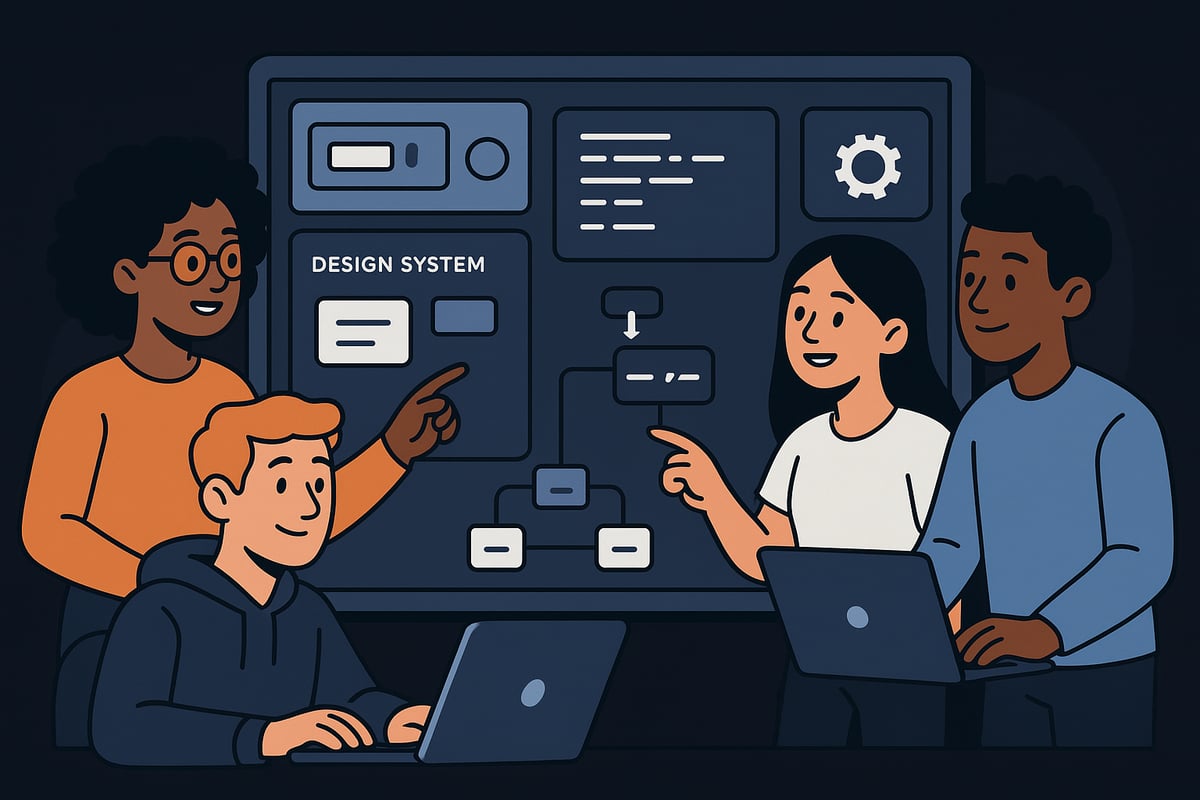
The biggest challenge in deliver design is bridging the gap between design and development. Design systems must be actionable, not just reference material. Modern teams rely on tools that link design components directly to code repositories, allowing developers to access up-to-date assets and guidelines.
Roles such as the Design System Engineer have emerged, serving as vital connectors between creative and technical disciplines. These professionals ensure that design tokens, components, and patterns remain in sync with production code. Solutions like Storybook and Zeplin help surface reusable components in daily developer workflows, reducing redundancy and confusion.
A well-integrated deliver design system fosters collaboration across designers, developers, product managers, and testers. Metrics such as increased adoption rates, reduced redundant work, and faster onboarding demonstrate the tangible value of connecting design systems to every team.
For teams scaling globally, visibility and version control are critical. When all contributors have access to the same source of truth, miscommunication drops and deliver design becomes a shared responsibility. By investing in the right platforms and processes, organisations future-proof their ability to deliver design at scale.
Automating Documentation & Asset Management
Manual documentation and asset management often slow down deliver design, causing delays and errors. Automation solves this by generating up-to-date documentation, exporting assets, and updating style guides in real time. AI-powered tools now handle repetitive tasks, freeing teams to focus on creativity and problem-solving.
Best practices include automated changelogs, asset exports, and synchronised updates across platforms. This approach speeds up onboarding for new team members and minimises the risk of outdated or missing information. Companies that automate these processes report fewer errors and greater scalability.
To implement automation effectively, start by auditing current workflows and identifying bottlenecks. Introduce platforms that integrate seamlessly with your design system, and ensure all stakeholders are trained in their use. For a comprehensive overview of strategies to develop and deliver design, consult this expert design strategy guide.
Ultimately, automation empowers your team to deliver design with precision, consistency, and confidence, positioning your products for sustainable growth.
Future-Proofing Deliver Design: Preparing for What’s Next
As we look towards 2026, future-proofing deliver design becomes a strategic imperative for digital teams. The landscape is shifting rapidly, shaped by the rise of AI, expanding remote work, and the evolution of global teams. Deliver design must now adapt to continuous deployment cycles and ever-increasing user expectations.
To stay competitive, organisations must anticipate change, embed empathy across teams, and invest in robust workflows. According to the Design Forecast 2026 by Gensler, the next era of design will reward those who approach deliver design as a living function, not a static process.
Building a Culture of Design Delivery Excellence
Embedding a culture of deliver design excellence starts with leadership. Leaders must set clear expectations, model collaborative behaviours, and promote an environment where every team member’s input is valued. In 2026, the most successful teams will foster empathy not only for users but also for colleagues from various disciplines involved in deliver design.
Empathy-driven practices encourage transparency. For example, regular cross-functional check-ins and open feedback channels ensure that everyone understands project goals and design intentions. Structured onboarding and knowledge-sharing sessions help new team members grasp deliver design workflows quickly, reducing friction and confusion.
To reinforce this culture, leading brands are creating dedicated roles, such as Design System Engineers, to bridge gaps between design and development. These roles champion best practices, maintain documentation, and ensure the deliver design process remains accessible.
A culture of excellence is also about recognising achievements. Teams that celebrate milestones and share lessons learned are more resilient and adaptable. Ultimately, when empathy and clarity are at the core, deliver design not only improves user outcomes but also boosts team morale and retention.
Adapting to Change: Continuous Learning and Innovation
Continuous learning is vital to keep deliver design relevant as the digital environment evolves. Teams should regularly review their processes, seeking feedback from all stakeholders and adapting workflows based on real-world results. This iterative approach transforms deliver design from a fixed routine into an engine for ongoing improvement.
Innovation is accelerating, with AI and automation now integral to deliver design. From predictive analytics that forecast bottlenecks, to automated QA tools that catch errors early, technology is reshaping how teams work. According to the Future of Enterprise Digital Experiences: 5 Trends for 2026, integrating AI can streamline routine tasks and provide actionable insights, allowing teams to focus on creative problem-solving.
Encouraging experimentation also supports a culture of growth. Leading organisations pilot new tools, test emerging platforms, and embrace change. By making space for innovation, teams ensure their deliver design process is never static, but always evolving in step with industry advancements.
Measuring Success and ROI
Tracking the impact of deliver design is essential for demonstrating value and driving improvement. Key performance indicators should be defined and monitored consistently. Typical metrics include:
| Metric | Why It Matters |
|---|---|
| Delivery Speed | Faster releases, market agility |
| Error Rates | Higher quality, fewer rollbacks |
| Stakeholder Satisfaction | Better alignment, less friction |
| Business Impact | Direct contribution to growth |
Gathering feedback from all stakeholders helps identify pain points and opportunities. Regular surveys, post-launch reviews, and analytics dashboards provide data for informed decisions.
Demonstrating ROI is crucial for executive buy-in. For example, showing how streamlined deliver design reduces time-to-market and increases product quality builds a compelling case for continued investment in tools and training.
By measuring what matters, teams make deliver design a catalyst for both operational excellence and business success.