
Clutch Design Guide: Expert Tips and Trends for 2025
The clutch bag is no longer just an accessory in 2025, it stands as a bold statement of innovation, luxury, and individual style. This year, clutch design takes centre stage, reflecting not only fashion trends but also the evolving values and aspirations of modern consumers.
In this comprehensive guide, you will discover expert insights and the latest developments shaping clutch design. Whether you are a designer, a brand leader, or a fashion enthusiast, these future-focused strategies and inspirations will help you stay ahead of the curve.
From material innovation and silhouette evolution to technology integration, sustainability, and design expertise, this guide empowers you to make informed decisions and elevate your approach to clutch design.
The Evolution of Clutch Design: Past to Present
The story of clutch design is a rich tapestry, woven through decades of evolving fashion sensibilities and cultural movements. From its earliest forms to the digital era, the clutch has transformed from a simple necessity to a symbol of style and ingenuity. Let us explore this journey, examining how clutch design has responded to history, innovation, and the ever-changing desires of fashion lovers.
Historical Overview of Clutch Bags
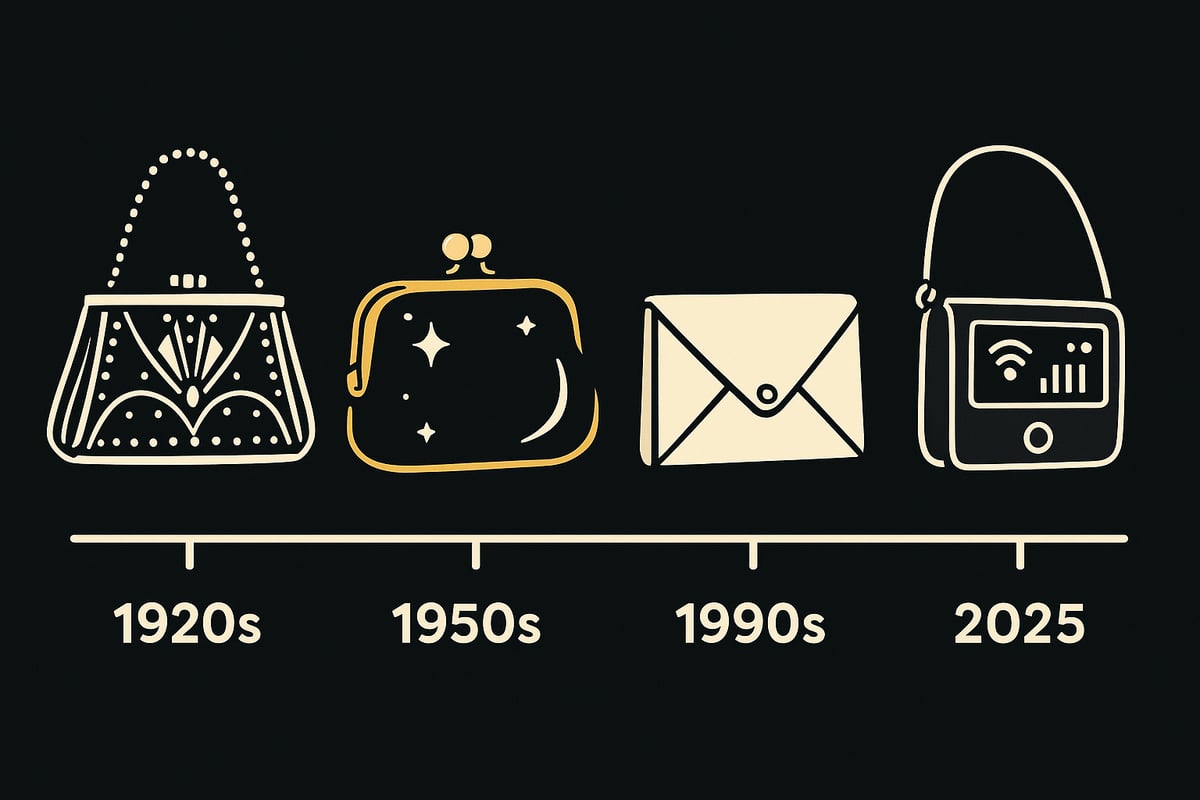
Clutch design traces its roots to the early 19th century, when small handheld purses became fashionable for evening events. These early clutches were practical, used to carry essentials discreetly. The 1920s ushered in Art Deco influences, giving rise to ornate, geometric clutches that mirrored the era's bold spirit. By the 1950s, Hollywood icons turned jewelled minaudières into luxury statements, as seen in Buccellati's one-of-a-kind jewelled evening bags draw on a rich design history. In the 1990s, minimalism took hold, favouring clean lines and understated elegance.
Throughout these decades, clutch design adapted to cultural shifts, from post-war optimism to the rise of celebrity culture. Designers like Chanel, Judith Leiber, and Bottega Veneta have each left a mark, transforming the clutch into a vessel for both personal style and artistic expression.
Clutch Design in the 21st Century
The 21st century saw clutch design propelled by the “it-bag” phenomenon, where celebrity endorsements and social media shaped consumer demand. Designers began exploring the duality between minimalism and maximalism, with some collections focusing on subtle elegance and others pushing boundaries with bold embellishments.
Innovative materials such as acrylics, metallics, and even smart textiles entered the scene, reflecting a desire for both novelty and functionality. Data from UK and global markets show a steady rise in clutch bag sales, particularly for brands like Selfridges, whose top-selling clutches balance classic appeal with modern twists.
Today, clutch design is defined by its ability to seamlessly blend traditional craftsmanship with cutting-edge trends, responding to the rapid pace of contemporary fashion.
What Defines the 2025 Clutch?
Looking ahead, the clutch design landscape of 2025 is marked by modularity, personalisation, and the integration of technology. Consumers are seeking clutches that offer versatility, adapting from day to night and suiting a range of occasions. Sustainability has become a non-negotiable, driving demand for eco-friendly materials and ethical production methods.
Gender-neutral and unisex clutch designs are gaining momentum, reflecting broader shifts towards inclusivity and fluidity in fashion. Digital innovation, including virtual styling and augmented reality, is reshaping how people select and engage with clutch design. Leading designers predict the next generation of clutches will prioritise both individuality and environmental responsibility, setting new standards for creativity.
Why Clutch Design Matters Now
Today, clutch design is more than an accessory—it is a powerful canvas for creativity and a key element of brand identity. The right clutch can complete an ensemble, elevate a look, and even serve as an investment piece or collectible. As trends in accessories continue to evolve, clutch design often influences the direction of bags and small leather goods more broadly.
For brands and designers, aligning clutch design with the values and aspirations of modern consumers is critical. Whether through innovative materials, sustainable practices, or unique storytelling, the clutch offers endless opportunities to make a statement in the world of fashion.
2025 Clutch Design Trends: What’s Hot and What’s Next
Clutch design is evolving at a rapid pace as we move into 2025. The intersection of innovation, sustainability, and personal expression is driving new directions in materials, forms, and features. Let us explore the leading trends that are shaping the future of clutch design.
Material Innovation: Beyond Leather and Satin
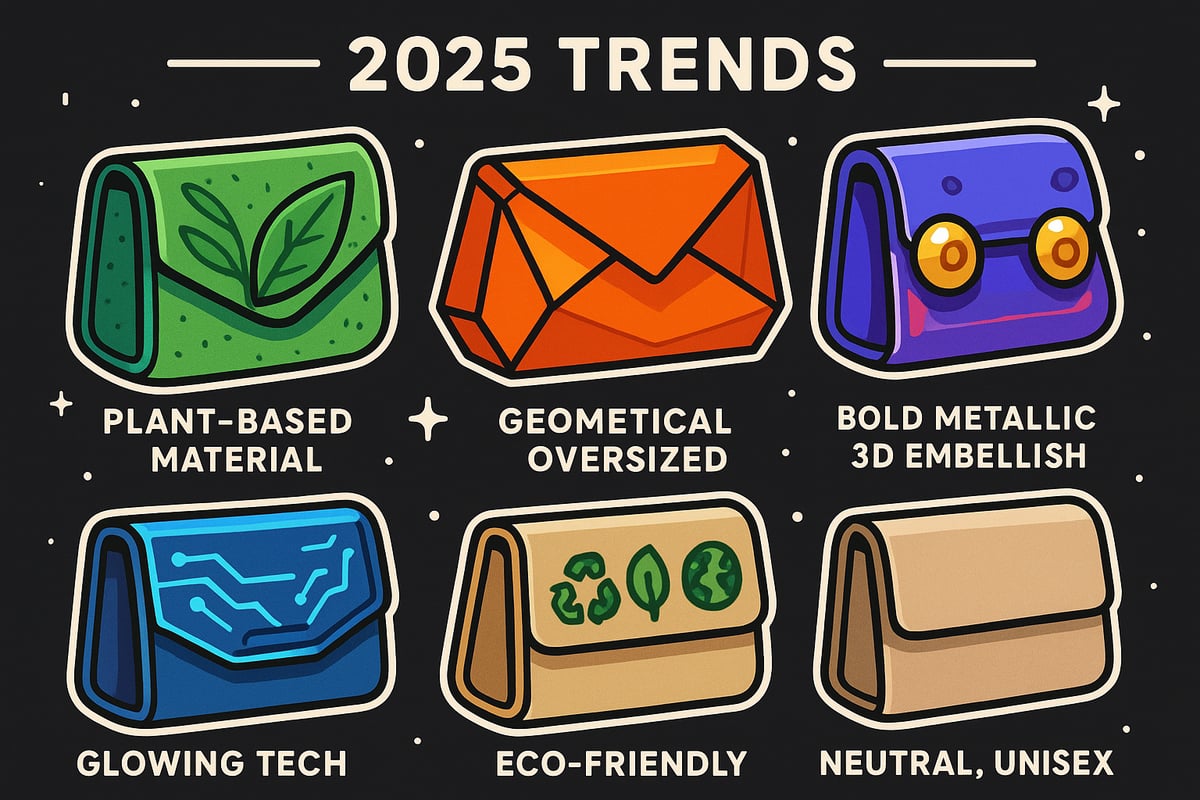
The landscape of clutch design is changing as designers experiment with materials that push boundaries. Vegan leather, recycled plastics, and plant-based textiles are gaining traction, with tactile surfaces and mixed-media composites adding visual intrigue.
Eco-consciousness is not just a trend, but a core value. Industry reports highlight a 40% increase in sustainable material use, underscoring the importance of responsible sourcing. Brands are leading the way by adopting materials like Bananatex and upcycled fabrics.
For a deeper dive into how alternative materials are redefining clutch design, see the latest 2025 Accessories Trends: Clutches, Belts, And Futuristic Sunglasses You Need To Know.
Silhouette & Structure: From Minimal to Maximal
Clutch design in 2025 is all about bold shapes and versatile forms. Designers are embracing geometric, oversized, micro, and sculptural clutches, while classic envelope and boxy styles are reimagined with unexpected twists.
The balance between soft and structured silhouettes is key. Runway collections in London and Paris showcase how distinct shapes can maximise both functionality and visual impact. The right silhouette not only enhances wearability, but also turns each clutch design into a statement.
Colour, Texture, and Embellishment
Colour and texture are taking centre stage in clutch design. Expect to see vibrant brights, metallics, and modern neutrals dominating the palette. Designers are exploring 3D florals, crystals, hardware, and digital prints to create unique embellishments.
Quilting, beading, and embossed finishes provide tactile interest, while data from e-commerce platforms shows a surge in searches for bold finishes. Customisation, such as monogramming, is also on the rise, reflecting consumers’ desire for a personal touch in clutch design.
Tech Meets Fashion: Smart and Functional Clutches
Technology is transforming clutch design from the inside out. Smart clutches now feature wireless charging, LED accents, and NFC tags, merging fashion with functionality. Security is also a priority, with RFID protection and tracking capabilities becoming standard.
Designers are collaborating with tech brands to create compartments designed for devices, meeting the needs of a connected audience. As demand for tech-enabled accessories grows, clutch design is evolving to seamlessly integrate digital innovation.
Sustainability & Ethical Design
Sustainability is at the core of clutch design in 2025. Circular principles guide the creation of modular, repairable, and recyclable clutches. Brands are prioritising transparent sourcing, with certifications like B Corp and Fair Trade gaining importance.
Upcycling and limited-edition sustainable releases are capturing attention, reflecting the values of eco-conscious consumers. Research shows that 60% of Gen Z shoppers now prioritise sustainability in accessories, making ethical clutch design a competitive advantage.
Gender-Neutral & Inclusive Clutch Styles
The boundaries of clutch design are expanding to include everyone. Unisex designs, neutral palettes, and adaptable sizes are becoming mainstream, moving beyond traditional gendered aesthetics. Functional features and streetwear influences are driving inclusivity.
Brands are broadening their clutch offerings in response to market insights, with more male and non-binary consumers embracing these styles. Inclusive clutch design not only reflects cultural shifts, but also opens new opportunities for growth and innovation.
Expert Tips for Designing the Ultimate Clutch
Designing a standout clutch in 2025 requires more than creative flair. It demands a strategic approach, deep understanding of fashion shifts, and technical precision. Here are expert tips to help you master clutch design, from concept to launch.

Understanding Your Audience: User-Centric Design
Successful clutch design begins with knowing your audience. Identify the primary users by age, lifestyle, and fashion sensibilities. Are they looking for a statement piece, daily practicality, or a blend of both?
Conduct thorough market research to spot trends and emerging preferences. Use focus groups and surveys to capture real-world feedback on size, closure mechanisms, and comfort. Addressing these pain points increases user satisfaction and loyalty.
Incorporate insights from best-selling clutches. For instance, brands that adapt swiftly to audience feedback often lead in innovation. Remember, user-centric clutch design is the foundation for lasting appeal.
Material Selection & Sourcing
The choice of materials plays a crucial role in clutch design. Look beyond traditional leather and satin to embrace sustainable options like bio-based textiles and recycled synthetics. Quality and ethical sourcing should guide every decision.
Vet suppliers thoroughly to ensure consistency, durability, and environmental responsibility. Balancing cost with function is key – a lightweight, tactile material can elevate both comfort and visual impact.
Trending materials for 2025 include innovative plant-based fabrics and high-tech composites. Always consider how a material fits the intended style and use case. This careful approach to clutch design helps position your brand for conscious consumers.
Crafting the Perfect Silhouette
Shape and structure are at the heart of modern clutch design. Start by prototyping a variety of silhouettes, from sleek envelopes to modular, transformable forms. Test these prototypes for both ergonomics and visual appeal.
Balance is vital. A clutch must look striking while feeling comfortable in hand. Explore modular elements, such as detachable straps or expandable compartments, to add versatility.
Review best-sellers at top retailers for inspiration. The most successful clutch design often combines a distinctive silhouette with practical usability. Prioritise comfort, ease of use, and a shape that stands out in any ensemble.
Detailing and Finishing Touches
Attention to detail sets apart exceptional clutch design. Hardware choices – zips, clasps, chains – should be both stylish and functional. High-quality stitching, lining, and construction are non-negotiable.
Offer personalisation through initials, charms, or interchangeable embellishments. This not only boosts customer engagement but also encourages repeat purchases.
Stay updated on decorative trends for 2025, such as 3D florals, metallic finishes, and digital prints. Award-winning clutch design often features a unique blend of craftsmanship and innovative detail.
Integrating Technology Seamlessly
Incorporating technology into clutch design is increasingly vital. Consider features like wireless charging pockets, RFID protection, or NFC tags for added utility. These should enhance, not detract from, the overall aesthetic.
Work closely with tech partners to ensure seamless integration. Test for usability, safety, and durability before launch. Battery life and accessibility are practical concerns that must be addressed.
Consumer demand for tech-enabled accessories is rising. Collaborations with technology brands can lead to standout clutch design, blending fashion with next-generation functionality.
Sustainable Design Best Practices
Sustainability is now central to clutch design. Adopt circular principles, such as modular components and recyclable materials, to minimise waste. Partner with ethical manufacturers and seek certifications like B Corp or Fair Trade.
Communicate your sustainability story transparently to consumers. Highlighting eco-friendly practices can set your brand apart in a crowded market.
For actionable strategies on future-facing design, explore this creative design strategy for 2025. By adopting these best practices, your clutch design can meet both current demands and future expectations.
Step-by-Step Guide: Designing a Clutch for 2025
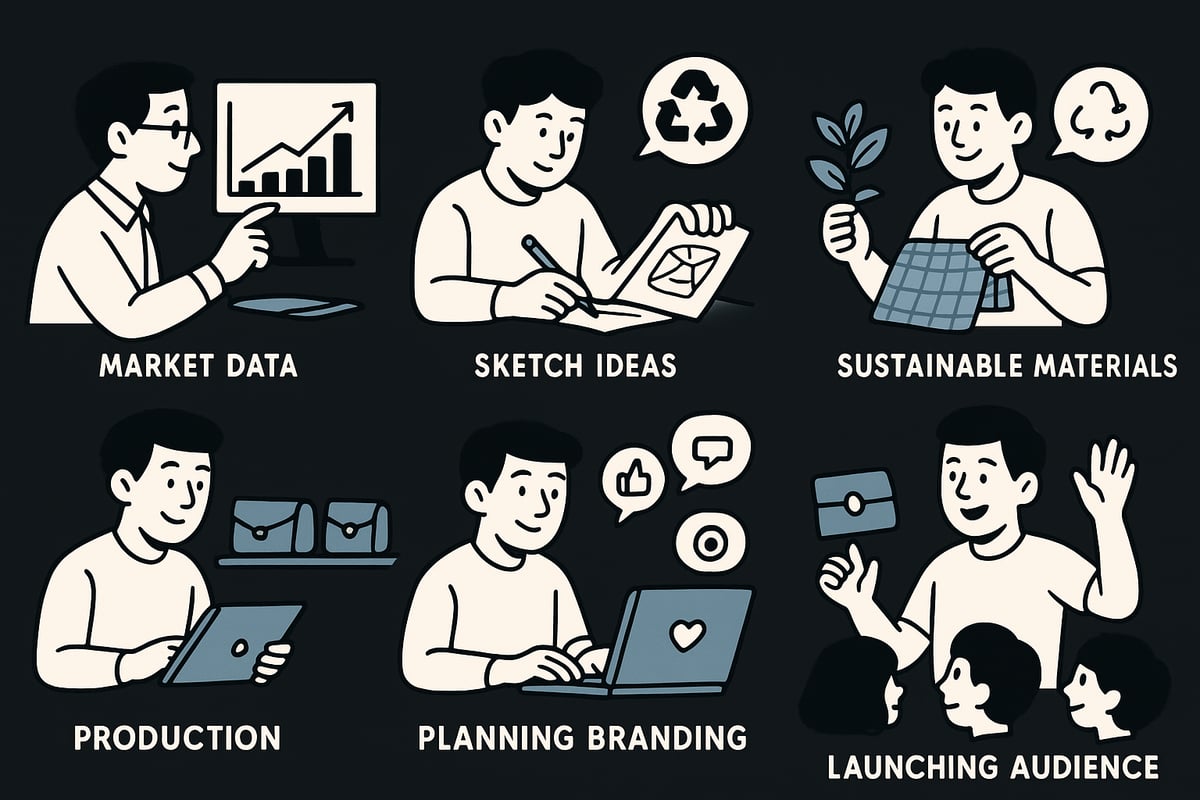
Designing a standout clutch for 2025 involves more than creativity—it demands a strategic, research-led approach. Each phase in clutch design is essential for delivering a product that resonates with modern consumers, aligns with trends, and stands out in a competitive market.
Step 1: Market & Trend Research
Begin with a clear understanding of the current market. Analyse competitor clutch design offerings and identify bestsellers—what materials, silhouettes, and features are trending? Dive into global and local trend reports, and pay attention to consumer insights from fashion platforms and social media.
Use e-commerce data to track which clutch styles are gaining traction. Identify gaps where your clutch design could offer something new or improved. Set clear objectives: Are you targeting sustainability, tech integration, or a specific demographic?
Research should also include feedback from potential customers. Consider surveys or focus groups to discover unmet needs in clutch design. The goal is to build a strong foundation for your creative process.
Step 2: Concept Development & Sketching
With insights gathered, move into concept development. Brainstorm ideas and create moodboards to visualise the direction of your clutch design. Sketch initial concepts, focusing on silhouette, material, and target audience preferences.
Digital sketching tools can streamline this phase, allowing for quick iterations and easy sharing with stakeholders. Involve team members and collaborators early to refine concepts and gather diverse perspectives.
Evaluate each design for practicality and innovation. Does the proposed clutch design reflect current trends while offering a unique twist? Aim for a balance of aesthetics and function, setting the tone for the next steps.
Step 3: Material & Component Selection
Material choice is critical for both look and longevity. For 2025, consider sustainable options such as vegan leather, recycled plastics, or plant-based textiles like Bananatex, renowned for its eco-friendly properties.
Select hardware—zips, clasps, and embellishments—that complements your clutch design and meets your brand’s quality standards. Always sample materials to test durability, texture, and maintenance requirements.
Build relationships with trusted suppliers who align with your ethical and environmental values. Balancing cost with quality is essential, ensuring your clutch design stands out for both style and substance.
Step 4: Prototyping & Testing
Transform sketches into physical prototypes. Mock-ups allow you to assess how your clutch design performs in real life—does it feel comfortable to hold, is the closure secure, and are compartments functional?
Gather feedback from testers, including your target audience, to identify strengths and areas for improvement. Use this input to iterate and enhance your design, ensuring it meets both aesthetic and practical standards.
Document every change, keeping a clear record of what works and what doesn’t. This stage ensures your clutch design is refined before moving into production.
Step 5: Final Design & Production Planning
Once you have a final prototype, prepare detailed technical drawings and specifications for manufacturing. Decide whether to produce in small batches or at scale, based on market demand and your brand strategy.
Implement robust quality assurance processes to maintain consistency across every clutch design produced. Establish a clear production timeline and communicate regularly with manufacturers to avoid delays.
Prepare for launch by aligning your production schedule with marketing activities. This seamless transition from design to production maximises your clutch design’s potential in the marketplace.
Step 6: Branding, Marketing, and Storytelling
A compelling narrative elevates your clutch design from product to must-have accessory. Develop visual branding, packaging, and digital assets that reflect your design’s unique features and values.
Leverage influencers, social media, and PR to reach your audience. Highlight what sets your clutch design apart—eco credentials, innovative tech, or artisanal craftsmanship. For expert insights on digital campaigns and positioning, explore digital branding solutions for designers.
Ensure your storytelling resonates with evolving consumer values, such as sustainability and personalisation. Consistent branding supports long-term loyalty and recognition for your clutch design.
Step 7: Launching and Gathering Feedback
Plan your launch strategy with teasers, exclusive previews, and dynamic launch events—both online and offline. Engage the press and key influencers to build excitement around your clutch design.
Once your design is in the hands of consumers, actively seek feedback through reviews, surveys, and social media. Analyse this data to identify opportunities for future improvements and innovation.
Build a community around your clutch design by maintaining open communication and rewarding loyal customers. Iterative feedback ensures your next clutch design is even more aligned with market needs.
The Future of Clutch Design: Predictions and Opportunities
Looking ahead, the landscape of clutch design is set for remarkable transformation. From technological breakthroughs to shifting consumer values, the future promises innovation and fresh opportunities. Let us explore what lies ahead for designers, brands, and style enthusiasts ready to embrace the next era of clutch design.
Emerging Technologies and Materials
In 2025, clutch design will be deeply influenced by advanced materials and digital tools. Expect smart fabrics that change colour with touch, biodegradable composites, and 3D-printed components to become increasingly common. AI-driven platforms will aid designers in testing forms and functions virtually, while digital manufacturing streamlines prototyping.
Brands are already experimenting with recycled polymers and plant-based textiles, ensuring both innovation and environmental responsibility. The integration of technology is not only functional but also a statement of modern luxury. For an in-depth look at how AI and user experience are shaping modern design, see AI and UX in modern design.
The Rise of Personalisation and Bespoke Design
Personalisation is poised to become a defining feature of clutch design. Consumers increasingly seek customisable options, from monogramming to made-to-order finishes. On-demand production enables brands to offer a bespoke experience, minimising waste and aligning with sustainable practices.
Digital platforms now allow clients to visualise and tweak their clutch design before purchase, ensuring a perfect match for their style. This shift empowers both established brands and independent designers, creating a more inclusive and engaging market for clutch design.
Sustainability as Standard
Sustainability will move from trend to baseline expectation in clutch design. Regulatory changes and eco-certifications will set new standards for material sourcing, production transparency, and lifecycle management. Brands will prioritise circular business models, including rental, resale, and repair programmes.
Collaboration across the industry is key, as closed-loop systems help reduce waste. According to The Fall 2025 Handbag Trends to Know Now, sustainability and technology are now central to accessory innovation, reinforcing the need for eco-friendly clutch design.
The Influence of Digital Fashion and Virtual Accessories
Digital fashion is reshaping how consumers interact with accessories. Virtual clutch design, NFTs, and augmented reality try-on experiences are gaining traction, especially among Gen Z. Digital influencers and avatars set new trends, while virtual-only clutches offer a sustainable and boundary-pushing alternative.
This digital shift impacts not only marketing but also the creative process, inspiring designers to experiment with forms and finishes unconstrained by physical limitations. The rise of digital fashion ensures clutch design remains relevant in both the physical and virtual worlds.
Opportunities for New Designers and Brands
The future of clutch design is bright for newcomers. Digital tools lower entry barriers, allowing emerging designers to prototype, market, and sell directly to consumers. Niche segments such as gender-neutral, tech-infused, and sustainable clutches offer unique growth paths.
Community-building and strategic partnerships will help new brands stand out. Those who embrace innovation and align with evolving values will find lasting success in the ever-changing world of clutch design.