
7 Inspiring Space Website Design Ideas for 2026
Space has always fascinated us, sparking dreams of exploration and discovery. Today, this cosmic curiosity is reshaping digital landscapes, making space website design a powerful trend for brands seeking inspiration.
In this article, we delve into seven space website design ideas set to define 2026. From immersive visuals and interactive journeys to futuristic typography and AI-driven features, these concepts offer bold ways to captivate audiences.
Ready to elevate your digital presence? Explore the future of cosmic creativity and discover actionable inspiration to make your next project truly stellar.
The Rise of Space-Themed Web Design in 2026
The digital world is witnessing a remarkable surge in space website design as we approach 2026. Designers and brands are increasingly drawn to cosmic themes, using them to evoke a sense of wonder and curiosity. This shift is not just a fleeting trend, but a response to deeper cultural and technological changes reshaping how users interact with web experiences.
Space website design taps into a universal fascination with the unknown. Cosmic imagery—galaxies, nebulae, starfields—sparks curiosity and offers an escape from the ordinary. These visuals create a sense of scale and possibility, allowing visitors to journey beyond their screens. For brands, this is a powerful way to build emotional connections and memorable digital identities.
Advancements in web technology are fuelling this movement. AI-driven content, real-time animation, and VR or AR features are now more accessible, enabling designers to craft truly immersive space website design experiences. Parallax effects and animated starfields are no longer just for show—when implemented thoughtfully, they deepen user engagement and extend session duration.
Recent years have seen standout examples of space website design. Campaigns such as NASA’s Mars Mission interactive timeline and e-commerce platforms selling space memorabilia have used cosmic themes to boost user interaction and conversion rates. According to industry reports, sites with space-inspired designs have seen up to 18 percent higher engagement compared to traditional layouts.
Pop culture has played a significant role in this evolution. The renewed interest in space exploration, from Mars missions to private spaceflight, has energised visual arts and digital storytelling. Sci-fi films and television series continue to set aesthetic benchmarks, inspiring web designers to blend cinematic visuals with user-centric functionality. For more on how immersive experiences are shaping this movement, see this overview of spatial web design for immersive UX.
The versatility of space website design is another key driver. Education platforms use interactive solar system models to make science engaging. E-commerce brands leverage floating product galleries and cosmic gradients to stand out. Entertainment and science communication sites adopt animated data visualisations and mission dashboards, offering both information and inspiration.
Looking ahead, the trajectory of space website design points to even greater innovation. As technologies mature and user expectations rise, we can expect more personalised, interactive, and visually rich web experiences. The boundaries between digital and physical space will continue to blur, inviting users to explore, learn, and connect in fresh ways.
| Year | Key Space Design Trend | Average Engagement Uplift |
|---|---|---|
| 2024 | Animated Starfields | +10% |
| 2025 | Interactive Storytelling | +15% |
| 2026 (Projected) | AI-Powered Personalisation | +20% |
As the digital landscape evolves, space website design will remain at the forefront, offering limitless potential for brands across every industry.
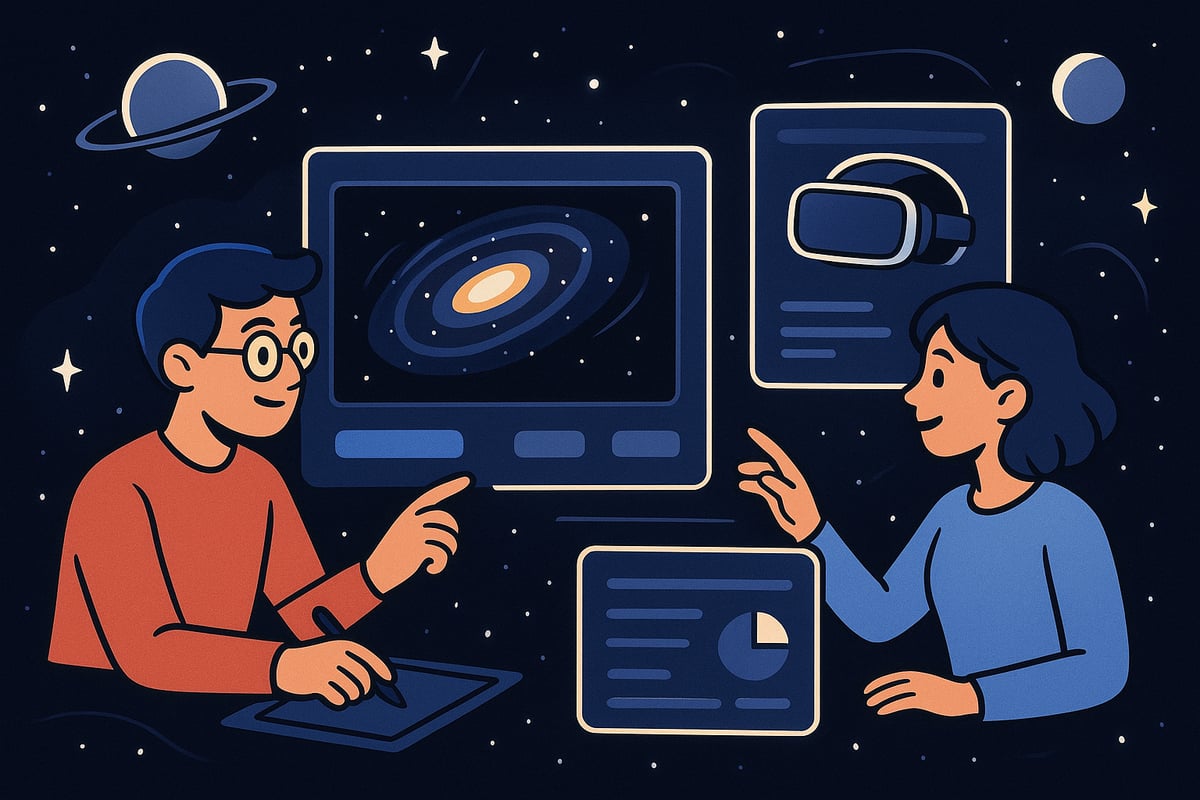
Essential Elements of Modern Space Website Design
Creating an unforgettable space website design requires more than just cosmic imagery. The best digital experiences balance visual spectacle with usability, ensuring each element serves both form and function. Let us explore the essential building blocks that define the most compelling space website design projects today.

Visual Motifs and Typography
The visual language of space website design draws heavily from the cosmos. Designers often use starscapes, swirling nebulae, and planetary forms to establish an otherworldly atmosphere. Futuristic typography, sometimes with glowing or gradient effects, brings a sense of sci-fi sophistication.
| Motif | Typical Use | Visual Impact |
|---|---|---|
| Starscapes | Backgrounds, hero sections | Creates depth |
| Planets | Icons, navigation | Adds narrative cues |
| Cosmic Gradients | Buttons, overlays | Enhances mood |
| Nebulae | Hero images, sections | Adds energy |
| Futuristic Fonts | Headlines, CTAs | Signals innovation |
Combining these motifs with bold, readable typefaces ensures that space website design stands out while remaining accessible and engaging.
Interactivity and Animation
Modern users expect more than static visuals. Space website design increasingly features parallax effects, scroll-triggered animations, and subtle microinteractions that respond to user input. Moving stars, orbiting planets, and animated transitions not only capture attention but also guide users through content.
Interactivity boosts dwell time and encourages exploration. However, designers must balance dramatic effects with performance and usability. Lightweight libraries and optimised assets ensure that animation enhances, rather than hinders, the user journey in a space website design.
Responsive Layouts and Accessibility
A successful space website design is accessible on every device, from desktops to mobiles. Responsive layouts adapt seamlessly to different screen sizes, maintaining visual impact without sacrificing readability or navigation.
Accessibility is equally crucial for visually rich designs. High-contrast palettes and dark mode options improve legibility, especially in cosmic settings. Features like keyboard navigation, descriptive alt text, and logical content structure help ensure that everyone can enjoy a space website design. For further reading on how to build visually rich and accessible sites, see Website design and development insights.
Multimedia Integration and Performance
Rich media takes space website design to the next level. 3D models of planets, interactive video backgrounds, and ambient soundscapes immerse visitors in a digital universe. However, these enhancements must not come at the expense of speed.
Optimising file sizes, using efficient codecs, and implementing lazy loading are essential when working with media-heavy space website design projects. Performance monitoring and regular testing help maintain a smooth, engaging experience across all devices.
7 Inspiring Space Website Design Ideas for 2026
The future of space website design is shaped by innovation and a fascination with the cosmos. As we look towards 2026, designers are pushing boundaries with immersive visuals, interactive storytelling, and cutting-edge technology. Below, discover seven transformative ideas that are redefining the digital universe and setting the stage for the next era of online creativity.
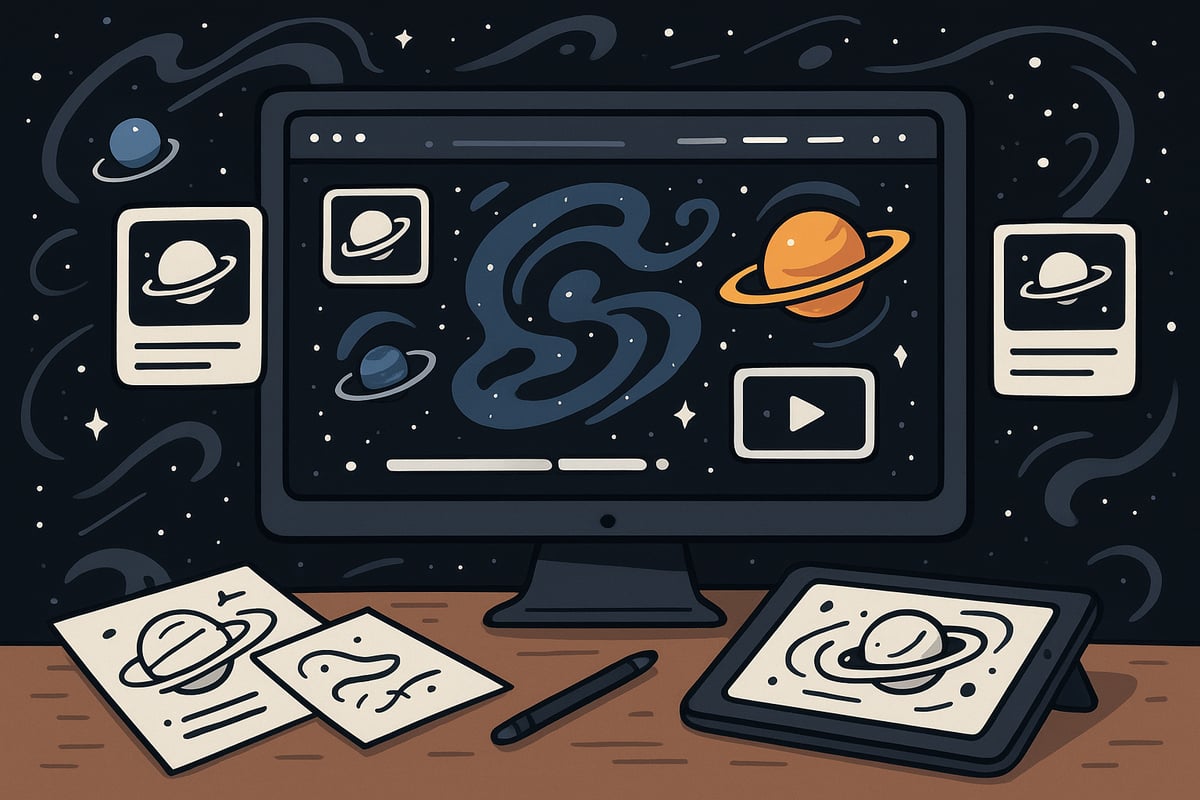
1. Immersive Cosmic Storytelling
Narrative-driven layouts are revolutionising space website design by guiding visitors through captivating cosmic journeys. These sites often employ interactive timelines, animated mission logs, or choose-your-own-adventure formats to foster deeper engagement.
For example, “All I Wish You” leverages whimsical illustrations and a heartfelt story, drawing users into an emotional experience that lingers long after the visit. By weaving narrative elements with visual cues, brands can increase session duration and boost brand recall.
To achieve this, blend clear navigation with visual storytelling. Use scroll-triggered animations to reveal new chapters as users progress. Integrate microinteractions, such as clickable stars or planets, to make the journey feel personal.
Accessibility is crucial in space website design. Ensure all narrative content is screen-reader friendly and provide alternative text for visuals. Use high-contrast colour schemes for readability.
Recommended tools for building interactive narratives include GSAP for animations and Three.js for 3D effects. These frameworks bring stories to life while maintaining performance.
In summary, immersive storytelling transforms static websites into memorable adventures. When done thoughtfully, it elevates space website design, captivating audiences and encouraging repeat visits.
2. Animated Starfields and Parallax Planets
Dynamic backgrounds are a hallmark of modern space website design. Animated starfields, drifting asteroids, and orbiting planets create a sense of depth and movement that instantly immerses users.
A standout example is “Easy Rocket Studio,” where animated vector illustrations and seamless transitions bring the cosmos to life. This approach increases user engagement and dwell time, as visitors are drawn to explore more.
When adding motion, consider performance optimisation. Use compressed image formats and efficient code for smooth animations. Offer fallback solutions for browsers that do not support advanced features.
Parallax effects can be subtle or bold, depending on your audience. For educational platforms, gentle movement enhances focus, while entertainment sites might opt for dramatic, layered visuals.
Open-source libraries like PixiJS and Lottie make it easy to implement space-themed animations in space website design. Test across devices to ensure consistency and fast load times.
Animated elements, when used judiciously, elevate the user experience. They give space website design an energetic, futuristic edge while keeping the interface engaging and interactive.
3. Futuristic Typography and Cosmic Colour Schemes
Typography and colour are powerful tools for defining the atmosphere of any space website design. Bold, sci-fi-inspired fonts paired with glowing gradients or muted cosmic palettes instantly transport users to another world.
“Minicool,” a children’s book website, exemplifies this trend by using soft, space-inspired colours and playful, futuristic typefaces. These choices make content approachable and visually striking.
The psychological impact of colour and typography in space website design cannot be overstated. Cool blues and purples evoke calm and curiosity, while neon accents suggest innovation. Font selection should balance readability with futuristic flair.
Pairing typefaces and palettes requires careful consideration. Use high-contrast combinations for legibility. Tools like Google Fonts and Adobe Colour streamline this process.
For inspiration on pushing visual boundaries, explore Sci-Fi Futuristic Interfaces, which highlights how glowing grids and neon visuals are shaping the future of digital aesthetics.
Accessibility is vital. Always provide sufficient contrast and scalable text. This ensures your space website design is inclusive and effective for all users.
4. Interactive Space Maps and Data Visualisations
Integrating real-time or simulated star maps, planetary systems, and mission dashboards adds an educational and entertaining layer to space website design. These features can transform complex scientific information into digestible, interactive experiences.
Astronomy education platforms are leading the way, offering users interactive solar system models that can be explored in detail. By allowing visitors to manipulate celestial bodies or track space missions, these sites boost both understanding and engagement.
Data visualisation tools like D3.js and Chart.js enable designers to embed 3D maps, infographics, and live data feeds seamlessly. When designing for diverse audiences, balance complexity with clarity. Use tooltips and guided tours to help users navigate intricate visuals.
Use cases for interactive space maps range from education and science communication to entertainment and even tourism. The key is to make these features intuitive and responsive, ensuring a positive user experience across all devices.
Incorporating interactive data not only enriches space website design but also positions your site as an authoritative resource in the digital cosmos.
5. AI-Driven Personalisation and Content Generation
Artificial intelligence is reshaping space website design by enabling personalised journeys and dynamic content. Adaptive features, such as custom recommendations, cosmic quizzes, or AI-generated space art, make each visit unique.
Squarespace’s AI-powered design tools are a prime example, offering tailored layouts and content that respond to user behaviour. Automation simplifies updates and keeps the site fresh, boosting ongoing engagement.
When integrating AI, consider privacy and ethical implications. Be transparent about data use and provide opt-out options. Maintain creativity by blending automated content with human touch.
Best practices include using APIs like OpenAI for content generation or TensorFlow.js for on-site personalisation. These tools can analyse user preferences and suggest relevant articles, products, or interactive features.
AI-driven personalisation in space website design elevates user satisfaction and encourages repeat visits. By delivering content that resonates, your site stands out in an increasingly crowded digital galaxy.
6. Space-Inspired E-Commerce Experiences
E-commerce brands are leveraging space website design to create memorable shopping journeys. Floating product galleries, zero-gravity animations, and cosmic checkout flows set the stage for innovation.
Sites selling space memorabilia or science kits often use animated product showcases to differentiate themselves. These interactive features increase conversion rates and encourage exploration.
To balance novelty with usability, prioritise intuitive navigation and clear calls to action. AR integration allows users to virtually try on products or explore them in 3D, adding another dimension to the shopping experience.
Case studies show that themed campaigns can lead to measurable sales uplift. For example, brands that adopt space website design often see higher engagement and longer time spent on product pages.
UX tips include keeping interfaces uncluttered, providing visual cues, and ensuring responsive design. The result is a seamless fusion of creativity and commerce that appeals to modern consumers.
7. Minimalist Space Aesthetics for Modern Brands
Minimalism in space website design focuses on clean layouts, subtle cosmic accents, and a restrained palette. Brands like “First Light Fusion” master this approach, using negative space and simple star motifs to convey innovation and clarity.
Benefits of minimalist space website design include fast load times, high usability, and flexible branding. Sites are easier to navigate and accessible to a wider audience.
To maintain visual interest, incorporate animated icons, monochrome gradients, or interactive microinteractions. Minimalist design is especially effective for tech, science, and creative industries that value clarity and precision.
Prototyping tools like Figma and Sketch help designers experiment with minimalist elements before launch. The key is to find a balance between simplicity and distinctiveness, ensuring the site remains engaging.
Minimalist space website design is a testament to the idea that less can truly be more, allowing content and message to shine in a crowded digital universe.
User Experience and Accessibility in Space Website Design
Creating an engaging space website design means finding the right balance between stunning cosmic visuals and user-friendly experiences. As space aesthetics become more immersive, ensuring everyone can enjoy and navigate these sites is essential.
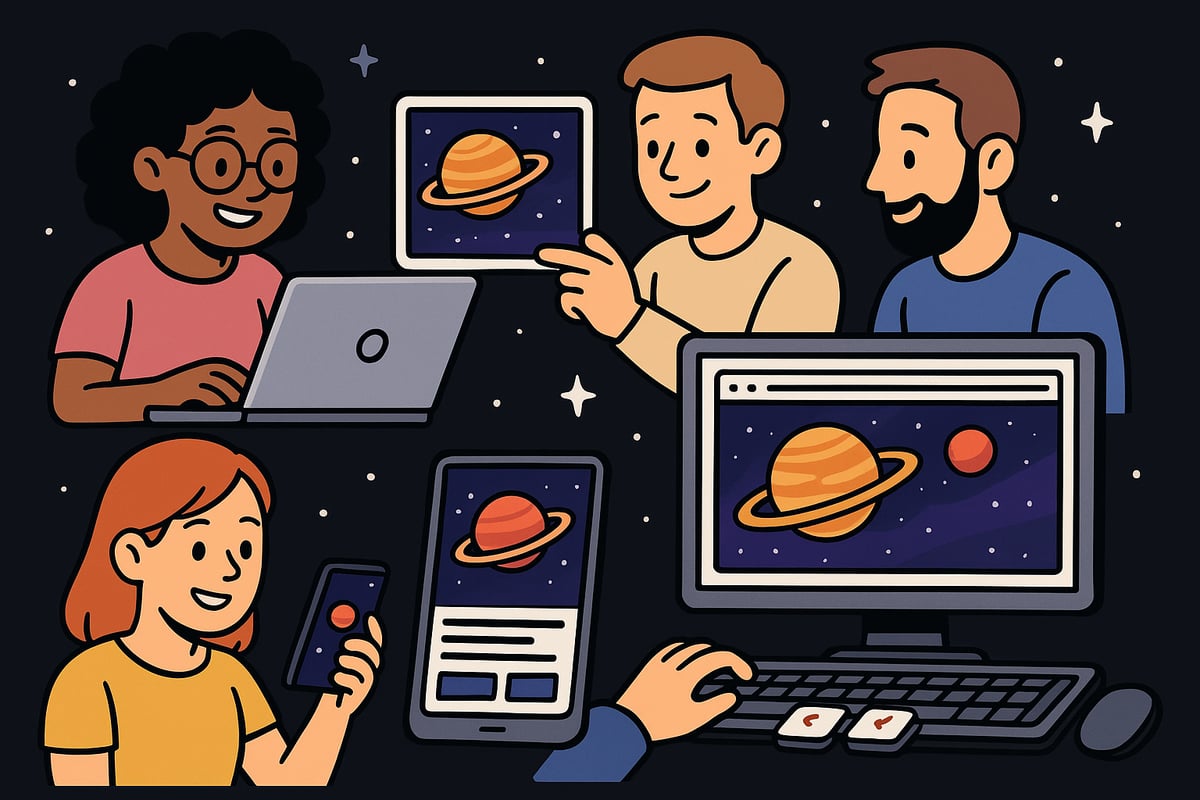
Balancing Visuals and Performance
Rich graphics, 3D models, and animated backgrounds can make a space website design captivating. However, these elements often increase load times and affect accessibility. Designers should optimise images, use lazy loading, and streamline code to keep performance high. Responsive layouts, flexible grids, and scalable assets are vital for delivering seamless experiences on mobile and desktop.
Accessibility Best Practices
Accessibility is central to space website design, ensuring users of all abilities can explore cosmic content. Following WCAG guidelines is key. This includes providing alt text for images of planets or spacecraft, using high-contrast colour palettes for cosmic backgrounds, and supporting keyboard navigation for interactive features.
Accessible sites also use semantic HTML, logical heading structures, and descriptive link text. For example, a visually rich site with animated starfields should offer pause controls for motion-sensitive visitors. Integrating these features not only broadens your audience but also improves SEO and user satisfaction. For more guidance, the Essential web design strategies 2025 article outlines best practices to enhance accessibility and creativity.
Testing and Continuous Improvement
Testing is crucial for maintaining a high standard of user experience in space website design. Use automated tools and manual checks to evaluate colour contrast, keyboard navigation, and screen reader compatibility. Gather feedback from real users with diverse needs to uncover accessibility barriers.
Regularly update your site as new guidelines and technologies emerge. Continuous iteration ensures your space website design remains inclusive, fast, and enjoyable for everyone.
Prioritising accessibility in space website design builds trust, boosts engagement, and ensures a truly universal digital journey.
Measuring Success: Analytics and Optimisation for Space-Themed Sites
Measuring the effectiveness of a space website design requires a sharp focus on key performance indicators. The main metrics to watch include user engagement rates, bounce rates, conversion rates, and average time on site. These numbers reveal how visitors interact with cosmic visuals and immersive content.
Modern analytics platforms, such as Google Analytics and Hotjar, help track how users engage with interactive elements like animated starfields or VR experiences. By setting up event tracking, you can monitor clicks, scrolls, and time spent on each feature. This is especially important for media-rich space website design projects, where user journeys can be complex.
A/B testing is a powerful way to refine visual features and layouts. Test different cosmic backgrounds, navigation flows, or interactive storytelling elements to see which versions improve engagement and reduce bounce rates. Small tweaks, such as adjusting the intensity of animations or changing the colour palette, can have a measurable impact.
Continuous optimisation is essential. Regularly review analytics data, run usability tests, and iterate on design choices. For further insights into enhancing interactivity and multimedia, the Digital creative services guide outlines strategies that align with space website design goals. Case studies from recent years show that themed redesigns can significantly boost engagement and conversions, making data-driven improvements a top priority.