
The Essential Guide to Digital Creative Services in 2025
Digital creative services are transforming at an unprecedented pace, driving growth for businesses across every sector. By 2025, experts predict a 30% surge in demand for innovative digital creative solutions, as brands compete in an increasingly crowded online marketplace.
Standing out online is now more challenging than ever. Consumer expectations shift rapidly, and businesses must adapt their creative strategies to remain relevant and engaging. Without the right approach, even well-established brands risk getting lost in the noise.
This essential guide will equip you with the knowledge and practical insights needed to navigate digital creative services in 2025. We will explore core components, emerging trends, technology integration, how to choose the right provider, and what the future holds—helping your business make informed, strategic decisions.
Understanding Digital Creative Services in 2025
Digital creative services have become the foundation for brand innovation and growth in today’s digital-first landscape. As consumer expectations shift and technology evolves, businesses must adapt their creative strategies to remain competitive. This section explores what defines digital creative services, their expanding scope, their business value, and the challenges and opportunities shaping the industry in 2025.
Defining Digital Creative Services
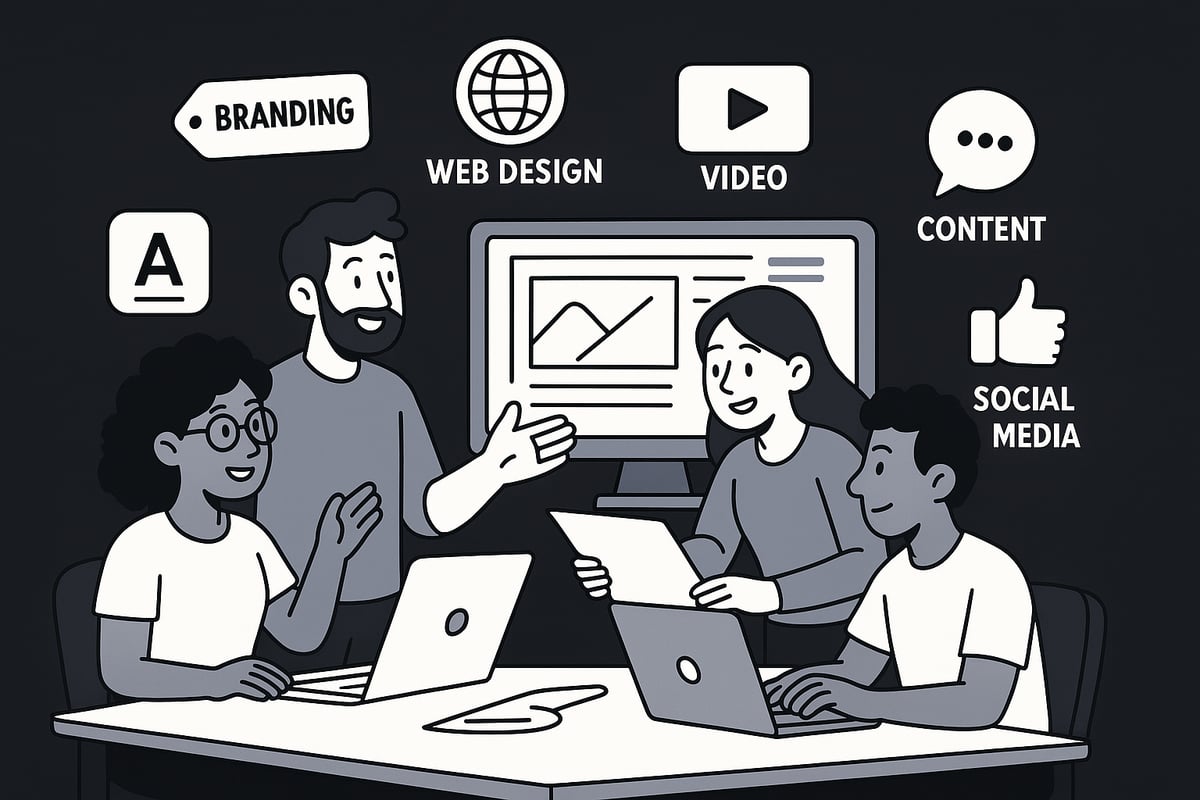
Digital creative services encompass a wide range of solutions designed to help brands communicate, engage, and grow in a digital environment. Over the past decade, these services have evolved from traditional print and media to digital-first approaches that prioritise online presence and user experience.
Core elements include visual design, content creation, branding, UX/UI, and video production. Each plays a distinct role in shaping how businesses present themselves online. It is important to distinguish digital creative services from broader digital marketing, as the former focuses on the creative assets and storytelling that drive brand recognition.
For example, a cohesive digital creative strategy can enable a brand to stand out across multiple platforms, fostering stronger audience connections and reinforcing brand identity.
The Expanding Scope: What’s Included
The scope of digital creative services in 2025 covers a broad spectrum of categories, such as branding, website design, ecommerce, video, content creation, social media, email design, and AI integration. The rise of integrated, multi-disciplinary teams allows businesses to access a full suite of creative capabilities under one roof.
A growing trend is the use of full-stack creative agencies to launch new products, ensuring a unified vision from concept to execution. Demand for these multi-service agencies continues to rise, as reflected in the significant increase in digital creator jobs Digital creator job growth.
- Branding and rebranding services
- Website and ecommerce design
- Video production and animation
- Content and copywriting
- Social media and email creative
- AI-powered design and automation
This integrated approach streamlines campaigns and delivers measurable business results.
Why Digital Creative Services Matter in 2025
Digital creative services are essential for brands seeking to differentiate themselves and foster meaningful customer engagement. High-quality creative output directly impacts brand perception, drives website traffic, and generates qualified leads.
A well-executed creative strategy supports omnichannel marketing, ensuring consistency across web, social, and email. For example, a retail brand that invested in digital creative services for a product launch saw a measurable increase in engagement and conversion rates compared to previous campaigns.
In today’s crowded online space, creative excellence is not just a differentiator, it is a business imperative for driving growth and maintaining relevance.
Challenges and Opportunities
While digital creative services offer transformative potential, businesses often face challenges such as budget constraints, rapidly changing trends, and the difficulty of measuring return on investment. Keeping pace with new technologies and audience preferences can be daunting.
However, there are significant opportunities as well. Leveraging advanced technology, accessing global creative talent, and adopting agile content production models can help brands stay ahead. Adaptability and continuous innovation are critical for success.
Industry data shows a growing percentage of UK businesses are increasing their investment in digital creative services, recognising their role in achieving strategic goals and long-term growth.
Core Components of High-Impact Digital Creative Services
A high-impact approach to digital creative services requires a blend of strategic vision, technical skill, and creative excellence. Each core component plays a unique role in shaping brand perception and driving measurable business outcomes. Let us explore the building blocks that define success in this fast-evolving landscape.

Visual Design & Branding
Visual design is the cornerstone of digital creative services. A strong visual identity, built on unique logos, defined colour schemes, consistent typography, and clear brand guidelines, ensures brands stand out across every channel.
Consistency is crucial. Brands that maintain a cohesive look and feel, from their website to social media, build trust and recognition. For example, a retail brand’s rebranding—refreshing its logo and updating its digital assets—can lead to a measurable boost in customer engagement and recall.
Memorable, scalable branding enhances every interaction, making digital creative services an essential investment for long-term growth.
Website & UI/UX Design
The shift to user-centric, mobile-first website design is transforming digital creative services. Modern consumers expect seamless navigation, fast load times, and accessibility for all users.
Best practices now include clear calls to action, intuitive layouts, and compliance with accessibility standards. Conversion-driven design principles ensure that every element guides visitors toward meaningful actions. For instance, a before-and-after website redesign often reveals lower bounce rates and higher conversions, directly linking UI/UX improvements to business results.
Investing in digital creative services for user experience delivers tangible returns and enhances brand reputation.
Video Production & Animation
Video has become an indispensable tool in digital creative services, outperforming static content in engagement and conversion. Brands leverage explainer videos, product demos, motion graphics, and animations to tell their stories across web and social platforms.
The integration of generative AI is accelerating this trend, enabling the creation of dynamic, personalised video content at scale. In fact, generative AI in video advertising is now shaping how brands produce and distribute creative assets, unlocking new levels of efficiency and effectiveness.
A viral video campaign can transform brand awareness overnight, showing why digital creative services should always include a robust video strategy.
Content Creation & Copywriting
High-quality, SEO-optimised content is at the heart of digital creative services, driving organic traffic and supporting inbound marketing. Businesses rely on a range of formats, from blogs and articles to web copy and email campaigns, to communicate their unique value.
Aligning content with brand voice and audience intent is vital. Storytelling techniques foster emotional connections, while well-researched, useful information builds authority. For example, brands that prioritise content-driven strategies often see significant increases in leads and customer loyalty.
Digital creative services that focus on content creation ensure brands are heard, remembered, and trusted in a crowded online space.
Social Media Creative
Social media is a dynamic arena within digital creative services, requiring platform-specific strategies for Instagram, TikTok, LinkedIn, and beyond. Visuals, motion, and interactive content are essential for capturing attention and encouraging engagement.
Consistency in messaging and adaptability to trends are key. Brands that run creative, timely social campaigns often enjoy spikes in awareness and follower growth. For example, a well-executed campaign using interactive stories or short-form video can rapidly elevate a brand’s profile.
Performance benchmarks show that creative social content outperforms generic posts, proving the value of expert digital creative services.
Email Marketing Design
Email remains a powerhouse in digital creative services, thanks to its high ROI and direct reach. The latest design trends for 2025 include interactivity, personalisation, and mobile optimisation, all aimed at boosting engagement and conversions.
Balancing creativity with deliverability is essential. High-performing email templates use bold visuals, clear calls to action, and brand-aligned messaging. A recent case study showed that a refreshed email design led to a sharp increase in click-through and sales rates.
Best practices in digital creative services ensure that every email reinforces brand identity and delivers measurable business results.
Emerging Trends Shaping Digital Creative Services
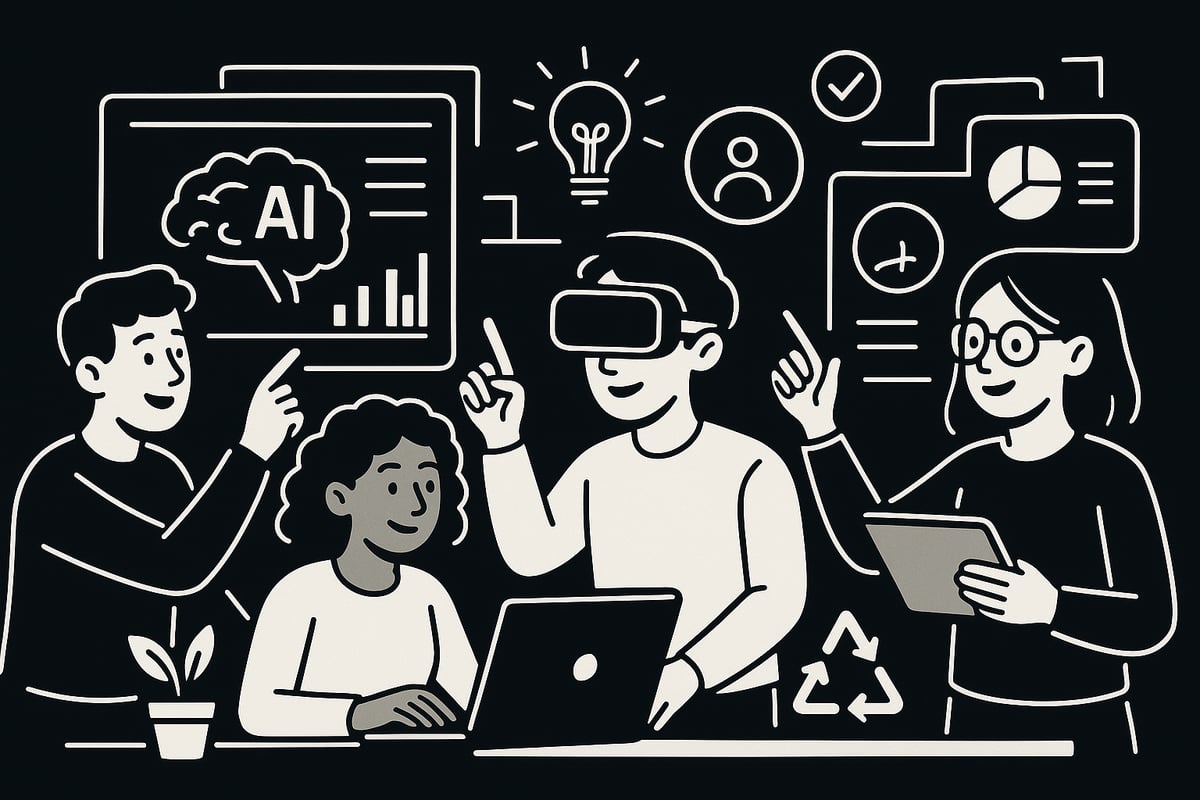
The landscape of digital creative services is rapidly evolving. Businesses must keep pace with emerging trends to stay competitive. The following five trends are set to define how brands approach creativity and technology in 2025.
AI and Automation in Creative Production
Artificial intelligence is transforming digital creative services. AI-powered tools now generate design assets, automate video editing, and streamline content creation at scale. This shift enables creative teams to deliver faster results without sacrificing quality.
For example, agencies are using AI to produce video content for campaigns, dramatically reducing production time. According to a recent study, nearly 90% of video game developers now use AI agents in their workflows, illustrating how automation is reshaping creative industries. You can learn more about this trend in the context of AI adoption in video game development.
In digital creative services, AI boosts efficiency, scalability, and innovation, helping brands adapt quickly to market demands.
Data-Driven Creative Strategies
Data-driven decision-making is central to digital creative services. Creative teams increasingly rely on analytics to guide their work, ensuring that content resonates with target audiences and achieves measurable outcomes.
By leveraging user data, brands can personalise and dynamically update creative assets, from web banners to email campaigns. A/B testing is widely used to optimise visual and messaging elements, leading to higher engagement and conversion rates.
Integrating creative and analytics teams allows for seamless feedback loops. This approach ensures that digital creative services are both visually compelling and strategically effective.
Interactive and Immersive Experiences
The demand for interactive and immersive experiences is reshaping digital creative services. Brands are investing in AR, VR, and interactive web design to engage audiences in new ways.
Immersive storytelling and gamification help brands stand out in crowded markets. For instance, companies launch AR filter campaigns to drive social engagement and brand affinity. Interactive microsites and virtual showrooms offer users hands-on experiences that deepen brand connection.
As consumers seek memorable digital interactions, digital creative services must continually innovate with technology that brings stories to life.
Accessibility and Inclusivity in Design
Accessibility is now a non-negotiable aspect of digital creative services. Brands recognise the importance of creating experiences that cater to all users, regardless of ability.
Accessible design not only meets legal requirements but also opens brands to wider audiences. For example, a website redesign focused on accessibility can significantly improve customer satisfaction and retention. Data shows a growing number of brands prioritise inclusive design, reflecting a shift in industry standards.
Making digital creative services accessible demonstrates a commitment to social responsibility and long-term brand loyalty.
Sustainability and Ethical Creative Practices
Sustainability is gaining prominence within digital creative services. Agencies and brands are adopting eco-friendly design choices, such as optimising digital assets to reduce energy consumption and digital carbon footprints.
Transparent and ethical messaging is also vital. Brands that champion responsible digital practices attract consumers who value sustainability and authenticity. A notable example is sustainable branding initiatives that prioritise long-term impact over short-term gains.
As consumer awareness grows, digital creative services must balance creativity, ethics, and environmental responsibility for lasting success.
Integrating Technology and Creativity for Business Growth
Modern digital creative services are evolving rapidly, with technology acting as a powerful catalyst for business growth. The fusion of creativity and digital tools is enabling organisations to connect with audiences, optimise brand experiences, and drive measurable outcomes. In this section, we explore how businesses can harness technology to enhance their creative strategies and achieve sustainable success.
The Role of Technology in Creative Services
Technology is at the heart of digital creative services, transforming how teams collaborate and produce impactful work. Today, creative professionals rely on advanced design software, cloud-based platforms, and AI-powered tools to streamline workflows and boost productivity.
Cloud-based solutions like Figma or Adobe Creative Cloud enable remote teams to co-create and iterate on projects in real time. AI tools are revolutionising content generation, video editing, and design automation, helping agencies deliver faster and at scale. As AI becomes more prevalent, ethical considerations are coming to the forefront. For a deeper dive on this topic, see the Governance of generative AI in creative work, which discusses the evolving landscape of AI in creative industries.
Adoption rates for these technologies are rising, with agencies prioritising integration to stay competitive in digital creative services.
Building an Omnichannel Creative Strategy
A robust omnichannel strategy is essential for any brand aiming to make an impact with digital creative services. Consistency across websites, mobile apps, social platforms, and email campaigns builds trust and recognition.
Coordinating creative assets for seamless experiences ensures each customer touchpoint reflects the brand’s identity. For example, a product launch might feature unified visuals and messaging across paid ads, organic social, and landing pages.
Integrated creative planning supports a cohesive brand narrative, maximising engagement and conversion rates. Brands that leverage digital creative services for omnichannel campaigns often see improved customer loyalty and higher returns.
Measuring Creative Impact: KPIs and Analytics
Success in digital creative services is measured by clear, data-driven results. Key performance indicators (KPIs) such as engagement rates, conversions, retention, and brand lift provide actionable insights into campaign effectiveness.
Modern analytics platforms allow teams to track these metrics in real time and adjust creative strategies accordingly. For instance, a campaign dashboard might display open rates for email, click-throughs for ads, and bounce rates for landing pages, all in one view.
Benchmarking ROI is critical. Businesses using digital creative services to optimise creative assets based on analytics typically outperform competitors and achieve stronger business outcomes.
Collaboration Between Creative and Marketing Teams
Collaboration is a cornerstone of successful digital creative services. Breaking down silos between creative and marketing teams leads to unified strategies and more agile project delivery.
Cross-functional workflows, supported by platforms like Slack or Monday.com, enable rapid feedback and iterative improvements. Agile project management methodologies, such as joint sprints, foster shared ownership and clear communication.
When creative and marketing teams work together seamlessly, campaigns are more likely to resonate with audiences and deliver on business objectives. Integrated teams are proven to drive better results in digital creative services.
Harley Oliver: Award-Winning Digital Creative Solutions
Harley Oliver exemplifies the power of digital creative services in driving business growth. With over 20 years of experience and multiple industry awards, they deliver end-to-end solutions including brand strategy, web design, ecommerce, content, and AI integration.
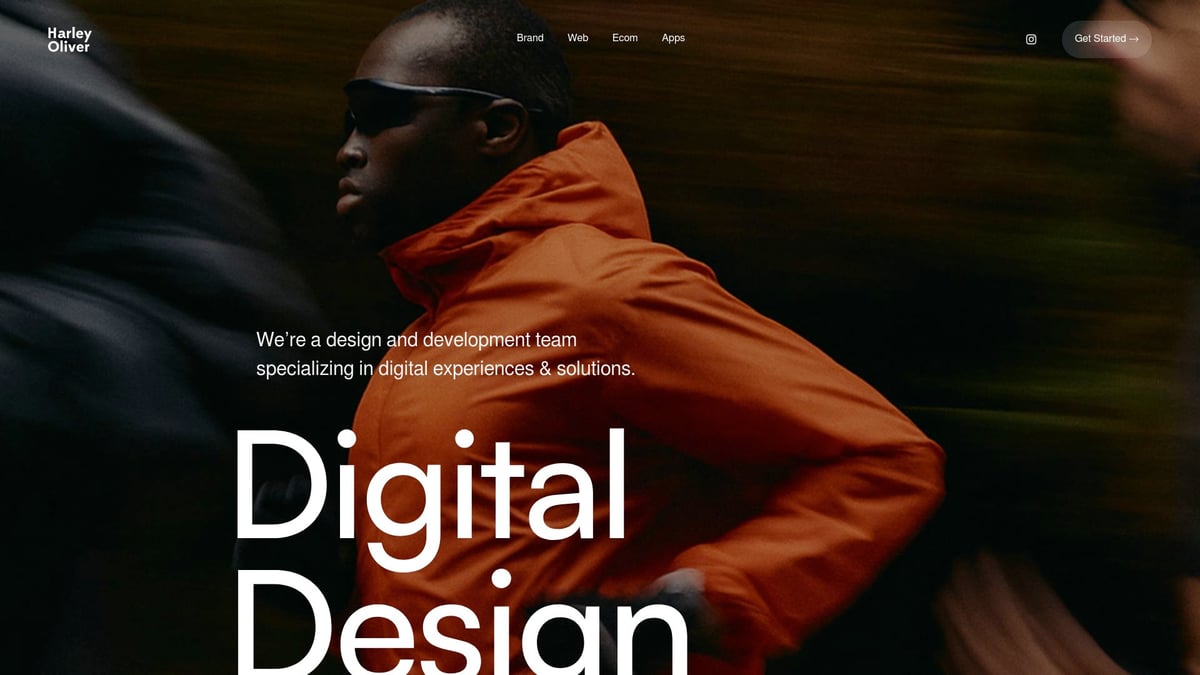
Their collaborative approach combines creativity with cutting-edge technology, ensuring measurable impact for clients of all sizes. Whether launching a new brand or optimising an established one, Harley Oliver’s digital creative services focus on increasing traffic, generating leads, and boosting sales.
By embracing future-ready tools and a results-driven mindset, Harley Oliver stands as a leader in digital creative services, setting the standard for excellence and innovation.
Choosing the Right Digital Creative Services Partner
Selecting the right partner for digital creative services can make or break your brand’s success online. With so many agencies and providers available, making an informed choice is crucial for achieving your business goals.
Key Criteria for Selecting a Creative Agency
When evaluating digital creative services partners, focus on their experience and portfolio. Look for industry recognition, awards, and a proven track record with similar businesses.
Assess whether their approach aligns with your business values and objectives. A broad range of services, including branding, website design, and content, is ideal for comprehensive support.
Ensure the agency’s technological capabilities match your needs. Agencies that embrace new tools and platforms are better equipped for future challenges.
Checklist:
- Strong, relevant portfolio
- Recognised industry credentials
- Alignment with your brand’s vision
- Full suite of digital creative services
- Up-to-date with latest technology
Questions to Ask Potential Providers
Before committing to digital creative services, ask targeted questions during your discovery calls. Understanding their process, communication style, and project management approach is essential.
Ask about customisation: Can they tailor solutions to your specific needs? Consider scalability and long-term support as well.
Be alert for red flags, such as vague timelines or unclear deliverables. Positive signs include transparent pricing, proactive communication, and a collaborative mindset.
Key questions:
- How do you manage projects and feedback?
- What is your process for revisions?
- Can you scale services as our needs grow?
- Who will be our main point of contact?
- How do you measure project success?
In-House vs. Outsourced Creative Services
Deciding between in-house and outsourced digital creative services depends on your goals, budget, and timeline. Each option offers distinct advantages and challenges.
| Feature | In-House Team | Outsourced Agency |
|---|---|---|
| Cost | Higher fixed costs | Flexible, project-based |
| Flexibility | Fast internal changes | Access to diverse skills |
| Expertise | Limited by team size | Broad, specialised talent |
| Speed | Immediate availability | Quick scaling possible |
Hybrid models, combining both, can offer the best of both worlds. Many UK businesses are increasingly outsourcing to access global talent while retaining core creative direction internally.
Case Studies: Success Stories from Leading Brands
Real-world examples highlight the impact of effective digital creative services partnerships. For instance, Trifibre collaborated with a multi-disciplinary agency to overhaul their ecommerce platform, resulting in a 40% increase in online sales within six months.
Similarly, Honey Brothers leveraged a creative agency for a targeted content campaign, boosting brand awareness and customer engagement.
Europlaz’s partnership with a digital creative services provider led to a refreshed brand identity and improved user experience, directly increasing lead generation.
These case studies demonstrate measurable results and underline the value of choosing the right partner.
Avoiding Common Pitfalls in Creative Partnerships
Common issues in digital creative services partnerships include misaligned expectations, scope creep, and poor communication. These challenges can derail projects and impact results.
To avoid these pitfalls, set clear briefs and maintain open dialogue throughout the partnership. Agree on deliverables, timelines, and KPIs from the outset.
Regular check-ins and feedback loops support ongoing alignment. Long-term success is built on trust, transparency, and flexibility.
Learning from failed projects, many businesses now prioritise collaboration and adaptability when selecting digital creative services partners.
The Future of Digital Creative Services: What to Expect Beyond 2025
The future of digital creative services is poised to reshape how businesses connect with audiences. As technology and consumer expectations advance, brands must stay ahead by embracing new tools, skills, and mindsets. Let us explore the innovations, professional evolution, and strategies that will define digital creative services beyond 2025.
Anticipated Innovations and Disruptions
Emerging technologies will continue to disrupt digital creative services. Artificial intelligence, augmented and virtual reality, and generative design are set to play pivotal roles in creative ideation and execution. Brands leading the way are already experimenting with AI-driven content and immersive experiences, giving them a competitive edge.
Machine learning will enable more personalised and dynamic campaigns. Early adopters of these technologies within digital creative services are likely to see greater adaptability and customer engagement. Preparing for ongoing innovation will be essential for brands that want to stay relevant in this rapidly changing landscape.
The Evolving Skillset of Creative Professionals
As digital creative services evolve, so too must the professionals delivering them. There is a growing need for hybrid skills, combining design, coding, data analytics, and AI fluency. Creative teams are increasingly expected to collaborate across disciplines and adopt new tools quickly.
Continuous learning and upskilling will become standard practice. Agencies investing in professional development will attract top talent and maintain a competitive edge. Data shows that the most in-demand skills for 2025 include UX design, motion graphics, and AI integration, all vital for digital creative services success.
The Importance of Agility and Experimentation
Agility is crucial for digital creative services to thrive in a fast-paced environment. Rapid prototyping, iterative testing, and a willingness to experiment will set leading agencies apart. Creative sprints allow teams to respond quickly to shifts in consumer behaviour and market trends.
Fostering a culture of innovation encourages teams to try new approaches without fear of failure. Regular feedback loops and cross-functional collaboration drive better outcomes. By embedding agility into their workflows, digital creative services teams can consistently deliver impactful results.
Building Future-Proof Creative Strategies
To future-proof digital creative services, brands must plan for long-term growth while staying flexible. Scalable and adaptable creative processes enable businesses to respond to emerging trends efficiently. Investing in modular design systems and cloud-based tools supports this adaptability.
Successful brands have demonstrated resilience by embracing digital transformation. Their strategies anticipate change and prioritise continuous improvement. The journey to future-ready digital creative services involves ongoing evaluation, learning, and a commitment to creative evolution.