
8 Leading Ecommerce Design Agencies to Watch in 2026
The ecommerce landscape in 2026 is rapidly evolving, with brands competing to create seamless and visually impactful shopping experiences. As online marketplaces expand and customer expectations soar, selecting the right ecommerce design agencies becomes essential for any business aiming to stand out, boost conversions, and secure long-term growth.
In this article, we spotlight eight leading ecommerce design agencies to watch in 2026. You will discover their unique strengths, service offerings, pricing models, and ideal use cases. Ready to elevate your brand? Explore the agencies shaping tomorrow’s ecommerce success.
Why Ecommerce Design Agencies Matter in 2026
The ecommerce landscape is evolving at breakneck speed, making the role of ecommerce design agencies more crucial than ever. In 2026, brands are not just competing on products or prices, but on the quality and innovation of their digital experiences. As online shopping becomes the norm for billions, businesses must partner with agencies that can deliver on both creativity and technical excellence.
The Evolving Role of Ecommerce Design
Ecommerce design agencies have moved far beyond just building basic online shops. Today, they act as strategic partners, guiding brands through the complexities of creating holistic digital experiences. Modern ecommerce design agencies integrate user experience (UX), user interface (UI), branding, and conversion rate optimisation to drive measurable business results.
The rise of AI-powered solutions, headless commerce architectures, and omnichannel design strategies has transformed what brands expect from their agency partners. With over 2.77 billion online shoppers in 2025 and 21 percent of all retail purchases projected to occur online, the stakes have never been higher. Professional design is now directly linked to increased trust, engagement, and lifelong customer loyalty.
Agencies must keep pace with fast-changing technologies, shifting buyer expectations, and strict accessibility standards. Brands that strategically invest in top-tier ecommerce design agencies consistently see gains in revenue and customer retention. For instance, when Muse partnered with a leading agency to overhaul its ecommerce experience, it achieved a significant uplift in conversions, as detailed in this Muse Ecommerce Case Study.
Key Features of High-Performing Ecommerce Websites
Top ecommerce design agencies know that success relies on more than aesthetics. High-performing ecommerce sites must deliver on every front to keep users engaged and drive conversions.
Core features include:
- Responsive, mobile-first layouts for seamless browsing across devices
- Lightning-fast loading times to reduce bounce rates and enhance SEO
- Clear, intuitive navigation guiding users from discovery to checkout
- Secure payment gateways and robust data protection
- SEO-driven site architecture for improved organic visibility
- Personalised, data-driven design tailored to individual customer journeys
| Feature | Benefit |
|---|---|
| Mobile-first design | Reaches users wherever they shop |
| Fast loading | Keeps visitors engaged, boosts rankings |
| Clear navigation | Simplifies the buying process |
| Secure payments | Builds trust and protects data |
| SEO architecture | Increases store visibility |
| Personalisation | Enhances relevance and loyalty |
Leading ecommerce design agencies routinely use A/B testing and deep analytics to refine these elements. By monitoring real user behaviour and adjusting accordingly, they ensure that each ecommerce site not only attracts visitors but turns them into loyal customers.
8 Leading Ecommerce Design Agencies to Watch in 2026
The world of ecommerce design agencies is evolving rapidly, with top firms setting ever higher standards for creativity, technology, and measurable results. In 2026, these agencies are not just building online shops—they are crafting holistic experiences that drive sales, loyalty, and brand differentiation. Let’s explore the eight ecommerce design agencies making the biggest impact this year.
Harley Oliver
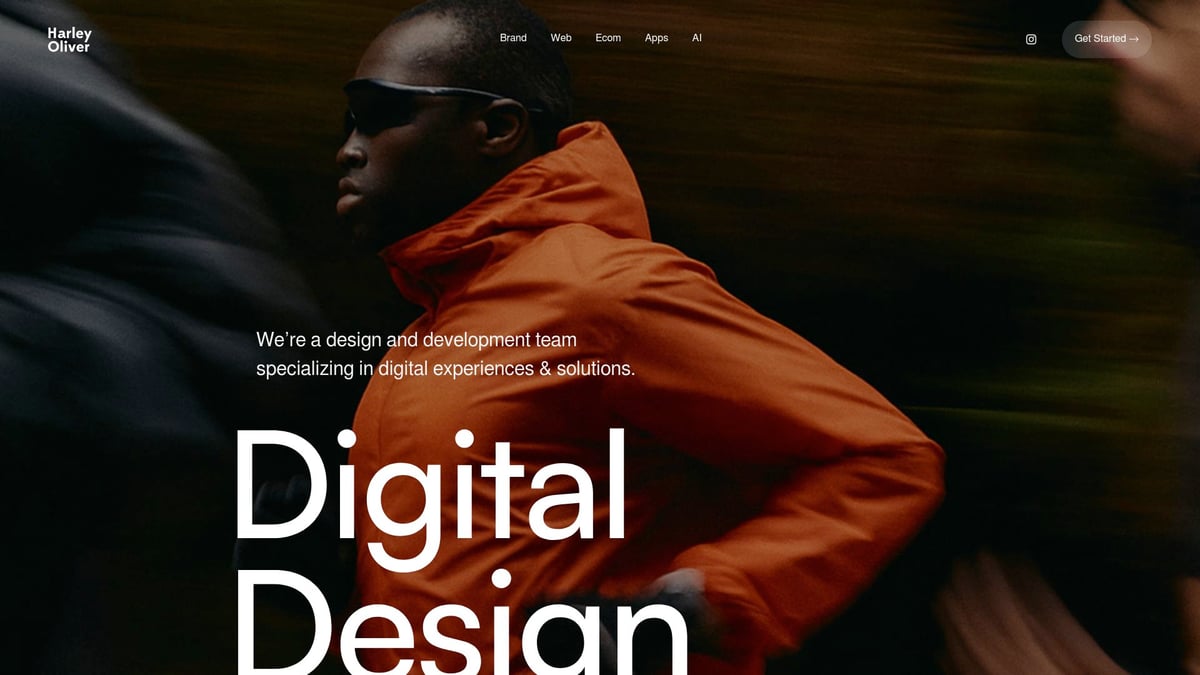
Harley Oliver stands out among ecommerce design agencies for its blend of creative storytelling, advanced technology, and measurable business outcomes. Their approach goes beyond surface-level design, focusing on strategies that elevate entire brand ecosystems.
Pricing: Custom quotes tailored to each project’s complexity. No fixed packages, ensuring flexibility for diverse business needs.
Core Features:
- Award-winning branding and ecommerce design
- Bespoke website development and web apps
- AI-powered personalisation and automation
- Growth marketing and analytics
Unique Selling Points:
- Over 20 years of experience in digital transformation
- Recognised by Awwwards, Webby Awards, CSSDA, and Clutch
- Holistic, narrative-driven design philosophy
Target Audience: Startups to global enterprises seeking transformative digital growth.
Ideal Use Cases: Brands requiring tailored ecommerce solutions or advanced AI integration.
Pros:
- End-to-end solutions for ecommerce
- Future-proof strategies
- Global client success stories
Cons: Bespoke pricing may not fit every budget, and lack of standard packages may deter some smaller brands.
Example: Harley Oliver has delivered standout results for Mikra, Chris Burkard, and Muse, helping them scale with innovative ecommerce solutions.
To see their full capabilities, visit their Ecommerce Design & Development Services page.
Blend
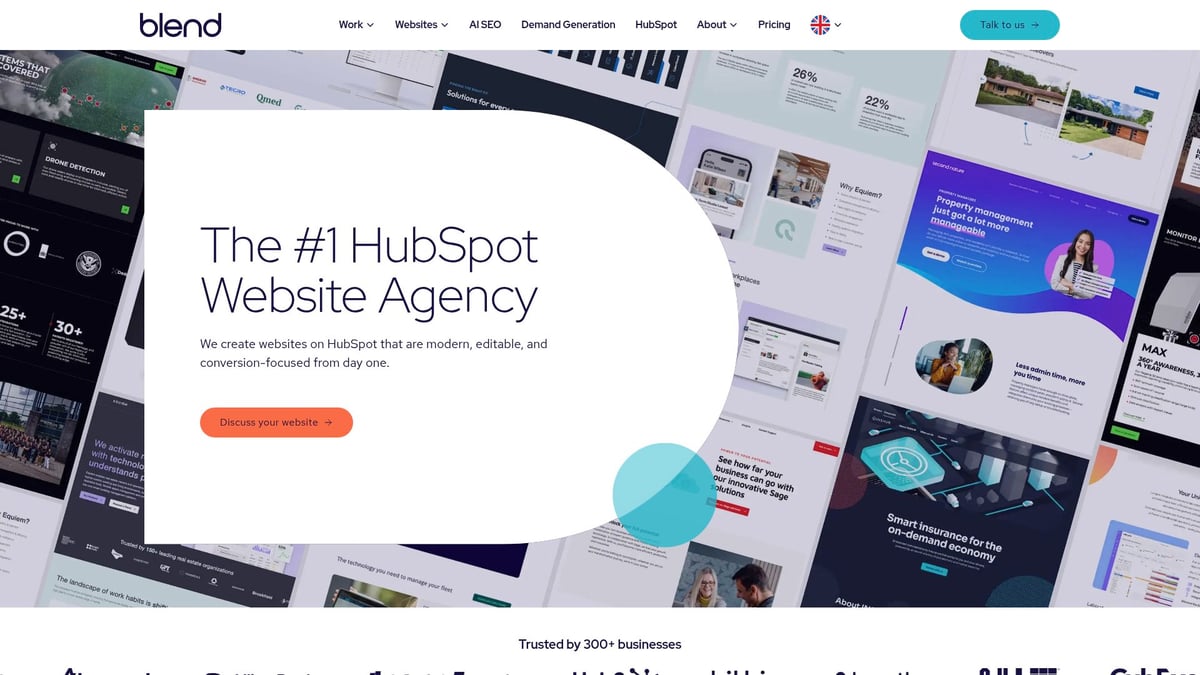
Among ecommerce design agencies, Blend is known for its expertise in complex B2B buying journeys and technical platform solutions. Their modular approach supports brands with long sales cycles and multiple stakeholders.
Pricing: Projects start from £30,000, with bespoke solutions tailored for platform businesses.
Core Features:
- Buyer enablement and journey mapping
- Stakeholder-focused content architecture
- Technical communication and integration showcases
Unique Selling Points:
- Specialises in ecommerce platforms and B2B tech
- Scalable, modular website builds
- Deep understanding of multi-stakeholder sales
Target Audience: B2B tech firms, ecommerce platforms, and companies with complex sales cycles.
Ideal Use Cases: Businesses needing to effectively communicate technical capabilities to various buyer personas.
Pros:
- Strong conversion optimisation
- Technical fluency
- Flexible for scaling
Cons: Higher entry pricing, best suited for platform-focused organisations.
Example: Blend helped C.H.I. Overhead Doors achieve a 35% increase in quote conversions through strategic design and content.
Superside
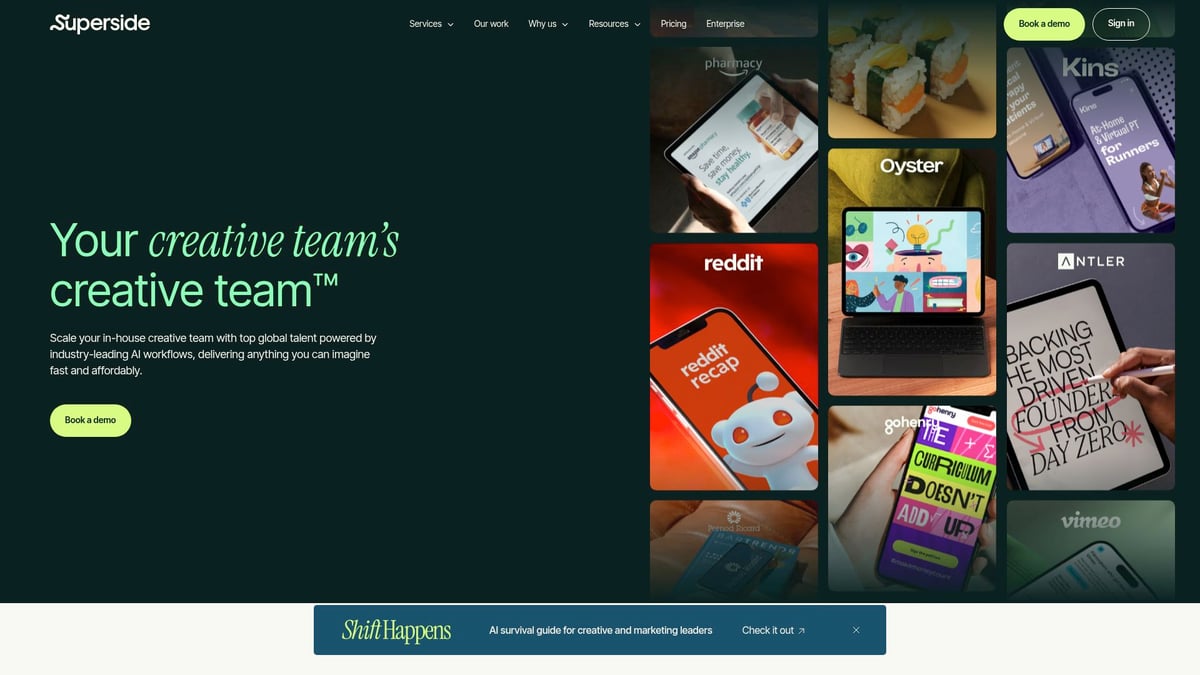
Superside has carved a niche among ecommerce design agencies by offering creative services through a subscription model. This approach is ideal for brands needing ongoing, high-volume design output.
Pricing: Starts at $10,000 per month for ongoing creative support.
Core Features:
- Ecommerce web design and UX/UI
- Webflow development
- Branding and motion design
- AI-enhanced creative services
Unique Selling Points:
- Subscription-based, scalable creative support
- Seamless integration with in-house teams
- Fast turnaround on design requests
Target Audience: Mid-market to enterprise brands, and marketing teams with consistent creative needs.
Ideal Use Cases: Brands looking for rapid, continuous ecommerce design and production.
Pros:
- Wide service range
- Flexible, scalable model
- Quick delivery times
Cons: Monthly subscription may not suit one-off projects.
Example: Superside enabled Shopify and S&S Activewear to accelerate their creative output and campaign launches.
Avex Designs
Avex Designs has earned its place among leading ecommerce design agencies by specialising in high-growth and enterprise-level DTC brands, especially those on Shopify Plus.
Pricing: Custom solutions for each client, with a focus on enterprise-grade requirements.
Core Features:
- Shopify Plus design and development
- Creative direction and branding
- Omnichannel integration
- Conversion rate optimisation and retention marketing
Unique Selling Points:
- Deep Shopify Plus expertise
- Seamless integration of online and in-store experiences
- Proven track record with high-growth brands
Target Audience: Enterprise and fast-scaling DTC brands.
Ideal Use Cases: Companies seeking sophisticated, unified commerce solutions.
Pros:
- Strong focus on conversion
- Creative, brand-driven approach
- Advanced omnichannel capabilities
Cons: Pricing transparency is limited, and services are best aligned with larger brands.
Example: Avex Designs worked with Summer Fridays and Lashify to create unified commerce ecosystems across digital and physical touchpoints.
Coalition Technologies
Coalition Technologies is one of the most versatile ecommerce design agencies, offering scalable solutions for both SMEs and major global brands. Their strength lies in combining design with robust SEO and marketing expertise.
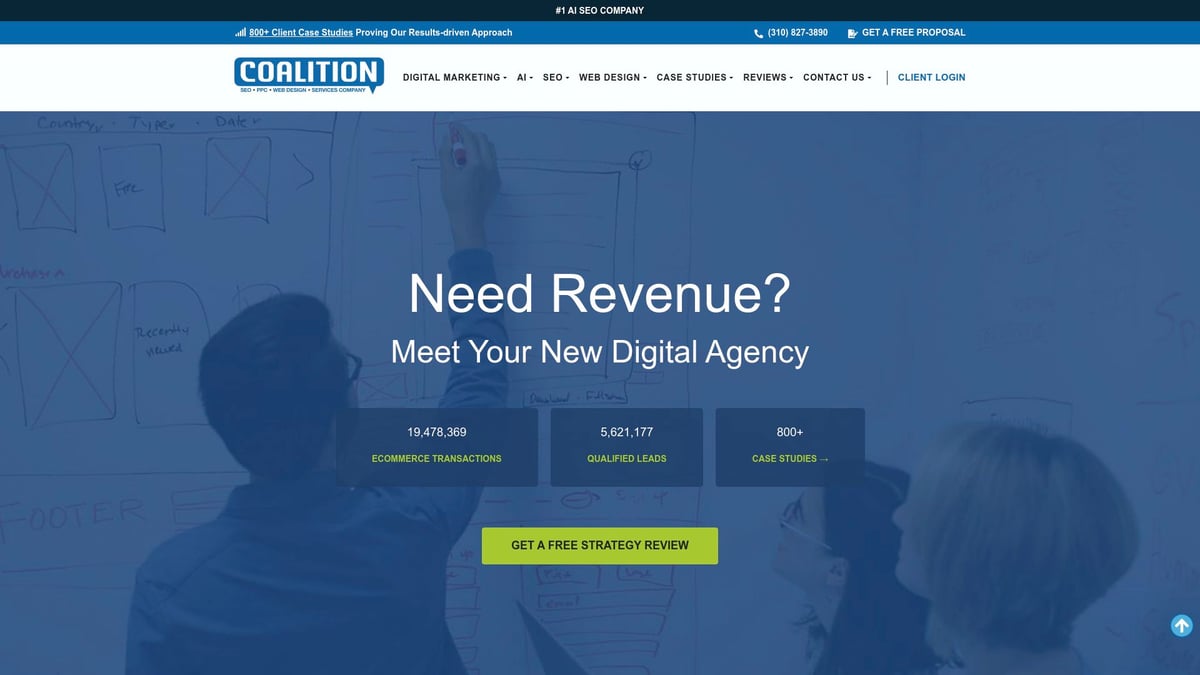
Pricing: Packages from $1,000, with scalability for businesses of all sizes.
Core Features:
- Custom design and development
- SEO and PPC services
- Multi-platform expertise (Shopify, BigCommerce, Magento, WordPress)
Unique Selling Points:
- Large, experienced in-house team
- Strong focus on SEO-driven ecommerce
- Proven track record with diverse clients
Target Audience: B2B and B2C brands seeking robust digital solutions.
Ideal Use Cases: Businesses needing ongoing digital marketing and complex ecommerce integrations.
Pros:
- Comprehensive offerings
- Flexible pricing
- Reliable results
Cons: May not offer the same level of branding or storytelling as boutique agencies.
Example: Coalition Technologies has delivered successful projects for Roku, Jack Daniels, Sony, and Microsoft.
pb+j
pb+j distinguishes itself among ecommerce design agencies with its focus on premium CPG and lifestyle brands. Their philosophy is to challenge conventional ecommerce thinking and elevate customer experience.

Pricing: Custom project pricing, with a focus on CPG and lifestyle sectors.
Core Features:
- Shopify design and development
- Conversion optimisation
- Retention strategies
- DTC channel enhancement
Unique Selling Points:
- Deep expertise in direct-to-consumer ecommerce
- Creative, strategy-led approach
- Specialisation in fashion, beauty, food, and home brands
Target Audience: DTC brands looking to stand out in crowded markets.
Ideal Use Cases: Brands seeking to boost retention and customer loyalty through design.
Pros:
- Focused industry expertise
- Innovative thinking
- Strong on customer retention
Cons: Niche focus may not suit all industries or business models.
Example: pb+j has enhanced DTC channels and retention strategies for leading lifestyle brands.
DigitlHaus
DigitlHaus is an elite player among ecommerce design agencies, especially for brands using BigCommerce or Shopify. Their technical depth and partner credentials make them a go-to choice for complex builds.
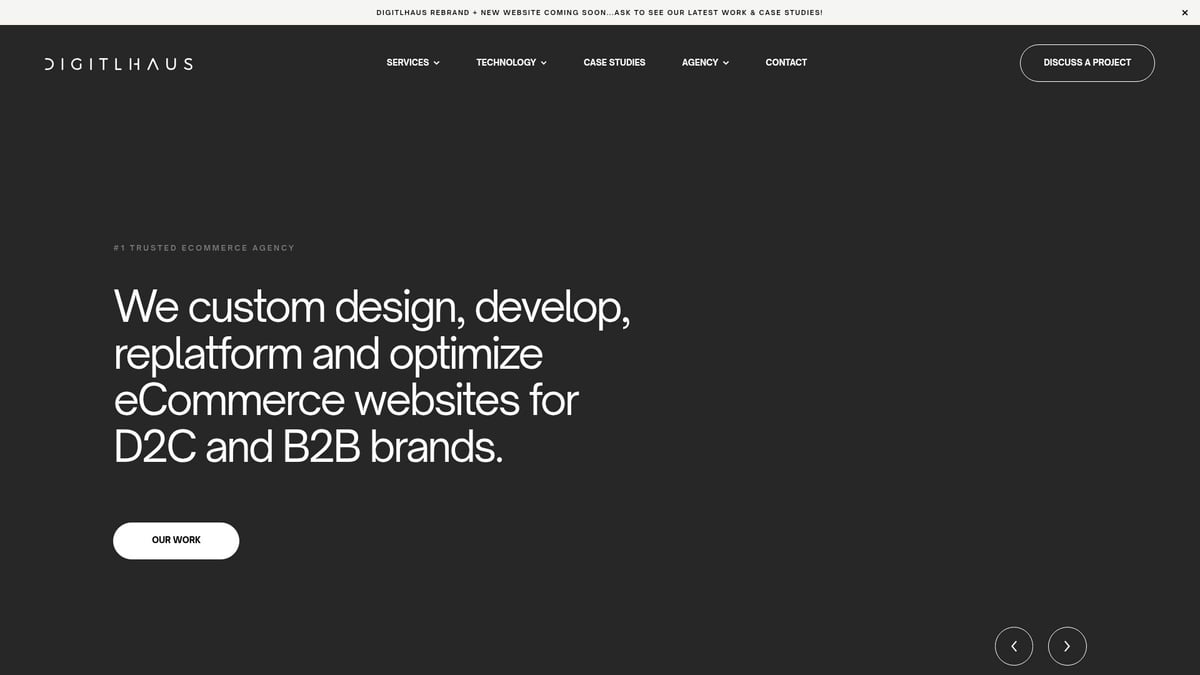
Pricing: Custom quotes, reflecting their tailored approach and platform expertise.
Core Features:
- Custom ecommerce design and development
- BigCommerce and Shopify expertise
- Headless commerce solutions
- Advanced ERP and API integrations
Unique Selling Points:
- Elite BigCommerce Partner status
- Over 150 custom store launches
- Advanced technical implementation
Target Audience: Enterprise brands, and businesses migrating to or scaling on BigCommerce or Shopify.
Ideal Use Cases: Companies requiring complex integrations or headless commerce builds.
Pros:
- Deep technical skill set
- Proven migration experience
- Strong partner relationships
Cons: Platform-specific focus may not suit brands outside their specialisations.
Example: DigitlHaus has completed over 500 bespoke ecommerce projects, delivering scalable, future-ready solutions.
NinjaPromo
NinjaPromo rounds out our list of top ecommerce design agencies with a subscription-based model and a full spectrum of digital marketing services. Their “always on” approach ensures brands have continuous support and rapid turnaround.
Pricing: Transparent monthly rates, with premium tiers for expedited delivery.
Core Features:
- Custom ecommerce design and development
- SEO and CMS integration
- Motion graphics and animation
- Full-service digital marketing
Unique Selling Points:
- Global client base
- Fixed monthly pricing
- Fast delivery and ongoing support
Target Audience: Businesses of all sizes, including fintech, retail, and lifestyle brands.
Ideal Use Cases: Brands needing rapid, ongoing ecommerce design and marketing.
Pros:
- Broad industry experience
- Fast, reliable delivery
- Subscription-based flexibility
Cons: Ongoing subscription may not fit one-off project needs.
Example: NinjaPromo has worked with Burger King, HubSpot, Samsung, Coinbase, and H&M, delivering impactful ecommerce solutions worldwide.
Comparison Table: Top Ecommerce Design Agencies in 2026
| Agency | Platform Focus | Pricing | Key Strengths | Ideal For |
|---|---|---|---|---|
| Harley Oliver | Custom, AI, All Platforms | Custom | Storytelling, AI, Awards | Transformative growth |
| Blend | B2B, Platforms | From £30,000 | Multi-stakeholder journeys | B2B, tech, platforms |
| Superside | Webflow, All Platforms | $10k/month | Subscription, rapid creative | Ongoing design needs |
| Avex Designs | Shopify Plus, Omnichannel | Custom | Enterprise DTC, omnichannel | High-growth, enterprise |
| Coalition Tech | Shopify, BigCommerce, etc | From $1,000 | SEO, scalable, full-service | B2B/B2C, all sizes |
| pb+j | Shopify, DTC | Custom | CPG, retention, lifestyle | Premium DTC, lifestyle |
| DigitlHaus | BigCommerce, Shopify | Custom | Headless, technical builds | Enterprise, migrations |
| NinjaPromo | All Platforms | Monthly | Fast, full-service, global | Ongoing, cross-industry |
These ecommerce design agencies stand at the forefront of innovation in 2026. Whether your brand seeks creative storytelling, technical mastery, or scalable support, the right agency can help you navigate the competitive ecommerce landscape and achieve measurable growth.
How to Choose the Right Ecommerce Design Agency for Your Brand
Selecting from the many ecommerce design agencies can feel overwhelming, but making the right choice is essential for your brand’s long-term success. A structured approach, focusing on technical skills, creative alignment, and business needs, can help you identify the ideal partner.
Assessing Technical Capabilities and Platform Expertise
Begin by evaluating which platforms each agency specialises in, such as Shopify, BigCommerce, Magento, or custom solutions. Ask for examples that demonstrate advanced integrations or headless commerce projects. Reviewing technical documentation and case studies can reveal a team’s adaptability and skill depth. Agencies with clear expertise in your preferred platform help future-proof your investment.
Understanding Stakeholder Journey and Buyer Enablement
Effective ecommerce design agencies go beyond visual appeal. They map user journeys for various stakeholders, including developers, business leaders, and end customers. Look for agencies that provide role-based content filtering and parallel content pathways. This ensures your site caters to every decision-maker and supports complex sales cycles, especially in B2B environments.
Prioritising Conversion Optimisation and SEO
Top-performing ecommerce design agencies integrate CRO and SEO strategies from day one. They leverage analytics, A/B testing, and data-driven design to increase sales and organic visibility. For deeper insights on building a high-converting site, consider resources like the Expert Guide to Develop Design Strategies. Evidence of measurable outcomes, such as improved conversion rates or average order value, is a strong indicator of an agency’s impact.
Considering Scalability, Flexibility, and Support
As your business evolves, your ecommerce platform must scale with it. Choose agencies offering modular solutions and ongoing support. Flexible pricing and the ability to add new features over time are vital. Subscription-based models can be advantageous for brands anticipating frequent updates or creative needs. Ask about post-launch support to ensure your site remains competitive.
Weighing Creative Approach and Brand Alignment
The best ecommerce design agencies immerse themselves in your brand vision and audience. Review case studies that showcase storytelling, visual identity, and brand transformation. Strong agencies will present design concepts that feel authentic and resonate with your target market. Prioritise partners who demonstrate both creativity and strategic thinking.
Budget, Timeline, and Project Fit
Clarify the agency’s pricing structure, typical timelines, and deliverables before committing. Projects can range from £30,000 to £150,000, with timeframes of three to six months. Ensure the agency’s process aligns with your goals and resources. Transparent communication about scope and expectations is essential to avoid surprises.
Red Flags and Common Pitfalls
Be wary of agencies with generic portfolios or limited platform expertise. Rigid workflows that cannot adapt to your growth may hinder progress. Insist on clear communication, transparent processes, and a track record of successful ecommerce projects. Taking these precautions helps safeguard your investment and positions your brand for sustained digital growth.
Ecommerce Design Trends and Innovations to Watch in 2026
The ecommerce landscape is changing rapidly, and ecommerce design agencies must stay ahead of emerging trends to ensure their clients remain competitive. In 2026, digital innovation, evolving consumer expectations, and new technologies are shaping the future of online retail. Understanding these trends helps brands partner with the right ecommerce design agencies for long-term success.
AI-Powered Personalisation and Automation
AI is transforming how ecommerce design agencies approach user experience. In 2026, AI-driven tools power tailored product recommendations, dynamic content, and real-time personalisation. Agencies leverage machine learning to analyse behaviour and predict what customers want, increasing engagement and loyalty.
For example, AI Solutions for Ecommerce Brands enable brands to create smarter, more responsive online shops that adapt instantly to users’ needs. Automation also streamlines operations, from chatbots to custom landing pages, helping ecommerce design agencies deliver seamless shopping experiences.
Headless Commerce and Modular Architectures
Headless commerce is becoming a standard for ecommerce design agencies aiming for flexibility and future-proofing. By decoupling the frontend from the backend, agencies can build modular, scalable solutions that adapt to any device or channel.
This approach allows for faster updates, easier integration with third-party tools, and a smoother omnichannel experience. Ecommerce design agencies use APIs and microservices to create agile infrastructures, ensuring brands can pivot quickly as technology evolves.
Omnichannel and Unified Commerce Experiences
Shoppers expect consistency across all touchpoints in 2026. Ecommerce design agencies focus on unifying online, mobile, and in-store journeys, making sure branding, messaging, and user experience remain cohesive everywhere.
Whether integrating click-and-collect, real-time inventory, or loyalty programmes, agencies build systems that connect the dots. The result is a seamless, frictionless path from discovery to purchase, no matter where the customer interacts with the brand.
Visual Storytelling and Interactive Design
Engagement is at the heart of modern ecommerce. Ecommerce design agencies use bold visuals, motion graphics, and interactive elements to capture attention and communicate brand stories.
Techniques like animated product demos, immersive video, and interactive lookbooks drive higher dwell times and conversions. Agencies blend creativity with strategy, ensuring every design element supports both storytelling and commercial goals.
Accessibility and Inclusive Design
Accessibility is now non-negotiable for ecommerce design agencies. Websites must comply with WCAG standards, offering clear navigation, keyboard access, and readable content for all users.
Brands that prioritise inclusive design not only meet legal requirements but also expand their audience. Agencies conduct regular audits and user testing, making accessibility a core feature of every ecommerce project.
Data-Driven Optimisation and Testing
Continuous improvement is a hallmark of top ecommerce design agencies. Through A/B testing, analytics, and user feedback, agencies refine layouts, calls to action, and checkout flows.
This data-driven approach ensures every decision is backed by evidence, resulting in higher conversion rates and better business outcomes. Ecommerce design agencies often include ongoing optimisation as part of their service packages.
Sustainable and Ethical Ecommerce Design
Sustainability is moving from trend to necessity. Ecommerce design agencies help brands communicate eco-friendly values through transparent design, green hosting, and optimised site performance.
Features like energy-efficient coding and ethical sourcing badges reassure conscious shoppers. Discover more about the importance of Sustainable Design in E-commerce and how it shapes future-ready online stores.
Frequently Asked Questions About Ecommerce Design Agencies
Choosing the right ecommerce design agencies can feel overwhelming, especially with so many options and rapidly evolving technology. Here, we address the most common questions brands have before partnering with an agency, helping you make informed decisions for your next project.
What are the most important factors when choosing an ecommerce design agency?
When selecting ecommerce design agencies, focus on their technical skills, creative approach, and platform expertise. Review their portfolio for complex integrations and proven results. Ensure the agency can scale with your business and align with your brand vision.
- Technical expertise and platform knowledge
- Creative vision and storytelling ability
- Evidence of measurable outcomes
How much does it cost to hire a leading ecommerce design agency in 2026?
Most ecommerce design agencies charge between £30,000 and £150,000 for a new website, depending on project complexity and platform requirements. Some offer subscription models for ongoing support and creative services. Always request a detailed proposal outlining costs, timelines, and included services.
| Service Type | Typical Cost Range |
|---|---|
| Full site design/build | £30,000 – £150,000+ |
| Subscription creative support | £8,000 – £20,000/month |
How long does it take to launch a new ecommerce website with an agency?
On average, ecommerce design agencies take three to six months to launch a new site. Timelines depend on the scope, technical integrations, stakeholder involvement, and content requirements. Complex builds or extensive customisation may extend this period.
What platforms do top agencies specialise in?
Top ecommerce design agencies commonly work with Shopify, BigCommerce, Magento, WooCommerce, and Webflow. Many also offer custom headless solutions for greater flexibility. Ask for examples of projects on your preferred platform to assess their expertise.
Can agencies help with ongoing growth and optimisation?
Yes, many ecommerce design agencies provide ongoing services such as SEO, CRO, analytics, content, and digital marketing. This ensures your site continues to perform after launch, supporting long-term business growth and customer retention.
- SEO and conversion optimisation
- Content updates and A/B testing
- Analytics and reporting
What trends should I prioritise in my next ecommerce redesign?
Focus on innovations like AI-driven personalisation, headless commerce, accessibility, and seamless omnichannel experiences. These trends drive higher conversion rates and customer loyalty. For a deeper dive, see AI-Driven Personalization in E-commerce to understand how personalisation is transforming ecommerce design agencies’ strategies.
How do I ensure my agency partner aligns with my brand?
Review case studies and request workshops or strategy sessions before committing. Clear communication and a collaborative process are essential. Agencies should listen to your goals and demonstrate a future-focused, brand-aligned approach.