
Ecommerce Web Design Services Guide for Success in 2026
Ecommerce is evolving at breakneck speed, with 2026 set to be the most competitive year yet for online retail. The stakes are higher as technology, mobile-first interactions, and artificial intelligence drive rapidly shifting consumer expectations.
To stand out and succeed, businesses must prioritise exceptional ecommerce web design services that deliver both seamless user experiences and robust performance. This guide is your roadmap to mastering every aspect of ecommerce site design—from emerging trends and must-have features to platform selection, step-by-step processes, integration, and future-proofing.
Ready to transform your ecommerce presence and boost conversions? Dive in for actionable strategies that will empower your business to thrive in the digital marketplace.
The State of Ecommerce Web Design in 2026
The world of ecommerce web design services is undergoing a dramatic transformation as we enter 2026. Consumer habits continue to shift, technology is evolving faster than ever, and competition in online retail is relentless. To stay ahead, businesses must embrace the latest innovations in ecommerce web design services and deliver exceptional experiences that convert visitors into loyal customers.

Key Trends Shaping Ecommerce Design
Mobile-first and mobile-only experiences are now the standard, with over 70 percent of ecommerce traffic coming from smartphones and tablets. Shoppers expect seamless browsing and checkout on any device, making responsive design a non-negotiable feature of modern ecommerce web design services.
Headless commerce and API-driven architecture are redefining flexibility and speed. Brands can now decouple their front-end and back-end systems, enabling rapid updates, personalised features and omnichannel experiences. This approach empowers ecommerce web design services to create lightning-fast sites that adapt quickly to changing demands.
Personalisation is at the heart of digital retail. Powered by AI and machine learning, ecommerce web design services deliver tailored product recommendations, dynamic content, and adaptive user journeys. Voice commerce and conversational interfaces are also gaining traction, allowing users to search, shop, and interact with brands using natural language.
Accessibility and inclusive design have become essential, not optional. Ecommerce web design services now prioritise features like keyboard navigation, proper colour contrast, and screen reader compatibility, ensuring everyone can shop with ease. Sustainability and ethical design are also rising in importance, as consumers seek out brands that share their values and demonstrate environmental responsibility.
For a deeper look at the latest innovations, see these e-commerce website design trends for 2026.
Platform Examples and Data
The choice of ecommerce platform directly influences a business’s ability to scale and innovate. Shopify, for example, has embraced headless architecture, supporting over $400 billion in gross merchandise value. Magento stands out for robust security and scalability, processing an impressive $155 billion in transactions annually. WooCommerce offers plugin flexibility and powers more than four million online stores globally.
Below is a summary of leading platform performance:
| Platform | Key Feature | Annual GMV/Usage |
|---|---|---|
| Shopify | Headless, mobile-first | $400B+ GMV |
| Magento | Security, scalability | $155B processed |
| WooCommerce | Plugin flexibility | 4M+ stores worldwide |
Ecommerce web design services leverage these platforms to deliver fast, secure, and scalable solutions, tailored to the specific needs of each retailer. The ability to integrate third-party services, implement advanced analytics, and support omnichannel selling is now a baseline expectation in the industry.
Future Outlook for Ecommerce Web Design Services
Looking ahead, the evolution of ecommerce web design services will be defined by adaptability, customer-centricity, and technology integration. Voice and AI-driven experiences will become even more mainstream, while ethical and sustainable design will continue to build trust and brand loyalty.
As competition intensifies, only those businesses that invest in cutting-edge ecommerce web design services will be equipped to thrive. By aligning with the latest trends, leveraging powerful platforms, and prioritising user experience, brands can create digital storefronts that not only attract but retain customers in 2026 and beyond.
Essential Elements of High-Converting Ecommerce Websites
Creating a high-performing online shop in 2026 demands more than just attractive visuals. With consumer expectations rising and competition intensifying, businesses must prioritise both usability and conversion. The foundation of successful ecommerce web design services lies in combining intuitive user experience, technical SEO, and compelling branding to transform browsers into loyal customers.
UX & UI Design Best Practices
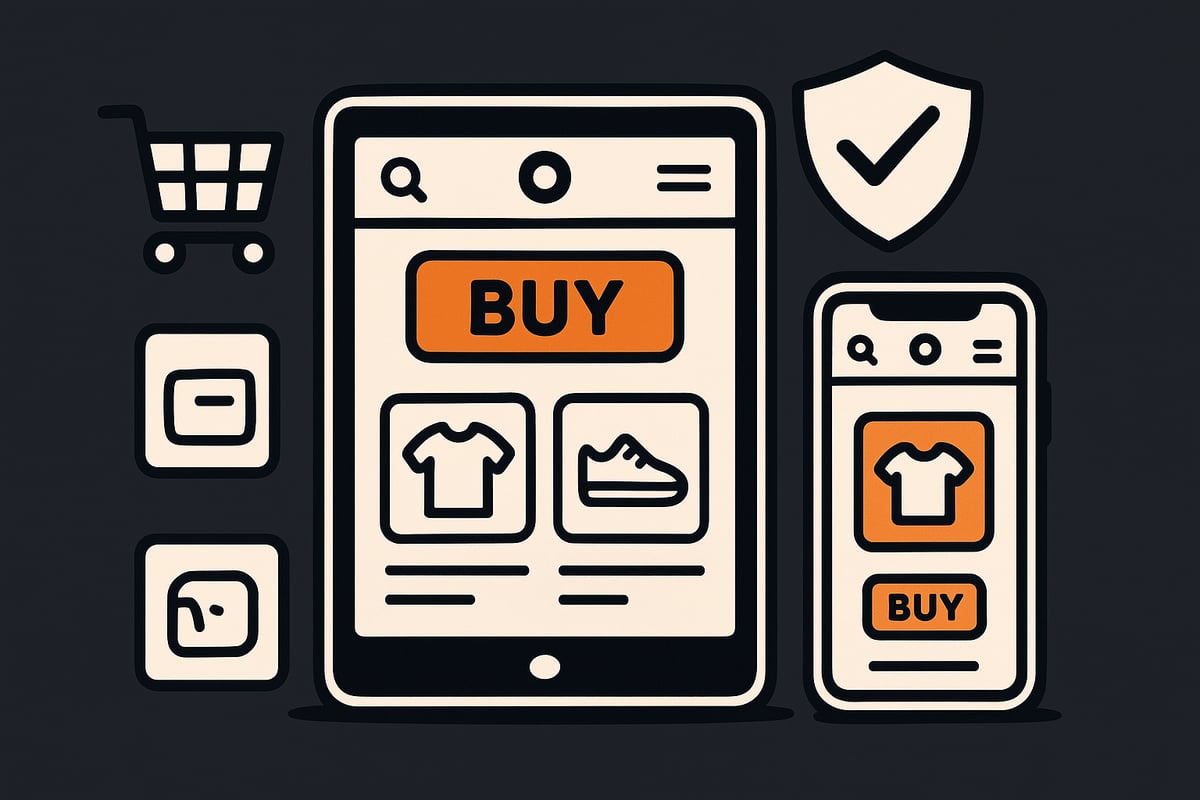
Outstanding user experience is the core of effective ecommerce web design services. Navigation should be seamless, with intuitive menus and logical categorisation that guide visitors effortlessly to their desired products. Fast-loading pages are crucial, as 53% of users will leave if a site takes more than three seconds to load.
Mobile optimisation is no longer optional. In 2026, the majority of shoppers use mobile devices, so touch-friendly interfaces and adaptive layouts are essential. Product pages should feature high-quality images, engaging videos, and clear calls-to-action to encourage conversions.
Checkout processes must be streamlined. Reduce the number of steps and offer guest checkout to minimise cart abandonment. Trust signals, such as SSL certificates, reviews, and secure payment icons, reassure customers at every stage.
Accessibility is vital, ensuring your site serves everyone. Implement WCAG-compliant design, alt text for images, keyboard navigation, and proper colour contrast. A notable example is the Poles and Blinds Magento 2/Hyvä rebuild, which placed user experience at the forefront and significantly improved shopping satisfaction.
For businesses seeking comprehensive solutions, Ecommerce design and development services provide the expertise needed to integrate these best practices into every project.
SEO and Performance Foundations
Technical excellence is what transforms ecommerce web design services from good to exceptional. Optimised URL structures, well-crafted meta tags, and the use of schema markup help search engines understand your site, boosting visibility.
Clean, crawlable code is fundamental for fast indexing and high rankings. Implementing best practices in technical SEO ensures your products can be easily found by potential customers. Integration of analytics and conversion tracking gives you the insight needed to refine your approach and measure real results.
A streamlined site not only loads faster but also ranks higher. Ensure images are compressed, scripts are optimised, and unnecessary plugins are removed. This attention to performance results in a better user experience and higher conversion rates.
For instance, Filters Direct experienced a remarkable 75% increase in sales after launching a new website optimised for both SEO and user experience. This demonstrates the tangible impact that expert ecommerce web design services can have on business growth.
Visual Branding and Storytelling
Consistent visual branding is a key driver of trust and recognition. Logos, colour palettes, typography, and messaging should be unified across every touchpoint. When ecommerce web design services incorporate these elements thoughtfully, they help establish a memorable identity that resonates with customers.
Storytelling is equally important. Use your website to share your brand’s journey, values, and unique selling points. This emotional connection goes beyond transactions and fosters long-term loyalty.
Case studies, such as Authentic Style’s bespoke designs, show how tailored branding can elevate a store’s personality and increase conversions. By showcasing your story and differentiators through design, you transform your digital shopfront into a compelling customer experience.
In summary, high-converting ecommerce web design services blend usability, technical optimisation, and strong branding. By focusing on these essential elements, businesses can create online stores that not only attract visitors but also convert them into loyal customers.
Choosing the Right Ecommerce Platform & Design Partner
Selecting the right technology foundation is one of the most critical decisions for businesses seeking ecommerce web design services. The platform you choose directly impacts scalability, performance, and the ability to deliver customer experiences aligned with evolving 2026 expectations.
Platform Comparison: Magento, Shopify, WooCommerce, BigCommerce, Laravel
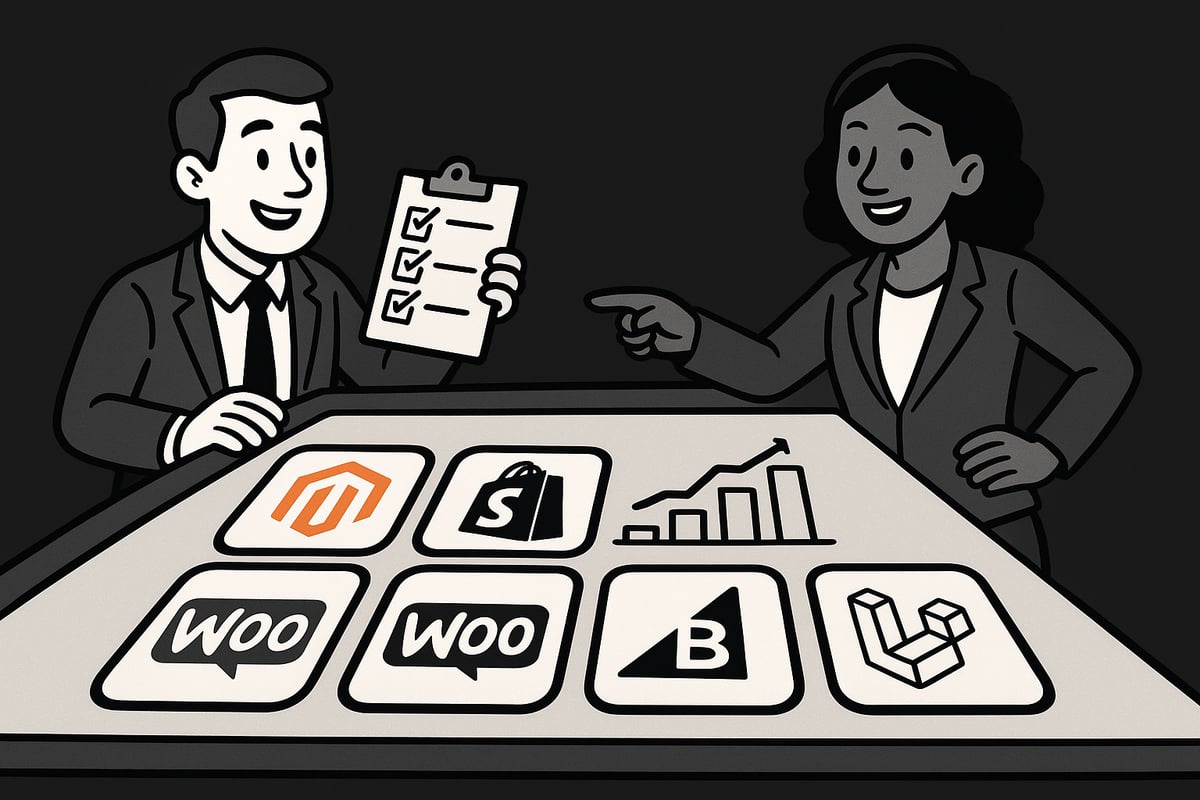
Today’s ecommerce web design services must be tailored to your business size, complexity, and growth plans. Let’s examine the major platforms driving online retail success:
| Platform | Strengths | Notable Stats |
|---|---|---|
| Magento | Robust, scalable, high-volume, secure | 5,000 downloads/day, £155B processed |
| Shopify | User-friendly, rapid deployment, mobile-first | 1.7M+ businesses, £400B GMV |
| WooCommerce | Flexible, no ongoing fees, open-source | 4M+ stores, 23% market share |
| BigCommerce | Strong marketplace integrations | 60,000+ stores, £25B merchant sales |
| Laravel | Custom, scalable, secure | Suited for unique, bespoke projects |
Magento is ideal for complex operations needing robust scalability. Shopify offers rapid go-live, designed for easy management and growth. WooCommerce appeals to those wanting flexibility and full control. BigCommerce shines with built-in marketplace connections. Laravel delivers tailored builds for unique requirements.
For a closer look at which platforms are leading among top ecommerce sites, review these E-commerce platform usage statistics. This data can help inform your ecommerce web design services strategy and platform choice.
Selecting an Ecommerce Web Design Agency
After choosing a platform, the next step is finding a partner to deliver effective ecommerce web design services. The right agency combines expertise, creativity, and technical know-how to transform your vision into a high-performing site.
When comparing agencies, consider:
- Proven experience: Look for a portfolio with successful projects on your chosen platform.
- Industry reputation: Awards, certifications, and client testimonials indicate reliability.
- In-house vs. outsourced: In-house teams offer better quality control and communication.
- Support and optimisation: Ongoing maintenance, performance monitoring, and growth services are essential.
- Case studies: Review documented success stories that mirror your business goals.
Many top agencies offer discovery workshops, UX audits, and post-launch support packages to maximise the return on your ecommerce web design services investment. Prioritise those with transparent processes and measurable results.
Harley Oliver: Award-Winning Ecommerce Design & Growth Services
Harley Oliver stands out among providers of ecommerce web design services. With over two decades of experience, this award-winning agency crafts seamless, scalable ecommerce solutions for both startups and global brands.
Their team integrates branding, design, and AI-powered features to create future-ready online stores. Harley Oliver has earned recognition from Awwwards, the Webby Awards, and Clutch for their commitment to design excellence and results.
Clients benefit from a collaborative approach, end-to-end support, and a focus on measurable growth. Whether you need a bespoke ecommerce build or ongoing digital marketing, Harley Oliver delivers ecommerce web design services designed to foster lasting customer loyalty and sustained business success.
Step-by-Step Ecommerce Web Design Process for 2026
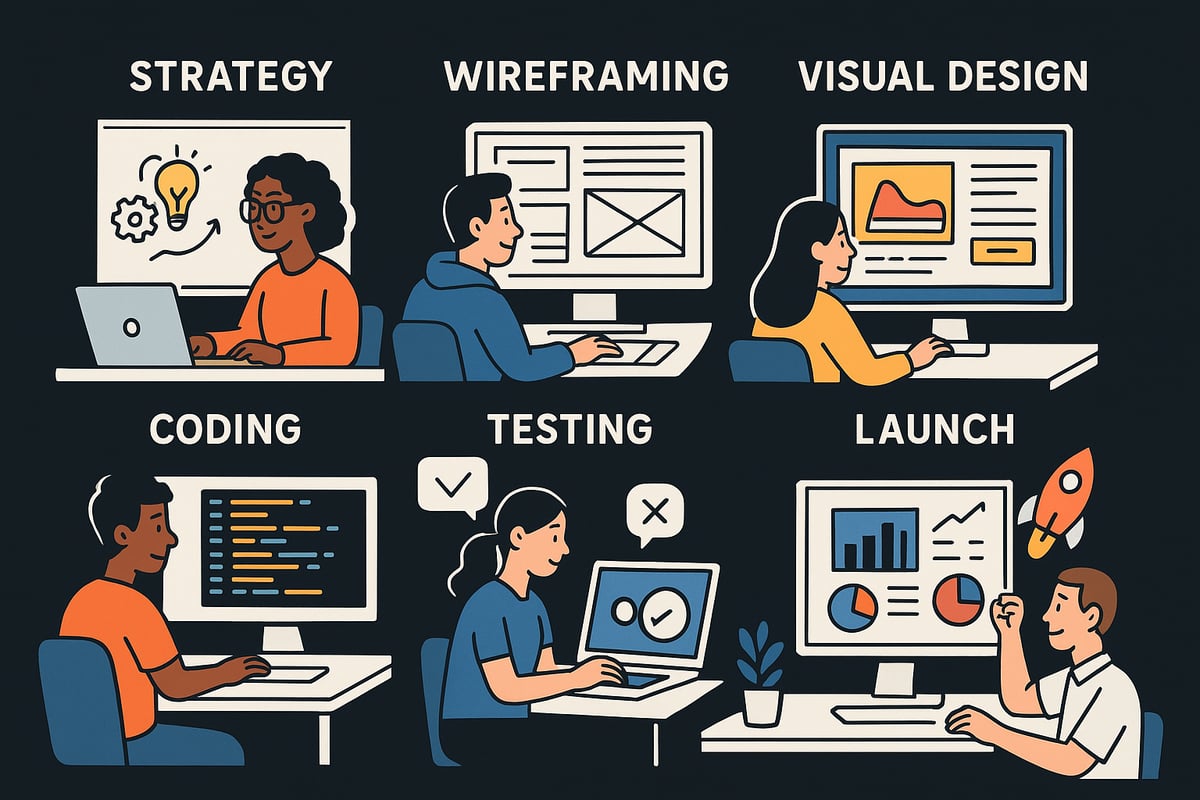
Building high-performing ecommerce web design services in 2026 requires a proven, methodical approach. Each stage, from initial discovery to post-launch support, ensures your website delivers both exceptional user experience and measurable business results. Below, we break down the step-by-step process industry leaders use to create ecommerce websites that stand out in a competitive digital landscape.
Step 1: Discovery & Strategy
Every successful ecommerce web design services project begins with a comprehensive discovery phase. At this stage, the focus is on understanding your business goals, target audience, and unique value proposition. Teams conduct competitor analysis and benchmarking to identify strengths, opportunities, and industry trends.
Key activities during discovery include:
- Stakeholder workshops to clarify objectives
- Audience research and persona development
- Defining key performance indicators (KPIs) and measurable outcomes
The insights gathered here shape the entire project, ensuring the final ecommerce solution aligns with both business needs and customer expectations.
Step 2: User Experience & Wireframing
Once the strategy is set, attention turns to user experience. Ecommerce web design services prioritise mapping customer journeys, identifying touchpoints where users interact with your brand, and planning the ideal conversion paths.
Wireframes are created for essential pages such as the homepage, product listings, cart, and checkout. These blueprints allow teams to:
- Visualise navigation and information hierarchy
- Test usability with real users before development
- Refine features and flows based on feedback
This collaborative approach ensures the website's structure supports both ease of use and high conversion rates.
Step 3: Bespoke Visual Design
With wireframes approved, the creative process begins. Expert ecommerce web design services translate your brand identity into compelling visuals, ensuring consistency across all devices and touchpoints.
Designers focus on:
- Responsive layouts for mobile, tablet, and desktop
- Engaging colour schemes, typography, and imagery
- Micro-interactions and subtle animations to enhance engagement
The result is a visually stunning, user-centric interface that builds trust and reinforces your brand's story. Each design decision is made with conversion and accessibility in mind.
Step 4: Development & Platform Integration
After finalising the visuals, development kicks off. The ecommerce web design services team builds your site on the chosen platform, such as Magento, Shopify, or WooCommerce, ensuring seamless integration with essential tools and services.
Key technical tasks include:
- Setting up secure payment gateways and third-party APIs
- Implementing mobile optimisation and cross-browser compatibility
- Integrating logistics and marketing platforms for automation
A practical example of this process can be found in the Muse ecommerce case study, which showcases how robust development and integration elevate both customer experience and operational efficiency.
Step 5: Testing & Quality Assurance
Before launch, thorough testing is essential to guarantee reliability and performance. Ecommerce web design services carry out multiple rounds of checks, including:
- Functional testing to ensure all features work as intended
- Performance optimisation for fast loading times
- Security audits and accessibility compliance reviews
User acceptance testing (UAT) involves real customers or stakeholders, providing feedback for final refinements. This attention to detail helps reduce post-launch issues and builds a foundation of trust.
Step 6: Launch & Ongoing Support
The final step is launching your ecommerce website and providing ongoing support. Ecommerce web design services manage a smooth go-live process, monitoring analytics and resolving any immediate issues quickly.
Post-launch, the focus shifts to:
- Regular maintenance and security updates
- Performance optimisation based on real user data
- Flexible support packages to fit business needs
Continuous improvement is key in ecommerce. By partnering with a trusted provider, you ensure your site evolves with technology and customer expectations, keeping you ahead in a rapidly changing market. Investing in the right support helps you unlock the full potential of your ecommerce web design services.
Integrations, Optimisation, and Future-Proofing Your Ecommerce Site
As ecommerce web design services evolve, seamless integration and ongoing optimisation have become the backbone of successful online stores. In 2026, the right integrations are not just a convenience, they are a necessity for delivering superior user experiences, driving conversions, and ensuring long-term growth. Businesses that embrace cutting-edge integrations and optimise continuously are better positioned to compete, adapt, and thrive.
Essential Integrations for Modern Ecommerce
To maximise the value of ecommerce web design services, businesses must integrate a powerful ecosystem of tools. Payment gateways like Klarna, Stripe, PayPal, and Apple Pay offer flexibility for customers, boosting conversion rates. Shipping and logistics providers, including Royal Mail and UPS, streamline order fulfilment and enable real-time tracking, which enhances transparency and trust.
Inventory and ERP integrations with platforms such as Xero, Sage, and NetSuite ensure accurate stock management and automate financial processes. CRM and marketing automation tools like HubSpot and Mailchimp allow for advanced customer segmentation and targeted campaigns. Marketplace integrations with Amazon, eBay, and Google Shopping open additional sales channels and expand reach.
| Integration Type | Leading Solutions | Key Benefits |
|---|---|---|
| Payments | Klarna, Stripe, PayPal, Apple Pay | Increased checkout flexibility |
| Shipping/Logistics | Royal Mail, UPS | Automated tracking, fast delivery |
| Inventory/ERP | Xero, Sage, NetSuite | Real-time stock, financial sync |
| CRM/Marketing | HubSpot, Mailchimp | Personalised campaigns, segmentation |
| Marketplaces | Amazon, eBay, Google Shopping | Multi-channel reach |
For instance, BigCommerce’s built-in integrations with major marketplaces demonstrate how ecommerce web design services can empower rapid expansion. Choosing the right integrations is essential for both operational efficiency and customer satisfaction.
Conversion Rate Optimisation (CRO) Strategies
CRO lies at the heart of high-performing ecommerce web design services. By systematically improving how users interact with your site, you can convert more visitors into loyal customers. A/B testing of layouts, calls to action, and product pages reveals what resonates with your audience. Personalised product recommendations powered by AI and machine learning deliver content that matches individual preferences, significantly increasing average order value.
Exit intent popups, live chat support, and customer support widgets help capture hesitant shoppers and resolve queries in real time. As highlighted by Envisage Digital, these tactics, when combined, can drive measurable improvements in conversion rates.
To dive deeper into how AI is transforming personalisation and driving dynamic customer experiences, explore this AI-driven personalization in eCommerce resource. Leveraging such innovations in ecommerce web design services gives businesses a distinct competitive advantage.
Security, Compliance, and Trust
Robust security and compliance are non-negotiable in ecommerce web design services. PCI DSS compliance ensures secure payment processing, while SSL certificates protect customer data during transactions. GDPR readiness is crucial for businesses operating in or serving the UK and EU, safeguarding user privacy and avoiding regulatory penalties.
Regular security audits and code reviews are essential for identifying vulnerabilities before they can be exploited. Displaying trust badges and verified customer reviews builds confidence, encouraging users to complete their purchases. Magento, for example, is renowned for its strong security features, making it a popular choice for businesses prioritising safety and compliance.
Key security and trust elements to implement:
- PCI DSS-compliant payment processing
- SSL certificates for encrypted connections
- GDPR-compliant data handling
- Trust badges and visible reviews
- Scheduled security audits
A focus on security within ecommerce web design services not only protects your business but also reassures customers at every stage of their journey.
Preparing for the Future: Scalability & Emerging Tech
The future of ecommerce web design services is defined by adaptability and innovation. Headless commerce and composable architecture grant businesses the flexibility to decouple the front end and back end, enabling rapid updates and seamless integration with emerging technologies. To understand the latest adoption statistics and benefits, see these headless commerce adoption trends.
Adapting to new payment methods, such as cryptocurrency and buy now, pay later (BNPL) options, helps meet evolving customer expectations. Sustainability and ethical design are becoming differentiators, influencing purchasing decisions and brand loyalty.
Embracing AI-driven personalisation and automation ensures your ecommerce web design services remain ahead of the curve. WooCommerce’s plugin ecosystem, for instance, allows for swift adoption of new features and technologies, keeping your business future-ready.
A forward-thinking approach to ecommerce web design services is crucial for scaling efficiently and maintaining a competitive edge in a rapidly changing digital landscape.
FAQs: Ecommerce Web Design Services in 2026
Navigating the world of ecommerce web design services in 2026 can be complex. Businesses often have a range of pressing questions about costs, timelines, platform choices, and ongoing support. Here, we address the most frequently asked questions to help you make informed decisions and maximise your digital investments.
How much does an ecommerce website cost in 2026?
The cost of ecommerce web design services in 2026 varies widely. A basic site might start at £3,500, while more advanced, bespoke solutions can exceed £20,000. Factors influencing price include platform selection, custom functionality, integrations, and ongoing support requirements.
| Project Scope | Estimated Cost | Timeline |
|---|---|---|
| Starter Ecommerce Site | £3,500–£8,000 | 6–8 weeks |
| Bespoke Mid-Scale Site | £8,000–£15,000 | 8–12 weeks |
| Enterprise Solution | £15,000–£20,000+ | 12+ weeks |
A transparent proposal from your agency will outline all anticipated costs for ecommerce web design services.
How long does a typical ecommerce web design project take?
Most projects span 6 to 12 weeks, depending on the complexity, number of integrations, and feedback cycles. Simpler builds are completed faster, while larger, custom projects require more time for design, development, and testing phases.
Which platform is best for my business size and needs?
Selecting the right platform is crucial. Shopify suits rapid deployment and ease of use, Magento offers scalability for complex needs, WooCommerce provides flexibility and full control, and BigCommerce excels in marketplace integration. Laravel is ideal for highly customised solutions. Your choice should align with business goals, growth plans, and in-house capabilities.
Can agencies help with replatforming and migration from legacy systems?
Yes, most agencies specialising in ecommerce web design services offer migration and replatforming expertise. They assess your current setup, plan secure data transfers, and minimise downtime. This ensures a smooth transition to modern platforms without disrupting your business operations.
What level of ongoing support and maintenance should I expect?
Ongoing support is essential for security, performance, and continuous improvement. Agencies typically provide tiered packages, starting from £59/month for essentials like updates, security patches, and bug fixes. Higher tiers may include analytics, conversion optimisation, and strategic consulting.
Do agencies provide hosting and content creation services?
Many providers of ecommerce web design services include hosting, with 99% of agency-built sites hosted on robust, managed platforms. Content creation, such as product copy, imagery, and SEO-focused writing, may also be provided or available as an add-on. For more details, see the Frequently asked ecommerce questions.
What are the key features to request in a proposal?
Your proposal should detail platform choice, UX/UI approach, mobile optimisation, integration requirements, accessibility compliance, SEO, and support offerings. Ask for examples of previous projects and transparent timelines. For broader planning, review the Website design and development guide.
How do I measure the ROI of ecommerce web design services?
ROI measurement involves tracking sales growth, conversion rates, average order value, and customer retention after launch. Integration of analytics and regular reporting will help you assess the impact of your investment in ecommerce web design services. Agencies like Authentic Style provide tailored scoping, support, and hosting to maximise returns.