
Website Design for Digital Marketing: The 2026 Success Guide
In 2026, the digital landscape is evolving rapidly, and website design for digital marketing is now the driving force behind online success. No longer merely about visual appeal, your website is at the core of every effective marketing strategy.
This article uncovers how website design for digital marketing will shape business results in the coming years. Discover the latest design trends, user experience strategies, technical essentials, and clear steps to prepare your digital presence for the future.
Are you ready to unlock the synergy between design and marketing? Let expert insights guide you towards a high-performing, future-proof website that stands out in 2026.
The Evolving Role of Website Design in Digital Marketing
Website design for digital marketing has transformed rapidly, becoming a core driver of online success. In 2026, the relationship between design and marketing is stronger than ever, shaping how brands connect with audiences, build trust, and achieve measurable growth.

The Shift from Static Sites to Dynamic Digital Experiences
The days of static, brochure-style websites are over. Today, website design for digital marketing focuses on creating interactive and conversion-oriented platforms. Brands are moving towards web apps and immersive storytelling, inviting users to explore and engage rather than simply browse.
For example, many leading businesses now use interactive product demos or configurators to boost engagement and facilitate informed decision-making. If you want inspiration for what works, explore these Best Digital Marketing Website Design Ideas to see how top brands are innovating. This evolution means that every design choice is now a strategic marketing decision.
Integrating Brand Identity with User Experience (UX)
Cohesive branding is essential across all digital touchpoints. Website design for digital marketing now places equal emphasis on visual identity and seamless user experience. A unified look and feel fosters trust and recognition, making visitors more likely to become loyal customers.
User experience is not just about aesthetics; it drives retention and loyalty. According to 2023 research, 88% of users do not return to a site after a poor experience. Clear branding and intuitive navigation encourage repeat visits, increasing the effectiveness of digital marketing campaigns.
The Impact of AI and Automation on Design
Artificial intelligence is redefining website design for digital marketing. AI-driven personalisation tailors content and recommendations to individual users, increasing relevance and engagement. Automation tools streamline A/B testing and ongoing UX optimisation, allowing brands to quickly adapt to user preferences.
AI chatbots are now common, guiding visitors through product selections or support queries. E-commerce brands, in particular, report higher conversions when leveraging AI-powered features. The integration of these technologies ensures digital experiences are both efficient and impactful.
Data-Driven Design Decisions
Data analytics play a critical role in website design for digital marketing. Successful brands use analytics to inform everything from page layouts to call-to-action placement. Tools like heatmaps and user journey mapping provide insights into how visitors interact with content.
A notable case study saw a retailer increase sales by 30% after redesigning their site based on analytics. By continuously monitoring performance data, businesses can make informed decisions, refine user flows, and maximise conversion rates.
Omnichannel Consistency and Seamless Integration
Consistency is key in website design for digital marketing, especially as users interact across multiple devices and platforms. Brands must maintain a unified visual identity and messaging whether the audience is browsing on mobile, engaging via social media, or receiving email campaigns.
Seamless integration with social, email, and paid channels creates a cohesive brand experience. For example, aligning website visuals with app interfaces and social profiles strengthens recognition and trust. This holistic approach ensures every digital touchpoint works together to support marketing objectives.
Essential Website Design Trends Shaping 2026
Staying ahead in website design for digital marketing means embracing trends that prioritise both user experience and measurable results. As we look to 2026, the most successful digital brands will be those who blend innovation with accessibility, speed, and sustainability. Let us explore the essential website design trends shaping the future of digital marketing.
Minimalism and Micro-Interactions
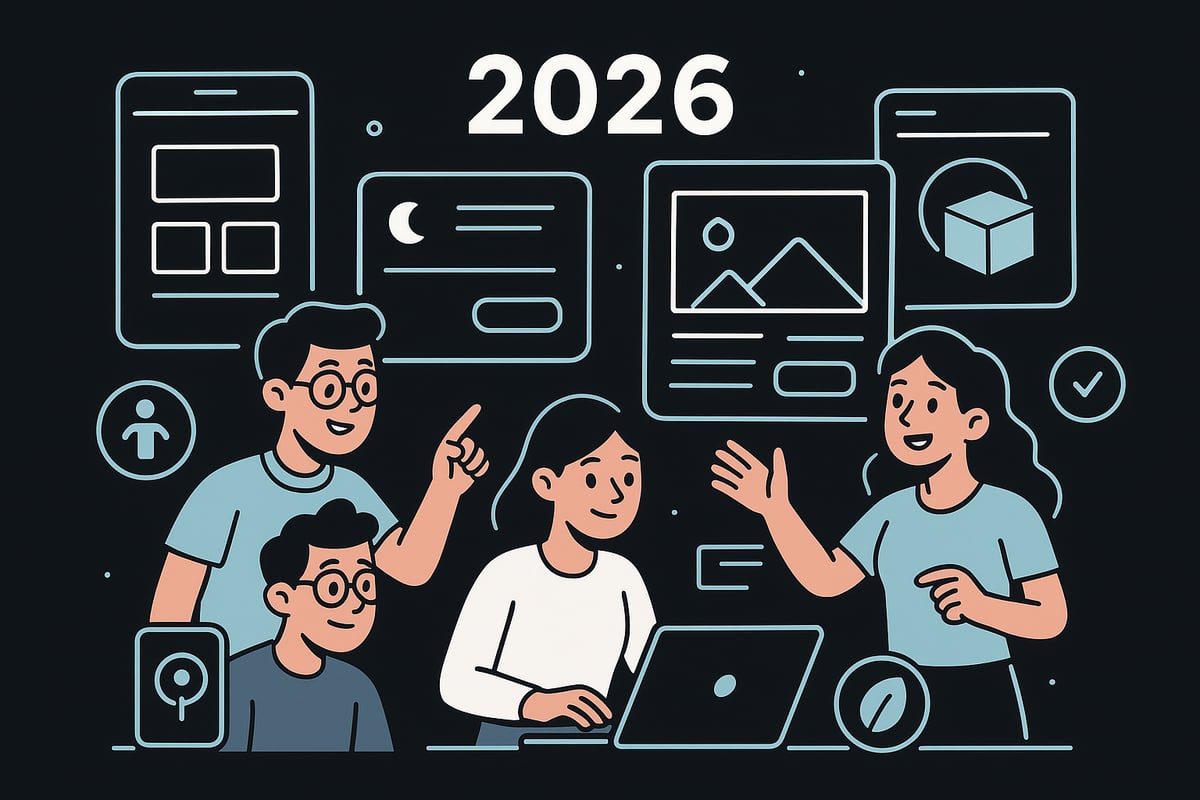
Minimalism is redefining website design for digital marketing, focusing on clean layouts and removing distractions to boost conversions. Brands are now leveraging micro-interactions such as subtle hover effects and animated buttons to keep users engaged without overwhelming them. According to HubSpot, minimalist sites enjoy a 15 percent higher conversion rate. For a deeper dive into how micro-animations and streamlined design will shape the digital landscape, see this Web Design Trends 2026 guide.
- Clean interfaces reduce cognitive load
- Micro-animations offer instant feedback
- Increased clarity leads to higher engagement
Businesses prioritising simplicity and interactivity are seeing notable gains in digital marketing effectiveness.
Mobile-First and Responsive Design
By 2026, mobile traffic is expected to exceed 65 percent, making mobile-first design a non-negotiable for website design for digital marketing. Responsive layouts ensure sites look and function perfectly on any device, directly impacting SEO and user retention. Google’s mobile-first indexing means sites that ignore mobile optimisation risk losing visibility and traffic.
- Adaptive grids and flexible images
- Touch-friendly navigation
- Fast loading across devices
A leading retailer recently increased mobile sales by 40 percent after prioritising mobile-first design, showing the tangible impact of this trend.
Accessibility and Inclusive Design
Inclusive website design for digital marketing is both a legal requirement and a business imperative. Accessible sites use alt text, keyboard navigation, and proper colour contrast to ensure everyone can engage with content. WebAIM reports that 71 percent of disabled users immediately leave inaccessible sites.
Practical steps:
- Descriptive alt attributes for images
- Logical tab order for navigation
- Sufficient contrast for readability
Investing in accessibility not only avoids legal issues but also expands your audience and builds brand trust.
Dark Mode and Customisation Options
User demand for dark mode and personalisation is shaping modern website design for digital marketing. Dark mode reduces eye strain and can increase session duration, while customisable interfaces enhance user comfort and reinforce brand loyalty.
- Toggle switches for light/dark themes
- Personalised dashboards or layouts
- Consistent branding across modes
Offering these options helps position your brand as user-centric and forward-thinking, improving satisfaction and retention.
Advanced Visual Storytelling: Video, 3D, and AR
In 2026, advanced storytelling tools will be at the heart of website design for digital marketing. Brands are integrating video backgrounds, interactive 3D product renders, and AR experiences to capture attention and drive engagement. For example, a fashion brand saw a 50 percent increase in dwell time after launching an AR try-on tool.
- Immersive video headers
- Rotatable product models
- Augmented reality experiences
These features make digital interactions memorable and boost conversions in competitive markets.
Sustainability and Eco-Friendly Design
Sustainability is now a core value in website design for digital marketing. Eco-conscious hosting, optimised images, and visible green credentials signal trust and responsibility to consumers. Deloitte found that 60 percent of consumers prefer brands with sustainable digital practices.
Key approaches:
- Choose green hosting providers
- Compress images for lower energy use
- Promote sustainable policies on-site
As environmental awareness grows, integrating sustainability into your design strategy is essential for long-term success.
Step-by-Step Guide to Designing a Website for Digital Marketing Success
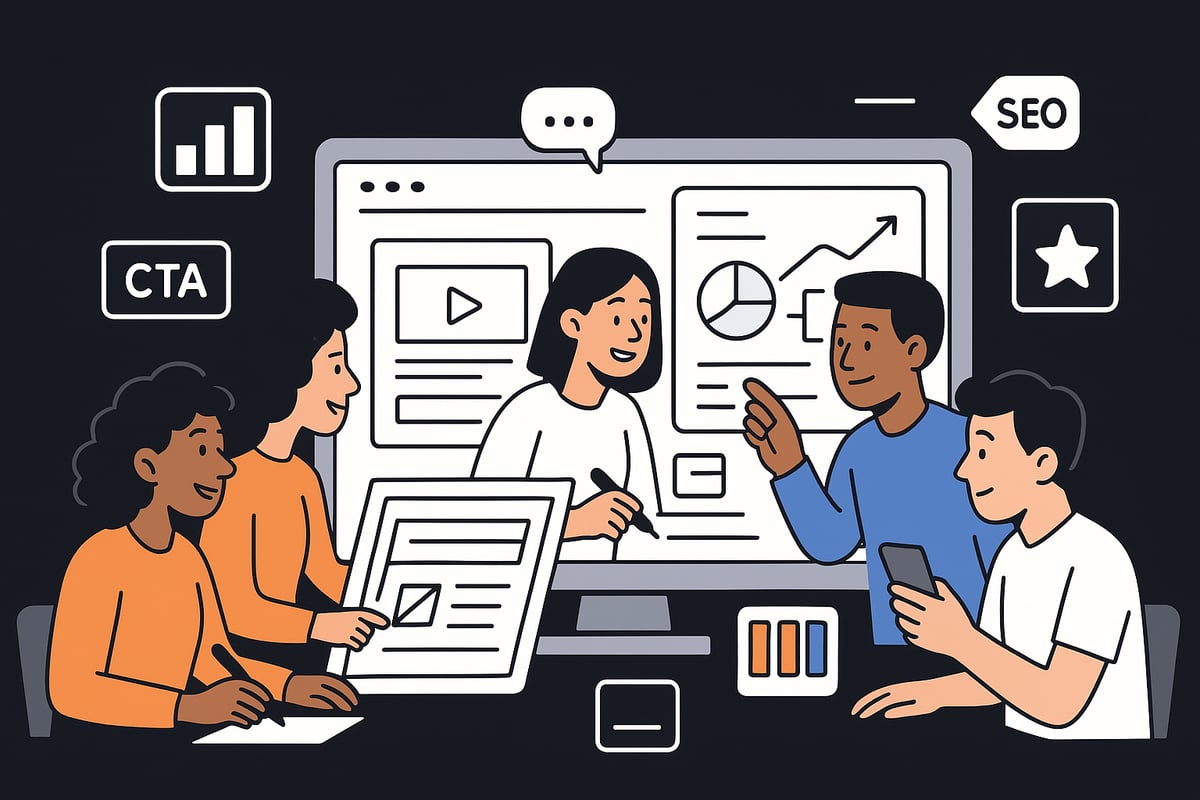
Designing a high-performing website is a structured process that blends strategy, creativity, and technology. By following these seven essential steps, you can ensure your website design for digital marketing delivers measurable results and remains future-ready.
Step 1: Define Clear Marketing Objectives
Start with a clear vision. Every successful website design for digital marketing begins by aligning site goals with your broader marketing strategy.
Ask yourself: Are you focused on generating leads, boosting sales, or increasing brand awareness? For example, a SaaS company might target demo sign-ups and newsletter growth as key performance indicators. This clarity shapes every design decision and ensures your website works as a growth engine.
- Define your primary conversion goals
- Set measurable KPIs
- Align objectives with overall business strategy
Without well-defined objectives, even the most visually appealing site can miss the mark.
Step 2: Understand and Map the User Journey
To master website design for digital marketing, you must know your audience. Develop detailed user personas that capture motivations, pain points, and behaviours.
Map every touchpoint from the moment users discover your brand to their final conversion. Use empathy mapping and journey visualisation tools to step into your users' shoes.
- Identify critical decision moments
- Highlight barriers and opportunities
- Visualise the path from awareness to action
By anticipating needs at each stage, you can create a seamless experience that guides users towards your goals.
Step 3: Wireframing and UX Prototyping
Effective wireframing is the foundation of website design for digital marketing. Sketch out layouts that prioritise intuitive navigation and clear conversion paths.
Develop interactive prototypes and test them with real users to gather actionable feedback. This iterative approach helps you spot friction points before launch.
- Use tools like Figma, Sketch, or Adobe XD
- Focus on mobile-first layouts
- Test prototypes with diverse user groups
For a deeper dive on best practices, explore the Website Design and Development Services page for insights into successful design workflows.
Step 4: Design for Visual Impact and Brand Consistency
A cohesive visual identity is non-negotiable in website design for digital marketing. Apply your brand guidelines to typography, colour palettes, and imagery across every page.
Consistent use of logos, icons, and tone of voice builds trust and reinforces recognition. Every design element should reflect your core values and messaging.
- Create a brand style guide
- Use high-quality, relevant imagery
- Maintain visual consistency across platforms
This attention to detail ensures your digital presence stands out and strengthens your brand positioning.
Step 5: Build with SEO and Performance in Mind
Optimising website design for digital marketing means building with search engines and users in mind. Use semantic HTML, implement schema markup, and compress images for fast load times.
Prioritise mobile optimisation and ensure your site meets Google's Core Web Vitals for top performance. Fast, accessible sites not only rank higher but also convert better.
<!-- Example of semantic HTML for a call-to-action -->
<section>
  <h2>Start Your Free Trial</h2>
  <button>Sign Up Now</button>
</section>
By embedding SEO and speed from the outset, you lay the groundwork for sustainable digital growth.
Step 6: Integrate Marketing Tools and Analytics
A data-driven approach is essential in website design for digital marketing. Connect your CRM, email marketing platform, live chat, and analytics tools to track user behaviour and campaign ROI.
Integrated systems provide a unified view of your marketing performance, enabling smarter decisions and timely adjustments.
- Set up Google Analytics and conversion tracking
- Integrate live chat for real-time engagement
- Sync email capture forms with your CRM
This holistic setup turns your website into a central hub for digital marketing intelligence.
Step 7: Test, Launch, and Continuously Optimise
The final step in website design for digital marketing is ongoing improvement. Before launch, conduct usability, speed, and security testing to catch issues early.
Set up A/B tests to refine messaging, layouts, and calls-to-action. Monitor key metrics post-launch and use insights for continuous optimisation.
- Run usability tests with target users
- Monitor site speed and fix bottlenecks
- Schedule regular security audits
A commitment to testing and iteration keeps your website performing at its best and ready for the evolving digital landscape.
Technical Foundations: Building for Performance, SEO, and Security
A high-performing website design for digital marketing is built on robust technical foundations. These pillars—speed, SEO, security, scalability, and maintenance—are essential for driving traffic, conversions, and trust in 2026.
Speed and Performance Optimisation
Website speed directly impacts user satisfaction and conversion rates. In website design for digital marketing, optimising for performance is non-negotiable. Techniques such as lazy loading images, compressing media files, and minifying code ensure pages load quickly on any device.
A one-second delay in load time can reduce conversions by 7 percent, making every millisecond count. Use browser caching and a content delivery network (CDN) to further boost speed. Prioritising performance not only enhances user experience but also drives higher search rankings and ROI.
SEO-Driven Architecture
A solid SEO foundation is vital for website design for digital marketing. Start with a logical site structure that enables easy navigation for users and search engines alike. Use internal linking to guide visitors to high-value content and improve crawlability.
Implement schema markup to help search engines understand your pages and unlock rich results in search listings. Properly structured URLs, semantic HTML, and optimised meta tags further support strong organic visibility. These architectural choices set the stage for long-term marketing success.
Security and Privacy by Design
Trust is central to website design for digital marketing. Secure your site with HTTPS and an SSL certificate, protecting both user data and your brand reputation. Integrate secure payment gateways for e-commerce and ensure all sensitive transactions are encrypted.
Compliance with GDPR and other privacy regulations is essential. Regularly update your privacy policy and implement consent management tools. Strong security practices build confidence, reduce risk, and safeguard business continuity.
Scalability and Future-Proofing
As digital marketing evolves, website design for digital marketing must adapt. Modular design systems and headless CMS solutions allow for seamless updates and expansion as your needs change. Prepare your platform for emerging technologies like voice search, AI personalisation, and Web3.
For inspiration on future-ready trends, see this Guide to Modern Web App Design Trends. Future-proofing ensures your site remains competitive and resilient, no matter what the digital landscape brings.
Monitoring and Maintenance
Ongoing monitoring and maintenance keep your website design for digital marketing performing at its best. Use automated uptime monitoring to catch issues quickly. Schedule regular security audits to detect vulnerabilities before they escalate.
Proactive maintenance prevented a major retailer from experiencing a costly data breach, highlighting the value of vigilance. Consistent updates and testing ensure your site stays secure, fast, and effective for years to come.
Leveraging Content and Conversion Strategies in Web Design
In 2026, content and conversion strategy are the engines powering website design for digital marketing. Brands are no longer just presenting information, they are crafting immersive experiences that guide visitors towards action. Effective content formats and conversion tactics are now essential for any business seeking measurable online growth.
High-Impact Content Formats
High-impact content is reshaping website design for digital marketing. Today’s visitors expect more than static text. They want videos that demonstrate solutions, case studies that build trust, and testimonials that speak to real results.
Interactive tools, such as calculators or quizzes, are especially powerful. For example, a B2B company doubled its leads by offering a value calculator on its homepage. If you want to explore further, the Essential Guide to Digital Work covers how digital content formats are evolving for marketing professionals.
Conversion-Driven Layouts and CTAs
Modern website design for digital marketing relies on layouts that direct attention and drive results. The F-shaped reading pattern is a proven approach, placing key messages and calls-to-action where users naturally focus.
Personalised CTAs, tailored to each visitor’s needs, convert 202 percent better than generic ones. By strategically positioning CTAs and keeping layouts clean, you can guide users smoothly from curiosity to conversion.
Landing Pages and Sales Funnels
Landing pages are the backbone of website design for digital marketing campaigns. Each page is crafted for a specific goal, whether capturing leads from a paid ad or nurturing visitors in a sales funnel.
A/B testing is essential for optimising these pages. By comparing headlines, images, and CTA placements, you can refine both messaging and design to maximise conversions.
Trust Signals and Social Proof
Trust is non-negotiable in website design for digital marketing. Displaying reviews, certifications, and awards immediately reassures visitors they are in safe hands.
Trust badges, such as secure checkout icons or industry accreditations, have been shown to increase checkout rates by 12 percent. Social proof, from customer testimonials to case studies, can tip the balance in your favour at pivotal decision points.
Content Personalisation and Dynamic Messaging
Content personalisation is transforming website design for digital marketing. AI-powered content blocks adapt headlines, images, and offers in real time to match user behaviour.
This dynamic approach boosts engagement, lowers bounce rates, and encourages repeat visits. For a deeper look at how AI is changing the landscape, see AI in Web Design, which explores the latest advances in personalisation and user experience.
Harley Oliver: Award-Winning Website Design for Digital Marketing Growth
Harley Oliver stands at the forefront of website design for digital marketing, blending over 20 years of expertise with a passion for innovation. Recognised by Awwwards, Webby Awards, and CSSDA, their team delivers high-impact digital experiences for brands of all sizes.
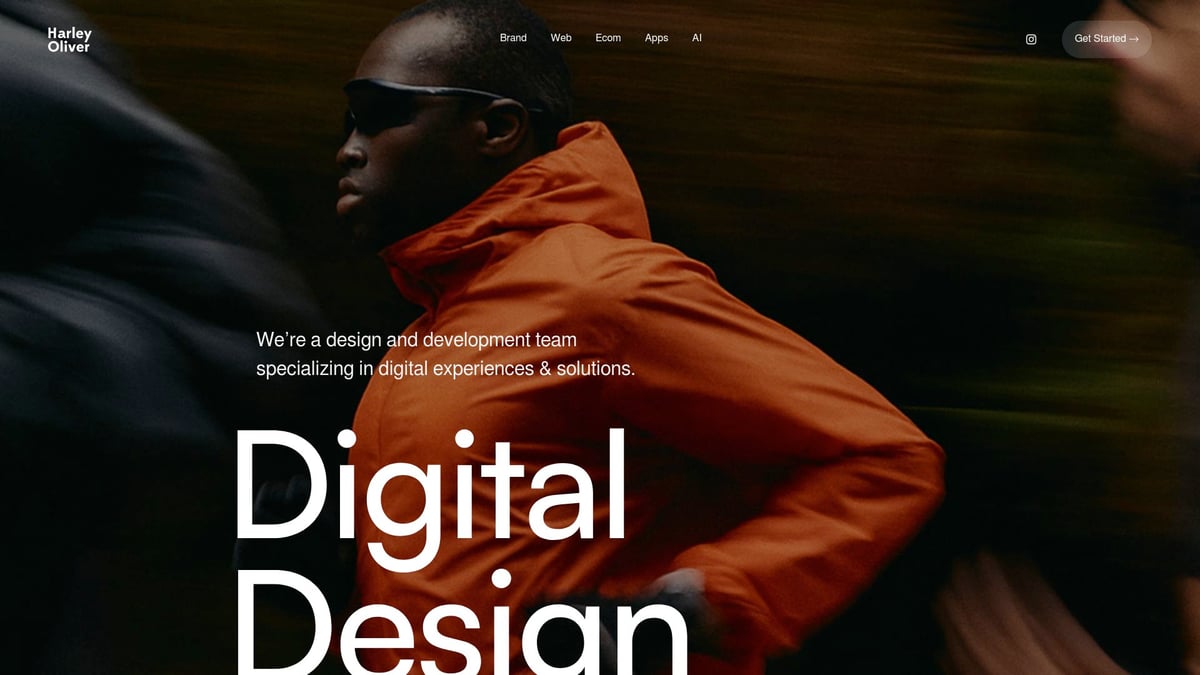
From brand strategy and web development to e-commerce and ongoing growth support, Harley Oliver creates tailored solutions that drive measurable results. Their consultative process ensures every website reflects each client’s unique story and goals.
With a strong focus on AI-driven solutions and an understanding of AI's Impact on Internet Use, Harley Oliver future-proofs your digital presence for 2026 and beyond.