
7 Inspiring Web Apps Design Trends to Watch in 2025
Web apps design is evolving at an unprecedented pace as we move towards 2025. Staying ahead of these changes is crucial for anyone looking to deliver modern, competitive digital experiences.
Emerging trends in web apps design are shaping how users interact, perceive brands, and make decisions. The right design choices can boost engagement, drive conversions, and set your business apart.
In this article, we unveil seven inspiring web apps design trends that will define 2025. Expect actionable insights and real-world examples to help designers, developers, and business leaders create user-centred, visually stunning, and future-ready web apps.
The Evolution of Web App Design: Setting the Stage for 2025
The landscape of web apps design has transformed rapidly, with innovation now at the forefront. In the past, basic functionality was the primary goal, but today, users expect much more from every digital interaction.
The Shift from Functionality to Experience
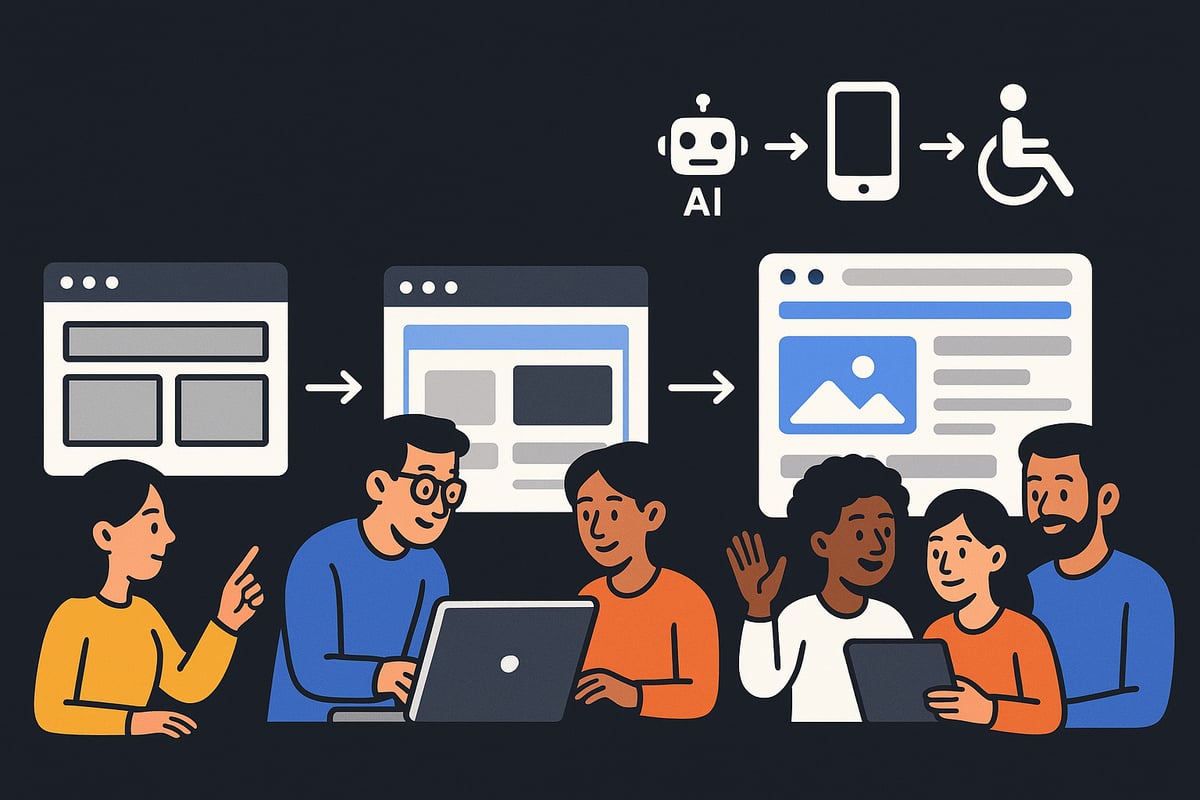
Historically, web apps design prioritised getting the job done. Early web apps focused on efficiency and basic usability, often overlooking emotional connection or delight. However, as digital competition increased, brands began to realise that user experience (UX) could be a differentiator.
Modern web apps design now centres around how users feel and interact. Companies like Airbnb and Duolingo have reimagined their platforms to foster engagement and loyalty, proving that intuitive and enjoyable experiences drive success.
Key Drivers Behind 2025’s Design Trends
Several forces are shaping web apps design as we approach 2025. Technological advancements, such as artificial intelligence, machine learning, and automation, are enabling smarter, more adaptive interfaces. The mobile-first mindset, combined with growing cross-platform expectations, means users want seamless experiences everywhere.
Additionally, users now demand faster load times, greater accessibility, and personalisation at scale. According to Web design statistics 2025, over half of global web traffic comes from mobile devices, and AI adoption in web apps design is accelerating. Meeting these expectations is critical for staying relevant and competitive.
The Role of Visual Storytelling and Brand Identity
Compelling visuals and strong narratives are now essential in web apps design. Brands that weave stories through design elements build stronger trust and emotional bonds with users. A consistent and memorable visual identity does more than catch the eye, it can directly influence conversion rates and brand loyalty.
Data shows that cohesive branding in web apps design can boost user retention and increase engagement. Elements such as custom illustrations, bold colour schemes, and animated feedback help turn ordinary interactions into memorable experiences.
The Importance of Accessibility and Inclusivity
Accessibility is no longer optional in web apps design. Legal standards and ethical considerations demand that digital products are usable by all, regardless of ability. With 15% of the global population experiencing some form of disability, designing for inclusivity opens brands to a wider audience.
Features like high-contrast modes, keyboard navigation, and screen reader compatibility are now standard. Prioritising these aspects not only ensures compliance but also enhances usability for everyone.
Real-World Examples of Design Evolution
Many leading brands have successfully evolved their web apps design to meet new demands. Microsoft, for example, has overhauled its Office suite interfaces to be more intuitive and accessible. On the other hand, some companies have struggled, with outdated designs leading to user frustration and declining engagement.
Lessons from both successes and failures highlight the importance of continuous improvement, user feedback, and adapting to emerging trends. By learning from real-world examples, designers and business leaders can avoid common pitfalls and create future-ready web apps.
7 Inspiring Web Apps Design Trends to Watch in 2025
The landscape of web apps design is evolving rapidly, setting new standards for creativity, usability, and innovation. As we look to 2025, seven standout trends are poised to redefine how users interact with digital products. These trends blend cutting-edge technology with human-centred thinking, ensuring web apps design not only meets but exceeds growing expectations.
Below, we explore each trend in depth, offering actionable insights and real-world examples to inspire your next project.
1. Hyper-Personalised User Experiences
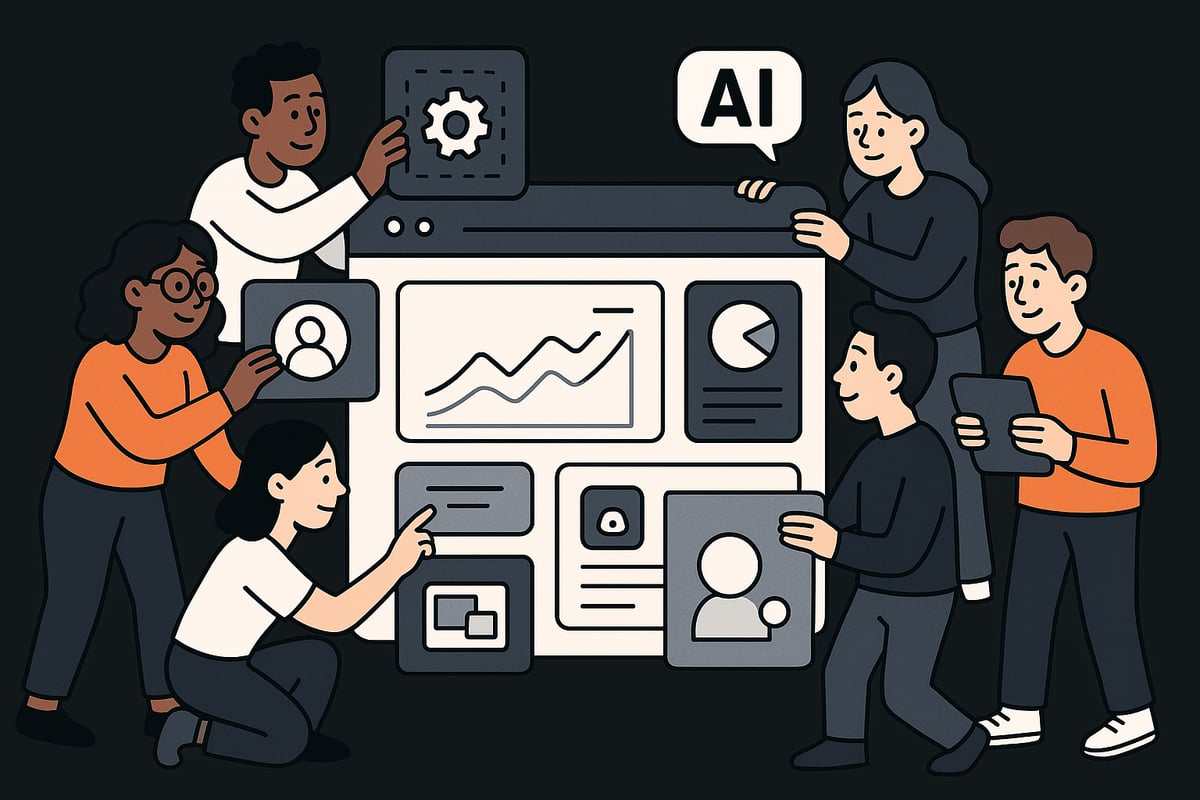
Personalisation is taking centre stage in web apps design, driven by rapid advances in artificial intelligence and machine learning. In 2025, users expect every digital experience to feel uniquely tailored, whether they are browsing content, shopping, or managing tasks.
AI-powered personalisation engines now analyse behaviour, preferences, and context in real time. This allows web apps design to deliver dynamic content, adaptive layouts, and contextual recommendations. Netflix’s dashboard, for example, changes based on viewing habits, while Spotify curates playlists to individual tastes.
The impact on engagement, retention, and satisfaction is significant. According to Cygnis, 74% of users feel frustrated when content is not personalised. This shift has prompted the adoption of tools like TensorFlow, Segment, and personalisation APIs, enabling businesses to scale adaptive experiences across their platforms.
Privacy remains a top concern, so web apps design must prioritise transparency and user consent. Clear data policies and opt-in features help build trust.
Gartner predicts that by 2028, over 20% of workplace applications will use AI-driven personalisation algorithms for adaptive experiences, underscoring the importance of AI-driven personalization in web apps.
Key elements of hyper-personalised web apps design:
- Real-time content adaptation
- User-specific dashboards and flows
- Intelligent notifications and recommendations
As personalisation becomes the norm, the most successful web apps design will be those that make every user feel seen and valued.
2. Immersive Micro-Interactions and Advanced Animations
Micro-interactions are subtle, purposeful animations or responses that provide feedback, guide users, and add delight to digital experiences. In modern web apps design, these details are more than just decoration—they shape habit formation and foster loyalty.
For instance, Asana’s celebratory animations when completing tasks and Slack’s playful loading screens create small moments of satisfaction. These features help users feel rewarded, informed, and engaged, making them more likely to return.
Research shows that well-designed micro-interactions in web apps design increase engagement and reduce bounce rates. Animations for onboarding, form validation, or navigation cues make interfaces feel intuitive and responsive.
Best practices in web apps design balance animation with performance. Animations should load quickly, avoid overwhelming the user, and serve a clear purpose. Using CSS transitions, SVG animations, and lightweight libraries like Lottie ensures smooth performance across devices.
Psychologically, micro-interactions tap into users’ desire for instant feedback and control. This makes tasks feel easier and more enjoyable.
In summary, integrating advanced animations and micro-interactions into web apps design transforms routine interactions into memorable experiences, enhancing both usability and brand perception.
3. Seamless Cross-Platform and Device Fluidity
With users accessing platforms from mobiles, desktops, tablets, and wearables, web apps design must prioritise seamless cross-platform experiences. In 2025, responsive design alone is not enough—progressive web apps (PWAs) and adaptive layouts are essential for consistent performance everywhere.
Leading examples include Google Docs, which synchronises work in real time across devices, and Figma, where teams collaborate seamlessly whether on a laptop or tablet. Trello’s interface adapts fluidly, maintaining usability and branding regardless of screen size.
Statistics show that mobile devices now account for over 54% of global web traffic, highlighting the need for mobile-first web apps design. Consistency in navigation, branding, and features ensures users can switch devices without friction.
Future-proofing web apps design also means considering emerging platforms like wearables and IoT devices. Adaptive layouts, touch-friendly controls, and scalable assets keep interfaces functional and visually appealing everywhere.
Key strategies for seamless web apps design:
- Responsive grids and flexible frameworks
- Progressive web app features for offline use
- Consistent iconography and branding
Ultimately, cross-platform fluidity in web apps design is vital for user satisfaction and brand loyalty.
4. Minimalism Meets Bold Visual Identity
Minimalism remains a dominant force in web apps design, but in 2025 it is being reimagined with bold, expressive brand elements. This trend strikes a balance between clean, uncluttered interfaces and visually impactful features like vibrant colours, striking typography, and modular layouts.
Stripe exemplifies this approach, combining spacious layouts with distinctive colour gradients and clear typography. Notion’s modular design allows users to customise their workspace while maintaining a minimalist aesthetic.
Minimalism in web apps design simplifies navigation and reduces cognitive load, making apps more accessible to all users. Whitespace directs focus to key actions, while bold visuals reinforce brand personality.
However, the challenge lies in standing out. Web apps design must avoid becoming too generic by weaving in unique visual cues and storytelling elements.
User feedback consistently shows that minimalist web apps design improves satisfaction and conversion rates. A/B testing reveals that users are more likely to complete actions in uncluttered environments.
Table: Minimalism vs Bold Visual Identity in Web Apps Design
| Element | Minimalism | Bold Visual Identity |
|---|---|---|
| Colour Scheme | Neutral, limited palette | Vibrant, branded hues |
| Typography | Simple, readable | Distinctive, expressive |
| Layout | Spacious, uncluttered | Modular, dynamic |
The fusion of minimalism with strong branding ensures web apps design is both approachable and memorable.
5. AI-Powered Design Systems and Automation
Artificial intelligence is rapidly transforming web apps design workflows. In 2025, AI-powered design systems automate repetitive tasks, generate layouts, and offer smart content suggestions, making the creative process faster and more consistent.
Tools like Figma’s AI features and Adobe Sensei enable designers to prototype interfaces, test variations, and maintain brand guidelines with minimal manual effort. Automated A/B testing and real-time analytics help teams iterate quickly, optimising user experience based on live data.
The benefits for web apps design are clear:
- Faster prototyping and iteration cycles
- Consistent branding across components
- Reduced manual workload, freeing time for strategy
Scalability is another advantage. As businesses grow, AI-driven systems ensure that new features and updates align with existing design standards.
However, web apps design teams must be cautious of over-reliance on automation. The human touch is vital for creativity, empathy, and nuanced decision-making.
By integrating AI thoughtfully, organisations can streamline web apps design workflows while maintaining a distinct, user-focused identity.
6. Inclusive and Accessible Design as Standard
Accessibility is no longer optional in web apps design. In 2025, inclusivity is a baseline expectation, driven by both legal requirements and a commitment to social responsibility.
Accessible web apps design follows WCAG guidelines, ensuring colour contrast, keyboard navigation, and screen reader compatibility. Microsoft leads by example with comprehensive accessibility features, while the BBC’s inclusive design standards set benchmarks for usability.
Globally, 15% of the population experiences some form of disability. Ignoring accessibility means excluding a vast audience and risking legal challenges.
Best practices for accessible web apps design:
- Alt text for images and icons
- Logical heading structures
- Customisable font sizes and colour schemes
Legal compliance is just one benefit. Brands known for accessible web apps design enjoy enhanced reputation, broader reach, and increased loyalty.
Integrating accessibility from the outset ensures every user enjoys a seamless, empowering experience.
7. Data Visualisation and Storytelling-Driven Interfaces
The final trend shaping web apps design in 2025 is the rise of interactive data visualisation and storytelling-driven interfaces. Today’s users expect more than static charts—they want real-time dashboards, engaging infographics, and narrative flows that turn data into actionable insights.
Tableau leads with interactive charts that allow users to explore information at their own pace. Google Analytics offers visually rich reports, helping users understand trends and performance instantly.
Techniques for compelling data-centric web apps design include:
- Real-time updates and live feeds
- Drill-down capabilities and filters
- Narrative cues to guide interpretation
Performance and clarity are crucial. Visualisations must load quickly and adapt to mobile screens without losing detail.
Research shows that users retain more information and feel more empowered when engaging with interactive data in web apps design. This drives higher retention and satisfaction rates.
By prioritising storytelling and user-driven exploration, web apps design transforms complex information into memorable digital experiences.
The Business Impact of Adopting 2025’s Design Trends
Adopting forward-thinking web apps design trends in 2025 is no longer optional for businesses aiming to thrive. Modern users expect seamless, engaging digital experiences, and companies that prioritise design innovation are reaping measurable rewards. Investing in web apps design is proven to boost conversion rates, foster brand loyalty, and secure a lasting competitive advantage in saturated markets.
A clear link exists between visually compelling, user-centred web apps design and business growth. For example, brands that revamped their platforms with intuitive interfaces and personalisation tools saw substantial increases in user engagement and retention. Studies show that streamlined navigation and accessible features can reduce bounce rates significantly, directly impacting revenue and customer satisfaction.
| Benefit of Modern Web Apps Design | Business Outcome |
|---|---|
| Personalised interfaces | Higher engagement and loyalty |
| Accessibility improvements | Broader audience reach |
| Fast, responsive layouts | Lower bounce rates, more sales |
| Consistent branding | Stronger market differentiation |
However, failing to embrace these web apps design trends carries risks. Outdated apps often frustrate users, leading to lost market share and a weakened reputation. As competitors leverage the latest strategies, those who lag behind may find it difficult to recover.
To avoid these pitfalls, leaders should prioritise ongoing user research and iterative design improvements. Collaboration between design, development, and marketing teams is essential for aligning business goals with user needs. For practical guidance on integrating these trends into your projects, explore this design strategy for 2025, which outlines actionable steps for future-ready web apps design.
Embracing a culture of experimentation and continuous learning ensures your digital products remain relevant. By investing in modern web apps design, organisations position themselves to capture new opportunities and deliver exceptional value to both users and stakeholders.

Best Practices for Implementing Web App Design Trends
Establishing a future-proof process for web apps design is essential in 2025. Begin by researching the latest trends, but do not just follow the hype. Analyse user needs, industry benchmarks, and competitor examples. Use data-driven insights to validate which innovations align with your brand's goals and audience expectations. Prioritise trends based on potential impact and feasibility, ensuring your web apps design remains both relevant and practical.
Building a Future-Proof Design Process
Prototyping is vital for testing new concepts in web apps design. Develop interactive prototypes to gather real user feedback early. Implement regular user testing sessions, using both qualitative interviews and quantitative analytics. Feedback loops help refine ideas, reduce risk, and boost usability.
Maintain a checklist for every project:
- Accessibility: Follow WCAG guidelines and reference the Inclusive web accessibility framework for customisable solutions.
- Performance: Optimise load times and responsiveness.
- Scalability: Ensure your web apps design can evolve with your business.
Balancing innovation with brand consistency is crucial. Use established design systems and clear visual guidelines to keep your identity strong, even as you experiment.
Measuring Success and Continuous Improvement
Track the effectiveness of your web apps design using KPIs such as user retention, conversion rates, and session duration. Employ analytics tools to monitor engagement and identify friction points. Regularly review user sentiment through surveys and direct feedback.
Stay updated by exploring new tools and insights. Internal resources like app design and development insights can guide your team on the latest frameworks and best practices. Foster a culture of experimentation, encouraging your team to iterate and learn from each project. This will ensure your web apps design not only meets current standards but also leads the way for the future.