
7 Inspiring Examples Of The Best Design In 2026
Design is everywhere, shaping how we live, work, and connect. It influences culture, drives business success, and transforms daily experiences in ways both subtle and bold.
This year, the best design has reached new heights. We have seen breakthroughs that blend technology, sustainability, and creativity, setting benchmarks for what innovative design can achieve. Our aim is to showcase the most inspiring examples of the best design in 2026, celebrating those who push boundaries and redefine excellence.
From revolutionary spacesuits to viral album covers, this article explores seven standout projects across technology, branding, interiors, and beyond. Ready to discover how the best design is changing our world?
What Defines “The Best Design” in 2026?
Design in 2026 is no longer judged by looks alone. The landscape has shifted, and the best design today blends innovation, purpose, and social responsibility. What exactly sets these new benchmarks, and how do we measure design excellence in a rapidly changing world?
Evolving Criteria for Outstanding Design
Over the past decade, the definition of the best design has transformed. No longer is it just about surface beauty. Designers now prioritise holistic value, where function, sustainability, and inclusivity are equal partners with aesthetics.
Key 2026 trends include the integration of artificial intelligence, immersive AR/VR experiences, and the use of eco-conscious materials. According to Gensler's 2026 Design Trends, AI-driven processes and adaptive reuse are setting new standards. Creatives are also seeking materials that reduce environmental impact, appealing to both businesses and consumers.
Designers must now consider how their work performs across various touchpoints. User-centricity and accessibility are essential, ensuring that the best design serves all, not just a select few. Emotional resonance is another critical factor, as people increasingly seek meaningful connections with products and spaces.
| Criteria | Past (Pre-2020) | Present (2026) |
|---|---|---|
| Aesthetics | Primary focus | Equally important |
| Functionality | Often secondary | Essential |
| Sustainability | Rarely considered | Central |
| Inclusivity | Limited | Non-negotiable |
| Technology Integration | Minimal | Advanced (AI, AR/VR) |
| Emotional Impact | Occasional | Core to experience |
Industry Measures and Influences
When determining the best design, industry awards, expert panels, and public opinion all play significant roles. International awards now favour entries that combine innovation with positive social or environmental impact. Public engagement and feedback, often captured through digital platforms, are shaping what is celebrated as outstanding.
Looking back, designs once praised for their visual appeal alone now serve as stepping stones. For example, the shift from purely decorative objects to those with a circular lifecycle or universal usability has influenced this year’s benchmarks. High-profile projects from 2023 to 2025, which championed green materials or AI-driven customisation, paved the way for today's elevated standards.
Expert juries are increasingly diverse, reflecting broader perspectives. Their evaluations weigh storytelling, user empowerment, and measurable outcomes, ensuring the best design is both influential and practical.
Cultural Context and Data
Global events and cultural shifts have a profound effect on defining the best design. Issues such as climate change, equity, and digital transformation influence what society values most. Designers must stay attuned to these changes, integrating cultural relevance and adaptability into their work.
Recent statistics show that 74% of consumers prefer products with sustainable credentials, while companies investing in design-led innovation see up to 32% faster growth. These figures highlight that the best design is not just aspirational—it is a strategic advantage for brands.
In summary, 2026’s approach to the best design is rooted in purpose, adaptability, and real-world impact. As our world evolves, so too do the standards by which we measure creativity and success.
7 Inspiring Examples Of The Best Design In 2026
The best design in 2026 is more than a visual statement. It is a reflection of changing values, technological innovation, and a focus on meaningful impact. This year’s leading examples of the best design span sustainability, branding, interiors, cultural identity, and more. Let us explore seven standout projects that are setting new standards and inspiring creatives, businesses, and consumers alike.
Arper Catifa Carta Chair Reissue
The 2026 reissue of the Catifa Chair by Arper is a prime example of the best design thinking in furniture. The relaunch features PaperShell, a renewable, carbon-sequestering material replacing traditional plastics. This innovation is not just about aesthetics, but also environmental responsibility and circularity.
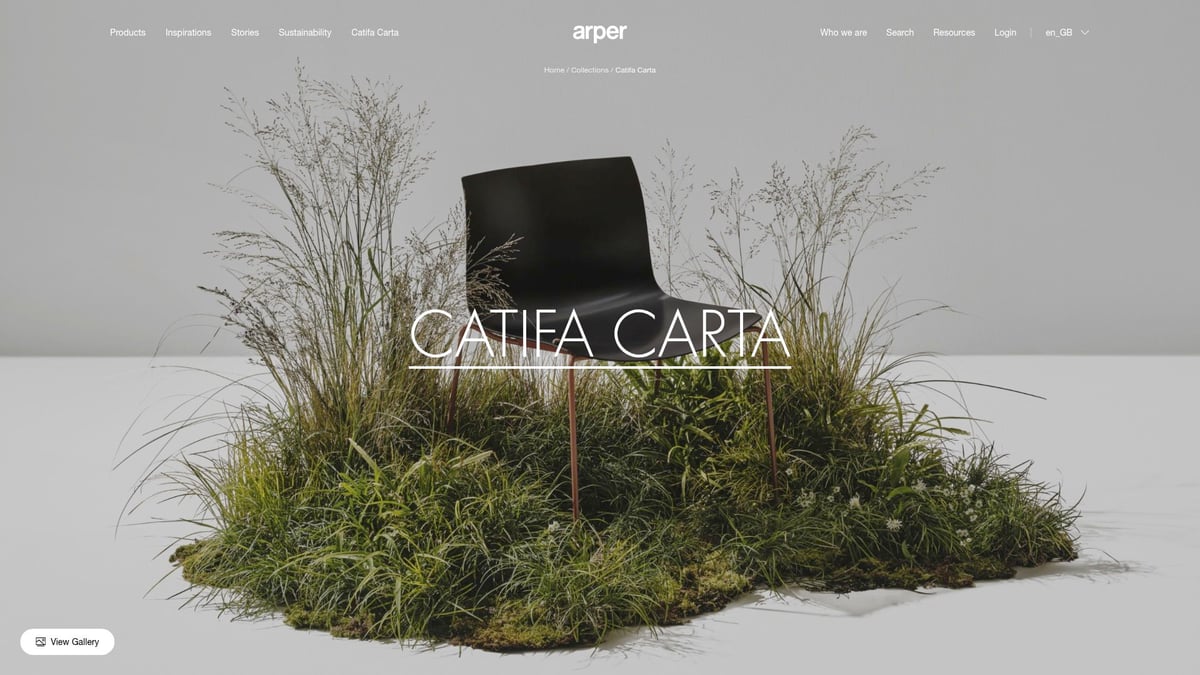
Key features of this reissue include:
- Renewable, low-impact PaperShell material
- Circular design for easy recycling
- Updated yet timeless silhouette
The best design in this context means balancing sustainability with commercial appeal. The Catifa Carta Chair appeals to eco-conscious buyers, contract furniture specifiers, and design professionals seeking both style and substance.
Pros:
| Environmental Impact | Durability | Aesthetic Appeal |
|---|---|---|
| Low carbon footprint | Long-lasting | Iconic, minimal design |
Cons:
| Price Premium | Limited Colourways |
|---|---|
| Higher than plastic | Fewer options |
Compared to its polypropylene predecessor, the Catifa Carta Chair has a reduced environmental impact and a richer story. Its adoption in hospitality and public spaces demonstrates the real-world value of the best design. Industry awards and positive market feedback confirm its influence, prompting competitors to rethink their own approaches.
AAD’s Abbey Theatre Visual Identity
When AAD reimagined the Abbey Theatre’s visual identity, they delivered the best design solution for a modern cultural icon. The project fuses heritage-inspired motifs with dynamic, contemporary elements, creating a versatile logo system that honours tradition while embracing change.
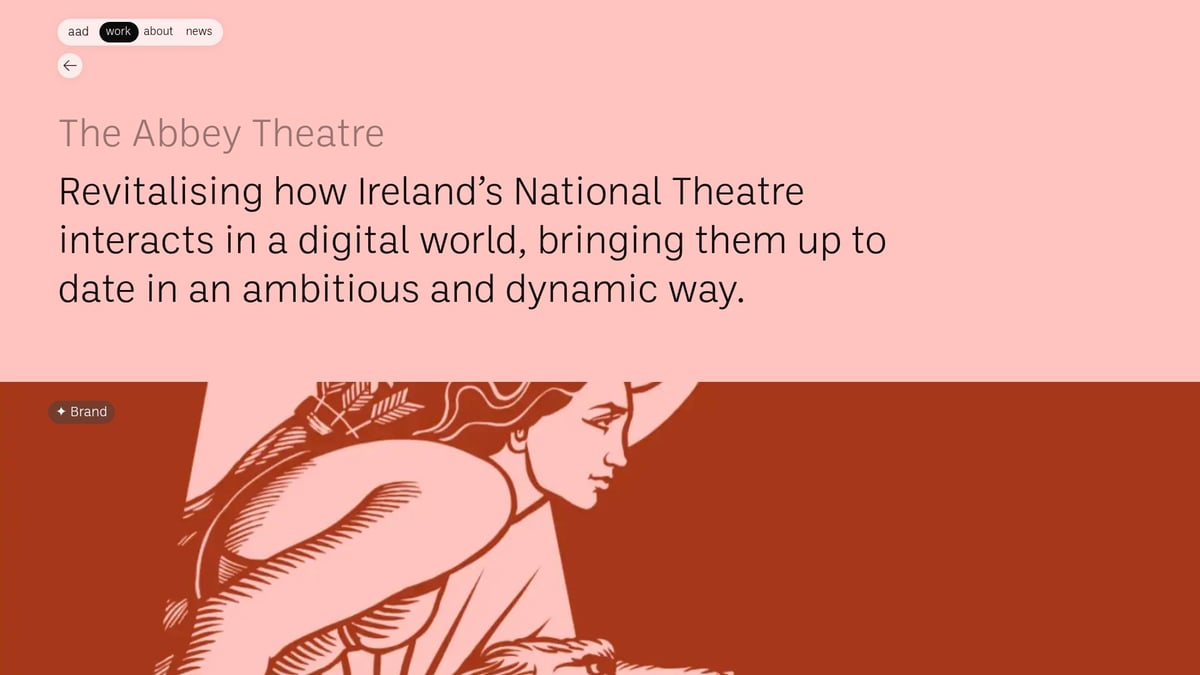
Core features:
- Heritage-inspired graphics
- Modular logo system adaptable across platforms
- Vibrant colour palette and typefaces
This rebrand represents the best design in cultural branding, successfully bridging the gap between past and present. It resonates with arts organisations, cultural institutions, and branding agencies seeking to connect with diverse audiences.
Pros:
- Rich storytelling and historical reference
- Flexible use across print, digital, and merchandise
- Engages new and existing theatre-goers
Cons:
- Risk of alienating traditionalists
- Complexity in brand rollout
The impact has been significant, with increased ticket sales and widespread acclaim. Before-and-after visuals show a dramatic shift, energising the brand’s presence. Audience feedback reflects a renewed sense of pride, confirming the best design can revitalise even the most storied institutions.
Axiom Space x Prada AxEMU Spacesuit
The AxEMU spacesuit, co-created by Axiom Space, Prada, and designer Esther Marquis, exemplifies the best design at the intersection of science and style. Engineered for NASA’s Artemis III mission, this suit combines advanced mobility with luxury fashion sensibilities.
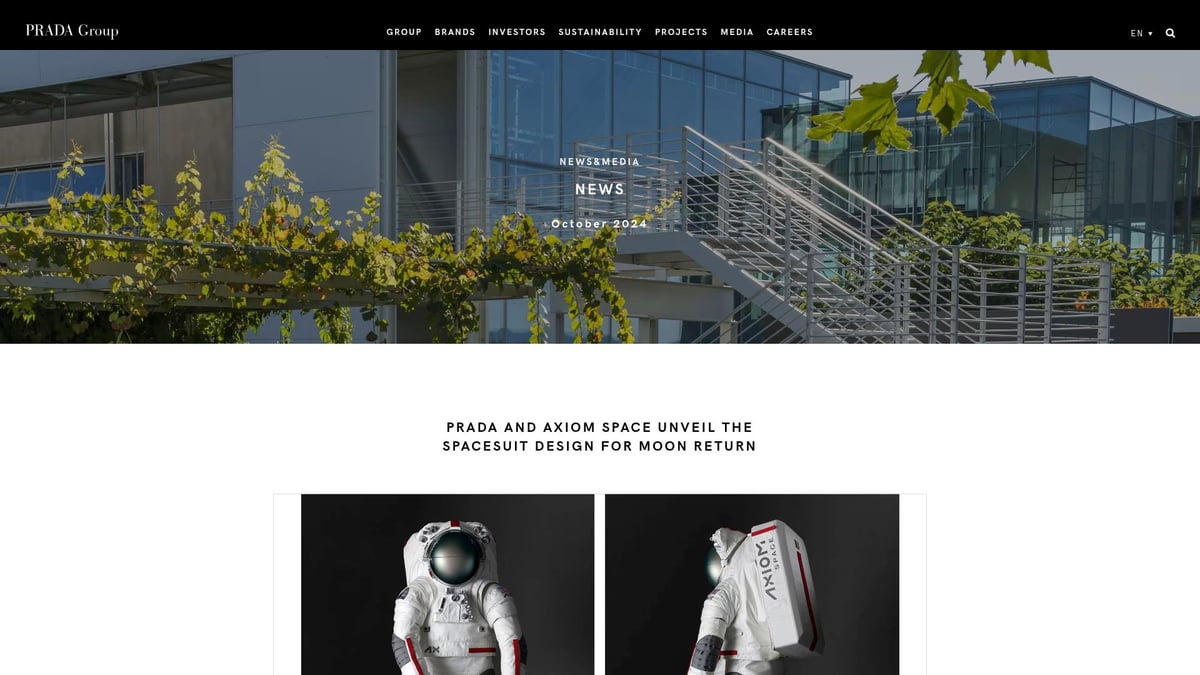
Features:
- Enhanced range of motion for astronauts
- Innovative, high-performance materials
- Distinctive Prada branding and styling
The best design in this context means merging technology and aesthetics for maximum impact. The spacesuit provides safety and comfort while elevating the visual language of space exploration.
Pros:
- State-of-the-art engineering
- Fashion-forward appearance
- High-profile brand collaboration
Cons:
- High development costs
- Niche, specialised application
The global press coverage and astronaut testimonials reflect its influence. The AxEMU suit has set a new precedent for wearable tech, inspiring future collaborations and broadening the definition of the best design. Its role in Artemis III ensures lasting cultural and scientific significance.
Charli XCX “Brat” Album Cover by Brent David Freaney
Charli XCX’s “Brat” album cover, designed by Brent David Freaney, is a striking showcase of the best design in pop culture. The use of a bold green (#8BCF00), custom ABC Rom font, and lo-fi aesthetic made the cover instantly recognisable and meme-worthy.
Key elements:
- Minimalist, text-based composition
- Distinctive shade of green
- Consistent branding across digital and physical releases
This approach to the best design leverages simplicity and emotional resonance. The album cover stands out in a crowded market and appeals to music industry professionals, pop marketers, and graphic designers.
Pros:
| Simplicity | Adaptability | Emotional Impact |
|---|---|---|
| Easy to reproduce | Works on all platforms | Strong fan engagement |
Cons:
| Divisive Colour | Risk of Overexposure |
|---|---|
| Not universally loved | May lose novelty |
The viral effect was immediate, with fans recreating the design, media takeovers in Times Square, and critical acclaim. This example proves that the best design can both unite and divide, creating a lasting mark on culture and branding.
Studio Moren’s Hyde London City Hotel
Studio Moren’s Hyde London City Hotel interior is an exemplar of the best design in hospitality, blending heritage with modern trends. The design features bold patterns, tactile materials, and a “bohemian chic” identity that sets it apart in the competitive luxury market.
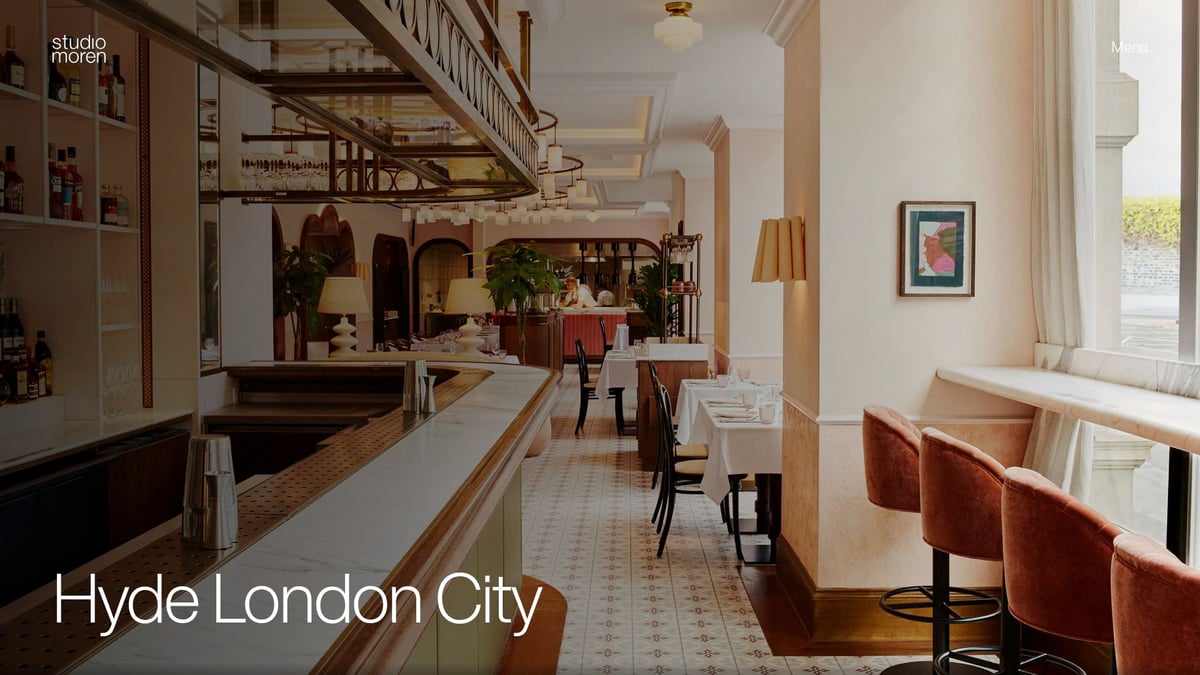
Key features:
- Historical motifs reinterpreted for today
- Curated details and layered textures
- Immersive guest experience
The best design here lies in creating a narrative-rich environment that appeals to luxury travellers, interior designers, and the hospitality sector. This approach is aligned with 2026 interior design trends such as moody palettes and vintage influences.
Pros:
- Distinctive, memorable spaces
- Cultural authenticity
- Visual richness
Cons:
- May not appeal to all guests
- Complex maintenance requirements
Guest reviews and industry awards highlight the positive impact, with increased bookings and strong word of mouth. The best design in this context demonstrates how thoughtful interiors can enhance brand positioning and guest satisfaction.
Sainsbury’s “Chicken Wine” Label
Sainsbury’s “Chicken Wine” label is a playful twist on the best design in packaging. The rebrand uses a quirky chicken illustration and approachable typography, turning a limited edition wine into a viral sensation.
Features:
- Bold, humorous chicken graphic
- Limited edition release
- Friendly, informal branding
This packaging approach embodies the best design by making the product instantly memorable and market-differentiated. It appeals to supermarkets, wine brands, and packaging designers looking for standout shelf presence.
Pros:
- Strong visual cue for consumers
- High engagement on social media
- Sales uplift and buzz
Cons:
- Potential confusion with original name
- Short-term novelty factor
The campaign’s success is evident in consumer nicknaming, online discussions, and increased sales. This example highlights how the best design can turn even everyday products into cultural talking points.
Vasilis Marmatakis’ “Kinds of Kindness” Film Posters
The poster series for Yorgos Lanthimos’ “Kinds of Kindness,” crafted by Vasilis Marmatakis in collaboration with photographer Atsushi Nishijima, embodies the best design in cinematic marketing. The surreal, distorted imagery provokes emotion and invites deeper interpretation.

Key aspects:
- Surreal visuals and character manipulation
- Minimalist yet impactful composition
- Strong thematic connection to the film
This campaign exemplifies the best design by prioritising artistic innovation and emotional storytelling. It appeals to film studios, art directors, and visual artists seeking to leave a cultural imprint.
Pros:
- Highly memorable and conversation-starting
- Thematic depth and narrative power
- Influences film marketing trends
Cons:
- Polarising for mainstream audiences
- Limited commercial application
The posters have received critical praise, sparked audience debate, and influenced the direction of future film campaigns. The best design in this context proves that risk-taking and creativity can drive cultural impact.
How These Designs Are Shaping Future Trends
In 2026, the best design is not just about visual appeal, but about setting transformative standards that ripple through industries. These design breakthroughs are redefining expectations, fuelling fresh approaches, and inspiring a new era of creativity and responsibility.
Influence on Industry Standards
The best design in 2026 is reshaping industry benchmarks at an unprecedented pace. These trailblazing examples have raised the bar for what constitutes excellence, prioritising sustainability, inclusivity, and seamless integration of emerging technologies.
Industry leaders now look beyond surface aesthetics, focusing on lifecycle impact and user experience. According to The Value of Design, businesses investing in top-tier design report significant growth in turnover and market share. This data highlights how the best design is now synonymous with measurable business value.
Design awards and expert panels increasingly reward projects that blend innovation with purpose. As a result, companies are investing more in research, materials, and partnerships to meet the elevated standards set by 2026’s standout works.
Cross-Industry Impact
The influence of the best design extends well beyond its original sector. Sustainability initiatives pioneered in furniture and packaging are now guiding practices in fashion, tech, and hospitality. For example, the use of renewable materials in iconic furniture reissues has inspired similar eco-conscious choices in retail and architecture.
Bold visual language, as seen in music and film campaigns, is shaping branding and marketing strategies across industries. Collaborative models between technology, art, and science are becoming the norm, sparking new products and experiences.
To see how these trends began evolving, explore 2025 design trends to watch for context on the ongoing transformation. The best design is driving ripple effects that influence not just products, but the entire user journey.
Consumer Demand and Future Directions
Consumers in 2026 are more discerning, demanding the best design that reflects their values and aspirations. The appetite for meaningful, responsible design has led brands to prioritise transparency, ethical sourcing, and emotional resonance.
Market analysts note a surge in investment towards design-driven solutions, with companies realising that design excellence is a key differentiator. The best design is no longer a luxury, but a necessity for long-term relevance and loyalty.
Looking ahead, we can expect these trends to accelerate. As technology evolves and global challenges shift, the best design will continue to redefine success, ensuring that creativity and impact remain at the heart of every breakthrough.
How to Spot and Leverage Award-Winning Design in Your Business
Unlocking the power of the best design can transform any business, regardless of industry or size. In 2026, the best design is not just about style, but about impact, innovation, and meaning. How can you recognise and harness these qualities to elevate your own brand and products?
Identifying the Best Design Qualities
Start by examining what sets the best design apart this year. Look for a clear sense of purpose, where design solves real problems and delivers measurable value. Innovation is critical, whether in materials, technology, or storytelling. User focus is non-negotiable, as accessibility and emotional resonance drive lasting engagement.
Consider this table as a quick reference:
| Quality | What to Look For |
|---|---|
| Purpose | Solves user needs, aligns with values |
| Innovation | New materials, tech, or visual language |
| User Focus | Accessible, inclusive, emotionally rich |
| Storytelling | Builds brand narrative, fosters loyalty |
The best design examples of 2026 excel at combining these qualities, inspiring both users and stakeholders.
Choosing and Collaborating with Design Partners
Selecting the right partners is crucial for achieving the best design outcomes. Evaluate agencies and creatives based on their portfolio, proven innovation, and ability to interpret your brand’s vision. Prioritise open communication and a collaborative mindset.
Use this checklist to guide your selection:
- Track record of design-led growth
- Experience with sustainability and technology
- Strong references and case studies
- Willingness to challenge and inspire your team
Remember, the best design emerges from partnerships built on trust, shared goals, and creative synergy.
Integrating Trends: Sustainability and Technology
To stay ahead, embed leading trends into your design process. Sustainable materials, circular lifecycles, and digital advances such as AI or AR/VR are essential for the best design in 2026. Start by auditing your current approach, then map out opportunities for innovation.
For actionable steps on building a future-proof design strategy, consult the Expert design strategy guide. This resource outlines how to align design decisions with business objectives and emerging trends.
By continually adapting, your team can ensure every project reflects the best design standards of the year.
Common Pitfalls and Continuous Learning
Avoid pitfalls like chasing trends without purpose, neglecting accessibility, or underestimating rollout complexity. Regularly review performance, gather feedback, and benchmark against industry leaders.
Ongoing education is vital. Insights from the McKinsey Design Index show that sustained investment in design capability drives superior business results.
Stay curious, invest in training, and connect with the wider design community to keep your skills and perspectives fresh.
Leverage the best design by blending purpose, innovation, and user focus at every step. With the right mindset and resources, your business can set new benchmarks and inspire others.