
Design Digital Marketing Guide: Strategies for 2026 Success
In 2026, brands that excel will do so by mastering design digital marketing strategies that both attract attention and drive loyalty. This comprehensive guide shows how design digital marketing is evolving, highlights the strategies that will define future success, and provides clear steps to secure your brand’s online presence.
Whether you are a marketer, designer, or business owner, you will discover the essential principles, emerging trends, and actionable frameworks needed to thrive. Supported by data, real-world examples, and expert insights, this guide will help you engage, convert, and build lasting brand value in the digital age.
The New Foundations of Digital Marketing Design in 2026
Digital marketing is transforming rapidly, and in 2026, mastering design digital marketing is foundational for brands aiming to stand out. The intersection of visuals, user experience, content, and technology now defines how audiences perceive and trust brands.
Understanding Digital Marketing Design Today
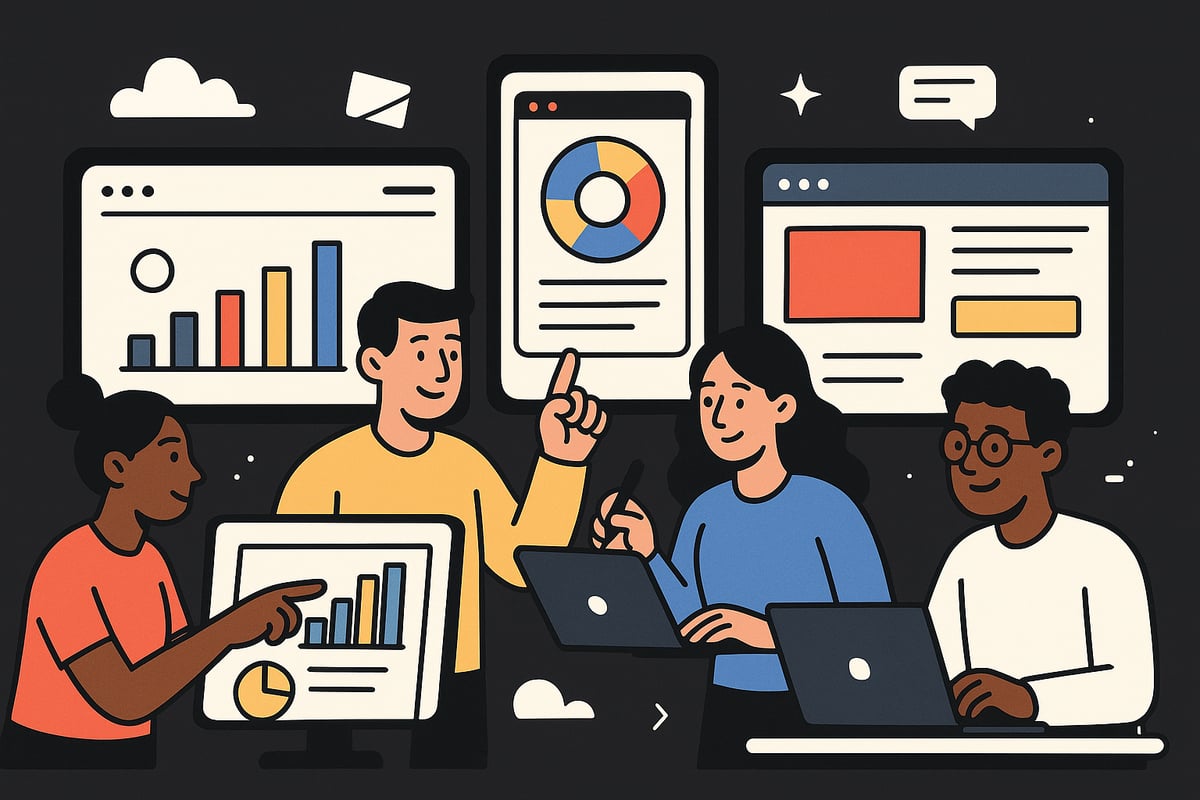
At its core, design digital marketing is the seamless integration of compelling visuals, intuitive UX, engaging content, and smart technology across all digital channels. This holistic approach is not just about looking good. According to White Peak Digital, 75% of users judge a brand’s credibility based on website appearance and functionality.
The impact of design digital marketing goes far beyond aesthetics. It shapes brand perception, builds trust, and directly influences conversion rates. From 2024 to 2026, the landscape is shifting rapidly, with AI, personalisation, and immersive experiences becoming the norm.
Key components underpinning successful design digital marketing include grid systems, alignment, hierarchy, colour, typography, imagery, and unique shapes. Shopify highlights how these elements create clarity and guide the user journey.
The business case is compelling. McKinsey reports that design-led companies outperform competitors by a factor of two. For example, Momofuku’s homepage uses clear typography, lifestyle photography, and straightforward navigation to drive engagement and trust.
For a broader understanding of the building blocks behind effective design, see the Essential digital creative services guide for a comprehensive breakdown.
Why Design is the Critical Differentiator
Design digital marketing is now a primary growth driver. Brands with clear, attractive layouts see increased engagement, as Adobe notes that 38% of people stop interacting with poorly designed content. Good UX can boost conversion rates by up to 400%, as reported by Forrester.
Consistency across every touchpoint is vital. When design digital marketing is unified across web, email, social, and ads, it strengthens brand identity and recognition. Accessibility and inclusivity are no longer optional, with modern design ensuring all users, including those with disabilities, have a seamless experience.
A notable example is Lufthansa’s display ad. By combining vibrant imagery, a clear value proposition, and a high-performing call-to-action, they achieved strong results across multiple channels.
Ultimately, design digital marketing is not just about aesthetics, but about delivering measurable business impact, from first impression to final conversion.
Key Elements for 2026 Success
To future-proof your approach, several elements are essential for design digital marketing in 2026. Adaptive and responsive design ensures flawless experiences on every device, from desktop to mobile. Data-driven creativity leverages analytics to refine layouts, messaging, and visuals in real time.
The integration of AI tools is transforming content creation, layout adaptation, and personalisation at scale. Dynamic, interactive elements like animations and microinteractions make digital experiences more engaging and memorable.
Brand-aligned visuals remain crucial. Brands are investing in unique photography, bespoke illustrations, and cohesive shape systems to stand out. For instance, Baggu’s marketing email showcases product imagery, highlights discounts, and uses a clear call-to-action, all within a visually consistent template.
As design digital marketing evolves, brands that embrace these elements will set themselves apart and achieve lasting success in a highly competitive digital landscape.
Essential Strategies for Design-Led Digital Marketing
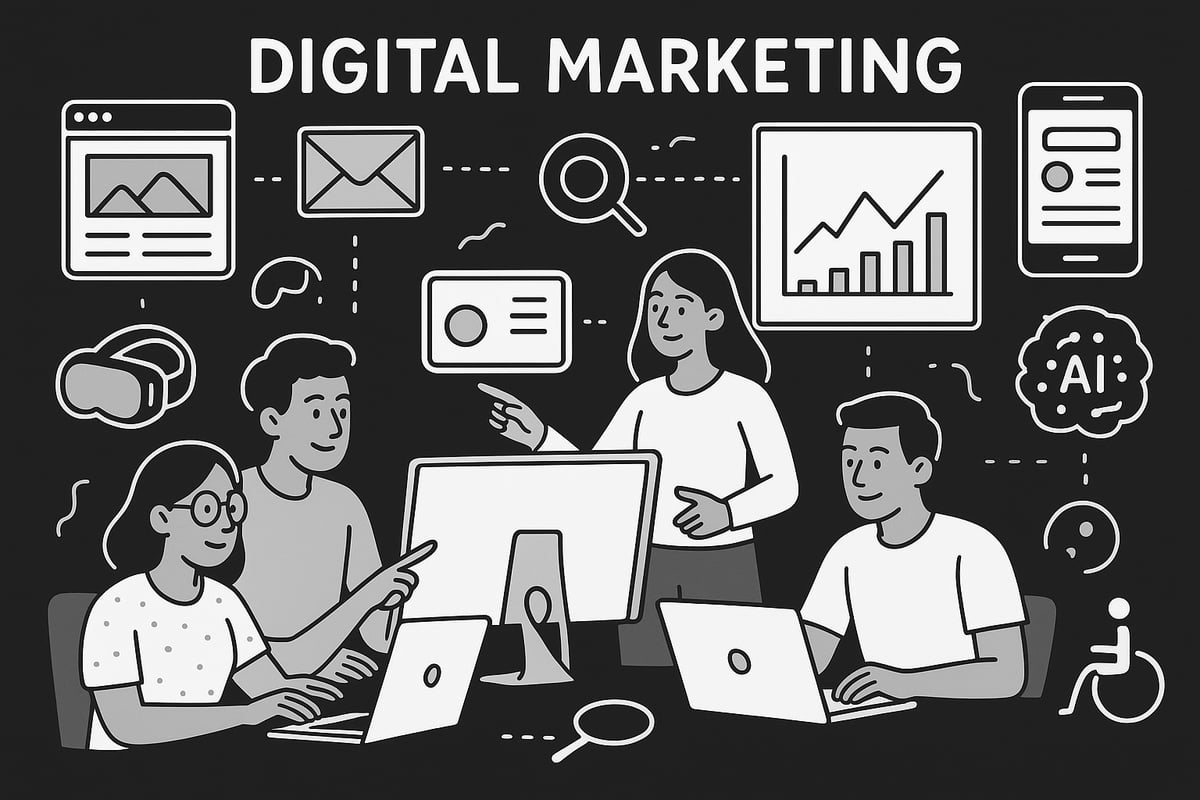
Achieving success in design digital marketing for 2026 requires a blend of creativity, data, and technology. The most effective brands use a strategy-driven approach, focusing on user experience, consistency, analytics, and innovation. Let us explore the essential strategies that set high-performing digital marketing apart, drawing on expert insights and real-world examples. For further guidance on building effective approaches, review these expert strategies for design success.
Strategy 1: User-Centred Design & Experience
User-centred design is the foundation of design digital marketing. Begin by mapping your customers' journeys, identifying pain points, and understanding their needs. Focus on every touchpoint: from your website and landing pages to email campaigns and digital ads.
Apply UX best practices like simple navigation, high-contrast fonts, and prominent calls to action. Personalisation is key—use adaptive layouts and content tailored to each user segment. For example, Nik.co’s minimalist landing page leverages strong hero visuals and social proof, making the journey seamless and engaging.
Strategy 2: Multi-Channel Visual Consistency
Consistency across channels is critical for memorable design digital marketing. Align your web, social, email, and ad designs using a unified colour palette, typography, and imagery style. This builds trust and strengthens recognition.
Implement design systems and style guides to keep visual identity cohesive, regardless of platform. Madre Mezcal’s Instagram grid is a standout example, featuring collage motifs and a harmonious look that extends across posts and stories. Cohesive branding lets your audience instantly recognise your brand wherever they interact.
Strategy 3: Data-Driven Creative Optimisation
Data-driven optimisation is a core pillar of design digital marketing. Use A/B testing to compare landing pages and ad creatives, analysing which designs convert best. Continuously refine layouts, headlines, and visuals based on analytics.
Employ heatmaps and event tracking to uncover how users interact with your assets. Tools like Landingi’s A/B testing platform provide actionable insights, allowing for rapid iteration and ongoing improvement. The result is a measurable boost in conversion and engagement.
Strategy 4: Immersive & Interactive Experiences
Modern design digital marketing thrives on immersive and interactive content. Integrate video, animation, and microinteractions to increase engagement and delight users. Small touches, such as animated hero sections or interactive testimonials, make experiences more memorable.
Explore advanced formats like AR, VR, or 3D for product showcases when relevant. These elements transform static interactions into dynamic journeys. Animated hover effects and interactive product demos can significantly raise time-on-site and conversion rates.
Strategy 5: Accessibility & Inclusivity by Design
Accessibility is non-negotiable in design digital marketing. Design for all users by ensuring high contrast, readable fonts, descriptive alt text, and full keyboard navigation. Adhere to WCAG guidelines to guarantee your digital assets are usable by everyone.
The benefits are twofold: a broader audience reach and a reputation for inclusivity. Websites with accessible menus and clear layouts, for instance, accommodate users with disabilities and improve usability for all. Prioritising accessibility protects your brand and opens new markets.
Strategy 6: AI-Powered Personalisation & Automation
AI is revolutionising design digital marketing by enabling hyper-personalisation and scalable automation. Use AI tools for content creation, image generation, and adaptive layouts that respond to user data in real time.
Automate testing and optimisation workflows to increase efficiency. Dynamic content blocks, powered by AI, deliver tailored messaging at scale. With AI-powered landing page builders, brands can rapidly deploy and iterate designs for maximum impact, ensuring every user gets a relevant experience.
Step-by-Step Guide to Implementing Design-Driven Digital Marketing in 2026
Success in design digital marketing for 2026 depends on a systematic, adaptable approach. By breaking down your strategy into clear, actionable steps, you can future-proof your brand and deliver measurable results. Here is your comprehensive, step-by-step guide to implementing design digital marketing and building a strong foundation for the years ahead.
Step 1: Audit Your Current Digital Assets
Begin by evaluating every asset tied to your design digital marketing efforts. Review your website, email templates, social media graphics, and ad creatives for quality, consistency, and brand alignment.
Create a checklist for your audit:
- Is the visual style consistent across all channels?
- Are layouts responsive and mobile-friendly?
- Do assets meet accessibility standards?
Gather user feedback and analyse metrics such as bounce rates and engagement. Identify any outdated design elements or gaps in user experience. For a deeper dive, consider referencing this step-by-step web design guide to structure your audit process efficiently.
Step 2: Define Brand Identity & Visual Language
A strong brand identity sits at the heart of effective design digital marketing. Develop or refine your logo, colour palette, typography, and imagery to reflect your brand’s personality.
Establish a design system or style guide that includes:
- Logo usage and variations
- Primary and secondary colours
- Approved fonts and sizes
- Image and iconography guidelines
Align every element with your brand values and audience preferences. This visual language should guide all future creative work, ensuring your design digital marketing remains consistent and recognisable.
Step 3: Map User Journeys & Key Touchpoints
Understanding how users interact with your digital presence is essential for impactful design digital marketing. Start by identifying your primary personas and outlining their journeys from discovery to conversion.
Map key touchpoints such as:
- Homepage and landing pages
- Product or service pages
- Email campaigns and newsletters
- Social media posts and digital ads
Prioritise the areas where design improvements will have the greatest impact. This mapping process ensures your design digital marketing supports user needs at every stage.
Step 4: Design & Optimise for Each Channel
Each digital channel has unique requirements. Tailor your design digital marketing approach to suit the platform, context, and audience expectations.
Consider these optimisation tips:
- Website: Focus on clarity, intuitive navigation, and conversion-driven layouts.
- Email: Use mobile-optimised templates, concise headlines, and prominent CTAs.
- Social media: Design visuals tailored to each platform’s specs and trends.
- Paid ads: Create eye-catching, legible graphics for instant engagement.
Leverage infographics, branded visuals, and interactive elements to boost user interest. Consistent optimisation helps your design digital marketing stand out and perform effectively.
Step 5: Integrate AI and Automation Tools
Harnessing AI and automation is a game changer for design digital marketing in 2026. Use AI-powered tools for content creation, image selection, and personalisation across platforms.
Popular automation strategies include:
- Automated A/B testing for visuals and copy
- AI-driven layout adaptation based on user data
- Dynamic content blocks for tailored experiences
Select solutions that align with your brand’s scale and technical needs. Integration of these tools streamlines workflows and enhances the impact of your design digital marketing.
Step 6: Test, Measure, and Iterate
Continuous improvement defines successful design digital marketing. Regularly test elements using A/B or multivariate methods to identify what resonates with your audience.
Monitor key performance indicators such as:
| Metric | Why It Matters |
|---|---|
| Conversion Rate | Measures effectiveness |
| Engagement Rate | Tracks user interest |
| Bounce Rate | Reveals UX issues |
| Time on Page | Assesses content value |
Use heatmaps and event tracking to pinpoint areas for enhancement. Iterate designs based on both data and direct user feedback, keeping your design digital marketing strategy agile and responsive.
Step 7: Ensure Accessibility & Compliance
Accessible design digital marketing broadens your reach and upholds your brand’s reputation. Audit your digital assets for compliance with WCAG guidelines, focusing on contrast, font size, alternative text, and keyboard navigation.
Key accessibility checks:
- Sufficient colour contrast for readability
- Clear, scalable fonts
- Descriptive alt text for images
- Logical tab order for navigation
Regularly review and update assets to meet evolving accessibility standards and legal requirements. Inclusivity strengthens your design digital marketing outcomes.
Step 8: Foster a Design-First Culture
Embed a culture of design excellence within your organisation to sustain long-term success in design digital marketing. Provide ongoing training on principles, tools, and emerging trends.
Encourage collaboration between designers, marketers, and developers. Share knowledge, celebrate creative wins, and stay informed about industry innovations. A design-first mindset ensures your team remains agile and competitive, ready to adapt as design digital marketing evolves.
Examples of Standout Digital Marketing Design in Action
In the fast-evolving world of design digital marketing, standout examples illuminate what is possible when creativity meets strategy. Each touchpoint, from websites to content assets, demonstrates how thoughtful design can drive engagement, build loyalty, and influence purchase decisions.
Web and Landing Page Design
Websites are the core of design digital marketing success. Brands like Momofuku set the standard with a homepage that combines clear navigation, lifestyle photography, and a focus on products. The hierarchy and layout guide users intuitively.
Nik.co’s minimalist landing page is another benchmark. It uses a strong hero section, crisp type, and high-contrast testimonials to establish trust quickly. Both examples show how effective design digital marketing can turn visitors into loyal customers through clarity and emotional appeal.
Email Marketing Design
Email remains crucial in design digital marketing strategies. Baggu’s product-centric emails stand out with bold imagery, concise discount messaging, and a clear call to action. These elements keep the user’s attention on what matters most.
Goodiebox adopts structured layouts and feature highlights, making information easy to scan. A bold CTA drives conversions. These brands prove that well-executed design digital marketing in email can drive high engagement and lasting loyalty.
Social Media Design
Social channels require a unique approach to design digital marketing. Madre Mezcal’s Instagram campaigns shine with a collage-style grid and cohesive motifs, creating a memorable feed that reinforces brand identity.
Rokko leverages vibrant product visuals and trend-driven design, using high-contrast colours to stand out in crowded feeds. Consistent visual language across posts helps maintain recognition, supporting the brand’s overall design digital marketing goals.
Digital Ad Design
Digital ads thrive on instant impact. Lufthansa’s display ad excels with vibrant imagery, a clear headline, and a prominent CTA, ensuring the offer is unmistakable. This approach maximises quick comprehension and encourages clicks.
Megababe uses ultra-legible design and purposeful illustrations to cut through the noise. These examples demonstrate how strategic design digital marketing choices in ads can increase engagement and deliver measurable results.
Content Marketing Design
Content marketing is another pillar of design digital marketing. Brands use infographics, eBooks, and branded templates to simplify complex ideas and reinforce identity. This approach is especially effective for audiences who value clarity and storytelling.
Emerging trends like kinetic typography and motion branding, as highlighted in Top Graphic Design Trends for 2026, further elevate content assets. By embracing these innovations, brands ensure their design digital marketing remains fresh and competitive.
Future Trends and Innovations in Digital Marketing Design
The future of design digital marketing is being shaped by rapid advances in technology, shifting consumer expectations, and a growing emphasis on ethical and immersive experiences. Brands that tap into these trends will be best positioned to engage audiences and drive measurable results.
AI-Driven Design and Hyper-Personalisation
AI is transforming design digital marketing by enabling real-time content, layout, and image generation tailored to each user. Algorithms analyse behaviour and preferences, delivering hyper-personalised experiences that boost engagement and conversion.
Brands are leveraging AI to automate creative testing, optimise visuals, and dynamically adapt messaging. According to Adobe's 2026 Creative Trends, multi-sensory branding and machine learning will become foundational, helping marketers deliver more relevant and memorable interactions.
Immersive Experiences: AR, VR, and 3D
Immersive technologies are elevating design digital marketing to new heights. Augmented reality (AR) enables virtual product try-ons, while virtual reality (VR) offers interactive showrooms and guided tours. Three-dimensional (3D) design is revolutionising product visualisation, making ads and landing pages more engaging.
Emerging 3D trends, such as AI-driven content creation and hybrid illustrations, are set to play a pivotal role in digital campaigns, as explored in 3D Art Trends Impacting 2026. These innovations help brands stand out and provide users with memorable, interactive experiences.
Microinteractions and Dynamic Content
In design digital marketing, microinteractions and dynamic content enhance user engagement by providing instant feedback and delight. Subtle animations, hover effects, and transitions guide users through digital journeys, making experiences more intuitive and enjoyable.
Dynamic content blocks adapt in real-time to user context, delivering relevant information or offers. This approach not only improves usability but also increases the likelihood of conversion by making each interaction feel personal and responsive.
Sustainability and Ethical Design
Sustainability is becoming a core principle in design digital marketing. Brands are adopting eco-friendly visuals, minimalist layouts, and accessible design practices to appeal to environmentally conscious consumers.
Ethical design also means prioritising transparency in data usage and privacy. By embracing these values, companies build trust and foster long-term loyalty. Incorporating accessible features, such as high contrast and clear navigation, ensures inclusivity for all users.
Voice and Conversational Interfaces
The rise of voice search and conversational AI is reshaping design digital marketing. Brands are integrating voice-enabled navigation and chatbots into their digital assets, providing seamless, hands-free interactions.
Designers must consider audio-first experiences, ensuring content is easily discoverable and understandable through speech. Conversational interfaces also create opportunities for brands to connect with users in a more natural, intuitive manner, driving engagement and satisfaction.
Visual Storytelling and Brand Narrative
Visual storytelling is at the heart of design digital marketing in 2026. Brands use sequential visuals, animations, and video to communicate purpose, values, and product benefits.
By crafting compelling narratives, marketers can forge deeper emotional connections with their audiences. The integration of storytelling into every touchpoint, from landing pages to social media, ensures a consistent and memorable brand experience.
How Design Agencies Accelerate Digital Marketing Success
Partnering with a design agency can be a game-changer for brands aiming to excel in design digital marketing. Agencies bridge creativity, technology, and strategy to deliver measurable results that drive growth.
Expert teams offer a wide range of services, including:
- Brand identity development
- Website and e-commerce design
- Content creation
- AI-powered solutions tailored for 2026
With award-winning expertise and a proven record of end-to-end digital transformation, agencies help businesses of all sizes connect brand experience with performance.
For brands looking to stay ahead, collaborating with a design-led agency ensures your digital marketing remains innovative, cohesive, and aligned with the latest trends.