
Design for Digital Marketing: The Essential Guide 2026
Digital marketing is changing faster than ever, and in 2026, the importance of design stands out as a key factor in capturing attention. Brands that master design for digital marketing are not just keeping up, they are setting themselves apart in an increasingly competitive landscape.
Today, cutting-edge design is woven into every successful campaign. As consumers expect more seamless, visually engaging experiences, the link between design and digital marketing results is stronger than ever.
This essential guide will equip digital marketers, business owners, and designers with the latest principles, tools, and trends to create high-impact digital marketing campaigns in 2026.
Inside, you will discover core design principles, the newest UX/UI trends, how to integrate branding, insights on emerging technologies, and real-world success stories to inspire your next move.
The Foundations of Design in Digital Marketing
A strong foundation in design for digital marketing is essential for any brand seeking growth in 2026. The way you present your message visually can make or break campaign results. Let us explore why design sits at the heart of digital marketing success, from influencing first impressions to optimising conversions.
The Role of Design in Digital Marketing
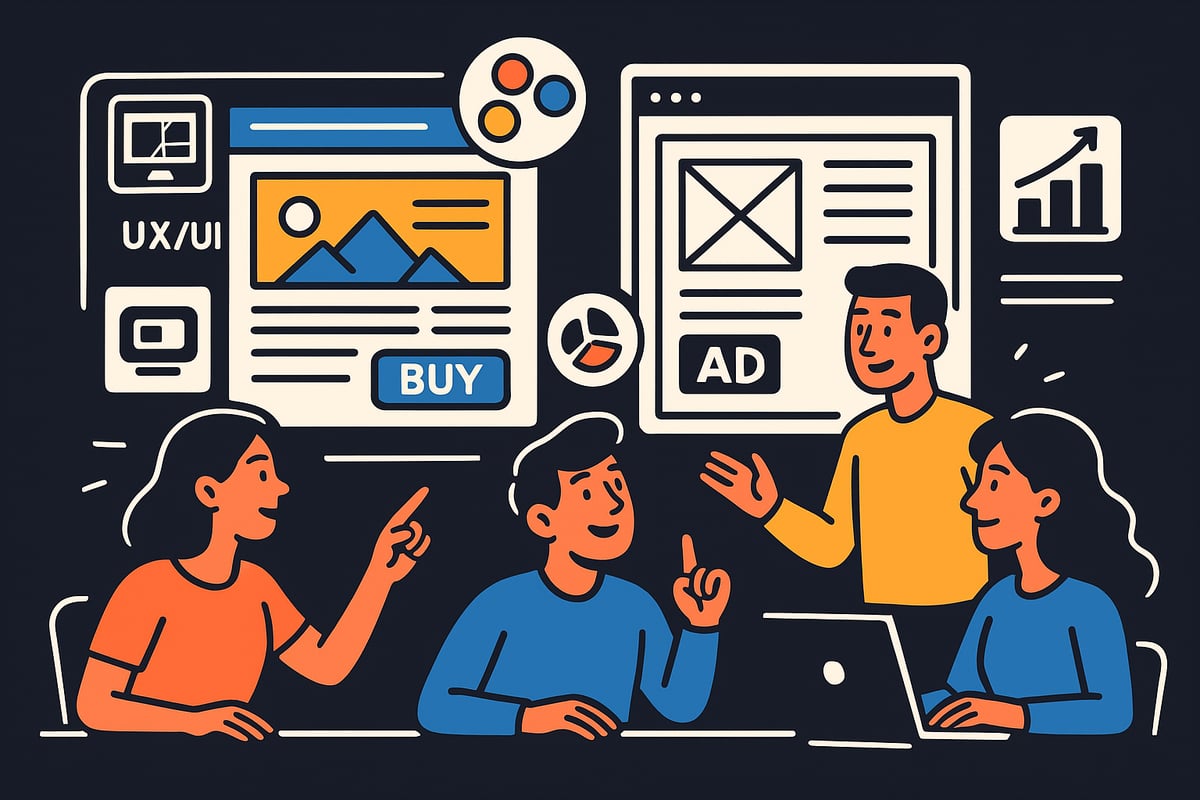
Design for digital marketing is more than aesthetics. It shapes how audiences perceive your brand and directly impacts campaign effectiveness. In digital spaces, visual communication is processed rapidly by the brain, influencing whether users stay or bounce.
According to HubSpot’s 2023 report, 90 percent of first impressions relate to design. A visually optimised campaign, with clear layout and engaging imagery, typically outperforms a generic one in clicks and conversions.
| Campaign Type | Engagement Rate | Conversion Rate |
|---|---|---|
| Visually Optimised | High | High |
| Generic Design | Low | Low |
Thoughtful design for digital marketing taps into human psychology, using colour, shape, and hierarchy to guide attention and emotion. Brands that invest here set themselves apart from the competition.
Core Design Principles for Digital Marketers
To excel in design for digital marketing, you must master a few universal principles:
- Balance: Distributes elements evenly for harmony.
- Contrast: Highlights key actions or messages.
- Hierarchy: Guides the viewer’s eye to what matters most.
- Alignment: Ensures elements line up for clarity.
- Repetition: Reinforces branding and structure.
- Proximity: Groups related items together.
- Space: Gives content room to breathe.
Consistency is vital across platforms. Brands like Apple and Nike use colour theory and typography to keep their design for digital marketing instantly recognisable and engaging. For deeper guidance, see these Essential Digital Design Strategies.
Practical tips: Use a limited colour palette, choose readable fonts, and apply your style guide to every campaign.
Design’s Impact on User Experience (UX)
The connection between design for digital marketing and user experience is undeniable. A well-designed journey leads users smoothly from entry point to conversion. Intuitive layouts make navigation easy and reduce frustration.
Nielsen Norman Group found 88 percent of users are unlikely to return after a poor UX. For e-commerce, optimising checkout flows with clear steps and mobile-friendly forms can dramatically improve engagement and reduce bounce rates.
Focus on mobile-first and responsive design for digital marketing. Ensure content adapts to any device, so users enjoy a seamless experience wherever they are.
The Link Between Design and Conversion Optimisation
Design for digital marketing does not stop at looking good—it must also drive action. Strategic choices in layout, button placement, and colour can increase calls-to-action and move users through your funnel.
A/B testing visuals is crucial. For example, SaaS campaigns often experiment with button colour and placement, discovering which variants yield higher conversions. Unbounce reports a 30 percent lift in conversions with optimised landing page design.
Common mistakes include cluttered layouts, unclear CTAs, and inconsistent branding. Avoid these to ensure your design for digital marketing maximises results.
2026 Design Trends Shaping Digital Marketing
The landscape of design for digital marketing is evolving rapidly as we approach 2026. Staying ahead means understanding the trends shaping user expectations and campaign effectiveness. Here, we explore five pivotal trends that are redefining how brands connect, engage, and convert in the digital space.
Minimalism and Clarity in Message
Minimalism has become a defining feature of design for digital marketing, prioritising clean layouts and focused messaging. With cluttered websites frustrating 54% of users (Adobe, 2023), brands are simplifying interfaces to improve user experience and drive engagement. Google's homepage evolution exemplifies this, stripping away distractions to spotlight search functionality. Minimalist design enhances content consumption by making navigation intuitive and calls to action unmistakable. For digital marketers, adopting minimalism means reducing cognitive load and boosting the impact of every visual element. Consistent, clear layouts are not only aesthetically pleasing but also deliver measurable gains in campaign performance.
Motion, Micro-Interactions, and Animation
Motion graphics and micro-interactions are elevating design for digital marketing by making digital experiences more engaging and interactive. Brands use subtle animations in product demos and social ads to capture attention and guide users seamlessly through journeys. Animated elements, such as loading spinners or interactive buttons, offer instant feedback and keep users invested. Mobile interfaces benefit from gentle transitions and micro-animations that signal progress or completion. For a deeper dive into how kinetic typography and phygital design are transforming campaigns, see Top Graphic Design Trends in Digital Marketing for 2026. Harnessing motion thoughtfully can turn passive viewers into active participants.
Personalisation and Dynamic Content
AI-driven personalisation is redefining design for digital marketing in 2026. Dynamic content adapts in real time based on user data, making each interaction more relevant and persuasive. Spotify’s personalised playlists and tailored interface are prime examples of this approach in action. According to Epsilon, 80% of users are more likely to engage with content that is personalised. By leveraging AI tools, marketers can deliver unique visual stories, targeted offers, and adaptive layouts. The result is deeper engagement, higher conversion rates, and a stronger sense of brand loyalty as users feel understood and valued.
Accessibility and Inclusive Design
Inclusive design for digital marketing is both a legal and ethical imperative. In 2026, brands are prioritising accessibility by ensuring all users, including those with disabilities, can interact seamlessly with digital content. Best practices include using high-contrast colours, readable font sizes, and descriptive alt text. Microsoft’s inclusive design toolkit sets industry benchmarks, showing how thoughtful adjustments can expand reach. W3C reports that 1 in 5 users have accessibility needs. By embedding accessibility from the start, brands not only comply with regulations but also demonstrate social responsibility and tap into a broader, more loyal audience.
Immersive Technologies: AR, VR, and 3D
Immersive technologies like AR, VR, and 3D elements are revolutionising design for digital marketing. Brands are leveraging AR in interactive campaigns, allowing users to preview products in their own space, as seen with the IKEA Place app. 3D visuals offer lifelike product experiences, enhancing decision-making and boosting confidence in purchases. Statista forecasts AR ad spend will reach £2.5B by 2026, underscoring the growing investment in these tools. Integrating immersive features helps brands stand out, offering memorable, interactive experiences that foster deeper connections and drive campaign success.
Integrating Branding and Storytelling in Digital Design
Branding and storytelling are the heart of effective design for digital marketing. When combined, they create memorable campaigns that spark emotional responses and drive measurable business results. Let us explore how to harness these elements for maximum impact.
The Power of Visual Storytelling
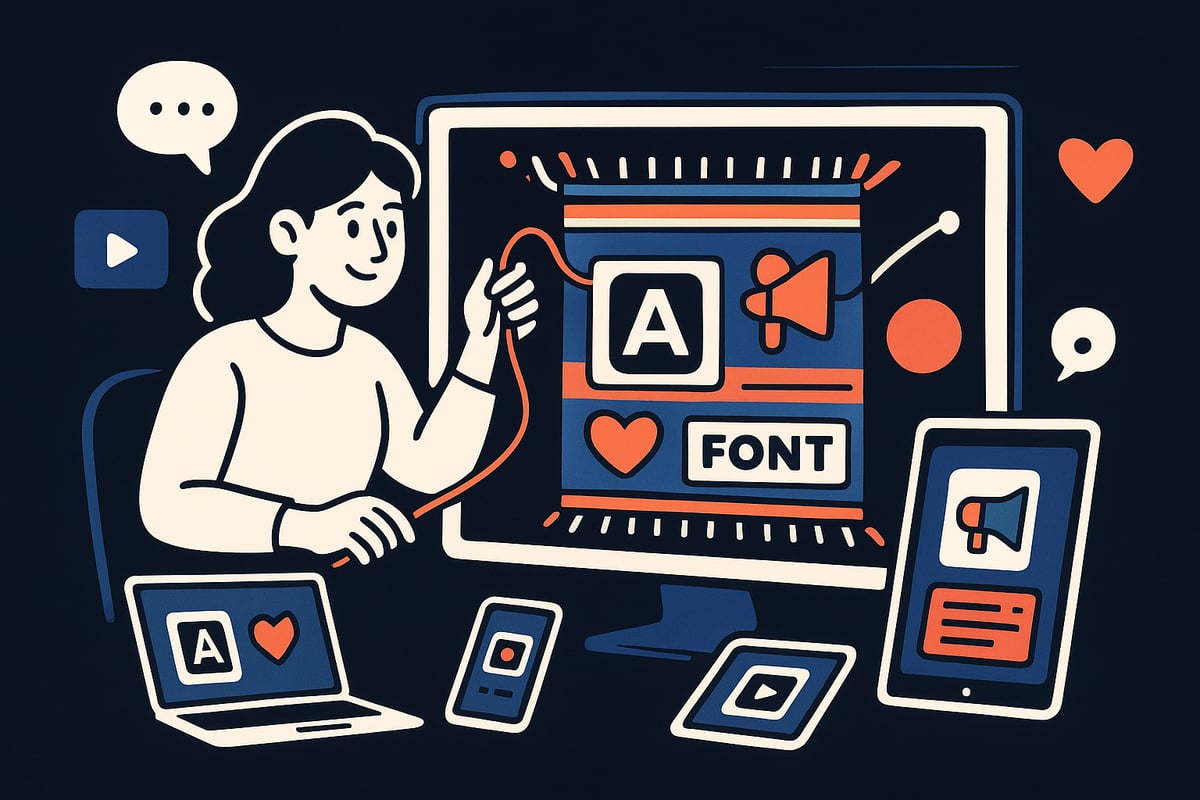
Visual storytelling transforms design for digital marketing by forging emotional bonds with audiences. Narrative-driven design, such as sequential imagery, video, and interactive graphics, helps brands communicate more than just products or services—it shares a mission and values. Nike’s “Dream Crazier” campaign is a prime example, using bold visuals and compelling stories to inspire millions.
Research from Stanford shows that visual stories are 22 times more memorable than standalone facts. By integrating storytelling techniques with branding, marketers can make their messages stick. For deeper insight into the synergy between branding and design, explore Digital Branding Solutions Insights.
Consistency Across Digital Touchpoints
Consistency is essential in design for digital marketing, ensuring your brand appears unified across every platform. Whether on a website, social media, or digital ads, cohesive visuals build trust and credibility. Creating detailed brand guidelines for digital assets helps teams maintain alignment and avoid mixed messaging.
Airbnb exemplifies unified branding with a seamless digital experience, reinforcing brand values at every touchpoint. Consistency not only boosts recognition but also strengthens long-term loyalty, making it a cornerstone of any effective strategy.
Designing for Multi-Channel Campaigns
Multi-channel design for digital marketing campaigns requires adaptability without losing brand voice. Visual assets must be tailored for email, social, web, and mobile while maintaining a clear, recognisable identity. This approach ensures your message resonates wherever your audience engages.
A cross-platform campaign by Coca-Cola illustrates this well, with visuals and messages adapted for each channel but maintaining core branding. Brands using omni-channel strategies retain 89 percent of their customers, highlighting the importance of multi-channel consistency.
Measuring Branding Impact Through Design
Measuring the effectiveness of design for digital marketing is vital for ongoing success. Key metrics include brand recall, sentiment analysis, and engagement rates. Using analytics tools allows marketers to track how design influences perception and behaviour.
For example, brand lift studies after campaign redesigns often reveal significant improvements in recognition and sentiment. Establishing feedback loops and embracing continuous improvement ensures your design stays relevant and impactful in a competitive digital landscape.
UX/UI Best Practices for High-Impact Campaigns
In the fast-changing world of design for digital marketing, following proven UX/UI best practices is essential for campaign success. User expectations continue to rise, and delivering seamless, accessible, and high-performing digital experiences has become a defining factor for brand growth.
User-Centred Design Processes
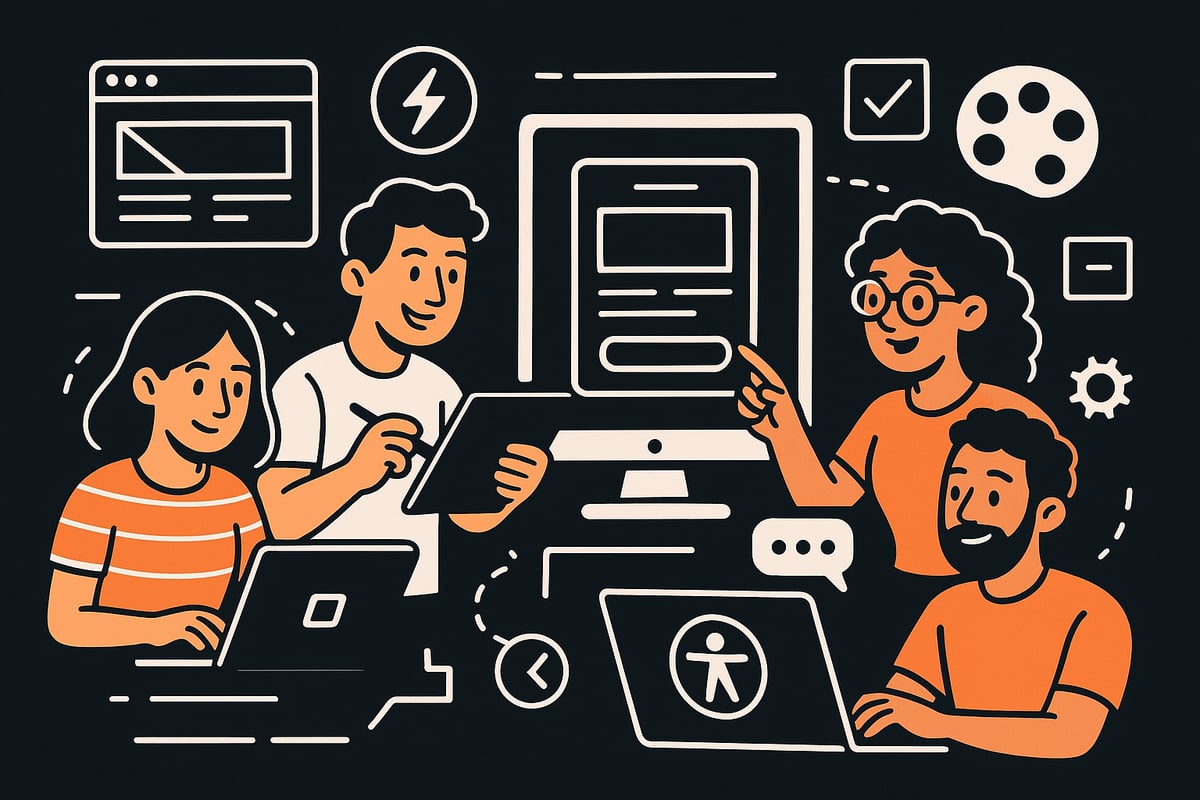
User-centred design for digital marketing starts with understanding your audience. Begin by conducting thorough research to uncover user needs and pain points. Develop detailed personas to visualise target users and map their journey across digital touchpoints.
Key steps in user-centred design for digital marketing:
- Gather qualitative and quantitative user data.
- Create journey maps to identify friction points.
- Prototype and test solutions with real users.
Empathy drives effective design for digital marketing. According to Forrester, 70 percent of failed projects lack user input. Mapping the user journey for e-commerce, for example, reveals opportunities for improvement. Prioritise feedback and iteration to ensure campaigns are both relevant and engaging for your audience.
Mobile-First and Responsive Design
With over 65 percent of web traffic coming from mobile devices in 2026, mobile-first strategies are non-negotiable in design for digital marketing. Responsive frameworks and robust design systems ensure seamless experiences across devices, reducing friction and boosting conversions.
Progressive web apps (PWAs) are transforming retail by combining mobile convenience with high performance. Google’s mobile-first indexing now prioritises mobile-optimised content in search rankings. For a comprehensive overview of these best practices, review the Website Design & Development Guide.
A mobile-first approach to design for digital marketing means prioritising speed, clarity, and accessibility at every stage. Test layouts on multiple devices to guarantee consistency and usability for all users.
Speed, Performance, and Visual Hierarchy
Speed is a cornerstone of design for digital marketing. Every second counts, as slow load times can dramatically increase bounce rates and reduce conversions. Amazon found a 1 second delay could cost £1.2 billion in sales each year.
Optimise images, fonts, and code for maximum performance. Use clear visual hierarchy to guide users’ attention to critical calls-to-action. Techniques include:
- Contrasting colours for buttons
- Larger, bolder headlines
- Logical content grouping
A streamlined visual hierarchy in design for digital marketing helps users process information quickly, making it easier to navigate and convert. Prioritise speed and clarity to maximise campaign results.
Accessibility and Ethical Design
Ethical and accessible design for digital marketing is a legal and business imperative. Following WCAG 2.2 standards means every user, regardless of ability, can engage with your content. Inclusive practices include:
- High-contrast colour schemes
- Keyboard-friendly navigation
- ARIA labels and descriptive alt text
The BBC sets an industry benchmark by making accessibility core to their digital platforms. Accessible design for digital marketing not only broadens your audience but also strengthens your brand’s reputation for responsibility and care.
Prioritise accessibility to meet regulations and create a positive impact for all users.
Testing and Iteration in UX/UI
Continuous testing is vital in design for digital marketing. Use A/B and multivariate testing to compare design elements and measure what resonates most with users. Tools like heatmaps and session recordings reveal how users interact with your site.
Effective design for digital marketing relies on a cycle of feedback and iteration. For instance, SaaS companies often refine onboarding flows based on user behaviour and feedback, leading to higher retention rates.
Adopt a mindset of ongoing improvement, using analytics to inform every design decision. This ensures your campaigns stay relevant and high-performing in an evolving digital landscape.
Leveraging Emerging Technologies in Digital Marketing Design
Emerging technologies are transforming design for digital marketing, enabling brands to deliver personalised, efficient, and ethical digital experiences. Staying ahead of these innovations is essential for marketers aiming to create campaigns that resonate with today’s tech-savvy audiences.
Artificial Intelligence and Automation
Artificial intelligence is revolutionising design for digital marketing by automating content creation, personalisation, and testing. AI-powered design tools, such as Canva’s AI design assistant, enable marketers to quickly generate on-brand visuals and layouts tailored to audience preferences.
Automation streamlines A/B testing, allowing rapid optimisation of design elements for higher engagement. According to Salesforce, 61% of marketers now use AI for content and design, reflecting its growing impact. For brands seeking to future-proof their strategies, AI-Powered Solutions for Brands highlights how these technologies are reshaping the field.
By integrating AI and automation, businesses can achieve more effective, scalable design for digital marketing campaigns.
Voice and Conversational Interfaces
The rise of voice technology has made conversational interfaces a vital component of design for digital marketing. Smart speakers, voice search, and chatbots are now embedded in daily user journeys.
Designers must focus on clear, concise dialogue flows, accessible language, and seamless handoffs between voice and visual interfaces. Domino’s voice-ordering chatbot is a prime example, offering customers a frictionless path from conversation to conversion.
By 2026, it’s forecasted that 50% of searches will be voice-based. Adopting best practices in conversational UI is crucial for brands looking to enhance user engagement and stay competitive in the evolving landscape of design for digital marketing.
Data-Driven Design Decisions
Data-driven decision-making is at the heart of successful design for digital marketing. By analysing user behaviour, marketers can optimise layouts, colour schemes, and content to maximise impact.
Predictive design leverages analytics to anticipate what users want, leading to more relevant experiences. Netflix’s dynamic thumbnails, which adapt based on viewing habits, are a standout example. McKinsey reports that data-driven companies are 23 times more likely to acquire customers.
Incorporating these insights ensures that every design for digital marketing campaign is informed by real-world results, driving better engagement and ROI.
Sustainable and Ethical Digital Design
Sustainability and ethics are now key considerations in design for digital marketing. Eco-friendly practices include optimising assets for faster load times, using green hosting, and embracing minimalist layouts to reduce digital waste.
Ethical design means prioritising privacy, transparency, and digital wellbeing throughout the user experience. Ecosia’s sustainable web design approach demonstrates how brands can align their digital presence with responsible values.
Consumers are increasingly seeking out brands that reflect their environmental and ethical concerns, making sustainable and ethical design for digital marketing a strategic advantage.
Real-World Case Studies and Success Stories
Real-world examples bring the impact of design for digital marketing into sharp focus. By examining proven strategies and measurable outcomes, we see how thoughtful design choices drive tangible growth across sectors. Let us explore four standout case studies, each demonstrating how innovative design for digital marketing elevates brands and delivers results.
E-commerce Design Transformations
E-commerce businesses thrive on seamless user experiences and strong visual identities. When ASOS launched its mobile-first redesign in 2025, the results were immediate and profound. The new design for digital marketing focused on intuitive navigation, engaging product imagery, and faster checkout.
Sales rose by 35 percent within months, highlighting how design for digital marketing can directly influence customer retention and conversion. The optimised interface reduced bounce rates and encouraged repeat purchases, setting a new benchmark for e-commerce excellence.
B2B Digital Marketing Campaigns
B2B organisations increasingly leverage design for digital marketing to build authority and generate leads. HubSpot’s interactive content campaigns are a prime example. By integrating dynamic infographics, calculators, and resources into their strategy, HubSpot increased user engagement and drove more qualified leads into their pipeline.
The compelling visual design for digital marketing helped clarify complex solutions, making them more accessible to decision-makers. This approach not only elevated brand credibility but also contributed to measurable pipeline growth.
Social Media and Content Marketing Wins
Social media thrives on visual storytelling. Red Bull’s immersive Instagram stories showcase the power of design for digital marketing in capturing attention and driving engagement. By combining high-energy visuals with interactive elements, Red Bull’s branded content consistently outperforms static posts.
According to MDG Advertising, branded visuals receive 94 percent more views than text-only content. For more on interactive content’s role in future campaigns, see The 6 Marketing Trends to Watch in 2026. This case demonstrates the importance of design for digital marketing in fostering brand loyalty and expanding reach.
Non-Profit and Purpose-Driven Campaigns
Non-profits harness design for digital marketing to inspire action and advocacy. WWF’s interactive climate change microsite is a standout. By using engaging visuals, clear calls-to-action, and data-driven storytelling, WWF increased donations and volunteer sign-ups.
The campaign’s design for digital marketing made complex issues accessible and emotionally resonant. Commercial brands can learn from these strategies, recognising that compelling design for digital marketing is essential for both awareness and measurable impact.