
Branding Pages Guide: Your Essential Handbook for 2026
In 2026, branding pages will be pivotal in shaping a business’s digital presence and unlocking new growth opportunities. As branding strategies rapidly evolve, digital audiences are demanding more engaging, authentic, and seamless brand experiences.
This shift presents businesses with the chance to stand out, foster trust, and drive conversions through expertly crafted branding pages. To help you thrive, this handbook will guide you through the essentials of creating, optimising, and future-proofing your branding pages for lasting success.
Expect insights on core fundamentals, the latest design trends, effective content strategies, cutting-edge technology, analytics, and actionable tips to ensure your branding pages remain ahead of the curve.
Understanding Branding Pages: Fundamentals and Impact
Branding pages have rapidly evolved into essential tools for digital success. As businesses compete for attention in crowded online spaces, these pages act as the digital face of a brand, shaping first impressions and building trust. Their influence extends far beyond aesthetics, directly impacting perception, engagement, and long-term loyalty. In the following sections, we explore what makes branding pages unique, why they're critical for modern businesses, the elements that drive performance, common pitfalls, and how user expectations are changing in 2026.
What Are Branding Pages?
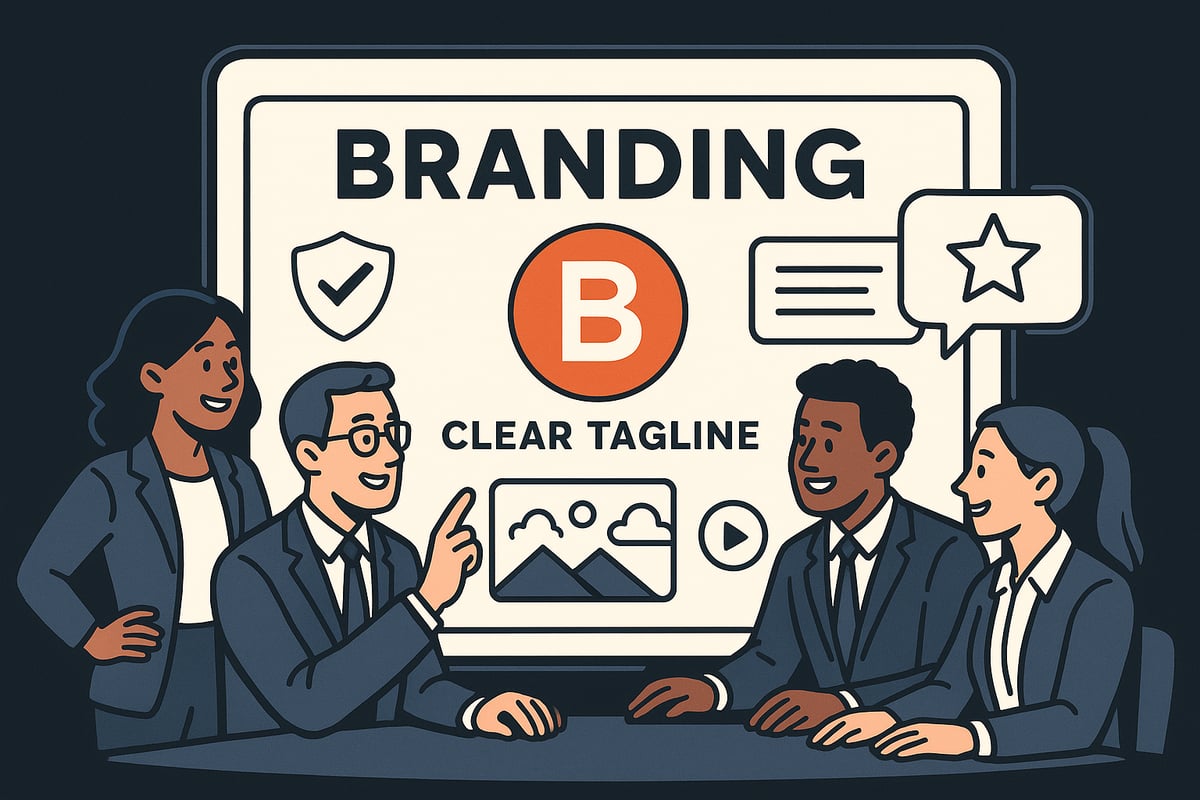
Branding pages are dedicated digital destinations focused on showcasing a company's identity, values, and promise to its audience. Unlike standard landing pages or product pages, which often target immediate conversions or transactions, branding pages are crafted to tell a story and build emotional connections.
The core elements of branding pages include a compelling visual identity, consistent messaging, and a narrative that resonates. Leading brands, such as Apple and Nike, use these pages to immerse users in their ethos through powerful imagery, video, and customer stories. Storytelling and visual identity work hand in hand, making branding pages memorable and trustworthy. For a deeper dive into the foundations of brand identity that underpin these pages, see the Brand Identity Fundamentals guide.
Branding pages are vital in shaping how users perceive a business. By delivering an authentic experience, they foster loyalty and positive associations that last well beyond a single visit.
The Business Case for Branding Pages
The business impact of branding pages is tangible and well-documented. Recent data shows that strong branding pages can increase conversion rates by up to 30%, with higher engagement and repeat visits. These pages are instrumental in driving brand recognition and trust, especially in competitive markets.
Companies investing in cohesive branding report a higher return on investment compared to those who neglect this area. A study by Lucidpress revealed that 70% of consumers cite brand consistency as a major factor in building trust. Branding pages also play a pivotal role in multi-channel marketing, ensuring the brand's message is unified across all touchpoints.
Statistics from competitor content reinforce that branding pages are not just a marketing luxury but a business necessity. Their ability to boost loyalty and customer lifetime value makes them a strategic asset for any forward-thinking organisation.
Key Elements of High-Performing Branding Pages
Effective branding pages are built on several key elements that work together to deliver results:
- Visual identity: Logos, colour schemes, and typography set the tone and create instant recognition.
- Brand messaging: A defined tone of voice, clear taglines, and value propositions communicate purpose.
- Social proof: Testimonials, awards, and case studies reinforce credibility.
- Interactive features: Videos, animations, and dynamic content engage users and encourage exploration.
- Calls to action: Clear conversion points drive desired outcomes.
- Accessibility and mobile optimisation: Ensuring every visitor enjoys a seamless experience, regardless of device.
When these components are executed with care, branding pages elevate the entire digital presence and support broader marketing objectives.
Common Mistakes and How to Avoid Them
Several pitfalls can undermine the effectiveness of branding pages. One common mistake is inconsistent branding or messaging, which confuses visitors and dilutes trust. Overloading the page with information or visuals can overwhelm rather than engage.
Neglecting user experience, especially navigation and mobile responsiveness, leads to high bounce rates. Failing to optimise for different devices or overlooking accessibility can exclude significant portions of the audience.
Another frequent error is lacking a clear value proposition, leaving users uncertain about what sets the brand apart. Avoid these issues by maintaining consistency, prioritising usability, and focusing on clarity at every stage of page design.
The 2026 Perspective: Evolving User Expectations
User expectations for branding pages are rising rapidly as digital habits shift. In 2026, audiences demand personalised experiences, seamless navigation, and content tailored to their preferences. The integration of AI is enabling real-time personalisation, adapting branding pages to each visitor's needs.
Surveys show that over 80% of users expect brands to recognise them and deliver relevant experiences. Accessibility and inclusivity are also top priorities, with users seeking brands that reflect diverse values and provide equitable access.
Looking forward, trends such as immersive storytelling, interactive content, and data-driven design will shape the future of branding pages. Brands that anticipate and adapt to these evolving needs will stand out and thrive in the digital landscape.
Step-by-Step Guide: Creating a Winning Branding Page in 2026
Creating outstanding branding pages in 2026 demands a strategic approach. Each step builds upon the last, ensuring your digital presence is not only memorable but also effective in driving results. Here’s your roadmap to success.
Step 1: Define Your Brand Identity and Objectives
Start by clarifying your brand’s core values, mission, and vision. Understand who you are and what you stand for—these fundamentals shape every aspect of branding pages.
Identify your target audience personas. Consider demographics, motivations, and digital behaviours. Set measurable objectives, such as increasing brand awareness, building loyalty, or boosting conversions.
Align these goals with your wider business and marketing strategies. A clearly defined brand identity ensures consistency and direction for all future branding pages.
Step 2: Develop Compelling Visual and Verbal Brand Assets
Strong branding pages rely on a cohesive visual identity. Design a memorable logo, select a harmonious colour palette, and choose typography that reflects your character.
Establish clear brand voice and messaging guidelines. Use storytelling frameworks to bring your brand’s narrative to life, creating emotional connections.
Ensure all digital touchpoints, from website to social media, present a unified experience. Consistency across branding pages builds recognition and trust with your audience.
Step 3: Map the User Journey and Page Structure
Analyse user intent and define the actions you want visitors to take on your branding pages. Map out intuitive navigation, ensuring users can find key information effortlessly.
Structure content with clear headings, concise text, and logical flow. Incorporate trust signals like testimonials, case studies, and security badges.
Prioritise responsive and accessible layouts. Every user, regardless of device or ability, should enjoy a seamless experience on your branding pages.
Step 4: Integrate Engaging Content and Interactive Elements
Bring your branding pages to life with engaging media. Use video, animations, and interactive elements to capture attention and communicate your unique selling points.
Dynamic content, such as personalised greetings or product recommendations, enhances user engagement. Embed testimonials, case studies, and awards to reinforce credibility.
Highlight what sets your brand apart. Well-chosen content and interactive features transform branding pages into immersive experiences.
Step 5: Optimise for SEO and Discoverability
Research keywords relevant to branding pages and your industry. Optimise meta tags, headings, and image alt text for better search visibility.
Implement schema markup to enhance how your branding pages appear in search results. Prioritise fast load times and mobile responsiveness to reduce bounce rates.
Effective SEO ensures your branding pages reach the right audience and support business growth in 2026.
Step 6: Test, Launch, and Iterate
Before going live, run A/B tests on critical elements such as calls to action, visuals, and copy. Use these insights to refine your branding pages for maximum impact.
Gather user feedback through surveys or analytics tools. Address pain points and iterate based on real data.
Prepare for phased rollouts and schedule future updates. Continuous improvement keeps your branding pages relevant and effective.
Partnering with Experts: The Value of Professional Branding Services
Collaborating with experienced digital agencies accelerates the creation and optimisation of branding pages. Professionals bring expertise in strategy, design, and technology integration.

Expert guidance ensures your branding pages leverage the latest trends, from AI-driven personalisation to advanced analytics. Brands working with agencies often see faster growth and better results.
For example, Harley Oliver’s award-winning approach to branding, digital design, and e-commerce solutions empowers businesses to elevate their online presence. Explore more in the Digital Branding Solutions Guide.
Step 7: Maintain and Evolve Your Branding Page
Schedule regular audits to review content and design on your branding pages. Update messaging and visuals to reflect your evolving brand identity.
Monitor analytics for performance insights and user engagement trends. Stay informed about industry shifts to keep your branding pages ahead of the curve.
Ongoing maintenance ensures your branding pages remain fresh, relevant, and effective in a rapidly changing digital landscape.
Design Trends and Best Practices for Branding Pages in 2026
In 2026, branding pages are no longer just digital brochures. They are immersive experiences designed to engage, inspire, and convert. Staying ahead in this fast-evolving landscape means embracing design trends and best practices that address both user expectations and business objectives.
Let us explore what sets the most successful branding pages apart this year, from minimalism to sustainability.
Minimalism and Clarity in Visual Design
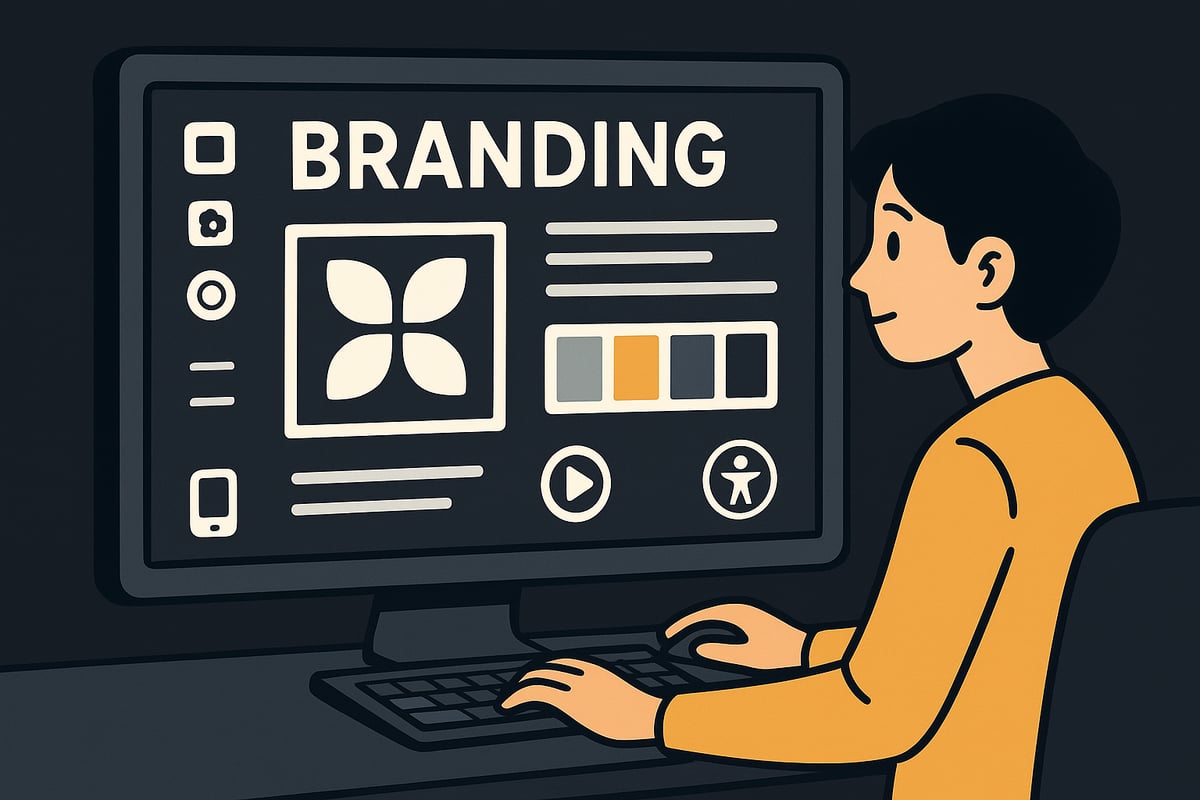
Minimalism is dominating branding pages in 2026. Clean layouts, generous whitespace, and a focus on essential elements help users process information quickly. Brands are turning to bold typography and simplified colour palettes to ensure clarity and memorability.
Many leading branding pages adopt eco-centric colour schemes and geometric shapes, as seen in the latest 2026 Logo Design Trends. This approach not only modernises visual identity but also improves user engagement. By stripping away distractions, brands guide attention to key messages and calls to action, resulting in higher conversion rates.
Immersive Storytelling and Rich Media
Storytelling is at the heart of high-impact branding pages. In 2026, brands use video backgrounds, subtle animations, and interactive graphics to immerse visitors in their narrative. These elements create an emotional connection, making the brand memorable and relatable.
Narrative-driven layouts help users navigate branding pages intuitively. Data shows that incorporating rich media increases dwell time and encourages users to explore further. Case studies reveal that brands leveraging immersive storytelling see measurable improvements in engagement and recall.
Personalisation and Dynamic Content
Personalisation is now a standard expectation on branding pages. AI-driven content recommendations and user-specific experiences are reshaping how brands interact with their audiences. Dynamic content adapts in real time, reflecting user behaviour and preferences.
This level of personalisation leads to higher satisfaction and loyalty. For instance, branding pages that present personalised testimonials or product highlights see a marked lift in engagement. Tools that deliver these dynamic experiences are becoming essential in every brand’s toolkit.
Accessibility and Inclusivity
Accessibility is non-negotiable for branding pages in 2026. Compliance with WCAG 2.2 and similar standards ensures everyone can engage with your content. Features like alt text, keyboard navigation, and adjustable contrast are now expected by both users and regulators.
Inclusive design not only broadens reach but also enhances brand reputation. Global accessibility statistics show that brands investing in accessible branding pages enjoy higher trust and loyalty. Making your site usable for all is smart business as well as ethical practice.
Mobile-First and Multi-Device Optimisation
With mobile traffic dominating the web, branding pages must be optimised for every device. Responsive design principles guarantee seamless experiences, whether viewed on phones, tablets, or desktops. Mobile-specific features such as touch gestures and prominent CTAs cater to on-the-go users.
Testing tools help brands identify and fix mobile usability issues, ensuring no visitor is left behind. The best branding pages consistently deliver fast load times and intuitive navigation on all platforms, driving stronger engagement and conversions.
Sustainable and Ethical Branding Design
Sustainability is now a key differentiator for branding pages. Brands are choosing eco-friendly images, digital assets, and transparent messaging to reflect their values. Ethical design includes clear sourcing, honest communication, and a commitment to social responsibility.
Consumers are increasingly drawn to brands that prioritise sustainability. By showcasing these values on branding pages, companies build trust and long-term loyalty. Examples from industry leaders highlight how ethical and sustainable approaches can set brands apart in a crowded digital space.
Measuring Success: Analytics and KPIs for Branding Pages
Tracking the performance of branding pages is essential for ensuring your efforts deliver measurable results. By focusing on the right analytics, you can pinpoint what works, identify areas for improvement, and drive sustained growth.
Essential Metrics to Track
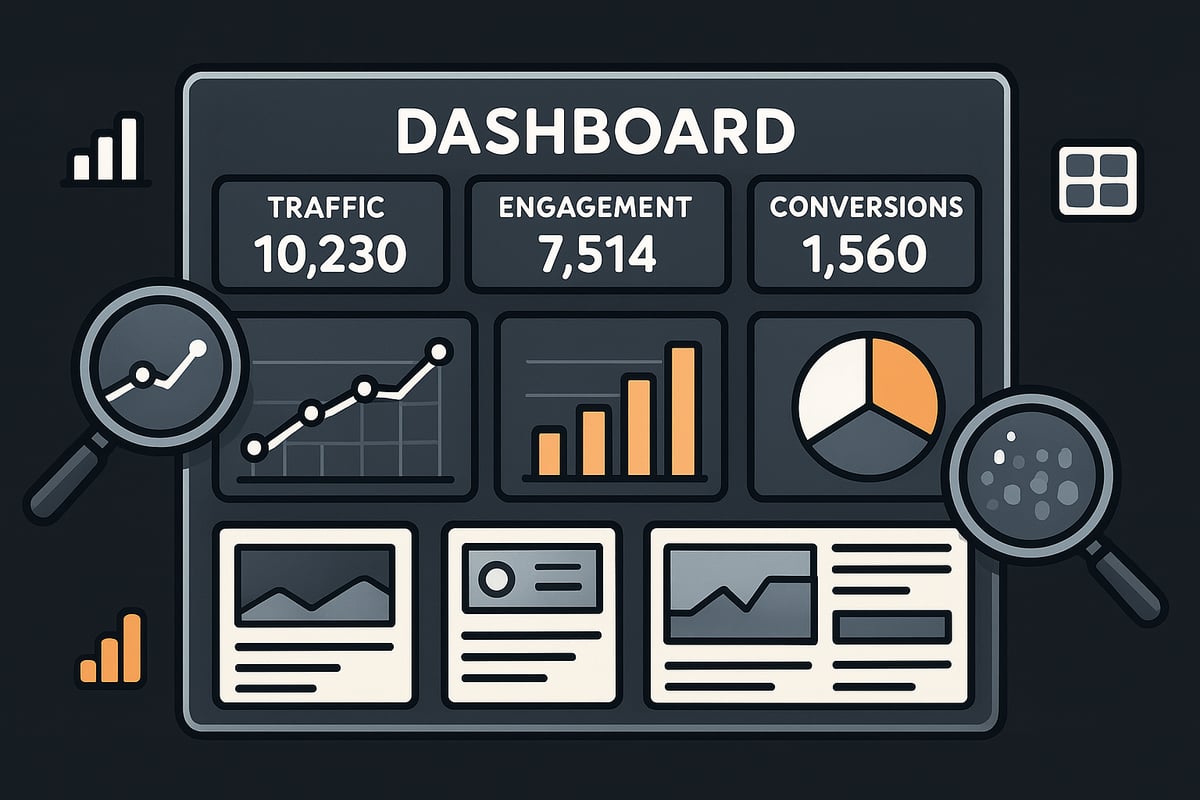
To measure success, start by monitoring foundational metrics for branding pages. These include brand awareness indicators like website traffic, reach, and impressions. Engagement rates, such as time on page and user interactions, reveal how visitors connect with your content.
Conversion metrics are equally crucial. Track actions like sign-ups, downloads, or enquiry form submissions to gauge the effectiveness of your branding pages in moving users through the funnel. Social sharing rates and referral traffic also provide insight into your content's broader impact.
By keeping a close eye on these key performance indicators, you can better understand how your branding pages influence audience perception and drive business outcomes.
Tools and Platforms for Analytics
A range of analytics tools can help you track and interpret branding pages performance. Google Analytics 4 is a popular choice, offering detailed insights into user journeys and behaviour. Platforms like Hotjar provide heatmaps and session recordings, allowing you to visualise where users click, scroll, and engage most.
Integrating analytics tools with your CRM and marketing platforms enables a unified view of audience data. This holistic approach allows you to connect branding pages performance with broader business goals. For deeper strategy alignment, explore Brand Strategy and Design Insights, which highlights how to apply analytics to refine branding best practices.
Using the right tools ensures your data is actionable and supports continuous improvement.
Interpreting Data and Making Improvements
Raw data alone does not reveal the full story. Set clear benchmarks and KPIs for your branding pages to measure progress effectively. Identifying drop-off points, bottlenecks, or underperforming elements is crucial for targeted optimisation.
Heatmaps and session recordings highlight friction in the user experience, while engagement metrics point to content strengths and weaknesses. Iteratively refine your branding pages based on these insights, testing changes and monitoring results.
Regular analysis helps you adapt to evolving user expectations, ensuring your branding pages remain effective and relevant in a dynamic digital landscape.
Case Studies: Data-Driven Branding Page Success
Many brands have seen significant improvements by leveraging analytics to optimise their branding pages. For example, a company could experience a 40 percent increase in conversions after redesigning its branding pages based on user behaviour data.
Competitor case studies often highlight the importance of continuous measurement and adaptation. Brands that monitor KPIs closely are better positioned to identify growth opportunities and respond to market trends.
The key takeaway is that data-driven decision-making transforms branding pages from static assets into dynamic, high-performing business tools.
Future-Proofing Your Branding Pages: Trends and Innovations for 2026 and Beyond
In 2026, future-proofing your branding pages is vital for staying ahead in a rapidly shifting digital landscape. Businesses that embrace new technologies, evolving user expectations, and ethical standards will secure their digital relevance and build lasting trust.
AI and Automation in Branding Page Management
AI is transforming how branding pages are managed and optimised. Machine learning analyses user data to personalise experiences in real time, while automation tools streamline updates, testing, and analytics.
Brands leverage AI-driven content creation to generate headlines, adapt imagery, and tailor copy for each visitor. Automation platforms allow for instant A/B testing and rapid deployment of new features. By adopting AI for Branding Innovation, companies can harness predictive insights and adaptive design, ensuring their branding pages remain relevant and engaging.
AI not only enhances efficiency, it also enables brands to deliver the right message to the right audience at the optimal moment.
Integration with Emerging Technologies
Emerging technologies are redefining the capabilities of branding pages. Augmented reality (AR) and virtual reality (VR) introduce immersive experiences, allowing users to interact with products and brand stories directly on the page.
Voice search and conversational interfaces enable hands-free navigation and deeper engagement, while blockchain can provide transparency and verify authenticity. These innovations are expected to see increased adoption, making branding pages more interactive and secure.
Staying updated with technological trends ensures your branding pages not only meet, but anticipate, user needs and industry standards in 2026.
The Rise of Micro-Interactions and Gamification
Micro-interactions and gamification are shaping the next wave of user engagement. Branding pages now feature subtle animations, progress bars, and interactive elements that reward users for participation.
Gamified experiences, such as quizzes or achievement badges, drive loyalty and repeat visits. According to 2026 Graphic Design Trends, kinetic typography and 3D visuals are becoming standard, making branding pages more captivating.
These features increase time on site and foster emotional connections, turning passive browsing into memorable brand experiences.
Evolving Privacy Standards and Ethical Considerations
Privacy and ethics are at the forefront of branding page development. Compliance with regulations such as GDPR and CCPA is non-negotiable, requiring transparent data collection and clear consent mechanisms.
Brands must communicate how data is used, building trust through ethical practices and honest messaging. Accessible privacy policies, cookie controls, and secure user journeys are essential components of modern branding pages.
Prioritising privacy not only safeguards your users, it also enhances your reputation and sets your brand apart in a crowded marketplace.
Preparing for the Next Generation of Branding Pages
To future-proof branding pages, brands must anticipate changing consumer expectations and digital behaviours. This means investing in agile design strategies, continuous learning, and innovation.
Regularly updating content, visuals, and technologies keeps branding pages fresh and effective. Monitoring analytics helps identify trends and optimise for performance. Embracing new tools and keeping pace with industry shifts will ensure your branding pages continue to drive engagement, trust, and conversion well beyond 2026.