
Marketing Digital Design Guide: Strategies & Trends 2026
In 2026, digital design isn’t just about aesthetics, it’s the engine behind every successful marketing campaign. Design-forward companies now outperform their competitors by 2:1, according to McKinsey, making this a pivotal moment for brands seeking growth.
This guide unpacks the strategies and trends set to define marketing digital design over the next few years. You’ll discover the core principles, essential design strategies, a step-by-step process, future-focused trends, and practical tips that help businesses thrive.
Ready to master the future of digital marketing? Read on to unlock expert insights and proven steps for real business success.
Core Principles of Marketing Digital Design
The foundation of effective marketing digital design begins with understanding not only how a campaign looks, but also how it functions and connects with users. As digital marketing evolves in 2026, these core principles set the stage for compelling, high-performing campaigns.
Defining Marketing Digital Design
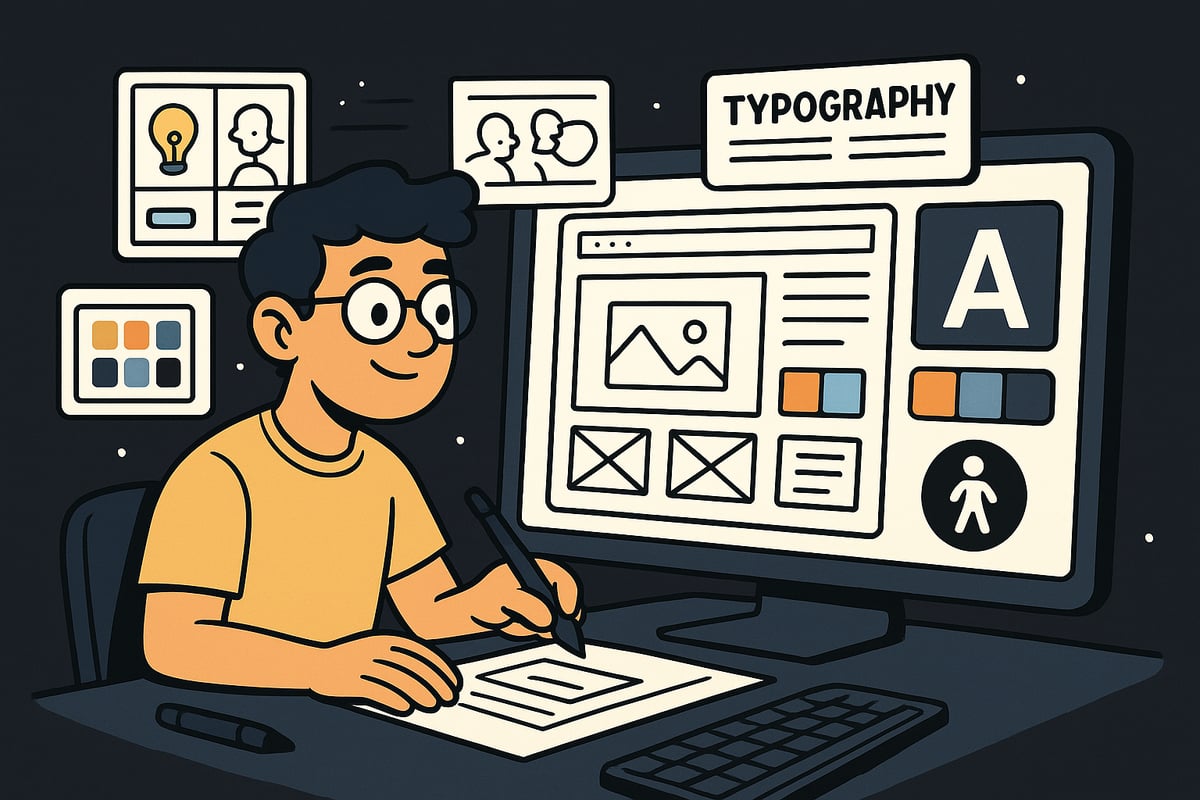
Marketing digital design is the strategic creation of visual and content assets for digital campaigns. It covers websites, landing pages, social media graphics, email templates, PPC ads, and a variety of content assets.
The goal is to blend visual appeal with seamless user experience, ensuring every touchpoint feels intentional and engaging. In fact, 75 percent of users judge a brand by its website’s appearance and functionality, making marketing digital design essential for campaign success in 2026.
Key Elements and Visual Hierarchy
A strong marketing digital design uses grid systems and alignment to create structure and readability. Visual hierarchy and scale guide the viewer’s eye to the most important information first.
Key elements include:
- Colour and contrast for accessibility and brand recognition
- Typography choices for clarity and tone
- Consistent use of imagery and artwork
According to Adobe, 38 percent of people stop engaging with unattractive layouts. Focusing on these elements ensures your digital campaigns stand out.
Brand Consistency and Identity
Unified visual identity is vital across every channel in marketing digital design. Consistency in colour, typography, and imagery reinforces brand values and builds trust with your audience.
Custom artwork, unique shapes, and tailored imagery can drive home what your brand stands for. For expert guidance, explore these Brand Identity Design Insights to see how strong identity shapes digital success. A consistent approach strengthens perception and loyalty.
User Experience (UX) and Accessibility
Great marketing digital design hinges on intuitive UX. This means clear navigation, responsive layouts, and calls to action that guide users effortlessly. Accessibility is equally important; using readable typography, sufficient contrast, and descriptive alt text ensures everyone can interact with your content.
Forrester found that good UX can increase conversion rates by up to 400 percent. Prioritising usability and inclusivity opens your campaigns to wider audiences and drives results.
Data-Driven Design Decisions
Successful marketing digital design relies on constant improvement. Use analytics and A B testing to learn what works best for your audience. Personalisation, powered by data, allows you to deliver dynamic content tailored to user preferences.
By regularly evaluating performance, you can optimise visuals and messaging for maximum impact. Data-driven tweaks keep your design strategy agile and effective.
Emotional Engagement and Storytelling
Storytelling is at the heart of marketing digital design. Visual narratives—such as product photography, explainer videos, or customer testimonials—help brands connect emotionally with audiences.
Compelling stories can increase conversions and foster long-term loyalty. In ecommerce, for example, authentic photography and engaging video content create memorable experiences that drive repeat business.
Step-by-Step Process: Building Effective Marketing Digital Design in 2026
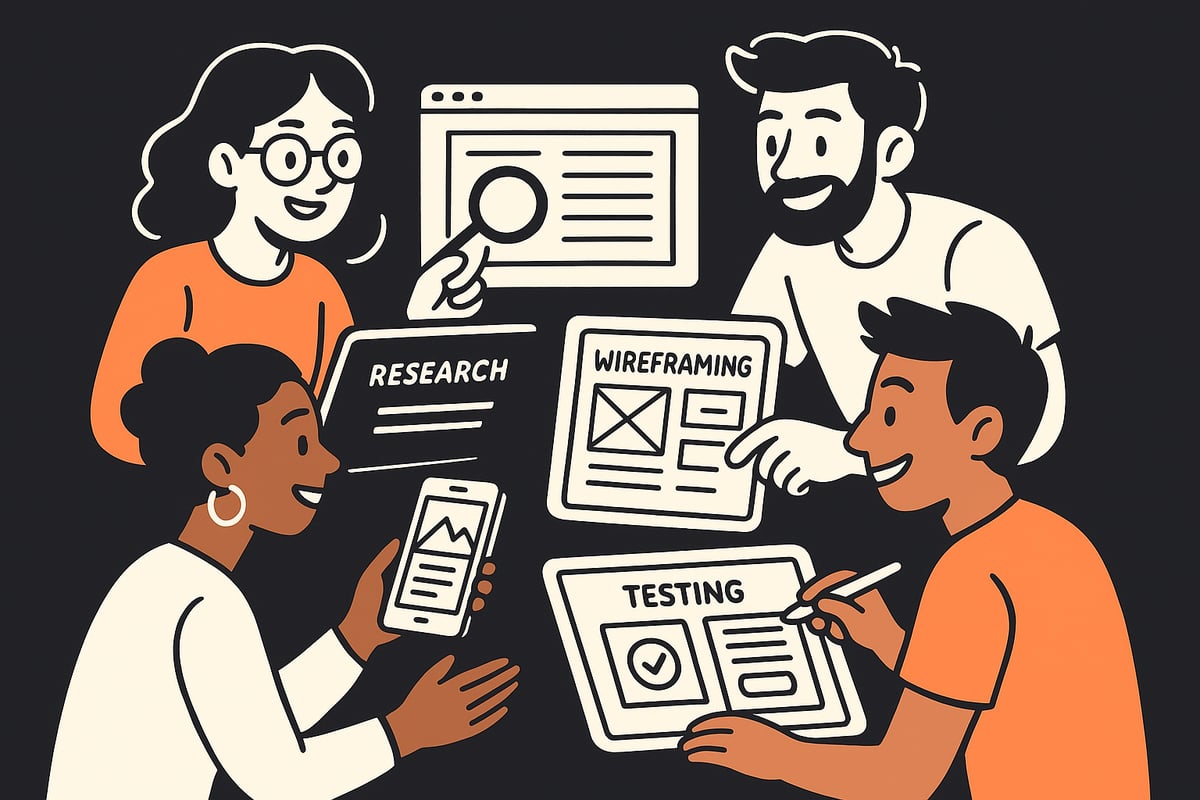
Creating high-impact marketing digital design in 2026 requires a clear, methodical process. Each step builds on the last, ensuring your campaigns are not only visually impressive but strategically aligned with your business goals. Let’s break down this process into seven actionable stages.
Step 1: Research & Audience Analysis
Every successful marketing digital design project begins with thorough research. Start by defining your target audience demographics, such as age, location, interests, and behaviours. Use analytics tools, surveys, and interviews to uncover pain points and motivations.
Next, conduct a competitor analysis. Examine the visual language, messaging, and user experience of leading brands in your sector. This benchmarking helps you understand current standards and identify gaps your marketing digital design can fill.
Gather insights from website analytics and user feedback. Look for trends in engagement, bounce rates, and conversion paths. These insights inform your initial decisions and set the foundation for a tailored design strategy.
Step 2: Strategy & Planning
With research in hand, move on to setting a strategic direction. Align your marketing digital design objectives with broader marketing and business goals. For example, if brand awareness is the priority, focus on bold visuals and memorable branding elements.
Select the right digital platforms and channels, such as websites, social media, email, or PPC. Each platform may require different design adaptations. Define measurable KPIs for success, like conversion rates or engagement metrics.
For a deeper dive into aligning digital branding with design strategies, explore Essential Digital Branding Solutions for actionable insights that support this stage.
Step 3: Concept Development & Ideation
This stage is where creativity meets strategy. Brainstorm multiple concepts that reflect your brand personality and address your audience’s needs. Sketch out rough layouts, mood boards, and messaging ideas to visualise the campaign direction.
Map user journeys across different touchpoints. Storyboarding helps you anticipate user actions and design for seamless experiences. Integrate your brand’s voice and values into every concept, making sure each idea strengthens your marketing digital design narrative.
Collaboration is key at this stage—invite feedback from stakeholders early to refine concepts and ensure alignment with project goals.
Step 4: Design Execution
Now, bring concepts to life by crafting visual assets and layouts. Use grid systems and alignment for clarity, ensuring every design element serves a purpose. Apply your brand guidelines consistently across graphics, videos, animations, and interactive elements.
Pay close attention to hierarchy and scale to draw user attention to the most important parts of your marketing digital design. Prioritise device responsiveness so your assets look sharp on all screens. For example, minimalist landing pages with bold CTAs can drive engagement and reduce drop-offs.
Maintain a balance between creativity and usability, always testing visuals for clarity and impact before moving forward.
Step 5: Implementation & Integration
This step involves close collaboration with developers and technical teams. Integrate your marketing digital design assets into chosen platforms, such as CMS, email automation tools, or social ad managers.
Test all design elements for speed, accessibility, and compatibility. Responsive layouts, optimised images, and clear CTAs ensure your digital assets perform well across devices and browsers.
Documentation is essential—provide style guides and asset libraries so future updates remain consistent. This structured approach keeps your marketing digital design cohesive and scalable as your campaigns evolve.
Step 6: Testing, Optimisation & Iteration
Continuous improvement is at the heart of effective marketing digital design. Use A/B testing to compare different layouts, headlines, and visuals. Analyse performance data such as click-through rates, conversions, and bounce rates.
Iterate based on these findings. Small tweaks, like adjusting button colours or copy, can yield significant improvements in user response. Keep monitoring user feedback to catch emerging issues or preferences.
This ongoing optimisation cycle ensures your marketing digital design remains relevant and effective as trends and user behaviours change.
Step 7: Measurement & Reporting
Finally, track the impact of your design efforts using clear KPIs. Monitor engagement, conversion rates, and return on investment through analytics dashboards. Regular reporting helps you demonstrate the value of your marketing digital design to stakeholders.
Share insights and lessons learned with your team. For example, a recent case study might show how a design overhaul led to higher conversions, supporting the case for ongoing investment in design excellence.
Essential Strategies for High-Impact Digital Marketing Design
To excel in the digital landscape of 2026, businesses need a toolkit of essential strategies for marketing digital design. Each approach ensures your brand not only captures attention but also converts visitors into loyal customers. Let us explore the key strategies shaping high-impact outcomes.
Personalisation & Dynamic Content
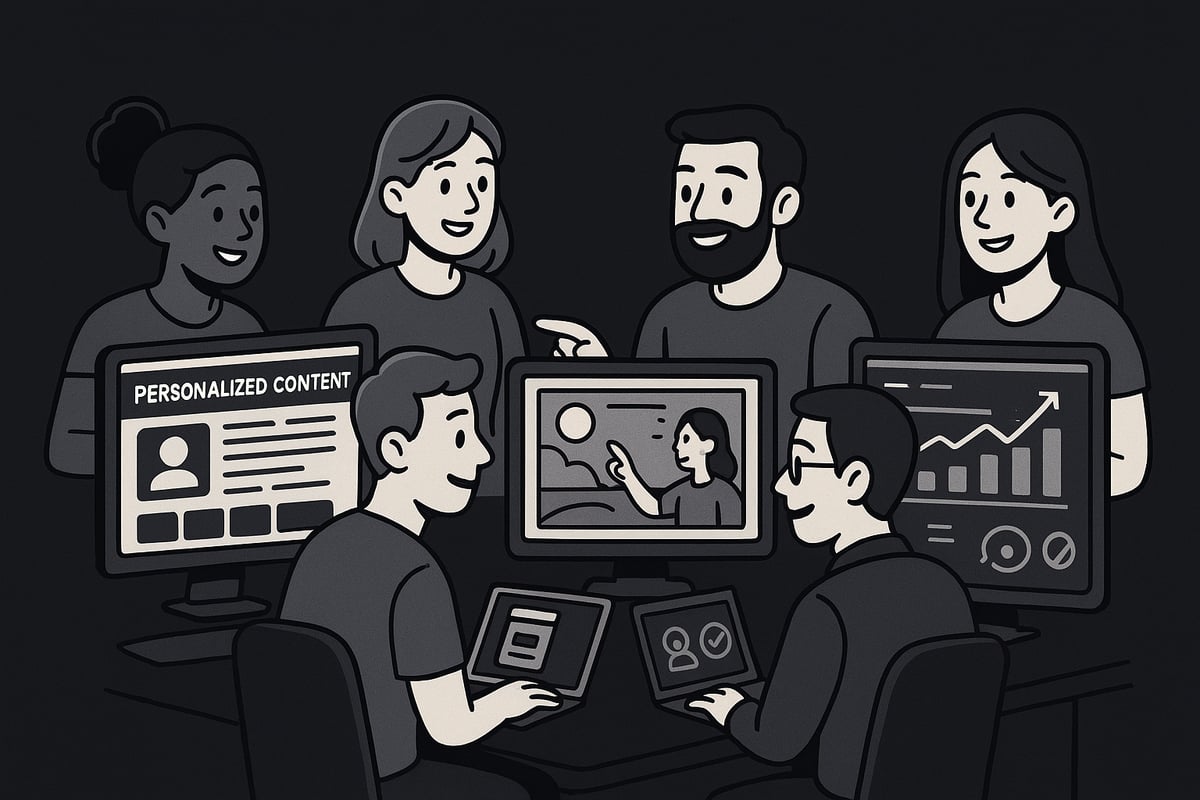
Personalisation is the cornerstone of modern marketing digital design. Leveraging AI and automation, brands can dynamically tailor visuals and messaging for each user segment. Imagine landing pages that adjust content and imagery based on a visitor’s browsing history or location.
For instance, dynamic product recommendations in emails or bespoke graphics in retargeting ads can dramatically boost engagement. Personalisation ensures users always see the most relevant offers, increasing the likelihood of conversion.
By embedding personalisation across all touchpoints, marketing digital design becomes a powerful engine for relevance and customer connection.
Mobile-First and Responsive Design
In 2026, mobile-first thinking is non-negotiable for marketing digital design. With most digital interactions occurring on smartphones, every asset must be crafted for seamless mobile experiences.
Responsive layouts, touch-friendly elements, and optimised loading speeds are now baseline requirements. Fail to deliver on mobile, and you risk alienating a large share of your audience.
Mobile-friendly design also supports SEO and conversion rates, making it indispensable for any marketing digital design strategy aimed at growth.
Visual Storytelling & Brand Narrative
Storytelling remains vital in marketing digital design, as visuals shape brand perception and foster emotional connections. Brands increasingly use imagery, video, and authentic content to narrate their values and mission.
Behind-the-scenes videos or curated Instagram grids build trust and transparency. Infographics and visual guides can simplify complex ideas, helping brands communicate with clarity.
For more on integrating storytelling into web experiences, see the Content for Website Design Guide. Effective storytelling in marketing digital design can turn casual visitors into brand advocates.
Conversion-Focused Design
Every element in marketing digital design should have a clear purpose, guiding users towards decisive action. Conversion-focused design relies on prominent calls-to-action, persuasive headlines, and trust signals such as testimonials or security badges.
Streamlining the user journey is critical. Remove unnecessary steps, reduce distractions, and ensure forms are simple and intuitive. Landing pages optimised for a single conversion goal consistently outperform generic designs.
By focusing on conversion, marketing digital design delivers measurable business results and maximises return on investment.
Accessibility & Inclusivity
Inclusive marketing digital design is not just ethical, it is also practical. Ensuring assets meet accessibility standards (like WCAG) broadens your audience and demonstrates brand responsibility.
This includes readable fonts, sufficient colour contrast, and descriptive alt text for images. Accessible design benefits everyone, not just users with disabilities. It makes interactions smoother, faster, and more enjoyable for all.
Prioritising accessibility in marketing digital design reinforces your commitment to inclusivity and brand integrity.
Data-Driven Optimisation
Continuous improvement is at the heart of successful marketing digital design. Data-driven strategies harness analytics, heatmaps, and user feedback to refine layouts, CTAs, and content.
A/B testing different elements reveals what truly resonates with your audience. Iteration based on real user behaviour ensures your design evolves with changing preferences.
By embedding analytics and optimisation in your workflow, marketing digital design becomes a living, adaptive system that drives sustained performance.
Sustainability and Ethical Design
As digital footprints grow, sustainability and ethics are gaining prominence in marketing digital design. Minimalist layouts reduce resource use and improve load times, while eco-friendly hosting and responsible imagery signal brand values.
Ethical design also means transparency in data collection and inclusive representation in visuals. Consumers are increasingly aware of these issues, rewarding brands that take a stand.
Adopting sustainable and ethical marketing digital design practices helps future-proof your brand and strengthens long-term loyalty.
Future Trends in Marketing Digital Design: 2026 & Beyond
The future of marketing digital design is unfolding at a rapid pace, with technological, social, and regulatory forces shaping the landscape. In 2026, brands must embrace innovation to stay competitive. Let us explore the top trends set to redefine marketing digital design, from AI-powered creation to immersive experiences and ethical considerations.
AI-Powered Design & Automation
Artificial intelligence is fundamentally transforming marketing digital design. AI-driven tools now generate visuals, automate layouts, and personalise user experiences in real time. Brands leverage these solutions to create hyper-targeted campaigns faster and more efficiently than ever.
For instance, AI can analyse user data and instantly adapt landing pages or graphics based on audience preferences. This reduces manual effort and allows creative teams to focus on strategy and storytelling. The adoption of AI Solutions for Digital Design is accelerating, with businesses reporting measurable gains in productivity and campaign performance.
AI-powered automation is no longer optional for marketing digital design. It has become essential for brands aiming to deliver personalised, relevant content at scale and speed.
Immersive Experiences: AR, VR, and Interactive Content
Augmented reality (AR) and virtual reality (VR) are opening new frontiers in marketing digital design. These technologies enable brands to create interactive, memorable experiences that captivate audiences and drive deeper engagement.
Brands can now offer virtual product try-ons, 3D tours, and gamified campaigns, making digital marketing more immersive. Interactive content, such as quizzes, polls, and clickable infographics, encourages users to participate rather than passively consume information.
With AR and VR, marketing digital design shifts from static visuals to dynamic, experiential storytelling. These innovations help brands stand out in crowded digital spaces while fostering emotional connections with consumers.
Micro-Animations and Motion Design
Motion design is reshaping how users interact with digital content. Subtle micro-animations, such as animated call-to-action buttons or hover effects, guide attention and create a sense of delight.
In marketing digital design, well-executed animations can highlight key actions, improve navigation, and reinforce brand personality. For example, animated progress bars can indicate loading states, while motion in banners can draw the eye to important offers.
Micro-animations improve user experience without overwhelming the interface. When used thoughtfully, they boost engagement and make digital assets feel modern and intuitive.
Minimalism and Maximalism: Evolving Aesthetics
Design aesthetics are evolving quickly, with both minimalist and maximalist styles influencing marketing digital design. Minimalism emphasises clarity, fast load times, and simplicity, making content accessible and easy to navigate. Maximalism, on the other hand, uses bold colours, layered graphics, and striking typography to command attention and differentiate brands.
A useful resource for identifying these trends is Top Graphic Design Trends in Digital Marketing for 2026, which highlights the rise of kinetic typography and phygital design. Marketers can choose the right aesthetic based on brand personality, audience, and campaign goals.
This shift in visual strategy keeps marketing digital design fresh and relevant, ensuring brands remain visually distinctive in a competitive landscape.
Voice and Audio-Driven Interfaces
The growth of voice search and audio content is changing the way users interact with brands online. Marketing digital design must now accommodate voice-based navigation, smart speakers, and audio branding.
Designers are optimising interfaces for spoken commands and integrating audio cues to enhance user journeys. For example, adding branded sounds to mobile apps or websites creates a memorable, multisensory experience.
As voice technology becomes more widespread, marketing digital design will need to balance visual elements with audio cues, ensuring seamless accessibility and engagement across all devices.
Hyper-Personalisation & Predictive Design
Hyper-personalisation is becoming the gold standard in marketing digital design. AI and machine learning enable real-time adaptation of content, layouts, and messaging based on individual user behaviour.
Predictive design analyses browsing history and preferences, dynamically changing visuals or offers to maximise relevance. For example, an ecommerce site might rearrange product categories or suggest tailored promotions for each visitor.
This level of personalisation fosters loyalty and boosts conversions. Marketers who harness predictive design gain a significant edge in targeting and customer satisfaction.
Data Privacy & Ethical Design
With increased regulation and consumer awareness, data privacy has moved to the forefront of marketing digital design. Designers must prioritise transparency, secure data handling, and clear privacy policies.
Ethical design also means creating inclusive, accessible experiences that respect user rights. Compliance with standards such as GDPR is critical, as is building trust through privacy-focused user journeys.
Brands that embed privacy and ethics into marketing digital design not only meet legal requirements but also enhance their reputation and foster long-term customer relationships.
Real-World Examples & Case Studies: Digital Marketing Design in Action
The real test of marketing digital design comes in its application. Exploring how brands use innovative design strategies reveals what truly drives engagement and growth. Let us examine standout examples across channels, each demonstrating the power and versatility of marketing digital design in 2026.
High-Impact Web & Landing Page Design
Web and landing page design sits at the heart of marketing digital design. Brands like Momofuku have redefined their online presence with clear visual hierarchy, eye-catching photography, and intuitive navigation. Their homepage guides visitors seamlessly, using a clean layout and strategic calls to action.
Statistics underscore this impact: 75% of users form opinions about a brand based on website appearance. A well-crafted landing page not only attracts but also retains user attention, which is vital for conversion. In 2026, these principles remain essential as design trends evolve, with brands embracing both minimalist and bold approaches.
A powerful landing page can make or break a campaign. By focusing on structure and storytelling, marketing digital design boosts trust and drives measurable results.
Effective Email Marketing Design
Despite the rise of new channels, email marketing continues to deliver exceptional ROI. Baggu’s product-offer emails illustrate how marketing digital design elevates this medium. Their emails feature bold visuals, concise copy, and a clear call to action, all wrapped in a strong narrative.
This approach keeps messages both visually appealing and easy to digest. Forbes reports that email remains the most effective digital channel, making design more critical than ever. A seamless blend of branding and usability ensures that every message feels relevant and persuasive.
The right design transforms email from mere communication into a powerful sales tool. Consistency, clarity, and creativity are essential for marketing digital design success.
Social Media Visual Campaigns
Social platforms demand a unique approach to marketing digital design. Madre Mezcal’s Instagram grid is a prime example, using collage-style layouts and cohesive storytelling to build brand identity. Their visuals are not only striking but also tell a story that resonates with followers.
Younger audiences are particularly influenced by visual campaigns. Deloitte found that 63% of Gen Z and 49% of millennials are swayed by social ads. This highlights the necessity of tailored design strategies that adapt to platform trends and audience preferences.
Engaging social media content requires more than aesthetics. It is about crafting a narrative that builds community and drives interaction through marketing digital design.
PPC and Digital Ad Design
In the fast-paced world of paid advertising, clarity and simplicity win. Megababe’s PPC ads stand out with ultra-legible text, bold product focus, and instantly recognisable branding. Their design choices ensure that ads capture attention and communicate value at a glance.
High-performing digital ads rely on marketing digital design to reduce friction and drive clicks. As highlighted in Key Digital Marketing Trends That Will Shape 2026, adaptive and AI-driven ad design is set to become even more essential as competition intensifies.
Brands that prioritise clear messaging and visual impact see stronger results. Effective ad design is a cornerstone of every successful digital marketing strategy.
Content Marketing Visuals
Content marketing thrives on visuals that simplify information and reinforce brand identity. Infographics, blog graphics, and video snippets make complex topics accessible and memorable. Consistency across these assets is crucial for brand recall.
A strong marketing digital design approach ensures every piece of content supports the overall narrative. As discussed in Design Trends 2026: An Expert's Take on What's Next, future trends point toward more interactive and immersive visuals, helping brands stand out in crowded markets.
By investing in quality design, businesses create assets that drive repeat engagement and support long-term growth.
Video Marketing and Animation
Short-form video and animation have surged in popularity, offering brands new ways to connect with audiences. Animated explainers, product demos, and social video ads engage users quickly and effectively. These formats are ideal for showcasing products and simplifying complex messages.
Marketing digital design plays a vital role in ensuring that video content aligns with brand identity and campaign goals. Animation adds personality and movement, making content more memorable and shareable.
Brands that leverage video see higher engagement rates and improved conversion. The right design approach brings stories to life in vivid, compelling ways.
How Harley Oliver Empowers Brands with Award-Winning Digital Design
Harley Oliver exemplifies the future of marketing digital design by blending branding, web, and e-commerce solutions. Their bespoke website designs and AI-driven brand strategies help clients achieve measurable growth.
Real-world case studies highlight their end-to-end expertise, from custom e-commerce experiences to dynamic content personalisation. Harley Oliver’s commitment to data-driven, future-ready strategies positions brands for long-term success.
By learning from industry leaders, businesses can apply these insights to their own marketing digital design efforts, ensuring they stay ahead in a rapidly evolving landscape.