
Guide To Solutions Digital: Transforming Business In 2026
The digital world is evolving faster than ever, and by 2026, businesses that fail to keep pace risk being left behind. Solutions digital are at the heart of this transformation, enabling organisations to operate smarter, faster, and more securely.
In this guide, you will discover how solutions digital are reshaping business landscapes. We will define what they mean, highlight emerging trends, share practical steps for implementation, explore sector impacts, and look ahead at future opportunities.
Ready to future-proof your business? Let us dive into the strategies and innovations that will drive success in 2026.
Understanding Solutions Digital in 2026
Businesses in 2026 are experiencing a rapid evolution in how they operate, connect with customers, and manage data. The term solutions digital represents far more than just new software or updated processes. It signals a holistic shift in business strategy and operations, with technology at its core. Understanding what this means for your organisation is essential for maintaining a competitive edge.

Defining Solutions Digital
Solutions digital encompasses the platforms, tools, and strategies that enable businesses to operate efficiently in a connected world. These include cloud-based applications, automation tools, data analytics platforms, and integrated customer experience systems. Unlike simple digitisation, which involves converting analogue information into digital format, digital transformation is a comprehensive change that redefines business models and processes.
Telefónica highlights that digitisation is only the first step, while digital transformation involves a cultural and operational overhaul. The transition from analogue to digital brings enhanced competitiveness, as organisations can respond faster to market shifts and customer demands. For a deeper dive into these foundational shifts, the Essential Guide to Digital Transformation offers valuable context.
Solutions digital are relevant across sectors, including property, infrastructure, environment, and advisory services. Security, efficiency, and profitability are always at the forefront, making these solutions attractive for organisations aiming to thrive in a digital-first economy.
Table: Digitisation vs Digital Transformation
| Aspect | Digitisation | Digital Transformation |
|---|---|---|
| Scope | Converting analogue to digital | Reimagining business processes |
| Impact | Operational convenience | Strategic, company-wide change |
| Example | Scanning paper records | Implementing cloud CRM |
Key Drivers of Digital Transformation by 2026
Multiple factors are accelerating the adoption of solutions digital. Market pressures push businesses to innovate, while customers expect seamless, personalised experiences. Regulatory changes also require organisations to maintain compliance and transparency.
Data-driven decision-making is now central to business success. Enhanced data quality and accuracy enable more informed strategies, reducing risk and maximising opportunity. Technologies such as artificial intelligence, the Internet of Things, and automation are reshaping how companies operate, manage assets, and interact with stakeholders.
Global events, including pandemics and climate challenges, have sped up digital adoption. Organisations recognise the need for resilient, flexible systems that can withstand disruption. As a result, sectors like finance, healthcare, and property are leading the way in embracing solutions digital, with reported adoption rates climbing year on year according to insights from Telefónica and WSP.
For example, in 2022, IDC predicted global investment in digital transformation would reach $3.4 trillion by 2026. This surge underscores the urgency for businesses to not only implement solutions digital but to integrate them deeply across all functions. Companies that prioritise security, efficiency, and profitability through digital strategies will shape the future business landscape.
The 2026 Digital Solutions Landscape: Trends and Innovations
The digital landscape in 2026 is a catalyst for new business possibilities. Organisations are rapidly embracing solutions digital to adapt, innovate, and stay ahead of competitors. The convergence of technology, evolving business models, and sustainability goals is redefining how companies operate and deliver value.

Emerging Technologies Shaping Solutions Digital
The backbone of solutions digital in 2026 is a blend of advanced technologies, each accelerating transformation across industries. Artificial intelligence and machine learning are integral for automating tasks, driving analytics, and creating personalised experiences. Businesses leverage AI to forecast trends, automate workflows, and enhance customer interactions.
The Internet of Things (IoT) is making assets smarter. Sensors and connected devices enable predictive maintenance, real-time monitoring, and seamless supply chain integration. Cloud computing empowers organisations with scalable resources, facilitating remote work, collaboration, and cost optimisation.
Cybersecurity is evolving to address new threats. Concepts like zero trust and quantum-safe networks are critical to protect sensitive data. Data science and advanced analytics unlock actionable insights, helping leaders steer their strategies with confidence.
To stay informed about the most impactful technologies, review the Top 10 Digital Transformation Trends for 2026. The adoption of solutions digital ensures that companies remain resilient and competitive in a rapidly changing market.
Business Model Innovation
The rise of solutions digital is fuelling innovation in business models. Platform-based ecosystems are connecting suppliers, partners, and customers in new ways. These platforms create value by facilitating collaboration and streamlining operations.
Subscription and as-a-service models, such as Software as a Service (SaaS), Platform as a Service (PaaS), and Data as a Service (DaaS), are gaining traction. They offer flexibility and predictable costs, making digital technology accessible to businesses of all sizes.
Phygital experiences, which blend physical and digital interactions, are reshaping customer engagement. Retailers, for example, integrate online and in-store journeys to deliver seamless service. Major companies are transforming their operations by adopting digital-first approaches, using solutions digital to boost efficiency and unlock new revenue streams.
These innovations are not only changing how organisations operate but also how they deliver lasting value to clients and stakeholders.
Sustainability and Digital Solutions
Sustainability is now a core driver in the adoption of solutions digital. Digital tools support decarbonisation, helping organisations track emissions and implement net zero strategies. The circular economy benefits from technologies that optimise resource use, minimise waste, and extend product life cycles.
Environmental, social, and governance (ESG) compliance is enhanced by data-driven sustainability reporting. Automated analytics provide transparency and support decision-making, ensuring companies meet evolving regulatory requirements.
Industries such as energy, property, and the environment are leveraging digital solutions to reduce their carbon footprint and manage climate risks. By integrating sustainability into digital strategies, businesses not only comply with regulations but also build long-term resilience and trust.
Implementing Digital Solutions: Step-by-Step Guide for Businesses
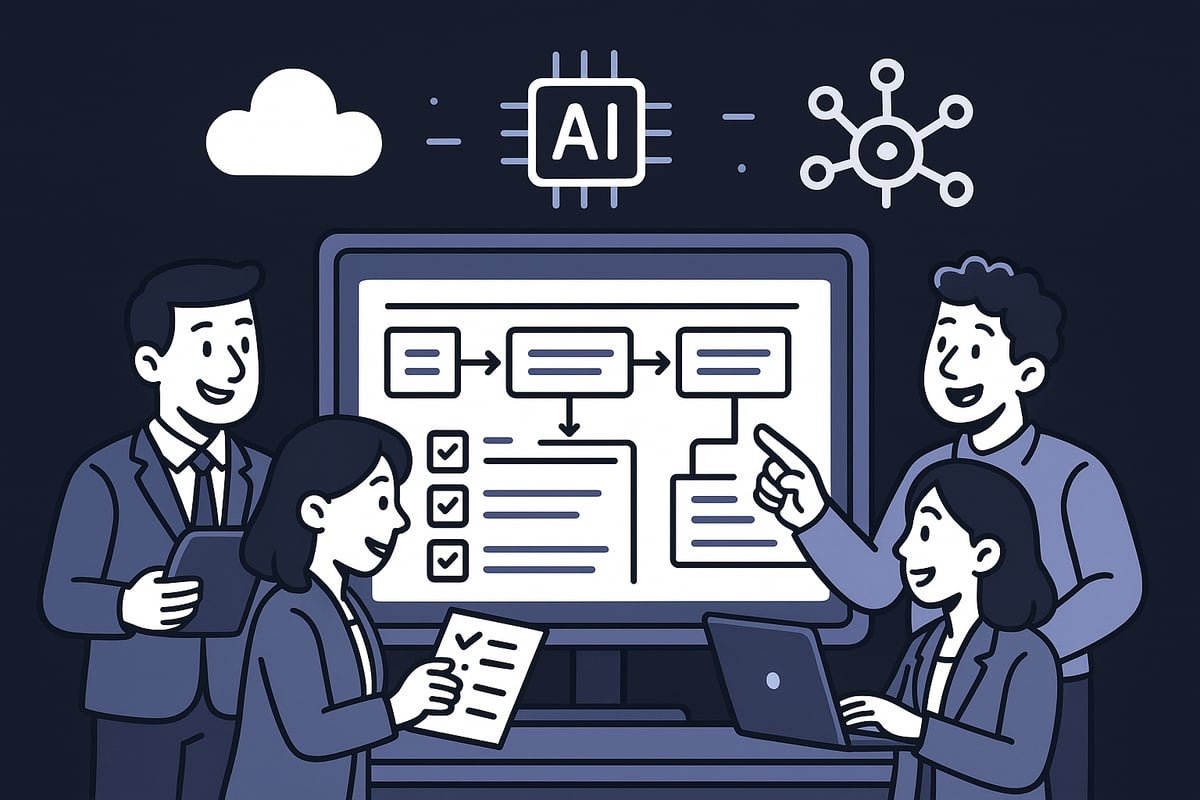
Adopting solutions digital is not just about technology, but about reshaping how your business operates, competes, and grows. To unlock the full potential of solutions digital, a structured approach is essential. This step-by-step guide breaks down the transformation process, helping organisations navigate each stage with clarity and confidence.
Step 1: Assessing Organisational Needs and Objectives
The foundation of successful solutions digital adoption is a thorough assessment of your organisation's needs. Begin by engaging employees at all levels to identify bottlenecks, inefficiencies, and opportunities for improvement.
Set clear and measurable objectives that align with your overall business strategy. Consider factors such as operational efficiency, customer experience, and future scalability.
Assess your current digital maturity. Are your processes mostly analogue, partially digitised, or already leveraging some solutions digital? This evaluation will shape your next steps and ensure your transformation goals are realistic.
Step 2: Evaluating and Selecting Digital Solutions
With a solid understanding of your objectives, research the available solutions digital that best fit your needs. Compare features, pricing models, and vendor credibility.
Create a shortlist by focusing on platforms that integrate easily with your current systems. Pay close attention to security, scalability, and support.
For those prioritising digital presence, review resources like Website Design and Development Strategies to understand how web platforms can complement your wider digital ecosystem.
Request demonstrations or trials before committing. Involve stakeholders from IT, operations, and customer-facing roles to gather diverse feedback before making a final decision.
Step 3: Developing and Testing Solutions
After selecting your solutions digital, move to the development and testing phase. Begin with a pilot project targeting a specific area or process.
Set clear KPIs to measure success. Use agile methodologies for iterative development, allowing for quick adjustments based on feedback.
Encourage users to test prototypes and provide honest input. This collaborative approach reduces friction and increases the likelihood of successful adoption.
Document each iteration, noting improvements and challenges. This record will inform broader rollout plans and future optimisation efforts.
Step 4: Change Management and User Adoption
Implementing solutions digital is as much about people as it is about technology. Invest in comprehensive training programmes tailored to different user groups.
Communicate the benefits and expected outcomes clearly, addressing concerns early. Leadership should model the desired behaviours and champion the cultural shift.
Offer ongoing support channels, such as helpdesks or digital champions, to address user issues promptly. Celebrate early wins to maintain momentum.
Use feedback loops to identify resistance points and adapt your approach accordingly. This ensures a smoother transition for everyone involved.
Step 5: Full-Scale Implementation and Integration
Once the pilot proves successful, expand the solutions digital across all relevant departments. Develop a phased rollout plan to minimise disruptions.
Ensure interoperability between new and existing systems. Consistent data standards are vital for accurate reporting and analytics.
Monitor performance closely during the initial rollout. Set up dashboards to track key metrics like uptime, user adoption rates, and customer satisfaction.
Schedule regular check-ins with stakeholders to address issues swiftly. This proactive approach reduces downtime and builds confidence in the new systems.
Step 6: Maintenance, Optimisation, and Continuous Improvement
The journey with solutions digital does not end at launch. Establish a maintenance schedule for updates, security patches, and system health checks.
Regularly evaluate solution performance using collected data. Identify areas for optimisation, such as process automation or improved analytics.
Encourage a culture of continuous improvement. Solicit feedback from users and stay informed about emerging technologies that could further enhance your operations.
Plan for scalability. As your business grows, ensure your solutions digital can adapt without major overhauls.
Common Challenges and Solutions
Implementing solutions digital can present hurdles, but proactive strategies help overcome them. Below is a summary of frequent challenges and effective responses:
| Challenge | Solution |
|---|---|
| Resistance to change | Early engagement, clear communication |
| Security and privacy concerns | Robust security protocols, compliance |
| Measuring ROI | Define KPIs, use analytics tools |
| Integration with legacy systems | Phased rollout, expert consultancy |
| User adoption | Training, ongoing support |
Learning from real-world examples, many organisations have successfully navigated these obstacles by staying flexible and focusing on measurable outcomes. Solutions digital, when implemented strategically, drive not only efficiency but also long-term resilience.
Sector-Specific Impacts of Digital Solutions
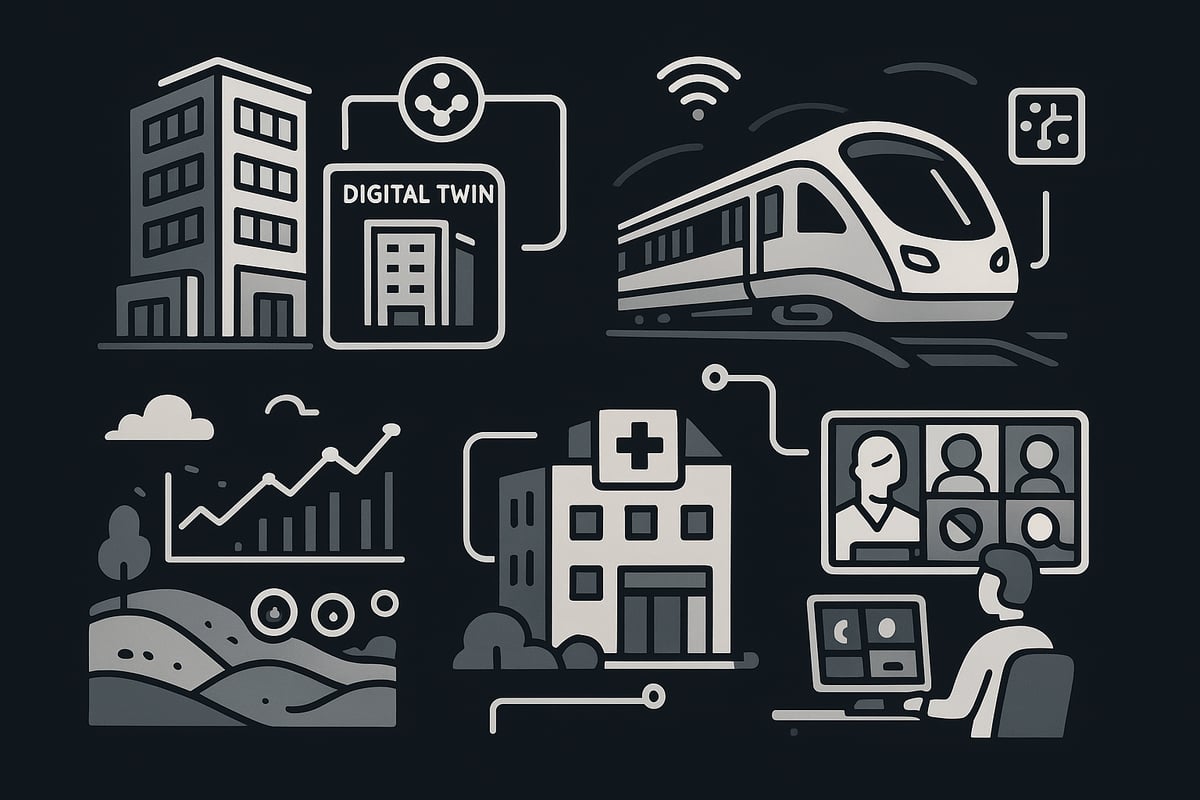
The impact of solutions digital is felt across every major industry. By 2026, the integration of advanced technologies will transform sector operations, enhance efficiency, and drive sustainable growth. Each sector taps into solutions digital in unique ways, tailoring innovations to meet industry-specific challenges and opportunities.
Property and Buildings
Solutions digital are revolutionising property and building management. Digital twins create dynamic, real-time models of entire buildings, enabling predictive maintenance and optimised energy use. Smart building management platforms monitor everything from lighting to security, reducing operational costs and carbon footprints. These advancements make facilities more adaptive and sustainable, while ensuring safety and compliance.
A recent trend is the integration of IoT sensors, which gather data to improve resource allocation. With these tools, companies can achieve significant energy savings and enhance occupant comfort. The adoption of solutions digital in property is not just about efficiency, but about redefining how spaces are designed, constructed, and managed for the future.
Transport and Infrastructure
Transport and infrastructure sectors benefit immensely from solutions digital, particularly through asset management and predictive maintenance. Smart mobility platforms use real-time data to optimise routes, reduce congestion, and improve passenger experience. IoT integration enables constant monitoring of assets, flagging maintenance needs before issues escalate.
Predictive analytics, powered by advanced data science, now inform investment and repair decisions. This proactive approach minimises downtime and extends asset lifespans. As a result, solutions digital drive both cost savings and enhanced service reliability, preparing transport networks for increased demand and regulatory pressures.
Environment and Sustainability
Environmental management has been transformed by solutions digital. Data-driven assessment tools allow organisations to monitor air, water, and soil quality more accurately. Digital platforms facilitate climate risk analysis, supporting informed adaptation strategies and policy decisions.
Many companies now leverage solutions digital to implement net zero strategies, track emissions, and comply with ESG standards. Automated reporting tools streamline compliance and demonstrate progress towards sustainability goals. These innovations ensure that environmental stewardship is measurable, transparent, and actionable across sectors.
Healthcare and Life Sciences
Healthcare has accelerated its adoption of solutions digital, especially since the pandemic. Telemedicine platforms connect patients and clinicians remotely, improving access and reducing waiting times. AI diagnostics analyse medical images and data, supporting faster and more accurate diagnoses.
Patient data management systems ensure secure, seamless information flow across care teams. By implementing solutions digital, healthcare providers improve operational efficiency and patient outcomes, all while maintaining strict regulatory compliance. The sector’s digital journey is setting new standards for personalised, data-driven care.
Advisory and Professional Services
Advisory and professional services are embracing solutions digital to deliver greater value to clients. Digital advisory platforms enable virtual consultations, project management, and real-time collaboration, regardless of location. Remote working tools and secure document sharing streamline processes and enhance client relationships.
Firms are also using advanced analytics to offer deeper insights and tailored recommendations. As solutions digital become integral to service delivery, professionals can adapt quickly to market changes and client needs. For more on how technology trends are shaping these services, explore Gartner's Top Strategic Technology Trends for 2026.
Integrating Advanced Technologies for Competitive Advantage
Staying ahead in 2026 requires more than adopting the latest tools. Businesses must embed solutions digital into their core strategies, using advanced technologies to unlock efficiency, security, and growth. Let us explore how key innovations are reshaping competitiveness.
AI, Automation, and Data Science
Artificial intelligence, automation, and data science are at the heart of solutions digital. These technologies drive smarter decision-making, automate complex processes, and personalise customer experiences. Machine learning models predict market trends, while automation reduces manual errors and speeds up operations.
With data science, businesses turn raw data into actionable insights, identifying new opportunities faster than ever. Integrating these technologies enables a continuous cycle of learning and improvement. To understand how AI can fuel business growth, explore AI Solutions for Business Growth.
Cybersecurity and Compliance
Every digital advance brings new security challenges. Solutions digital must include robust cybersecurity frameworks that protect sensitive data and ensure compliance with regulations like GDPR and ESG. Advanced protocols such as zero trust architectures and quantum-safe encryption are quickly becoming industry standards.
Organisations are also investing in real-time monitoring and automated threat detection. These defences not only safeguard information but also build trust with clients and stakeholders. Compliance is no longer optional, it is a cornerstone of sustainable digital operations.
Cloud and Edge Computing
Cloud and edge computing enable solutions digital to scale rapidly while maintaining resilience. The cloud provides flexible infrastructure, allowing businesses to adapt to shifting demands without heavy upfront investment. Teams collaborate remotely, sharing data and resources in real time.
Edge computing processes data closer to its source, delivering instant insights for critical decisions. This approach is essential for industries needing immediate response, such as transport or healthcare. By combining cloud and edge, organisations balance speed, cost, and security.
Real-World Example: Digital Transformation Success Stories
The impact of integrating advanced technologies into solutions digital is measurable. According to IDC, global investment in digital transformation is projected to reach $3.4 trillion by 2026, reflecting the urgency for businesses to adapt (IDC Forecasts $3.4 Trillion Digital Transformation Investments by 2026).
Industry leaders report productivity gains, operational efficiencies, and improved customer satisfaction after embracing these innovations. Real-world success stories show that those who act now benefit most, positioning themselves at the forefront of their sectors.
The Future of Solutions Digital: Preparing for 2026 and Beyond
As 2026 approaches, the pace of change in the solutions digital landscape is only set to accelerate. Businesses must prepare for a future shaped by rapid technological advances, shifting expectations, and new forms of competition. Future-proofing your organisation begins with understanding what lies ahead and taking proactive steps now.
Anticipated Developments and Disruptions
By 2026, solutions digital will be defined by technologies that are only beginning to emerge today. Quantum computing promises to unlock new levels of computational power, enabling breakthroughs in data analysis and encryption. The rollout of 6G networks will drive ultra-fast, low-latency connectivity, supporting immersive experiences such as augmented reality and real-time collaboration.
Artificial intelligence and automation will continue to evolve, playing a central role in business strategy. These advances will impact everything from supply chain optimisation to customer engagement. To stay ahead, leaders should keep an eye on predictions for digital transformation by exploring resources like Digital Transformation and ERP Software Trends & Predictions for 2026, which offers insight into upcoming shifts and the practical steps required to adapt.
Building Future-Ready Organisations
To fully leverage solutions digital, organisations must focus on cultivating digital skills across all levels. Strong leadership is essential for driving change and fostering an environment of continuous learning. Investing in training, upskilling, and digital literacy ensures that teams can adapt to new tools and processes as they arise.
Encouraging innovation and agility will help businesses respond to market changes and capitalise on emerging opportunities. Resources such as Digital Branding Solutions Explained provide valuable guidance for adapting your brand and workforce to the digital era. Companies that prioritise adaptability and a growth mindset will be better equipped to navigate the evolving solutions digital landscape.
Measuring Impact and Value Creation
Evaluating the impact of solutions digital requires a robust approach to data and analytics. Key performance indicators should align with business objectives and provide clear insights into value creation. Metrics such as productivity, customer satisfaction, and sustainability outcomes are essential for ongoing strategy refinement.
| Key Metric | Description | Benefit |
|---|---|---|
| Productivity | Output per employee, process efficiency | Cost savings, faster delivery |
| Customer Satisfaction | Net Promoter Score, feedback | Increased loyalty, retention |
| Sustainability | Emissions reductions, ESG compliance | Brand reputation, compliance |
Regularly reviewing these metrics ensures that digital initiatives deliver tangible benefits. Data-driven decision making is a core pillar of successful solutions digital strategies.
Strategic Partnerships and Ecosystems
Looking ahead, collaboration will be a defining factor in the future of solutions digital. Businesses should seek partnerships with technology providers, industry peers, and even competitors to foster co-innovation. Participating in digital ecosystems allows organisations to share expertise, access new markets, and accelerate development.
These networks are vital for staying at the forefront of technological change. By building strong relationships, companies can collectively address challenges and capitalise on shared opportunities, ensuring their solutions digital strategies remain robust and future-ready.
Action Plan for Business Leaders
To prepare for the future of solutions digital, leaders should take the following actions:
- Assess your organisation’s digital maturity and readiness.
- Identify priority areas for investment and upskilling.
- Foster a culture of innovation, agility, and continuous learning.
- Set measurable goals and track progress with clear metrics.
- Build strategic partnerships to enhance capability and reach.
- Stay informed by leveraging expert resources and insights.
The time to act is now. Embracing solutions digital will ensure your business is positioned to thrive in 2026 and beyond.