
Digital And Web Design Versus: What Sets Them Apart In 2026
Digital transformation has blurred the lines between digital and web design, creating more confusion than ever as we head into 2026. For businesses and designers, understanding these differences is now a crucial competitive advantage.
This article will cut through the noise and clarify exactly what sets digital and web design apart in 2026. We will explore evolving definitions, major differences, user behaviours, design workflows, skillsets, technological impacts, and emerging trends.
By the end, you will gain clarity and actionable insights. It is time to rethink your digital strategy and ensure you are prepared for the future of design.
Defining Digital Design and Web Design in 2026
As the boundaries between digital and web design continue to blur in 2026, understanding their distinct roles is more important than ever. Both disciplines shape how brands interact with users, but each brings unique challenges and opportunities. Let us clarify what sets them apart in today’s rapidly evolving design landscape.

What is Digital Design?
Digital and web design often get mentioned in the same breath, yet digital design covers a much broader territory. In 2026, digital design encompasses everything from website interfaces to mobile apps, smartwatches, AR/VR experiences, and even the screens on your fridge. The goal is to ensure a seamless user experience across every digital touchpoint, whether you are speaking to a voice assistant or tapping a wearable.
A digital designer must think in systems, considering how branding, motion graphics, and even AI-driven personalisation fit together. For example, designing a smart home app now means integrating with voice controls and ensuring consistency on both smartphones and wearable devices. The demand for digital product designers continues to grow, as highlighted in recent industry reports and resources like the Essential guide to digital design.
Adaptability is key. Digital and web design both require designers to stay current, but digital design often leads the way in adopting new technologies. This makes it essential for businesses to recognise the scope and future-proof their strategies.
What is Web Design?
Web design, a critical component within digital and web design, remains focused on crafting engaging, functional websites. In 2026, web designers specialise in layout, typography, colour choices, accessibility, and responsive frameworks. Their primary mission is to deliver visually compelling, user-friendly, and high-performing web experiences.
Think of a marketing website or an e-commerce storefront. Here, the emphasis is on clear information hierarchy and compelling visual storytelling. Web designers must also prioritise SEO, site speed, and browser compatibility, ensuring that every visitor, regardless of device, enjoys a consistent experience.
While digital and web design both value user experience, web design is more specialised and project-based. The job market for web design has remained stable, but there is a shift towards niche expertise, especially in accessibility and performance. This focus is critical for brands aiming to stand out online.
Overlapping Areas and Key Divergences
There is undeniable overlap between digital and web design. Both demand a strong grasp of visual design, UX principles, and technical skills. However, digital design often includes web design as a subset, stretching far beyond browsers to cover every digital platform.
Web design is specific to browser-based environments, while digital design embraces all digital interactions. For instance, a designer might create both a brand’s website and its smartwatch interface. Although the brand identity remains, the design requirements and user expectations are entirely different.
Digital and web design share a foundation, but understanding their divergences ensures businesses and designers choose the right approach for every project.
Core Differences: Scope, Goals, and Deliverables
Understanding the core differences between digital and web design is essential as the industry evolves. These distinctions influence project scope, user engagement, deliverables, metrics, and team dynamics. By analysing each aspect, businesses and designers can better align their strategies for success.
Scope of Work
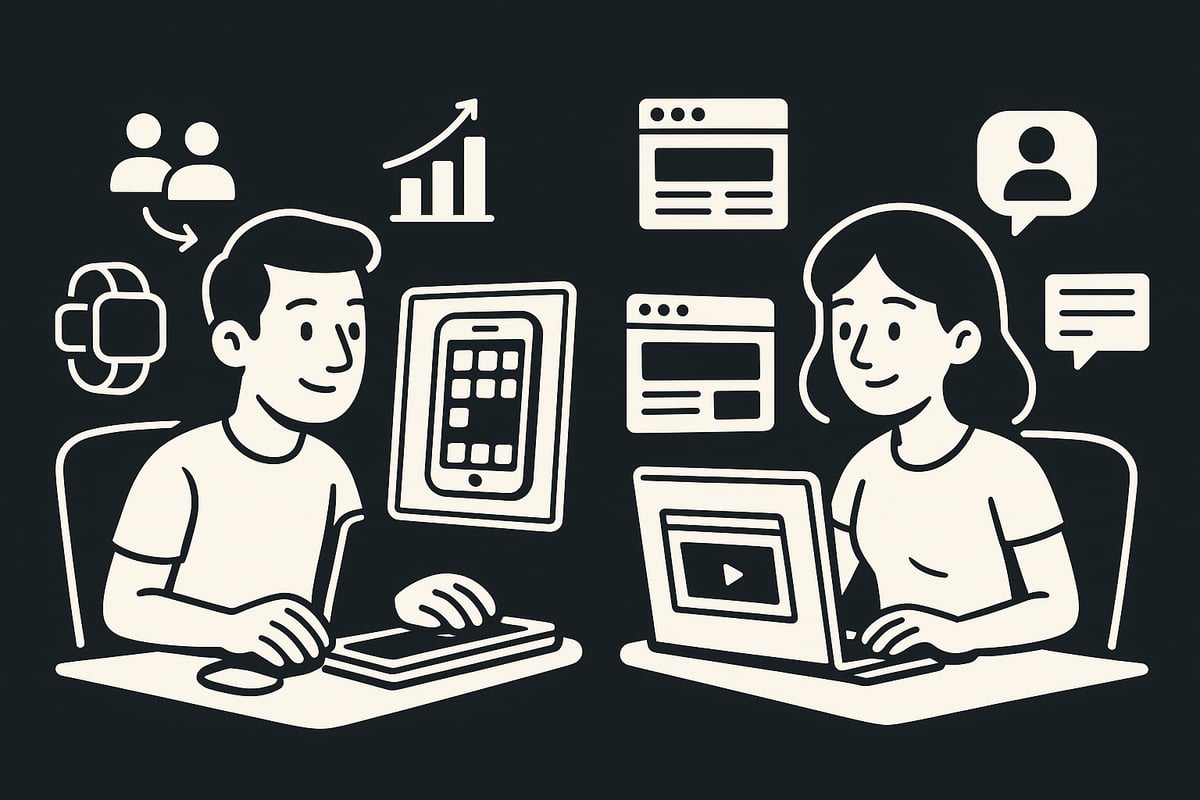
The scope of work in digital and web design reveals their fundamental differences. Digital design covers a wide range of platforms, including mobile apps, wearables, smart devices, and emerging technologies. It is often ongoing, adapting to new user needs and technological advancements.
Web design, by contrast, is focused primarily on browser-based experiences. Projects usually have a defined start and end, such as launching a campaign microsite or company website. While digital and web design can overlap, the former extends to any digital touchpoint.
| Aspect | Digital Design | Web Design |
|---|---|---|
| Platforms | Multi-platform | Websites/browsers |
| Project Cycle | Ongoing evolution | Defined project phases |
This broader scope means digital and web design professionals must be adaptable and ready for continuous change.
User Goals and Frequency of Use
User behaviour is a key differentiator between digital and web design. Digital products, such as SaaS tools and mobile apps, are designed for regular, even daily, engagement. Users develop habits, expect seamless experiences, and rely on intuitive workflows.
Websites, however, are often visited for specific, goal-driven tasks. A user might visit an e-commerce site to make a purchase or a blog to find information, but these visits are typically occasional. In digital and web design, understanding how often users interact with a product helps shape the experience.
When friction occurs in digital products, it can accumulate, leading to user frustration. On the web, minor issues may be tolerated if the main objective is completed.
Deliverables and Workflow
The deliverables and workflows in digital and web design further highlight their distinctions. Digital design projects produce interactive prototypes, user flows, and comprehensive design systems to support ongoing development. Iteration is continuous, with updates based on user feedback and analytics.
Web design projects typically involve static mockups, page templates, and detailed style guides. The goal is to deliver launch-ready assets that perform well across browsers and devices. For more on effective web design processes, see Website design and development insights.
Both digital and web design require clear communication between designers and developers, but the nature of deliverables reflects their unique demands.
Metrics and Success Criteria
Measuring success in digital and web design requires distinct metrics. Digital products focus on user retention, engagement rates, and feature adoption. Teams monitor how users interact over time, using data to guide improvements.
Web design success is more often measured by website traffic, conversion rates, SEO performance, and bounce rates. These metrics reflect the effectiveness of web experiences in attracting and converting visitors. In digital and web design, aligning metrics with business goals ensures meaningful progress.
Regular analysis and benchmarking help teams refine their approaches and achieve better results for each project type.
Team Structures and Collaboration
Team structures in digital and web design are tailored to the project’s complexity. Digital design typically involves cross-functional squads, including designers, product managers, engineers, and analysts. This setup supports agile, iterative development and rapid response to user feedback.
Web design teams are often smaller, pairing designers with developers or collaborating within agency environments. Projects follow a more linear path, from concept to launch, with periodic updates.
In both digital and web design, collaboration is vital, but the methods and team compositions reflect the unique demands of each discipline.
User Experience: Habit Formation vs. First Impressions
User experience sits at the heart of digital and web design, shaping how people interact with products and websites. As 2026 approaches, the gap between digital and web design is defined by the different ways users form habits or impressions. Understanding these distinctions is vital for crafting solutions that meet user expectations and business goals.
Frequency of Interaction and Mental Models
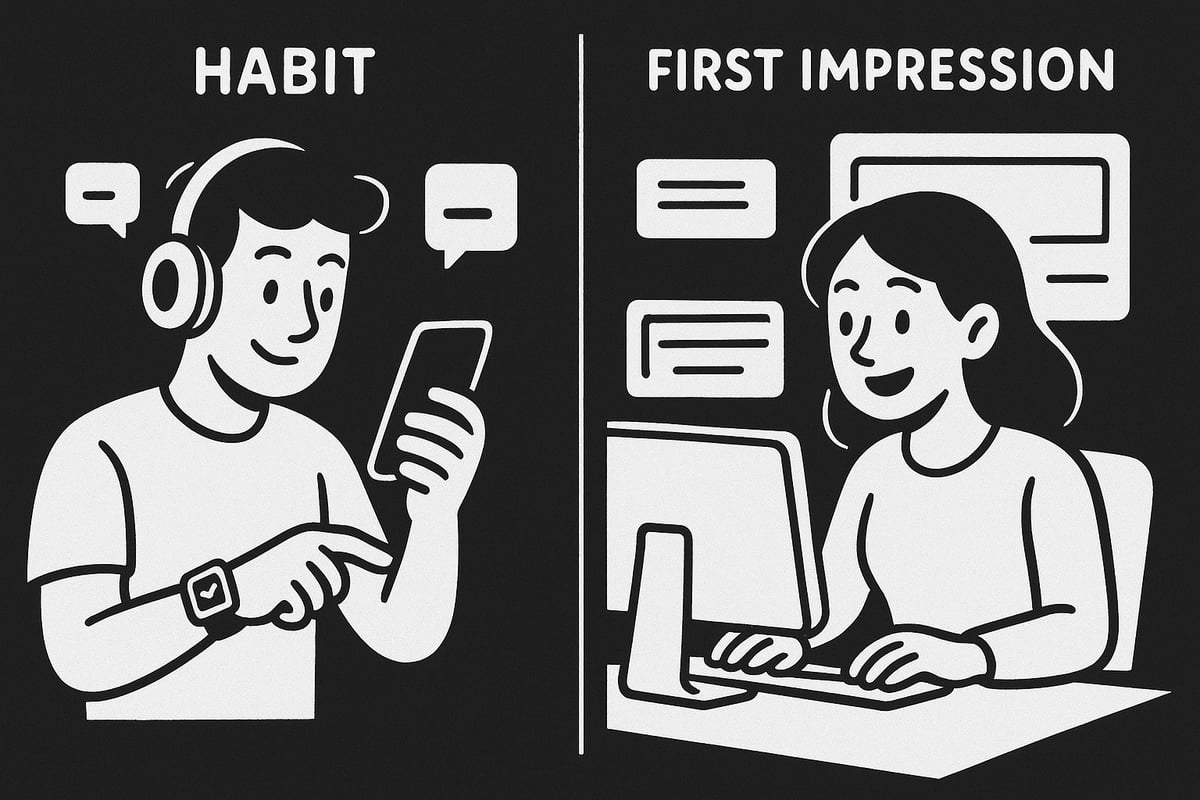
In digital and web design, frequency of user interaction significantly shapes user behaviour. Digital products like productivity tools or messaging apps become part of daily routines. Users develop procedural knowledge and muscle memory, streamlining their workflow over time.
By contrast, websites often cater to visitors with a specific goal, such as researching information or making a purchase. These users rely on intuitive navigation and clear guidance, since their visits are less frequent. The mental model for digital and web design, therefore, differs: digital products foster habit, while websites must immediately communicate value.
For example, a power user of a note-taking app expects seamless, familiar interactions, while a new visitor to a brand site looks for fast orientation and direct paths to content.
Friction and Its Consequences
Friction plays a critical role in both digital and web design. In digital products, even minor usability issues can become major sources of frustration, as repeated use amplifies their impact. Over time, small pain points can erode trust and drive churn.
On the other hand, web experiences can tolerate minor friction if users still accomplish their goals. A slow-loading image or a hidden button may annoy, but if the main task is completed, users may overlook these issues.
Increasingly, designers are leveraging AI-driven personalisation in web design to reduce friction and enhance engagement, providing tailored experiences that anticipate user needs. Analytics tools help identify rage clicks or dead clicks, revealing where friction occurs and how it affects satisfaction.
Change Management and User Adaptation
Managing change is a unique challenge in digital and web design. Digital products often release frequent updates, which can disrupt established workflows. Users may resist changes that interfere with their habits, so clear communication and gradual rollouts are essential.
For instance, productivity platforms use tooltips, opt-in betas, or in-app announcements to introduce new features. This approach helps users adapt without overwhelming them. In web design, changes are less frequent, and while a redesign might surprise returning visitors, the impact is generally less disruptive.
Ultimately, effective change management in digital and web design supports user trust and long-term engagement.
UX Research and Testing Approaches
UX research underpins both digital and web design, but the methods differ in scope and frequency. Digital products benefit from ongoing usability testing, A/B experiments, and remote user studies. This continuous feedback loop informs product evolution and ensures that habitual users remain satisfied.
Web design projects typically focus on pre-launch user testing, followed by analytics and heatmap reviews once the site is live. Tools like Microsoft Clarity and Maze are popular for digital products, while Google Analytics and Hotjar are staples for web experiences.
This research ensures that digital and web design solutions are grounded in real user needs and behaviours.
The Role of Feedback Loops
Feedback loops are a cornerstone of successful digital and web design. In digital products, teams iterate continuously based on user data, shipping weekly updates and refining features. This approach fosters habit formation and long-term loyalty.
Web design relies on periodic updates, often driven by business needs or analytics insights. Quarterly refreshes or targeted improvements address shifting user expectations and industry trends.
By embedding feedback into the design process, both digital and web design disciplines create experiences that evolve alongside their users.
Skills, Tools, and Mindsets: What Designers Need in 2026
The skill set for professionals in digital and web design is evolving rapidly. As technology advances and user expectations rise, designers must adapt their abilities, tools, and mindset to stay ahead. In 2026, mastering these areas is essential for anyone looking to succeed in the ever-changing digital landscape.
Essential Skills for Digital Designers
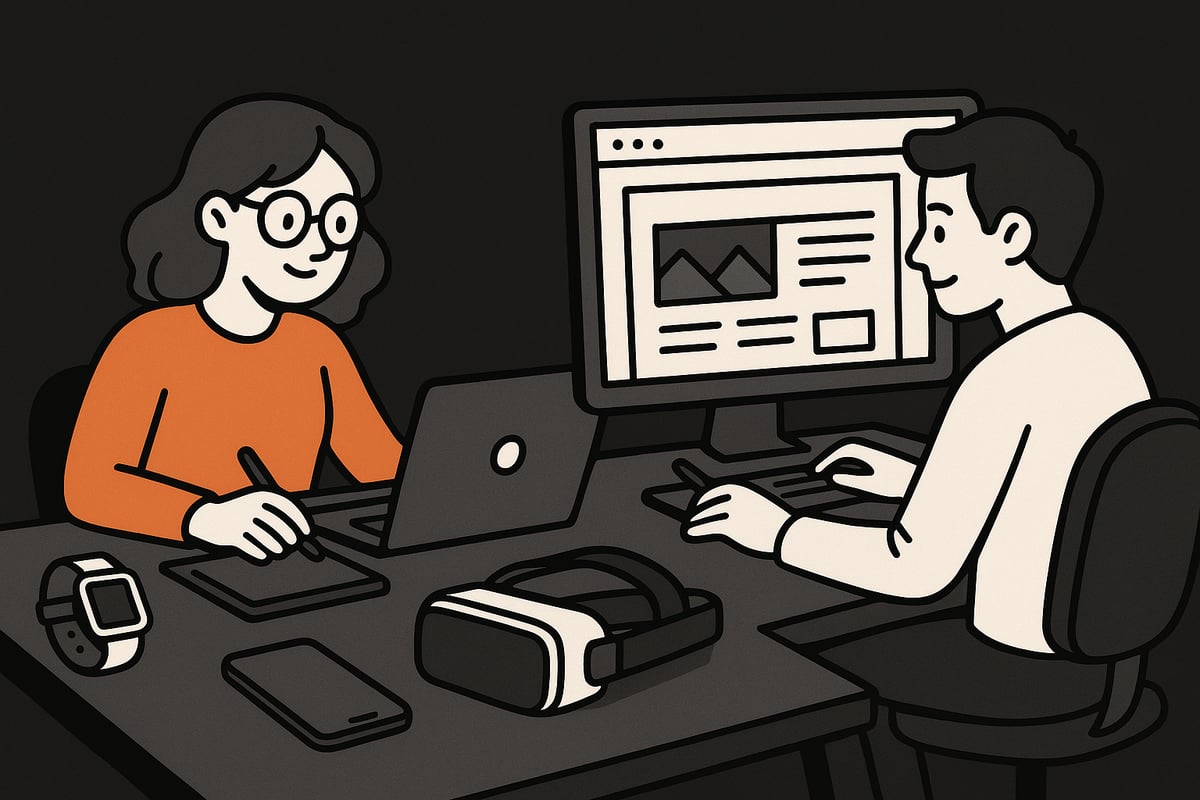
Successful digital and web design professionals in 2026 need a robust set of skills tailored for multi-platform environments. Digital designers must excel in systems thinking, understanding how different components interact within a product ecosystem.
Key skills include:
- Interaction design for seamless user journeys
- Prototyping across platforms like mobile, desktop, and wearables
- Data-driven decision making for product improvements
- Familiarity with agile development and iterative workflows
For instance, designing a smart home interface requires considering voice, touch, and visual feedback. Adaptability and the ability to integrate branding, motion graphics, and AI-driven personalisation are also crucial. Digital and web design roles now expect a holistic view of the entire user experience.
Essential Skills for Web Designers
Web designers in 2026 focus on delivering visually compelling and high-performing sites. Their core expertise lies in creating layouts that are both aesthetically pleasing and functional.
Key skills include:
- Visual design and mastery of colour, typography, and imagery
- HTML and CSS proficiency for implementing design concepts
- Accessibility and inclusive design practices
- SEO awareness and web performance optimisation
Web designers must create responsive experiences that work across devices and browsers. Storytelling through visual hierarchy is vital for guiding users. Digital and web design projects often require web designers to produce engaging e-commerce homepages or campaign microsites, balancing creativity with technical excellence.
Tools of the Trade
The toolkit for digital and web design professionals is growing, with increasing overlap as projects become more complex. Digital designers often use Figma, Sketch, Principle, and Maze for prototyping, collaboration, and user testing.
Web designers rely on tools such as Adobe XD, Webflow, WordPress, and browser development tools for building and refining sites. Accessibility checkers and performance analysers are also essential.
Here is a quick comparison:
| Tool Type | Digital Design | Web Design |
|---|---|---|
| Prototyping | Figma, Sketch, Principle | Adobe XD, Webflow |
| Collaboration | Maze, Jira | WordPress, browser dev tools |
| Accessibility | Design systems, analytics | Accessibility checkers, HTML |
These tools enable digital and web design teams to deliver consistent, high-quality results.
Mindset Shifts and Career Pathways
The mindset required for digital and web design success in 2026 is shifting. Digital designers now need a product-focused approach, considering the entire user lifecycle and being ready to adapt quickly to changes.
Web designers, on the other hand, must adopt a project mindset, prioritising impactful launches and strong visual branding. Hybrid roles are emerging, and specialisation remains valuable, especially in complex projects.
Many organisations now seek designers who can bridge both worlds. For example, the E-commerce design case study demonstrates how digital and web design skills converge in real-world projects. Collaboration and a willingness to learn new tools are essential for career growth.
Technology, AI, and the Future of Design
Innovation is accelerating as digital and web design rapidly adapt to new technologies. Both fields are evolving, with AI, automation, and emerging platforms reshaping how designers approach projects. Understanding these changes is critical for staying ahead in the competitive landscape.
The Impact of AI and Automation
AI is transforming digital and web design by automating repetitive tasks and enabling smarter, more personalised experiences. For digital design, AI tools can analyse user behaviour and suggest new features or UI adjustments, improving engagement and retention. In web design, AI-powered builders streamline site creation, while algorithms optimise content and layout for SEO and accessibility.
Both disciplines are seeing AI-driven personalisation become standard. Imagine a web dashboard that adapts its interface in real time based on user actions, or a digital product that predicts user needs before they arise. Designers now collaborate closely with data scientists to integrate these capabilities, ensuring that digital and web design solutions remain user-centric and competitive.
Emerging Platforms and Modalities
The range of platforms for digital and web design is expanding. Designers must now consider wearables, voice interfaces, AR/VR, and IoT devices alongside traditional websites. This requires a shift in mindset, as each modality introduces unique interaction patterns and accessibility challenges.
For example, a brand experience might span a website, smartwatch, and smart speaker, requiring cohesive design across all touchpoints. As immersive technologies gain traction, Immersive 3D and Motion Experiences are setting new standards for interactivity and engagement in web environments. Designers who master these platforms will help brands stand out in a crowded digital landscape.
Design Systems and Scalability
Scalability is a core concern in digital and web design. Digital product teams increasingly rely on robust design systems to maintain consistency across platforms and streamline collaboration. These systems include reusable components, clear guidelines, and version control, enabling faster iteration and easier onboarding for new team members.
In web design, modular approaches help teams launch sites quickly while preserving a unified brand voice. As projects grow in complexity, design systems bridge the gap between digital and web design, supporting efficient scaling and long-term success.
Accessibility and Inclusivity
Accessibility is becoming a non-negotiable aspect of digital and web design. Digital products require ongoing compliance, with adaptive interfaces that cater to diverse user needs. For websites, meeting WCAG standards and using semantic HTML are essential for inclusivity.
Ethical design is also in focus, as users demand transparency and respect for their privacy. By integrating accessibility from the outset, designers ensure that digital and web design solutions are usable by everyone, regardless of ability or background.
Choosing the Right Approach: Business Needs and Project Goals
Making the right choice between digital and web design can define the success of your project in 2026. As businesses navigate digital transformation, selecting the best approach depends on your goals, resources, and user needs. Let us explore how to align your strategy for maximum impact.
When to Choose Digital Design
Opt for digital and web design expertise with a digital focus when your goal is to build products demanding ongoing user engagement. Digital design excels for SaaS platforms, mobile apps, and customer portals that require frequent updates and feature expansion.
This approach is ideal for businesses needing continuous improvement and adaptability. For instance, launching a new productivity tool benefits from digital design’s iterative cycles and cross-platform consistency.
Key considerations:
- Projects with regular user interactions
- Need for multi-device support
- Long-term product evolution
Digital and web design strategies in these cases ensure a seamless experience, fostering user loyalty and retention.
When to Choose Web Design
Web-focused digital and web design is the best fit for one-off campaigns, brand websites, e-commerce platforms, or informational portals. These projects prioritise discoverability, SEO, and strong first impressions to attract and convert visitors quickly.
For example, redesigning a company homepage or launching a product microsite relies on web design principles such as visual storytelling, accessibility, and optimised load times.
Consider web design when:
- The project has a clear beginning and end
- Quick launch and easy maintenance are priorities
- SEO and web performance are central to success
Digital and web design in this context delivers visually engaging, high-performing web experiences.
Hybrid Approaches and Collaboration
Many modern projects demand a blend of digital and web design skillsets. E-commerce platforms with customer dashboards or portals often require both robust web interfaces and ongoing digital product enhancements.
Collaboration between web and digital designers ensures brand consistency and functional excellence across all touchpoints. For a deeper dive into effective integration, review this digital branding solutions overview to see how unified strategies empower business growth.
Key hybrid scenarios:
- E-commerce sites with user accounts
- Marketing sites linked to digital tools
- Brands needing consistent design across platforms
Digital and web design collaboration maximises value and future-proofs your digital presence.
Budget, Timeline, and Resource Considerations
Budget and timeline play a crucial role in choosing between digital and web design. Digital design projects often require higher upfront investment and ongoing costs due to their agile, long-term nature.
Web design projects typically have defined scopes, fixed budgets, and shorter delivery schedules. Understanding resource allocation helps set expectations and ensures a strong return on investment.
Compare approaches:
| Approach | Investment | Timeline | ROI Focus |
|---|---|---|---|
| Digital | Higher, ongoing | Iterative/Long-term | User retention |
| Web | Fixed | Short-term | Conversion/SEO |
Assess your priorities and select digital and web design solutions that align with your business vision and capabilities.
The Evolving Landscape: Trends and Predictions for 2026
As we move towards 2026, digital and web design are experiencing rapid shifts that are reshaping industry norms. Understanding these changes is vital for anyone involved in creating digital experiences. The boundaries between roles are blurring, new tools are democratising design, and user expectations are evolving at an unprecedented pace.
Convergence and Specialisation
The distinction between digital and web design is becoming less pronounced. Many organisations now seek professionals who can navigate both domains with ease. Hybrid roles are increasing, with job descriptions often requiring expertise in product design, user experience, and web development.
A designer today might be tasked with creating a responsive website, then pivot to designing an app for wearables or a voice-activated interface. Multidisciplinary teams are becoming the norm, encouraging continuous learning and flexibility. However, specialisation remains valuable, particularly for complex projects requiring deep technical or strategic knowledge.
To illustrate, consider the table below:
| Role Type | Core Responsibilities | Typical Projects |
|---|---|---|
| Web Designer | Visual design, layout, SEO, accessibility | Marketing sites, e-commerce |
| Digital Designer | Cross-platform UX, product systems, prototyping | SaaS, mobile apps, AR/VR |
| Hybrid Designer | End-to-end experience, adaptive interfaces | Omnichannel, IoT, smart devices |
This convergence means the lines between digital and web design are increasingly blurred. Yet, understanding what sets them apart is key for long-term career growth.
The Rise of No-Code and Low-Code Tools
The surge in no-code and low-code platforms is transforming digital and web design workflows. Tools like Webflow and Bubble enable designers, marketers, and even entrepreneurs to craft sophisticated digital experiences without extensive coding.
No-code solutions empower non-technical users to quickly prototype, launch, and iterate on websites and apps. This shift reduces bottlenecks, accelerates time-to-market, and fosters innovation. For businesses, it means lower development costs and greater agility.
However, these tools do not eliminate the need for strong design fundamentals. Understanding usability, accessibility, and information architecture remains essential. The rise of these platforms is changing job requirements, with designers now expected to think like both creators and strategists.
Digital and web design professionals must adapt, learning to leverage no-code tools for efficiency while maintaining high standards of quality and user experience.
Personalisation and Adaptive Design
Personalisation is no longer a luxury, but an expectation in digital and web design. As AI becomes more integrated into design tools, interfaces can adapt in real-time to user behaviour, preferences, and context.
This adaptive approach enables dynamic homepages, smart onboarding flows, and content recommendations tailored to individual users. For example, a website might adjust its layout or offer voice-activated navigation for users with accessibility needs. The growing importance of Voice-Activated Interfaces in Web Design highlights how interfaces are becoming more intuitive and inclusive.
Designers must now consider how their work performs across a range of platforms and devices. The ability to deliver seamless, personalised experiences is a key differentiator in today’s market. As a result, digital and web design strategies are increasingly focused on adaptive systems that anticipate user needs.
Ethical Design and Data Privacy
Ethics and privacy are at the forefront of digital and web design conversations. Users demand transparency, consent, and control over their data. Regulations such as GDPR have made privacy-first design a necessity, not an option.
Designers must consider how to communicate data practices clearly and ensure compliance across all platforms. For web projects, this means implementing cookie consent banners and prioritising accessible, semantic HTML. Digital products require ongoing attention to data security and responsible AI usage.
Sustainability is another emerging concern, as eco-friendly design becomes a differentiator. Adopting Sustainable Web Design Practices not only reduces environmental impact but also enhances performance and user trust.
Ultimately, digital and web design professionals must embrace ethical frameworks, prioritising user rights and long-term societal impact in every project.
Globalisation and Inclusivity
Designing for a global audience is now standard practice in digital and web design. Localisation, cultural sensitivity, and multilingual support are critical considerations. Products must not only function across borders but also resonate with local users.
Inclusivity is equally important. Accessibility standards are evolving, with WCAG compliance now expected in all digital experiences. Designers must create interfaces that accommodate users with diverse abilities and backgrounds.
Emerging technologies, such as voice user interfaces, play a role in breaking down barriers. They allow for more natural interactions and expand access to digital content worldwide. By prioritising globalisation and inclusivity, digital and web design professionals help ensure that technology serves everyone, everywhere.