Started Design Guide: Your Essential Handbook for 2025
In 2025, design shapes more than appearances, it drives digital progress and builds powerful brands. This started design guide is your essential handbook, offering the latest strategies and practical tools to help you excel in today's fast-moving landscape.
Whether you are an entrepreneur, a marketer, or a creative professional, this guide empowers you to master modern design with confidence. Discover the fundamentals, follow step-by-step workflows, explore emerging trends, and gain actionable tips to elevate your work.
Design has the power to transform your business and career. Start your journey here and unlock new possibilities for growth and impact.
Understanding the Foundations of Modern Design
Design is no longer just about making things look attractive. In 2025, started design is the engine powering digital brands, shaping how users interact, trust, and remember your business. To master this landscape, understanding the foundations of started design is essential.
Defining ‘Started Design’ in 2025
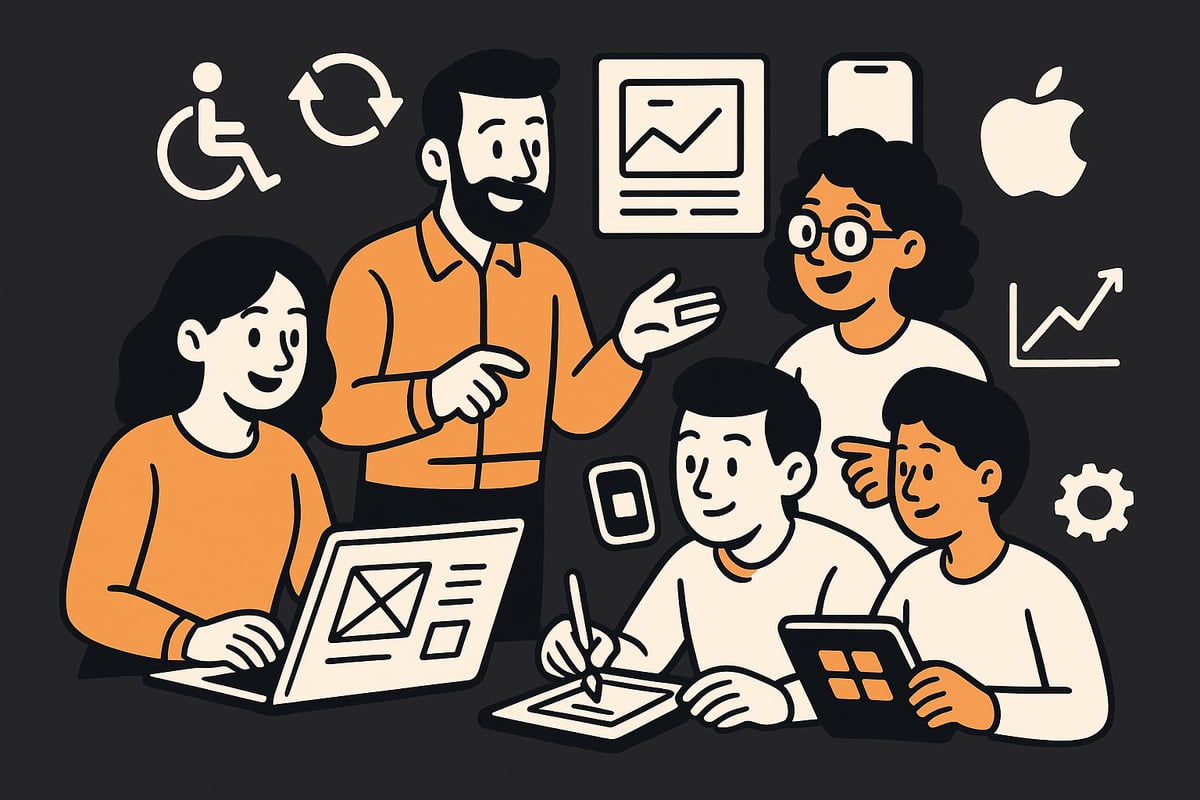
Started design in 2025 is much more than visual flair. It combines user-centric thinking, digital-first strategies, and strong brand alignment to create seamless experiences. Unlike traditional graphic design, which focused on isolated visuals, started design now delivers integrated digital journeys across web, mobile, and emerging platforms.
This evolution means every touchpoint matters. Today’s started design must prioritise accessibility and inclusivity, ensuring everyone can engage with digital products. In fact, 78% of consumers prefer brands with accessible digital experiences, showing just how critical design is for reaching wider audiences.
Sustainability and ethical choices are also at the heart of started design. Modern designers select eco-friendly materials, optimise assets for lower energy use, and consider the social impact of their work. These values help brands build trust and demonstrate responsibility.
Key principles guide every decision in started design. These include:
| Principle | Description |
|---|---|
| Hierarchy | Guides the viewer’s attention to key elements |
| Balance | Creates harmony and stability in layouts |
| Contrast | Distinguishes elements for clarity and emphasis |
| Consistency | Ensures unified branding and user experience |
Apple’s design philosophy is a prime example. Their commitment to clarity, simplicity, and user needs has set industry standards, influencing everything from hardware to digital interfaces. Mobile-first and responsive design approaches are now non-negotiable, as more users access content on smartphones and tablets.
For practical steps on how to lay a strong foundation, you can explore getting started with design projects for actionable guidance tailored to modern needs.
Why Design Matters: Business, Brand, and User Impact
The business case for started design is compelling. Companies that prioritise design outperform their peers, with the McKinsey Design Index revealing design leaders grow revenue at twice the industry average. This success is not accidental: started design fosters user trust, drives higher engagement, and cultivates loyalty.
Design is a key differentiator in crowded markets. Brands like Airbnb have demonstrated this by rebranding with a focus on user experience, which led to a significant increase in bookings and positive brand perception. Thoughtful started design reduces friction, making navigation intuitive and processes smoother for users.
Moreover, the impact of started design extends to conversions. By removing barriers and optimising every interaction, businesses can turn more visitors into loyal customers. In an era where attention is scarce, design is the bridge between business objectives and real user needs.
Ultimately, started design is not just an advantage, but a necessity for digital success in 2025. It empowers brands to stand out, connect meaningfully, and achieve measurable results in a competitive landscape.
Step-by-Step: The Design Process for 2025
The landscape of started design in 2025 requires a methodical, user-focused approach. Each stage of the process builds upon the last, guiding teams from initial research to ongoing optimisation. By mastering this workflow, you can ensure your projects deliver measurable results and stand out in a competitive market.
Step 1: Discovery and Research
Every successful started design project begins with a clear understanding of its goals and audience. Discovery sets the foundation by pinpointing user needs, business objectives, and the brand's unique context.
User research is essential. Use surveys, interviews, and analytics to gather insights. Tools like Google Analytics and Hotjar reveal real user behaviour, highlighting pain points and opportunities.
Competitor analysis helps you benchmark against industry leaders. Create a table comparing features, usability, and visual appeal to spot gaps and set targets.
| Research Method | Purpose | Example Tool |
|---|---|---|
| Surveys | Gather broad feedback | Google Forms |
| Interviews | Deep user insight | Zoom |
| Analytics Review | Behaviour analysis | Hotjar |
This groundwork ensures your started design efforts are data-driven and aligned with user expectations.
Step 2: Strategy and Planning
With research in hand, start shaping your strategy. A strong started design plan includes a detailed design brief, clear KPIs, and a mapped user journey.
Collaboration is key. Use workshops and online tools to align stakeholders early. Regular check-ins avoid misunderstandings and keep the project focused.
Did you know that 65% of projects fail due to unclear requirements? Avoid this by documenting every detail and using visual aids like journey maps. For in-depth approaches, consider referencing the Design strategy guide for 2025 to unlock creative success.
Set measurable goals. Decide which metrics define success, such as increased engagement or reduced bounce rates. This clarity drives every subsequent started design decision.
Step 3: Ideation and Concept Development
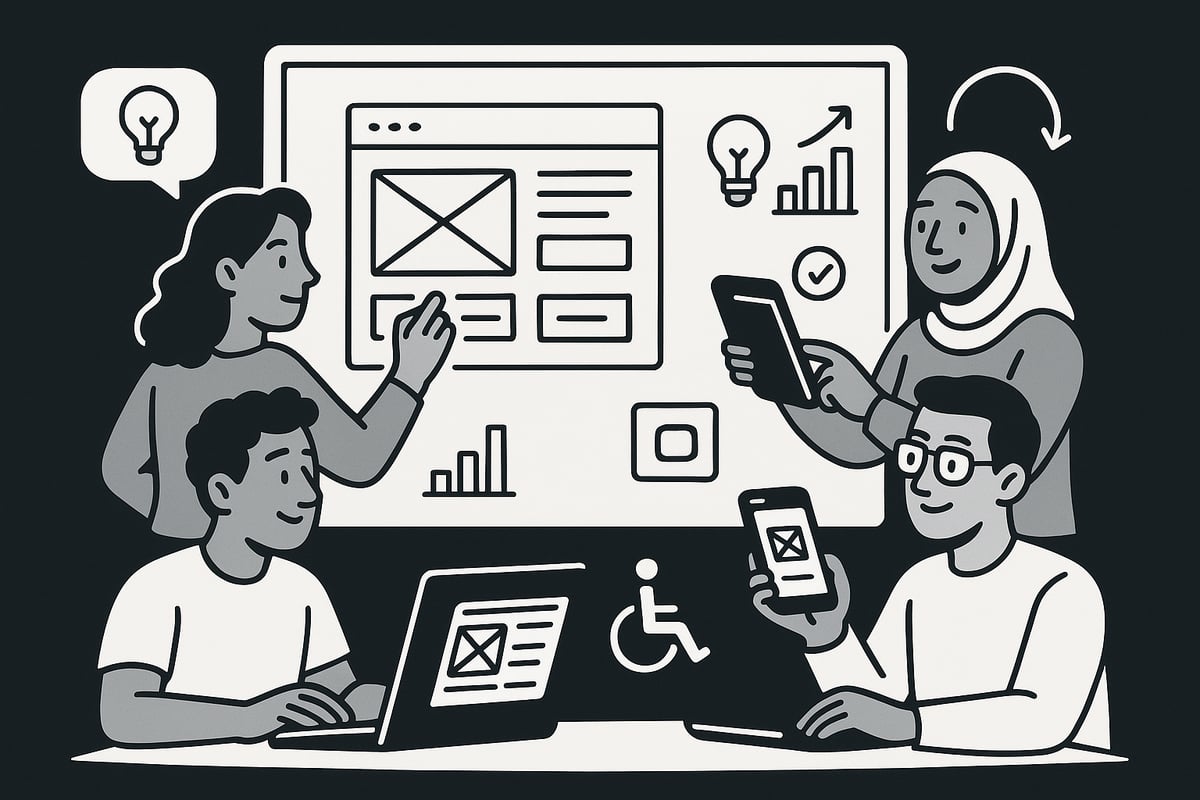
This stage brings creativity to the forefront of started design. Brainstorming sessions, mind mapping, and storyboarding spark fresh ideas and foster collaboration.
Gather inspiration from platforms like Pinterest and Behance. Mood boards help visualise brand direction and align the team. Early prototyping gets concepts in front of users quickly, allowing for fast feedback.
Figma's collaborative features make it easy for teams to sketch, comment, and iterate in real time. Rapid prototyping saves time and encourages innovation.
Keep the started design process flexible. Embrace feedback and explore multiple concepts before settling on the best solution.
Step 4: Design Execution
Now, translate concepts into tangible assets. Start with wireframing to map layouts and structure. This step ensures that the started design aligns with user flows and project requirements.
Focus on visual design principles: colour theory, typography, and imagery. Consistency is vital for brand recognition.
Accessibility must be integrated from the outset. Follow WCAG 2.2 standards to make digital experiences usable for everyone. The BBC's accessible design overhaul is a great example of inclusive practices in action.
Regular reviews help catch issues early. Use a checklist to ensure every aspect of the started design meets quality and accessibility standards.
Step 5: Testing and Iteration
Testing is where your started design is validated. Usability testing, using platforms like UserTesting or Maze, uncovers friction points and areas for improvement.
A/B testing lets you compare design elements and choose what works best. Collect feedback from both stakeholders and end users to guide refinements.
Iterative testing is proven to increase user satisfaction by 40%. Make small, targeted changes and measure their impact.
Document findings in a clear, actionable format. This feedback loop ensures your started design continues to evolve and improve.
Step 6: Launch and Post-Launch Optimisation
The final step of started design involves deployment and continuous improvement. Prepare all assets for handoff to development, ensuring clear communication and documentation.
Conduct quality assurance checks across browsers and devices. After launch, monitor analytics to track engagement and spot drop-off points.
Continuous improvement cycles are essential. Use the data gathered to make informed updates, keeping the design relevant and effective.
Celebrate the launch, but remember that started design is an ongoing process. Regular optimisation ensures your digital products remain competitive and user-focused.
Essential Tools and Technologies for Designers in 2025
The tools and technologies available to designers in 2025 have redefined what it means to create with a started design mindset. Whether you are building a brand, launching a website, or refining user experiences, selecting the right platforms is crucial. Let’s explore the essential resources shaping successful design work this year.
Design Software: What’s New and What’s Essential
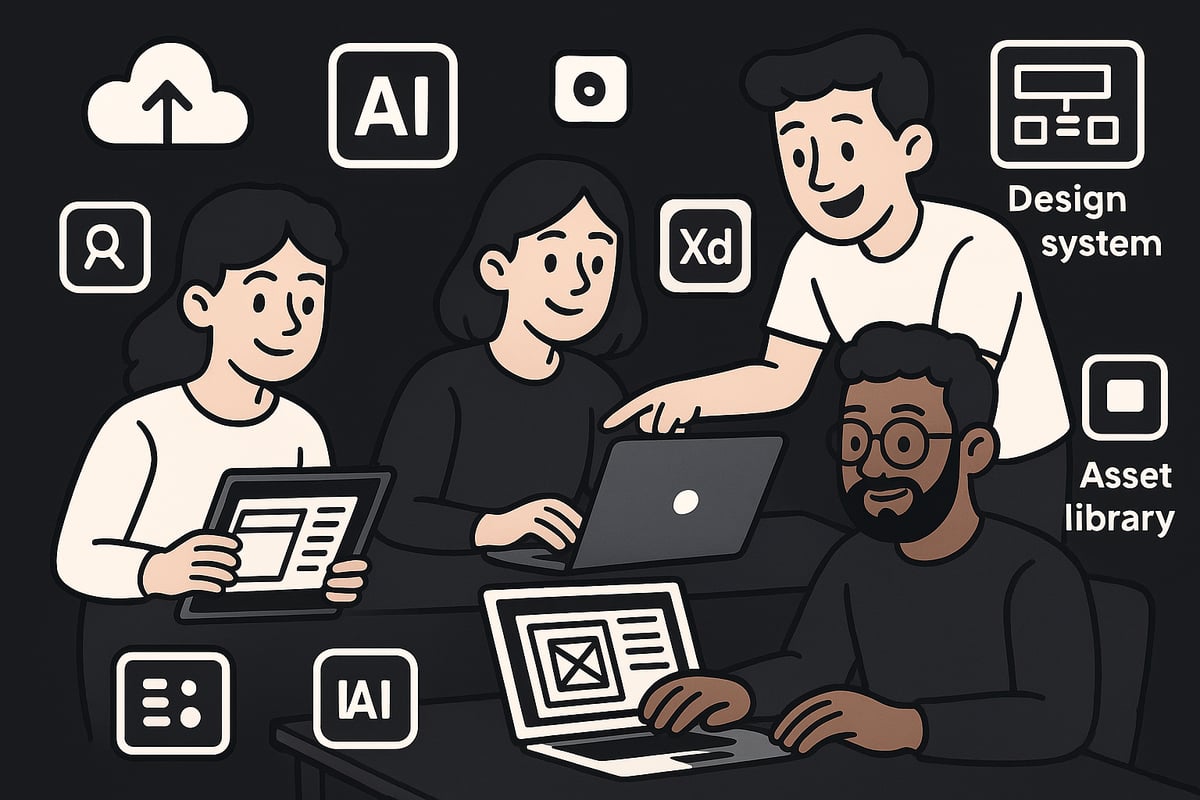
Selecting the right design software sets the foundation for any started design project. In 2025, Figma, Adobe XD, and Sketch remain industry leaders, each offering unique strengths for digital collaboration.
| Platform | Strengths | Collaboration | AI Features |
|---|---|---|---|
| Figma | Real-time editing, browser-based | Excellent | Smart layouts |
| Adobe XD | Integration with CC suite | Good | Content-aware tools |
| Sketch | Vector precision, plugins | Moderate | Automation plugins |
Modern started design workflows now rely on AI-powered tools that automate layouts, generate assets, and even check for accessibility. Cloud-based collaboration ensures teams can co-create, review, and iterate without boundaries. Version control features help designers track changes, ensuring consistency across every stage.
Prototyping, Testing, and Handoff Tools
Rapid prototyping is a must for started design teams seeking to validate ideas early. InVision and Marvel allow you to build interactive prototypes without coding, making feedback seamless.
User testing has become more sophisticated. Tools like Maze and Lookback collect actionable insights from real users, helping refine the user journey before launch. For design-to-development handoff, Zeplin and Avocode bridge the gap by translating visual work into developer-friendly specs.
Key benefits for started design teams:
- Faster iteration cycles
- Fewer misunderstandings during handoff
- Enhanced stakeholder collaboration
Testing and handoff tools are now standard in every successful started design project, ensuring that what you envision is what gets delivered.
Asset Management and Brand Consistency
A robust asset management system is vital for teams working on started design initiatives. Digital asset management platforms store, organise, and share design files, icons, and brand elements efficiently.
Maintaining consistency is easier with design systems like Storybook and Zeroheight. These systems document components, colours, and typography, so everyone aligns with brand guidelines. IBM’s Carbon Design System is a prime example, providing reusable elements and a unified style across products.
Benefits of asset management in started design:
- Reduced duplication of work
- Streamlined onboarding for new team members
- Cohesive brand presentation across channels
By investing in these tools, started design teams elevate both efficiency and quality, ensuring every touchpoint reflects the brand identity.
Integrating AI and Automation in Design Workflows
AI integration is transforming started design processes in 2025. Designers now use AI for image generation, copywriting, and even accessibility enhancements. Automation tools handle repetitive tasks, freeing up time for creative problem-solving.
According to Adobe Creative Trends 2024, 61% of designers already use AI tools to boost efficiency. Platforms now offer smart asset suggestions, content personalisation, and automated compliance checks. For a deeper dive into how AI is reshaping design, explore the AI-powered design trends shaping the industry.
Incorporating AI and automation into your started design workflow ensures you stay ahead, deliver faster, and maintain a competitive edge in a rapidly evolving landscape.
Emerging Trends and Best Practices in Design
Staying ahead with started design in 2025 means embracing innovation, ethics, and inclusivity. The landscape evolves rapidly, so understanding the key trends and best practices is essential for every designer, entrepreneur, and creative. Let us explore the most influential movements shaping started design this year.
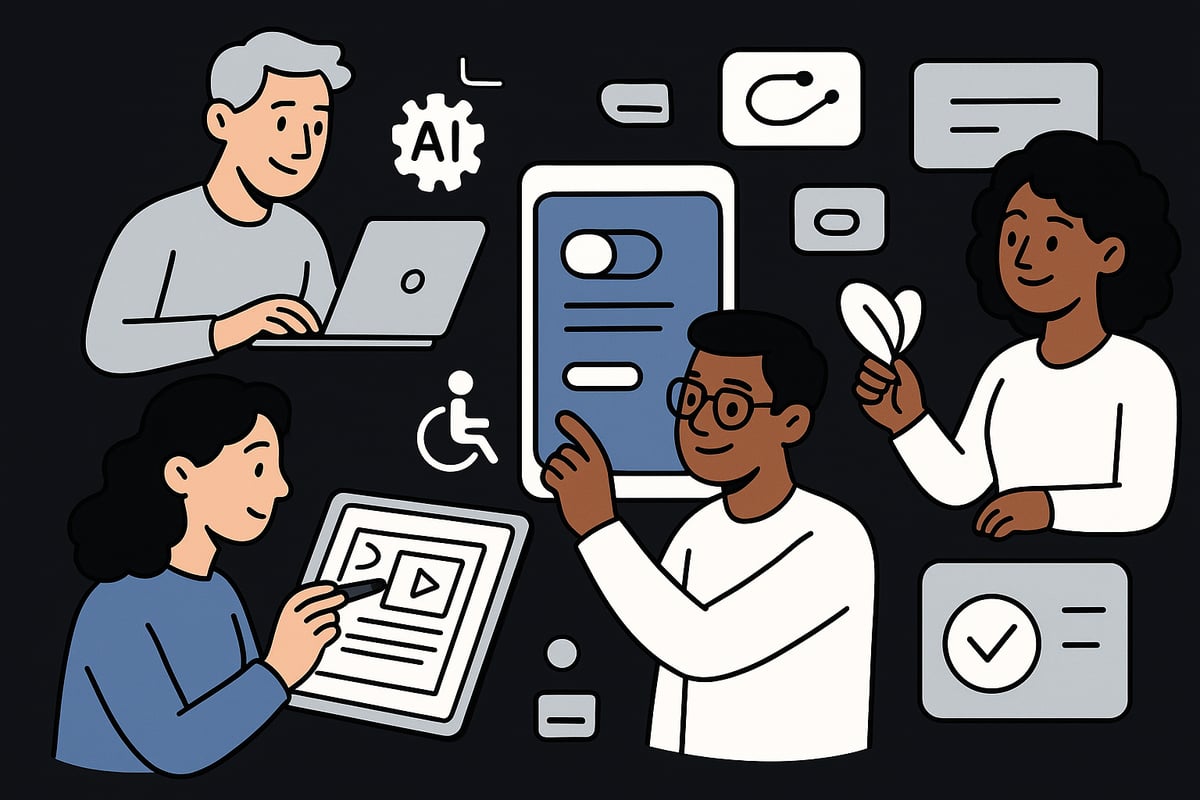
The Rise of AI-Driven Design
Artificial intelligence is transforming started design workflows. Generative AI now assists with layouts, branding, and even copywriting. Tools like Canva offer AI-powered suggestions, streamlining creative tasks and unlocking new ideas. Designers use these features to prototype faster and iterate with confidence. While AI automates routine steps, human creativity remains at the core of started design, ensuring that experiences are unique and brand-aligned. For a comprehensive look at how these trends are evolving, see this analysis of 2025 design trends.
Microinteractions and Motion Design
Microinteractions—those subtle animations and feedback cues—are now essential for engaging digital experiences. In started design, well-crafted motion design can make navigation intuitive and delightful. For instance, Duolingo’s playful animations help users stay motivated and informed. Studies show that microinteractions can increase engagement by up to 25 percent, making them a must-have for brands looking to stand out. Including thoughtful motion in started design reduces friction and encourages repeat visits.
Sustainability and Ethical Design
Sustainability is no longer optional in started design. Designers now prioritise eco-friendly choices, such as dark mode interfaces and optimised assets to reduce energy consumption. Ethical design is just as crucial, focusing on privacy, inclusivity, and bias mitigation. Brands like Ecosia set an example by integrating green principles throughout their digital presence. To understand why sustainability is dominating the conversation, explore the latest sustainability in design practices. Embedding ethical considerations in started design not only benefits users but also strengthens brand reputation.
Personalisation and Data-Driven UX
Personalisation is redefining started design by making experiences more relevant and engaging for every user. Leveraging analytics, brands can adapt interfaces in real time, much like Netflix’s content recommendations. Data-driven UX ensures that every interaction is informed by user behaviour, resulting in higher satisfaction and loyalty. Started design teams increasingly rely on user data to create adaptive, responsive experiences that resonate with their audiences.
Accessibility as a Core Requirement
Accessibility is a foundational element of started design in 2025. With 15 percent of the world’s population living with a disability, making products usable for all is both a legal and ethical imperative. Designers follow global standards to ensure inclusivity, from colour contrast to keyboard navigation. Prioritising accessibility in started design builds trust, expands reach, and demonstrates a brand’s commitment to every customer.
Building a Design-Centric Culture: Tips for Teams and Leaders
A design-centric culture is the backbone of any successful started design initiative. It transforms organisations, enabling teams to innovate, adapt, and consistently deliver value. By placing started design at the heart of your operations, you create an environment where creativity and measurable impact thrive.
Fostering Collaboration and Creativity
Collaboration is at the core of effective started design. Bringing together designers, developers, and marketers ensures that diverse perspectives inform every project. Cross-functional teamwork uncovers insights and helps identify innovative solutions.
Techniques such as design sprints accelerate problem-solving and align teams quickly. Regular feedback loops, including structured critiques and peer reviews, encourage open communication. This approach not only drives quality but also builds trust and accountability.
A practical example is Google’s design sprint methodology, which condenses months of work into just five days. Teams rapidly prototype and test ideas, reducing risk and fostering a culture where experimentation is valued. By integrating started design principles into daily workflows, organisations can unlock new levels of creativity and effectiveness.
Investing in Continuous Learning and Upskilling
To remain competitive, teams must commit to ongoing learning. The started design landscape evolves rapidly, with new tools, frameworks, and trends emerging every year. Investing in training, certifications, and workshops ensures your team stays ahead.
Platforms offering online courses, industry events, and mentorship programmes provide opportunities to deepen expertise. According to the Design Census 2024, 72 percent of designers highlight continuous learning as vital for career progression. Staying updated with industry shifts is crucial, and leveraging resources like design trends analysis can help teams anticipate what’s next.
Encouraging curiosity and self-improvement fosters a growth mindset. When started design teams embrace upskilling, they not only boost their own capabilities but also drive organisational resilience in a changing digital world.
Measuring and Communicating Design Impact
To secure ongoing investment in started design, leaders must demonstrate its value. Setting clear, measurable objectives is essential. Define KPIs that align with business goals, such as user engagement, conversion rates, or brand perception.
Communicating results to stakeholders builds confidence in design-led initiatives. Share case studies and data that show tangible outcomes, like Shopify’s design-driven growth. Tools for tracking ROI and analysing success are invaluable. For a deeper look at how design drives brand impact, explore this digital branding solutions overview.
Ultimately, a culture grounded in started design enables teams to innovate with purpose, measure progress effectively, and position design as a strategic business driver.