Portfolio Branding Guide: Elevate Your Image in 2025
Competition for creative and digital roles in 2025 is more intense than ever. Talent alone is no longer enough to secure your place in the spotlight.
To truly stand out, you need a portfolio branding strategy that goes beyond showcasing your work. Your portfolio must reflect your unique value and help you make a lasting impression within seconds.
This guide will reveal how to master portfolio branding to elevate your professional image and unlock new opportunities. You will learn proven strategies, platform selection tips, visual storytelling techniques, and see real-world portfolio examples.
Imagine attracting your ideal clients and employers at first glance. Ready to transform your portfolio into a magnet for success in 2025? Start your journey here.
Understanding Portfolio Branding: Why It Matters in 2025
In 2025, your portfolio is no longer just a collection of past work. It is your online persona, your reputation, and often your first impression. As digital hiring accelerates and remote work becomes the norm, the importance of portfolio branding grows each year. Let’s explore why this strategic approach matters more than ever.

The Evolving Role of Portfolios
Portfolios have transformed from static galleries into dynamic reflections of professional identity. Today, they serve as digital business cards, introducing your skills, values, and personality to the world. With 70% of hiring managers reviewing online portfolios before interviews, a strong portfolio branding strategy is now essential. As more companies recruit globally, creative directors use portfolios to evaluate both expertise and authenticity, making your digital presence a critical career asset.
Branding vs. Traditional Portfolios
Traditional portfolios simply showcase completed projects. In contrast, portfolio branding weaves a cohesive narrative, uniting visuals, messaging, and tone. Elements like colour palettes, consistent typography, and personal logos build recognition and trust. Branded portfolios are memorable, helping clients recall your unique value. This approach turns your work into a story, rather than just a list, and increases the chances of standing out in a crowded field.
The Stakes: Standing Out or Blending In
The first impression window is short—less than 60 seconds. In A/B tests, portfolios with clear branding receive twice as many callbacks as generic ones. Neglecting portfolio branding means missed opportunities and undervalued skills. Without a strong identity, your expertise may blend into the background, making it harder for employers or clients to see your true potential. Investing in branding can be the difference between landing an interview or being overlooked.
2025 Trends Shaping Portfolio Branding
Personal branding is now a career differentiator, not just a buzzword. The rise of interactive, multimedia portfolios is reshaping expectations. Professionals are integrating their portfolios with LinkedIn, Behance, and other platforms to maximise visibility. For more on how portfolios are becoming digital identities and driving personal branding in 2025, see The Rise of Personal Branding in 2025. Adapting to these trends will keep your portfolio branding relevant and future-proof.
Insights from Competitors
Leading agencies like Ramotion focus on storytelling, using detailed case studies to build trust and showcase results. Freepik highlights the value of templates and visual consistency, ensuring every project aligns with the overall brand. Studying these competitors reveals that successful portfolio branding relies on both narrative depth and design harmony. Applying similar techniques can help you build a portfolio that is both engaging and credible.
Step-by-Step: Building a Branded Portfolio That Gets Noticed
Building a standout portfolio branding strategy is a process that rewards attention to detail, authenticity, and ongoing refinement. By following these six essential steps, you will transform your portfolio from a simple gallery into a strategic asset that attracts the right opportunities in 2025.
Step 1: Define Your Brand Identity
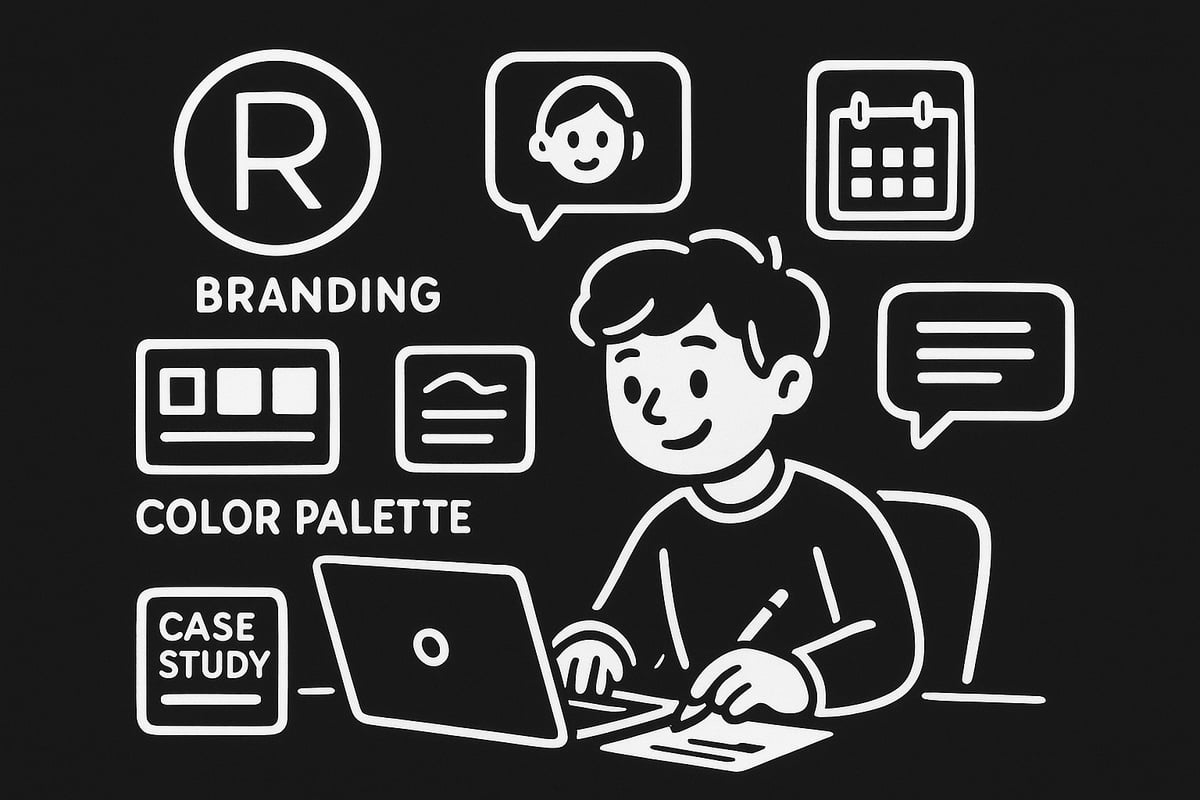
The foundation of effective portfolio branding is a crystal-clear brand identity. Start by identifying your unique selling proposition and the specific audience you want to attract. Ask yourself, what distinguishes your approach, skills, or results from others in your field?
Audit your strengths, core values, and long-term career objectives. For instance, a UX designer might focus on user empathy and interface simplicity, while a copywriter could highlight storytelling and persuasive messaging. Elements such as a personal logo, memorable tagline, and a consistent colour palette will reinforce your identity across every page.
If you are unsure where to begin, consider consulting resources like the Brand Identity Development Guide for a structured approach to building your professional persona. Laying this groundwork ensures your portfolio branding stands out and resonates with your ideal clients or employers.
Step 2: Curate Your Best Work
Quality always trumps quantity in portfolio branding. Focus on selecting six to ten projects that showcase your expertise, creativity, and versatility. Remember, recruiters typically spend 80 percent of their review time on your first three featured projects, so lead with your strongest work.
Align each chosen project with the type of clients or employers you aim to attract. If you are early in your career, it is perfectly acceptable to include mock-ups or speculative work that demonstrates your potential. Use a simple table to compare which pieces best fit your brand narrative and goals.
| Project | Relevance | Visual Impact | Results |
|---|---|---|---|
| Project A | High | Strong | Clear metrics |
| Project B | Medium | Good | Moderate |
| Project C | High | Excellent | Outstanding |
This careful curation is a vital component of portfolio branding and helps you make a memorable first impression.
Step 3: Craft Compelling Case Studies
Case studies bring your portfolio branding to life by offering context, clarity, and measurable results. Each case study should follow a clear structure: outline the challenge, describe your solution, and present the impact.
Use storytelling techniques to guide the reader through your creative process. For example, explain how you solved a client’s problem or improved a brand’s engagement by 40 percent. Incorporate visuals such as before and after images, process sketches, and final deliverables to enhance credibility.
Metrics matter. Quantify your results whenever possible to show the tangible benefits you deliver. A well-crafted case study not only demonstrates your expertise but also strengthens your overall portfolio branding.
Step 4: Infuse Personality and Authenticity
Authenticity is the heart of successful portfolio branding. Aim for a consistent voice and a visual style that reflects your unique personality while maintaining professional standards. Striking the right balance between individuality and credibility ensures your portfolio feels genuine and memorable.
Take inspiration from creatives like Do-Hee Kim, whose casual, process-driven approach gives her work a relatable edge. Avoid overused templates and generic language. Instead, let your personal story and perspective shine through in project descriptions, about sections, and even visual choices.
Remember, clients and employers are drawn to authenticity. By embedding your personality throughout, you elevate your portfolio branding and create deeper connections with your audience.
Step 5: Design for User Experience
An intuitive user experience is essential for impactful portfolio branding. Structure your site with clear navigation, logical menus, and prominent calls to action. Whether you choose infinite scroll or segmented tabs, ensure visitors can easily explore your work.
Responsive design is a must. Your portfolio should look and function seamlessly on both desktop and mobile devices. Do not overlook accessibility: use readable fonts, proper contrast, and descriptive alt text for images. These features make your work accessible to a wider audience.
Consider the user journey from the moment they land on your site. A well-designed portfolio encourages longer visits, more enquiries, and a stronger portfolio branding presence.
Step 6: Keep It Updated and Relevant
Portfolio branding is not a one-time task. Regularly update your portfolio with new projects, fresh testimonials, and recent achievements. Remove or archive outdated work to maintain relevance and accuracy.
Set a quarterly reminder to review your content, design, and messaging. This habit ensures your portfolio branding evolves alongside your skills and goals. Remember to highlight feedback, new results, and any shifts in your professional focus.
Consistent updates signal to clients and employers that you are engaged, current, and invested in your craft. By keeping your portfolio branding fresh, you maximise your chances of attracting new opportunities and staying ahead in 2025.
Choosing the Right Platforms to Showcase Your Portfolio
Selecting the right platforms is a crucial step in effective portfolio branding. Your platform choices shape how audiences perceive your work, influence discoverability, and impact your professional growth. Let us explore the main options to ensure your portfolio branding truly stands out.
Personal Portfolio Websites
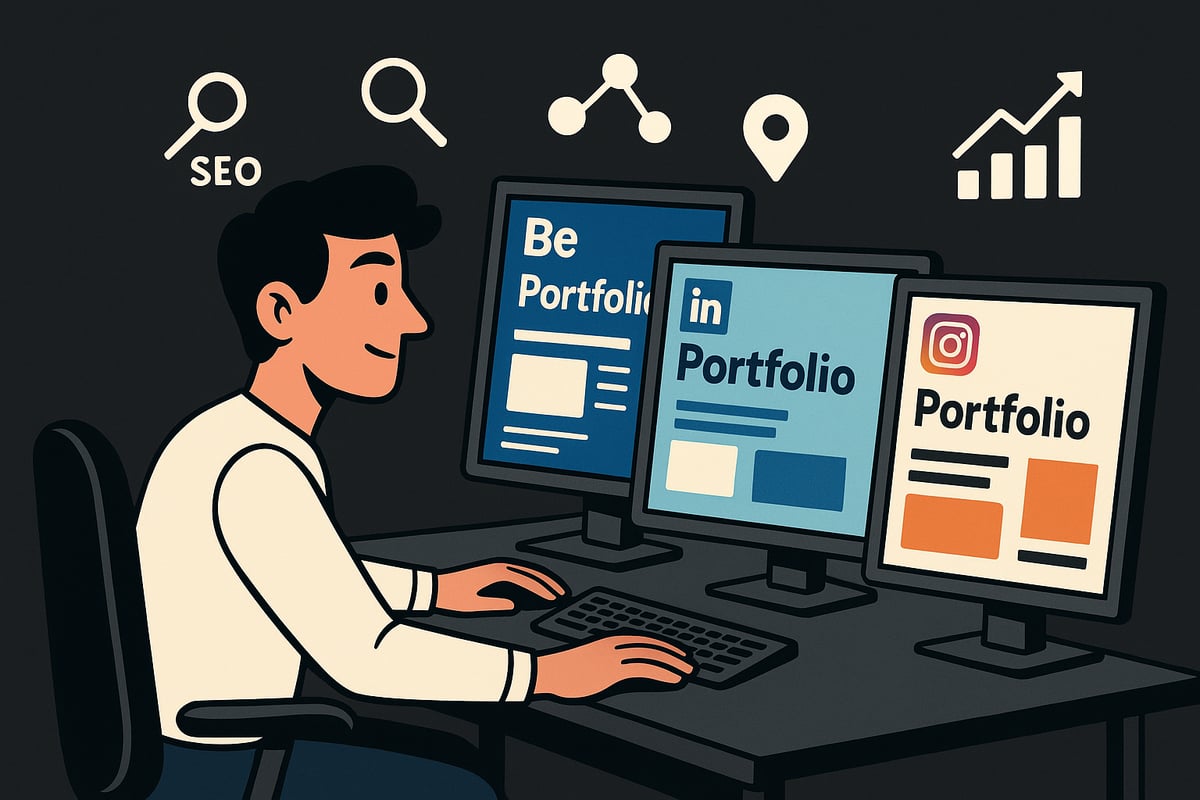
For ultimate control over your portfolio branding, nothing beats a personal portfolio website. This approach lets you craft every detail, from layout to messaging, ensuring your brand identity shines through. Platforms like WordPress, Squarespace, and Webflow make it possible to build visually compelling, responsive sites tailored to your needs.
Key benefits include:
- Full creative freedom for portfolio branding design
- SEO advantages for increased visibility
- Opportunity to integrate unique features and storytelling elements
However, managing your own site requires attention to updates, security, and hosting. If you want a professional edge, consider Portfolio Website Design Services to create a custom branded portfolio that leaves a lasting impression. Personal sites are ideal for professionals seeking to showcase individuality and drive direct contact.
Designer-Focused Platforms
Designer-focused platforms like Behance and Dribbble are hubs for creative professionals, making them prime spaces for portfolio branding. These platforms offer built-in templates, discovery features, and access to a global creative community.
Advantages include:
- Quick setup with portfolio branding templates
- Exposure to recruiters and potential collaborators
- Access to industry-specific job boards
Data shows Behance portfolios attract three times more recruiter visits than generic sites. The challenge is standing out among millions, so use cohesive branding elements and update your profile regularly. Designer platforms help you connect with peers and stay in tune with creative trends.
Freelancer Marketplaces
Freelancer marketplaces such as Upwork, Fiverr, and LinkedIn ProFinder provide access to a broad client base. These sites offer built-in credibility signals, making them powerful for portfolio branding, especially if you are starting out or targeting international clients.
Key points:
- Easy project uploads for portfolio branding consistency
- Built-in reviews and ratings enhance trust
- Direct access to clients seeking creative services
However, competition is fierce, and platform fees can reduce your earnings. Customisation options are limited compared to personal sites. Still, maintaining a strong portfolio branding presence here can help you secure diverse projects and testimonials.
Social Media as a Portfolio Channel
Social media platforms like Instagram, LinkedIn, and TikTok have become essential tools for portfolio branding. They offer visual storytelling, networking opportunities, and direct audience engagement.
Tips for success:
- Curate content to reflect your portfolio branding voice
- Engage with followers to build community
- Cross-link your portfolio branding content for greater reach
Social media is ideal for sharing updates, behind-the-scenes content, and connecting with industry leaders. Consistent branding and regular posting amplify your visibility and keep your work top-of-mind.
Platform Selection Strategy
A strategic approach to platform selection is vital for effective portfolio branding. Start by identifying where your target audience spends time and match your platforms accordingly. Focus on one or two primary channels to avoid spreading yourself too thin.
Consider this quick comparison table:
| Platform Type | Creative Control | Community | SEO Potential | Competition Level |
|---|---|---|---|---|
| Personal Website | High | Low | High | Moderate |
| Designer Platform | Medium | High | Low | High |
| Freelancer Marketplace | Low | Medium | Low | High |
| Social Media | Medium | High | Medium | High |
Portfolios present on two or more platforms see a 50 percent increase in inbound enquiries. By aligning your portfolio branding strategy with the right mix, you can boost exposure, attract your ideal clients, and future-proof your digital presence.
Visual Storytelling & Design: Making Your Portfolio Unforgettable
Building an unforgettable portfolio branding strategy in 2025 means more than just showcasing your work. It is about creating a cohesive, memorable experience that tells your story, highlights your expertise, and genuinely connects with your audience.
Cohesive Visual Identity
A strong visual identity is the cornerstone of portfolio branding. Consistency in colours, fonts, and imagery helps establish trust and makes your portfolio instantly recognisable. Start by selecting a colour palette that reflects your personality and professional style. Pair it with 1–2 fonts that are readable and distinctive.
Consider creating a personal brand mark or logo, even if it is simple. This can be used across your website, social media, and documents. Minimalist portfolios often use subtle tones and white space, while vibrant portfolios may feature bold colours and dynamic layouts. For more tips, explore the Design Strategy for Creative Success article, which dives into actionable design strategies for building a standout branded portfolio.
Storytelling Through Layout & Flow
The way you organise your portfolio branding content matters as much as the content itself. A clear narrative structure—About, Work, Process, Contact—guides visitors smoothly through your story. Popular scanning patterns like the Z-pattern or F-pattern help users navigate information effortlessly.
For instance, Hannah Silverton’s Z-shape layout enhances readability and keeps attention focused. Use section dividers, concise headings, and strategic white space to ensure each part of your story is easy to find. Good layout helps reinforce your professional image and supports your overall portfolio branding.
Multimedia & Interactivity
Modern portfolio branding leverages multimedia and interactivity to boost engagement. Integrate elements such as short videos, animated introductions, or interactive galleries to showcase your skills in dynamic ways. In 2025, data shows interactive portfolios achieve 30% higher engagement rates.
For example, Ylimay Zavala’s animated introductions bring personality and context to each project. Consider adding clickable prototypes, before-and-after sliders, or embedded process videos. These features help your audience connect with your work on a deeper level, making your portfolio branding more memorable.
Showcasing Range Without Losing Focus
Effective portfolio branding balances variety with specialisation. Curate a selection of projects that show both your breadth and your expertise. Include 6–10 projects, mixing professional work with passion projects or social causes when relevant.
Displaying a diverse range lets you highlight versatility, but always tie each project back to your unique value proposition. Non-professional work can demonstrate skills and values, boosting your credibility. Stay focused on your narrative so your portfolio branding remains cohesive and purposeful.
Accessibility & Inclusivity
Accessible design is essential for modern portfolio branding. Use colour-blind-friendly palettes and high-contrast text to improve readability for all users. Ensure keyboard navigation is smooth, and add descriptive alt text to every image or media element.
Check that your portfolio loads quickly and looks great on both desktop and mobile devices. These features not only expand your reach, but also show your commitment to an inclusive, user-centred approach. Prioritising accessibility ensures your portfolio branding stands out for all the right reasons.
Building Trust: Social Proof, Testimonials & Community
Establishing trust is at the heart of successful portfolio branding. In a world where first impressions are made online, credibility can be your strongest asset. By weaving social proof, authentic testimonials, and community engagement into your portfolio branding strategy, you create an environment that reassures potential clients and employers they are making the right choice.
Featuring Client Testimonials and Reviews
Client testimonials are the cornerstone of trust in portfolio branding. They offer third-party validation that can transform your online presence from a static showcase to a living, breathing endorsement of your skills.
Placement matters. Consider dedicating a section to testimonials or embedding project-specific reviews alongside your work. Ramotion, for example, integrates testimonials directly within relevant case studies, enhancing both credibility and context. For more strategies on building trust through digital branding, explore Digital Branding Solutions Insights.
Regularly update your testimonials to reflect recent collaborations and evolving expertise.
Showcasing Awards, Certifications, and Press
Awards, certifications, and press mentions provide instant authority in portfolio branding. Display badges and accolades in a way that is visible yet uncluttered. A dedicated section or a subtle badge bar can keep your design clean while highlighting achievements.
Linking to press features or articles allows viewers to verify claims and see your work in a broader context. This transparency builds further confidence in your professional journey. Choose accolades that align with your brand values and target audience, ensuring relevance and impact.
Engaging with the Creative Community
Active participation in the creative community is a powerful signal in portfolio branding. Sharing process insights, tutorials, or blog posts positions you as a thought leader. Engaging in challenges or collaborations on platforms like Behance demonstrates both skill and community spirit.
List achievements in community-driven projects or include highlights from group exhibitions. This not only broadens your reach but also shows you value feedback and growth. Community involvement reflects your commitment to ongoing development and industry relevance.
Encouraging Direct Contact and Engagement
Clear contact forms and strong calls-to-action (CTAs) are essential in portfolio branding. Make it simple for visitors to reach out, whether through an embedded form, a dedicated contact page, or visible links to professional social profiles.
Encourage engagement by inviting questions or collaboration proposals. Highlighting your openness to communication reassures potential clients and employers that you are approachable and responsive. Personalising your CTAs can further increase interaction rates.
Leveraging Analytics and Feedback
Continuous improvement is a hallmark of effective portfolio branding. Utilise analytics tools to monitor portfolio performance, track visitor behaviour, and identify which sections attract the most attention.
Request feedback from peers and clients to gain fresh perspectives. Use this insight to refine your content, update your projects, and enhance user experience. A data-driven approach ensures your portfolio remains relevant, compelling, and trustworthy.
Real-World Inspiration: Portfolio Branding Examples for 2025
A powerful portfolio branding strategy is best understood through real-world examples. Let’s explore how top creatives are setting the benchmark for portfolio branding in 2025, offering both inspiration and practical lessons for your own approach.
Michael Spitz: Visual Branding for Global Names
Michael Spitz’s portfolio branding exemplifies clarity and impact. His gallery-style showcase highlights both high-profile and non-profit projects, using crisp visuals and clickable summaries. This structure makes it easy for viewers to scan, engage, and delve into his work.
His site’s layout demonstrates how strong portfolio branding can cater to a diverse audience without sacrificing focus. By blending recognisable branding elements with clean navigation, Michael’s portfolio branding positions him as a trusted, versatile partner for global clients.
Do-Hee Kim: Process-Driven Storytelling
Do-Hee Kim’s approach to portfolio branding puts creative process at the centre. Her diary-style documentation guides viewers through each design iteration, supported by candid notes and behind-the-scenes sketches.
This immersive, infinite scroll experience fosters authenticity, inviting potential clients to connect with her work on a personal level. Do-Hee’s portfolio branding proves that storytelling and transparency can set you apart, especially in a competitive design landscape.
Hannah Silverton: Copywriting Portfolio Excellence
Hannah Silverton’s portfolio branding is a masterclass in clarity and usability. She uses a Z-shape layout for intuitive reading, while categorising services for easy client navigation. Each project is succinctly presented, with copy that reflects her distinctive voice.
This approach to portfolio branding ensures her strengths are immediately visible, attracting the right kind of clients. For those seeking more tips on creating interactive and standout portfolios, the Designer Portfolio Guide: 6 Essentials to Stand Out in 2025 offers further insights.
Ylimay Zavala: Personality-Infused Branding
Ylimay Zavala’s portfolio branding is all about personality. Animated introductions, bold colours, and a blend of professional and passion projects make her site both memorable and relatable. Her storytelling style humanises her brand, helping visitors feel an instant connection.
This style of portfolio branding is increasingly relevant as personalisation and emotional resonance become key career differentiators in 2025.
Lessons from the Best
What can we learn from these portfolio branding leaders?
- Cross-linking platforms increases reach and engagement.
- Tailoring structure to your audience’s needs boosts usability.
- Integrating storytelling elements can double portfolio engagement.
- Focusing on authenticity and consistency builds trust.
For more on the evolving role of branding and its importance for creative professionals, see The Strength and Worth of Branding in 2025: A Bolder View.
By studying these real-world examples, you can refine your own portfolio branding and position yourself for success in 2025.
Harley Oliver: Elevate Your Portfolio with Expert Branding & Digital Solutions
Harley Oliver stands at the forefront of portfolio branding, offering tailored strategies to help professionals and businesses shine in 2025. With over 20 years of experience, their team blends creativity with technical expertise to deliver brand identity, custom websites, and e-commerce solutions that truly stand out.
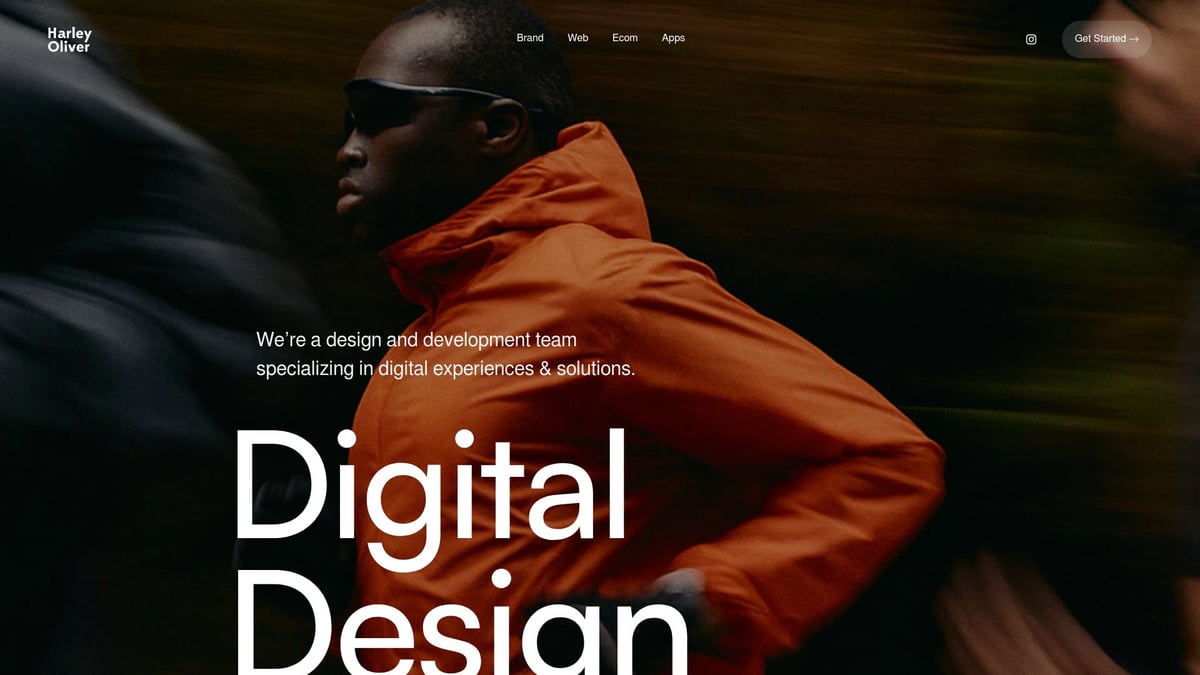
Their award-winning approach, recognised by the Webby Awards, Awwwards, and CSSDA, ensures each portfolio commands attention and trust. Whether you are an entrepreneur or an established brand, Harley Oliver’s holistic digital growth support will elevate your image and future-proof your presence in a competitive market.