
Layout Digital Guide: Essential Strategies for 2025
In 2025, layout digital stands at the heart of every successful project in design, construction, and branding. The pace of technological change is transforming how businesses approach layouts, offering new levels of precision and efficiency.
With layout digital strategies, teams can boost productivity, reduce errors, and gain a strong competitive advantage. Imagine streamlined workflows, seamless collaboration, and measurable improvements in return on investment.
This guide will walk you through the latest techniques, step-by-step strategies, and expert tips to master layout digital and ensure your projects are ready for the future.
The Evolution of Digital Layout: 2020–2025
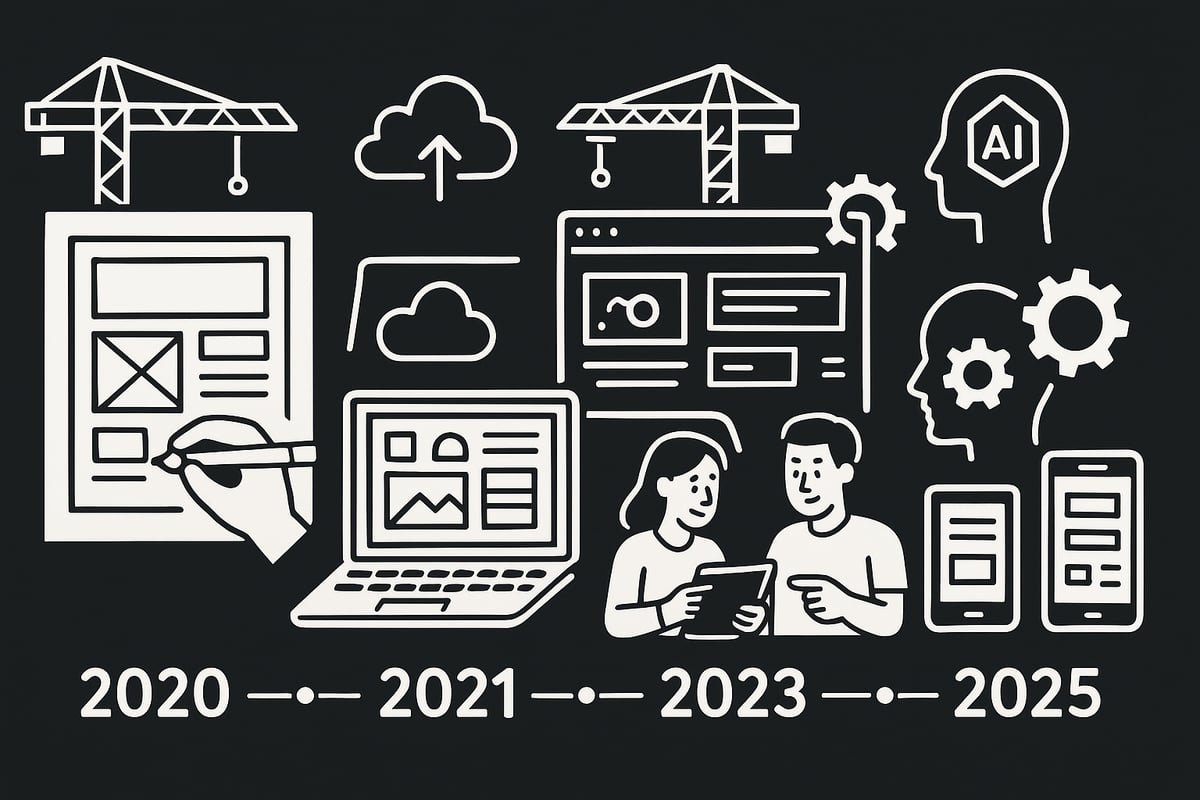
Digital transformation has redefined how we approach layout digital solutions. The last five years have seen a leap from manual drafting to intelligent, automated systems. This evolution has unlocked new possibilities for efficiency, collaboration, and precision across design, construction, and branding.
Key Milestones in Digital Layout Technology
From 2020 to 2025, layout digital technology has undergone significant transformation. Early in the decade, manual drafting and static CAD tools were standard. Now, automated and AI-driven layout systems are commonplace. Cloud-based platforms enable teams to collaborate from anywhere, while mobile-first and responsive layout tools ensure accessibility on all devices.
Integration with BIM and GIS has become a core requirement, streamlining cross-discipline workflows. For example, the shift from traditional CAD to cloud-enabled solutions allows real-time updates and error reduction. These milestones have set the stage for smarter, more adaptable layout digital processes.
Industry Trends Shaping 2025
Current trends highlight the growing demand for real-time collaboration and remote project access. Organisations increasingly rely on data-driven decision making, using analytics to guide every layout digital choice. Sustainability and efficiency are central, with digital layouts optimised to reduce waste and energy use.
Digital layout is expanding rapidly into construction, e-commerce, and branding. In fact, 70% of construction firms adopted digital layout tools by 2024, according to industry reports. For a deeper look at how design and layout trends are shaping the future, visit this design strategy for 2025 guide.
Impact on Design, Construction, and Branding
The impact of layout digital advancements is visible across multiple sectors. In construction and MEP, enhanced precision and automated checks reduce costly errors. Projects are delivered faster, with budgets kept under control. In digital branding, consistent visual storytelling is now achievable across all channels.
A practical example is digital layout software streamlining floor plan verification. This not only saves time but also ensures brand consistency and compliance with industry standards. As a result, businesses benefit from improved outcomes and customer trust.
Challenges and Opportunities
Despite the benefits, some organisations face challenges integrating new layout digital tools. Common obstacles include system compatibility, training gaps, and concerns over data security. However, these challenges present opportunities for growth.
AI-powered automation, greater interoperability, and scalable platforms offer solutions to these hurdles. Adhering to regulatory standards and compliance is essential. Companies that embrace early adoption often find themselves ahead, gaining a competitive edge as the layout digital landscape continues to evolve.
Core Principles of Effective Digital Layout in 2025
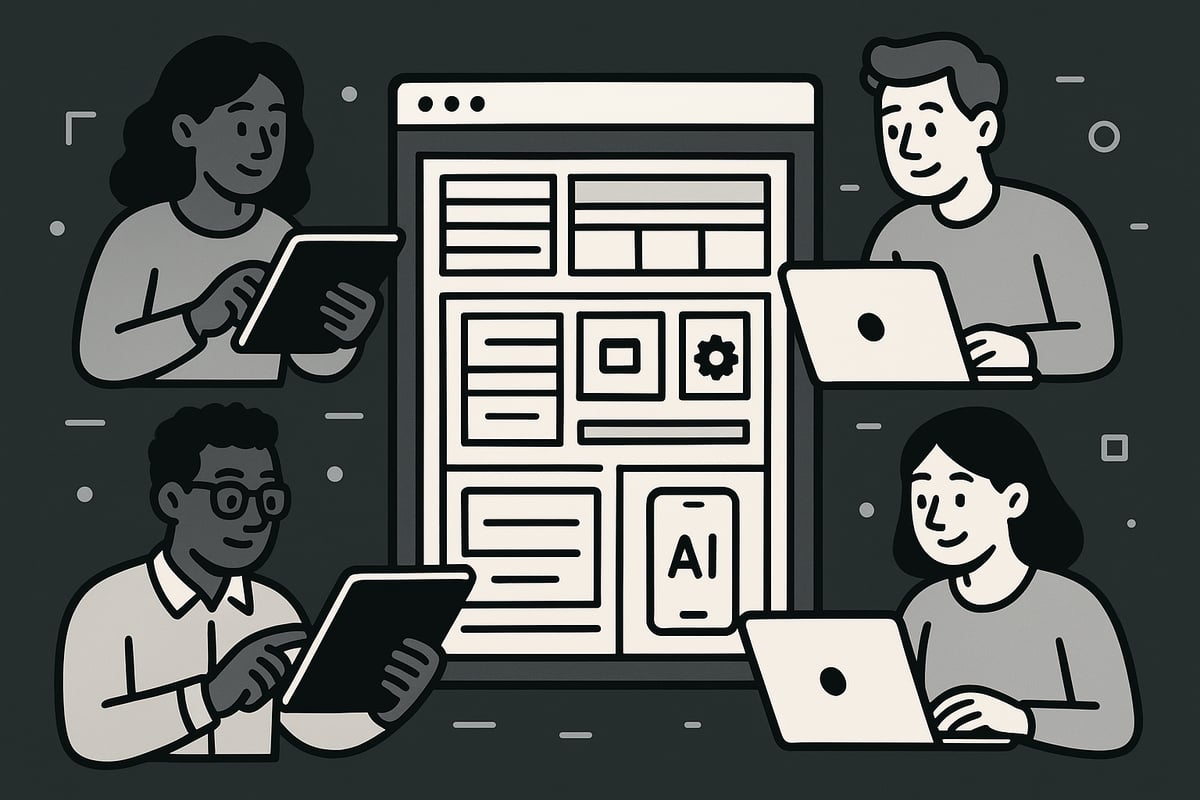
Mastering layout digital requires a foundation built on core principles that balance innovation, usability, and adaptability. As projects become more complex, these guiding concepts ensure results that are effective, inclusive, and ready for future demands.
User-Centric Design and Accessibility
A user-focused approach is the heart of successful layout digital projects. Prioritising user experience means every design decision is made with the end-user in mind, from navigation to visual hierarchy.
Accessibility is non-negotiable. Applying standards like WCAG 2.2 and using ARIA roles ensures digital layouts are usable by everyone, including those with disabilities. Responsive design is another pillar, adapting seamlessly to different devices and screen sizes. For example, e-commerce brands that adopt responsive layouts see higher conversion rates and improved customer satisfaction.
Modern trends such as Bento Grid Layouts in UX Design highlight how innovative structures can enhance both accessibility and engagement, making layout digital more effective for diverse audiences.
Data Accuracy and Real-Time Collaboration
Precision is critical in layout digital work. Accurate data input underpins every stage, from initial design to project delivery. Cloud-based platforms allow multiple users to edit, review, and synchronise layouts in real time, reducing errors and ensuring everyone works from the latest version.
Shared digital blueprints, for instance, enable construction teams to collaborate efficiently, no matter their location. Transparent version control keeps the whole team aligned and supports agile decision-making.
Prioritising data integrity and collaborative tools improves both speed and quality, making layout digital a driver for consistent project success.
Scalability and Flexibility
Projects evolve, and so must your layout digital strategy. Scalability is essential, allowing layouts to grow alongside business needs. Modular design systems and reusable components are the building blocks of flexible layouts, making updates and expansion straightforward.
A recent industry survey found that 60% of digital projects need scalability within two years. By planning for flexibility from the start, teams can adapt quickly to new requirements or market changes, ensuring that layout digital investments remain valuable and relevant.
Emphasising modularity also reduces maintenance costs and supports seamless integration of future features.
Integration with Emerging Technologies
The landscape of layout digital is shaped by advancements in technology. AI, machine learning, and IoT are increasingly embedded into layout workflows, offering automation, predictive analytics, and real-time optimisation.
For example, AI-driven site layout suggestions help construction teams make informed decisions quickly, while interoperability with BIM, GIS, and AR/VR systems expands the potential of digital layouts. Integrating these technologies ensures that layout digital stays ahead of industry trends and can leverage data from multiple sources.
Teams that embrace these innovations position themselves for efficiency, accuracy, and long-term growth.
Essential Digital Layout Strategies for 2025
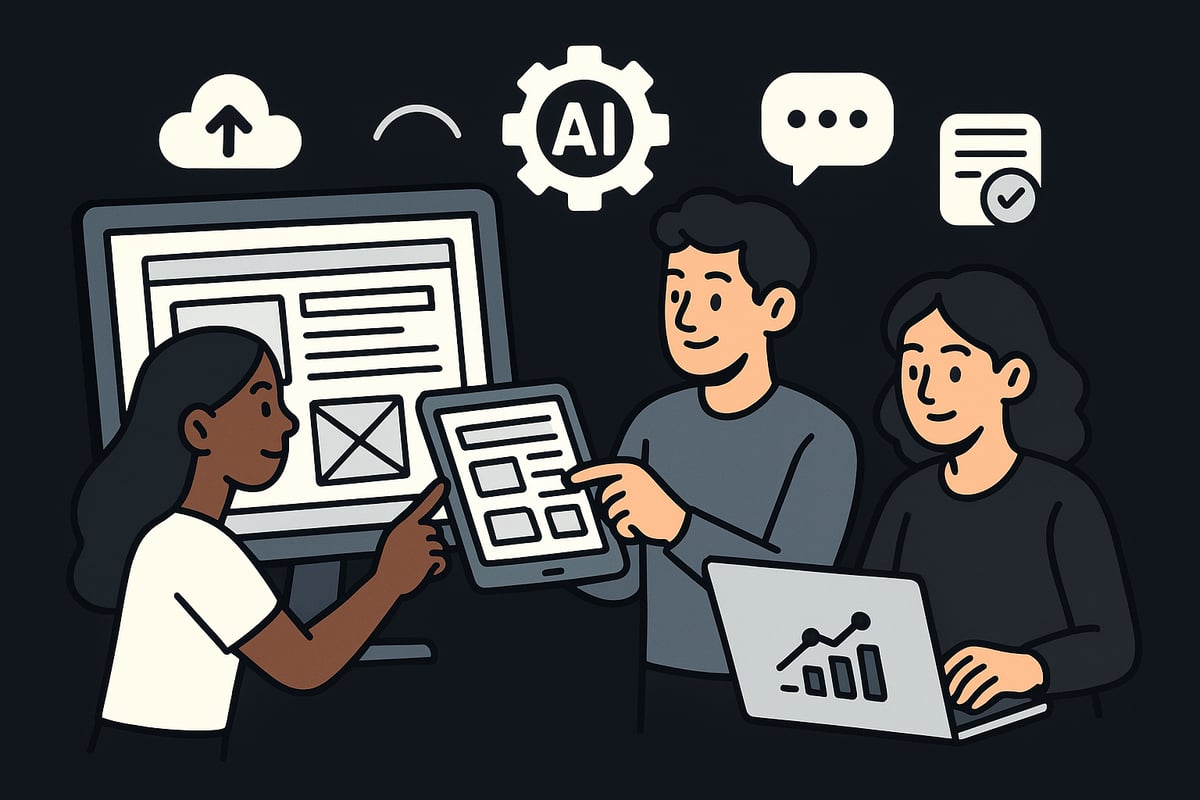
Mastering layout digital strategies in 2025 means following a clear, actionable roadmap. Each step plays a vital role in delivering efficient, scalable results across industries. By breaking the process into manageable phases, businesses and teams can ensure no detail is overlooked and every project is set up for success.
Step 1: Define Project Goals and Requirements
Every successful layout digital project starts with clear objectives. Stakeholder alignment is key, ensuring everyone understands the project’s vision and desired outcomes. Begin by identifying key performance indicators (KPIs) such as accuracy, usability, or speed of delivery.
For example, when redesigning a retail website, define conversion targets, user experience improvements, and branding guidelines. In construction, clarify layout tolerances and compliance needs. This clarity at the outset prevents costly missteps later. By documenting requirements early, you empower your team to focus on what truly matters and lay the foundation for a robust layout digital strategy.
Step 2: Select the Right Digital Layout Tools
Choosing the best tools for your layout digital workflow is crucial. Evaluate platforms for compatibility with your existing systems, scalability for future projects, and user-friendly interfaces. Leading solutions like Topcon, Autodesk, and Figma offer features such as automation, version control, and cloud access.
A construction firm might reduce layout errors by 40 percent after switching to digital tools with real-time verification. When working on web projects, consult resources like the Website design and development overview to ensure your chosen platform supports the latest layout digital trends and integration needs. The right tool accelerates delivery and enhances collaboration.
Step 3: Build a Collaborative Workflow
A robust collaborative workflow is the backbone of any layout digital initiative. Establish shared cloud environments so teams can access and update project files anytime, anywhere. Assign specific roles and permissions to streamline decision-making and prevent bottlenecks.
For instance, in a construction project, real-time updates to MEP layouts across devices ensure everyone works from the latest plans. Use project management tools for transparent communication and task tracking. Clear workflows encourage accountability, speed up approvals, and keep layout digital projects on track, even with remote or hybrid teams.
Step 4: Implement Data-Driven Layout Decisions
To maximise the value of layout digital, harness the power of analytics. Use data from user interactions, site traffic, or field measurements to inform design choices. Apply A/B testing to compare layout versions and identify what drives better engagement or efficiency.
User feedback loops are essential, allowing you to refine layouts based on real-world input. For example, a retail site might see higher sales after analysing customer journeys and adjusting key elements. Embracing a data-led approach ensures your layout digital efforts are not just creative but also measurable and outcome-focused.
Step 5: Ensure Compliance and Security
Compliance and security are non-negotiable in any layout digital project. Adhere to industry standards and local regulations, such as GDPR for data protection or ISO guidelines for process integrity. Develop strategies to secure sensitive information, including encrypted storage and strict access controls.
For EU clients, GDPR-compliant layout management is crucial to avoid fines and build trust. Regular security audits and compliance checks should be part of your workflow. By integrating these practices, your layout digital solutions remain robust, reliable, and legally sound.
Step 6: Test, Iterate, and Optimise
Continuous improvement is vital for layout digital success. Start with prototyping and usability testing to catch issues early. Use feedback from stakeholders and end-users to guide iterative changes, refining layouts until they meet project goals.
Adopt agile cycles, where small updates are made regularly based on new insights. Statistics show that 80 percent of successful projects use this approach. This commitment to testing and optimisation leads to more effective, user-friendly layout digital outcomes that stand the test of time.
Step 7: Plan for Future Scalability and Integration
Future-proofing should always be part of your layout digital strategy. Design layouts that can be easily updated or expanded as your business grows or as technology evolves. Modular systems and reusable components make scaling up straightforward.
Prepare for new integrations, such as connecting with IoT devices or advanced analytics platforms. For example, an e-commerce platform with a flexible layout digital foundation can quickly adapt to seasonal traffic spikes or new sales channels. This proactive approach ensures your layouts remain relevant and high-performing.
Digital Layout Tools and Platforms: 2025 Landscape
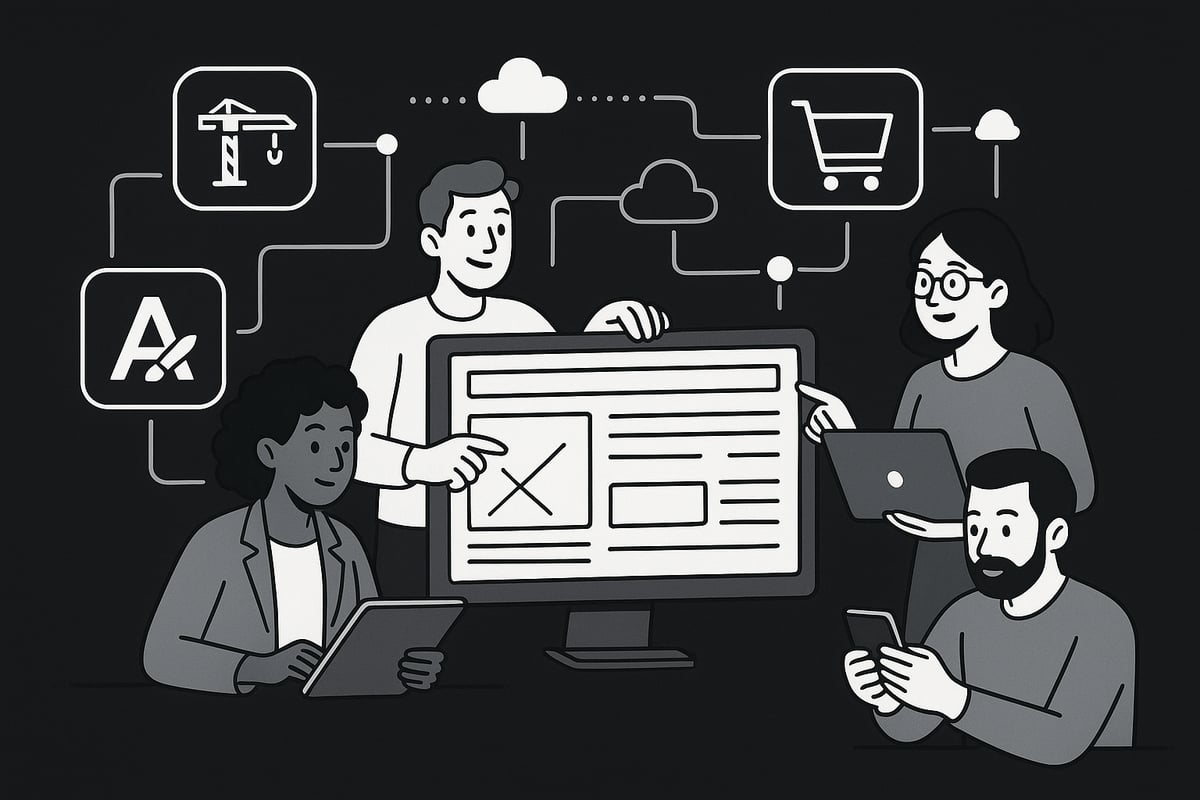
Selecting the right layout digital tools is a crucial step for any business aiming to stay ahead in 2025. The landscape is evolving quickly, with new solutions offering enhanced automation, collaboration, and integration features. Understanding the strengths of each platform empowers teams to deliver projects with greater precision and efficiency.
Overview of Leading Digital Layout Solutions
The current market for layout digital solutions is marked by robust platforms catering to different industries. Construction and infrastructure teams often rely on Topcon for layout verification and automated stakeout, while design professionals gravitate towards Autodesk and Figma for their advanced cloud capabilities.
These platforms offer:
- Automation of repetitive layout digital tasks
- Real-time cloud access for distributed teams
- Seamless integration with BIM, GIS, and other systems
For example, Topcon’s suite has become a standard in infrastructure, providing accurate as-built verification and data-driven insights. This breadth of choice means businesses can match layout digital tools precisely to project needs.
Specialised Software for Construction and MEP
In construction and MEP, layout digital applications are now indispensable for field surveying, monitoring, and precise installation. Specialised software integrates with GNSS receivers and total stations, streamlining the process from digital blueprints to on-site execution.
Platforms with BIM integration ensure that every change in a digital layout is reflected instantly, reducing errors and saving time. Automated stakeout and as-built verification features have transformed how teams handle project complexity, allowing layout digital workflows to remain agile and accurate. This integration is key for high-stakes environments where precision is non-negotiable.
E-commerce and Web Design Layout Tools
E-commerce and web design demand layout digital platforms that prioritise responsiveness and conversion. Leading tools support CMS integration, analytics, and AI-driven personalisation, making it easier to craft experiences that engage customers and drive sales.
For instance, businesses leveraging E-commerce design and development services benefit from robust layout digital frameworks that adapt to different devices and user behaviours. Case studies show that optimised layouts can significantly boost online sales through improved navigation and visual hierarchy. Seamless integration with analytics ensures that every tweak to a layout digital project is informed by real user data.
Branding and Visual Storytelling Platforms
Brand consistency across channels is a top priority for modern organisations. Layout digital platforms for branding, such as Figma and collaborative design systems, enable teams to manage assets, templates, and style guides centrally.
Multi-brand organisations often use unified design libraries to ensure every piece of content aligns with overall brand strategy. These layout digital solutions facilitate real-time collaboration, allowing marketing and design teams to maintain a consistent visual narrative. This approach not only increases efficiency but also reinforces trust and recognition with audiences.
Criteria for Selecting the Best Tool for Your Needs
Choosing the right layout digital platform requires careful assessment of business size, industry, and specific project requirements. Key considerations include:
- Cost and licensing flexibility
- Integration with existing workflows
- Learning curve and available support
Future-proofing is essential, so look for layout digital tools that offer modular updates and strong interoperability. Investing in scalable solutions ensures your team can adapt quickly to new demands, technologies, or regulatory changes. Ultimately, aligning your choice with both current and anticipated needs will maximise long-term value.
Advanced Trends and Innovations in Digital Layout
The landscape of layout digital is evolving rapidly as we approach 2025. From AI-driven automation to immersive technologies, these advanced trends are reshaping how professionals design, collaborate, and deliver results. Let us explore the innovations setting the pace for the future.
AI and Automation in Digital Layout
Artificial intelligence is transforming layout digital by automating complex design tasks and optimising workflows. Modern platforms now use AI to generate layouts based on specific project requirements, reducing manual effort and minimising errors. Predictive analytics help teams allocate resources more effectively, while generative AI frameworks, such as those discussed in CreatiPoster: AI-Driven Graphic Design Generation, enable editable and customisable designs at scale.
For construction, AI can suggest optimal equipment placement and streamline space management, saving both time and costs. These innovations empower teams to deliver projects faster and with greater accuracy.
Augmented and Virtual Reality Applications
The integration of AR and VR into layout digital processes is enhancing project visualisation and stakeholder engagement. With AR/VR tools, teams can create immersive walkthroughs that allow clients and partners to explore digital spaces before they are built. This technology improves communication, reduces misunderstandings, and accelerates approvals.
Virtual site tours are particularly valuable for remote clients, enabling them to review and approve layouts without being physically present. The result is fewer errors and a more streamlined workflow for all parties involved.
Integration with IoT and Smart Devices
IoT integration is becoming a core component of layout digital, delivering real-time data to inform dynamic adjustments. Smart sensors and connected devices monitor construction progress, facility usage, and environmental conditions, feeding insights back into layout systems. This connectivity enables proactive maintenance, efficient space utilisation, and faster issue detection.
According to industry data, 45 percent of new builds now incorporate IoT-enabled layout digital features, supporting smarter, more adaptive environments. The synergy between IoT and digital layouts is driving a shift toward intelligent, responsive spaces.
Sustainability and Eco-Friendly Layout Practices
Sustainability is central to layout digital strategies in 2025. Digital layouts play a key role in supporting eco-friendly building certifications, including LEED and BREEAM. By leveraging precise planning tools, teams can reduce material waste and optimise energy use throughout the project lifecycle.
For example, sustainable office design projects now routinely use digital layout tools to model various configurations, minimising environmental impact. These practices not only benefit the planet but also enhance a company's reputation and operational efficiency.
The Future of Digital Layout: Predictions for 2025 and Beyond
Looking ahead, layout digital is set to become even more automated, integrated, and collaborative. Open standards and interoperability will be crucial for seamless data exchange across platforms. Innovations like generative design, as showcased in Text-to-Layout: Generative Workflow for Floor Plans, signal a move towards fully automated drafting processes using AI and large language models.
Teams that prepare for ongoing change by embracing new technologies and fostering a culture of continuous improvement will maintain a competitive advantage. Staying ahead in layout digital means remaining agile, informed, and ready to adopt the next wave of innovation.
Building a Digital Layout Team: Skills and Best Practices
As the demand for robust layout digital solutions grows, building the right team is crucial for project success. A skilled, agile team ensures that digital layout projects remain innovative, efficient, and ahead of the curve. Let us explore the key roles, ongoing training, communication strategies, and success metrics that define high-performing layout digital teams in 2025.
Essential Roles and Skills for 2025
A successful layout digital team brings together a range of expertise. Key positions include the digital layout designer, BIM manager, data analyst, and project lead. Each role contributes unique skills to deliver accurate and scalable solutions.
Technical proficiency is at the core, as team members must navigate advanced software, manage data, and understand integration with other systems. Collaboration and problem-solving are equally vital, enabling the team to adapt to evolving project needs. For example, cross-functional teams that combine creative and technical talents can drive layout digital innovation, ensuring every project benefits from diverse perspectives and expertise.
Training and Professional Development
Ongoing training is essential to keep layout digital teams at the forefront of industry developments. Upskilling in new tools, such as AI-powered platforms, sharpens technical capabilities and enhances creativity. Platforms like Canva's AI-Powered Creative Operating System exemplify how embracing emerging technology can transform workflows.
Certifications in BIM, project management, or accessibility standards are increasingly valuable for layout digital professionals. According to industry surveys, 65 percent of firms have raised their training budgets to support digital skills, reflecting the need for continuous learning and adaptation in this fast-paced field.
Establishing Effective Communication and Collaboration
Effective communication is the backbone of every layout digital project, especially as remote and hybrid work models become the norm. Teams must adopt tools that enable real-time feedback, issue tracking, and transparent information sharing.
Weekly layout review sessions, for example, help teams align on objectives and quickly resolve challenges. Drawing on resources like the Digital branding solutions guide can further support cross-functional collaboration and ensure branding remains consistent across digital channels. Strong communication practices keep layout digital teams agile, responsive, and unified.
Measuring Success and Continuous Improvement
To maximise the value of layout digital efforts, teams must track success using clear key performance indicators. Metrics such as accuracy, speed, budget adherence, and user satisfaction reveal project strengths and areas for growth.
Establishing feedback loops and conducting post-project analysis are best practices for driving ongoing improvement. By prioritising continuous evaluation, layout digital teams can refine their processes and deliver long-term return on investment. Ultimately, this commitment to learning and optimisation sets top-performing teams apart in a competitive digital landscape.