
Digital Make Guide: Mastering Modern Creation in 2025
Are you ready to shape the future, not just watch it unfold? The digital landscape is changing fast, and the digital make revolution is opening doors for creators everywhere.
This guide is here to help you master digital make. You will find clear strategies, essential skills, and the latest tools you need to thrive in 2025.
We will demystify digital creation, spark your innovation, and give you a step-by-step path to success. Explore how digital make is evolving, discover new technologies, develop future skillsets, and learn how to turn ideas into reality.
The time to move from consumer to creator is now. Let this guide inspire you to take action and start your digital make journey with confidence.
The Evolution of Digital Making: From User to Creator
The digital make landscape has transformed dramatically, shifting from a world where most people consumed content to one where anyone can become a creator. This evolution is not just a trend, but a fundamental change in how society interacts with technology.
In the early days, digital tools were limited to specialists. Over time, grassroots initiatives sparked a movement towards accessible creation. The rise of the digital make movement in the UK, highlighted by Nesta’s Digital Makers programme, marked a turning point. These efforts aimed to inspire people of all ages to move beyond passive use and actively shape the digital world.
Several milestones have defined this journey:
| Year | Milestone | Impact |
|---|---|---|
| 2014 | Computing added to UK national curriculum | Digital literacy for all students |
| 2012 | Growth of coding clubs and after-school programmes | Youth engagement in digital make |
| 2013 | DIY tech kits and maker spaces become mainstream | Hands-on learning opportunities |
These milestones made the digital make process more inclusive and practical. They also encouraged experimentation, creativity, and problem-solving across diverse communities.
The societal impact of this shift has been profound. Digital make skills have become essential for economic resilience and innovation. As more creators emerge, local economies benefit from new startups, tech solutions, and creative industries. On a social level, digital make empowers individuals to address real-world issues, from environmental challenges to social inclusion.
Collaboration and open-source values have played a key role in this transformation. By sharing code, resources, and ideas, digital make communities break down barriers and accelerate progress. Campaigns such as “Make Things Do Stuff” have mobilised young creators, fostering a sense of belonging and collective achievement.
Participation in digital make activities has surged, especially among youth. According to the Young Digital Makers report, there has been a notable increase in engagement across the UK. This growth is encouraging, yet challenges remain.
Key challenges in digital make include:
- Unequal access to devices and connectivity.
- Underrepresentation of certain groups, including women and minorities.
- The ongoing digital divide between regions and socioeconomic backgrounds.
Addressing these challenges is critical for ensuring that digital make opportunities are open to all. Initiatives continue to focus on diversity, affordable access, and inclusive education.
The journey from user to creator is ongoing. As tools and mindsets evolve, the digital make movement will keep driving innovation and social progress. By embracing collaboration, inclusivity, and lifelong learning, anyone can contribute to the future of digital creation.

Essential Tools and Technologies for Modern Creators
The landscape of digital make has never been more dynamic. Modern creators are empowered by an ever-expanding toolkit, designed to transform ideas into reality. Whether you are building your first project or scaling up, having access to the right tools is crucial for success.
Essential Hardware for Digital Make
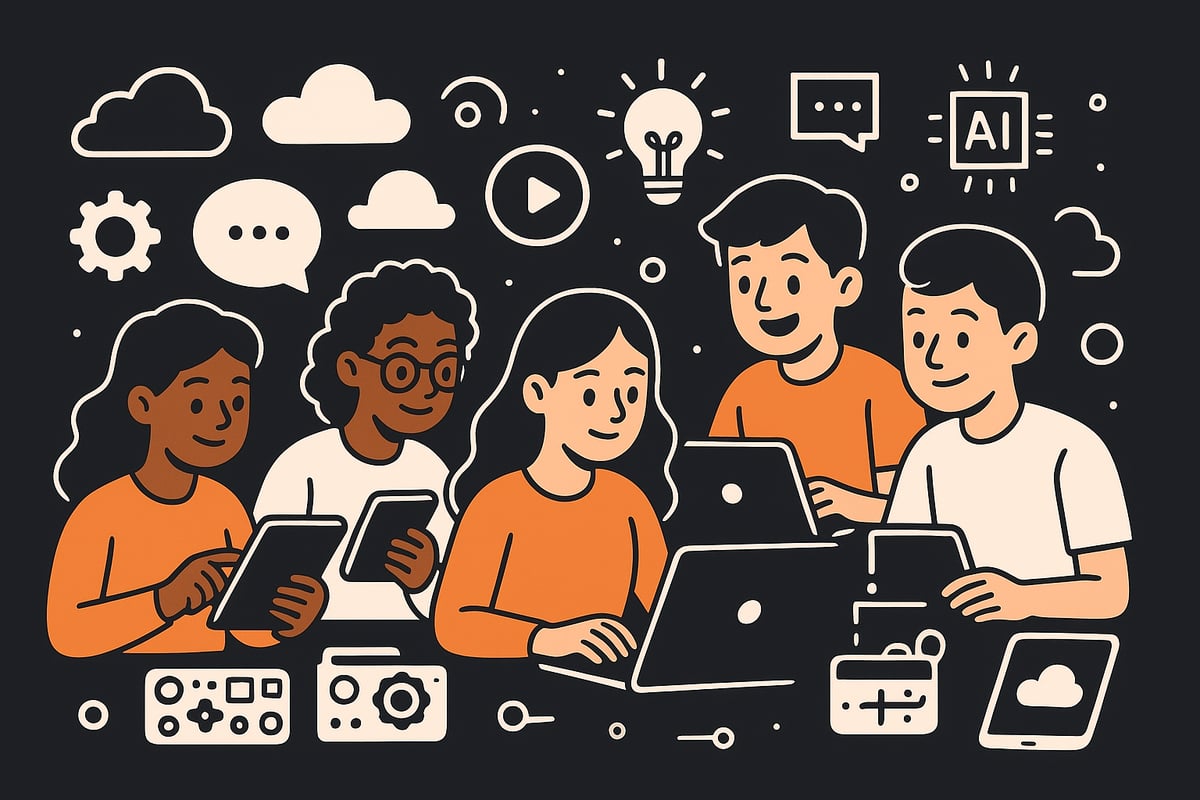
Every digital make journey starts with the right hardware. Laptops and tablets remain the backbone of digital creation, offering flexibility for coding, design, and content production. For those eager to explore hands-on innovation, maker kits like Raspberry Pi and Arduino open doors to physical computing and IoT experimentation.
IoT devices are becoming standard in digital make projects, enabling creators to connect everyday objects and build smart solutions. These technologies lower the barrier to entry and make prototyping more accessible for everyone.
Software Essentials and Collaborative Platforms
The software ecosystem for digital make is vast. Coding platforms such as Scratch, Python IDEs, and web-based editors enable creators to write and test code efficiently. Design tools like Figma, Canva, and Adobe Creative Cloud support visual storytelling and product mockups.
Collaboration is at the heart of digital make. Tools like Google Workspace, Slack, and Trello help teams coordinate, share assets, and manage workflows in real time. These platforms streamline the creative process and foster teamwork, regardless of location.
AI-Powered Creation Tools: The New Frontier
AI is revolutionising digital make by automating tasks, generating content, and offering smart recommendations. From AI-assisted design to automated code generation, creators can now achieve more in less time. Tools such as ChatGPT, DALL-E, and machine learning frameworks are being woven into daily workflows.
For those seeking to deepen their understanding of these technologies, exploring AI-powered solutions for makers can provide insights into the latest advancements and practical applications in digital make. The integration of AI not only accelerates development but also enhances creativity and problem-solving.
Cloud Technology and Remote Collaboration
Cloud platforms are indispensable for modern digital make projects. They offer secure storage, version control, and seamless access to resources from any device. Platforms like GitHub and Google Drive make it easy to collaborate, share code, and manage projects, even when teams are distributed globally.
Cloud-based design suites and development environments mean creators can work on projects anytime, anywhere. This flexibility supports the fast-paced, iterative nature of digital make.
Open-Source Resources and Learning Platforms
Open-source tools and platforms are central to the ethos of digital make. They provide free access to software, libraries, and learning resources. Platforms like Mozilla and Autodesk have championed accessible creation tools, supporting a culture of sharing and innovation.
Open-source communities offer tutorials, forums, and project templates, making it easier for new creators to learn and contribute. This collaborative approach accelerates skill development and widens participation in the digital make movement.
Accessibility, Affordability, and Bridging the Gap
Ensuring that digital make is accessible to all is a pressing concern. Affordable hardware, free software, and inclusive learning resources help bridge the digital divide. Organisations and initiatives are working to provide underrepresented groups with the tools and support needed to participate fully in digital make.
Recent data shows a surge in the adoption of AI and cloud-based design platforms, reflecting growing interest and engagement across diverse communities. As accessibility improves, digital make becomes a powerful driver for social and economic inclusion.
Selecting the right tools and technologies is the first step towards successful digital make projects. By leveraging cutting-edge hardware, software, and collaborative platforms, creators can unlock new levels of innovation and impact in 2025.
Building the Digital Maker Mindset: Skills and Learning Pathways
Mastering the digital make mindset is essential for anyone aiming to thrive as a creator in 2025. The transition from mere user to digital maker begins with understanding the core skills that underpin modern creation.
The Core Skills Every Digital Maker Needs
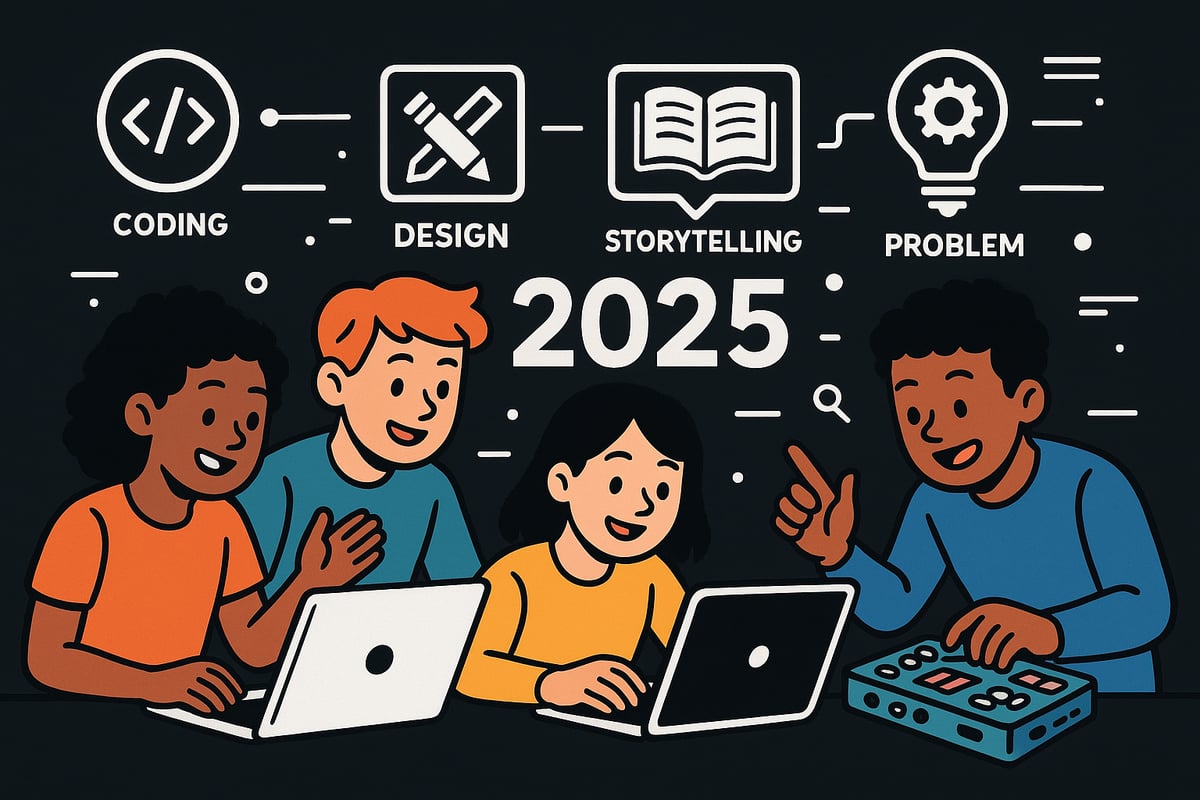
The foundation of digital make lies in a blend of technical and creative competencies. Essential skills include coding, design thinking, digital storytelling, and analytical problem-solving.
| Skill | Why It Matters |
|---|---|
| Coding | Powers software and automation |
| Design Thinking | Drives user-centred solutions |
| Digital Storytelling | Engages and persuades audiences |
| Problem-Solving | Fuels innovation and progress |
Each of these skills equips digital makers to not only build but also to communicate and iterate on their ideas. As digital make expands, these competencies become the new literacy for the future workforce.
Unlocking Creative and Critical Potential
To truly excel at digital make, creators must nurture creativity, critical thinking, and adaptability. These traits enable individuals to approach problems from fresh angles and respond to rapid changes in technology.
Creative thinking helps digital makers envision novel solutions, while critical thinking ensures those ideas are practical and effective. Adaptability is key in an environment where tools and platforms evolve constantly, demanding a willingness to learn and pivot.
By fostering these qualities, digital make practitioners position themselves to lead rather than follow in the innovation landscape.
Pathways to Learn and Grow
There are now more routes than ever to develop digital make expertise. Online courses, coding bootcamps, maker spaces, and peer networks offer accessible, practical learning for all ages.
- Interactive platforms (e.g., Codecademy, FutureLearn)
- Local maker clubs and hackathons
- Peer-to-peer learning communities
- University and college enrichment programmes
For those starting out, the Getting started with digital projects guide provides practical steps to launch your journey. Immersing yourself in projects and collaborating with others accelerates both skill acquisition and confidence.
The Role of Schools and Diversity
Schools and extracurricular programmes play a vital part in embedding digital make skills across the curriculum. Initiatives like the Digital Makers Fund provide resources and opportunities for hands-on learning.
A case study from Scotland highlights how CPD support for teachers led to increased student engagement and confidence in digital make activities. According to Nesta, computing is now more deeply integrated into the UK’s national curriculum, expanding digital literacy nationwide.
Diversity and inclusion are critical. Ensuring digital make opportunities reach underrepresented groups helps close the digital divide and brings fresh perspectives to the maker community.
Lifelong Learning and Future Readiness
In the digital make ecosystem, learning never truly ends. Lifelong learning and self-directed development are crucial for staying relevant as tools and skills evolve.
Creators who regularly update their knowledge are more resilient in the face of change. Embracing a mindset of continuous growth ensures you are always prepared for new challenges and opportunities in digital make.
By committing to ongoing education and curiosity, every digital maker can future-proof their skillset and drive positive change in the digital world.
The Digital Make Process: Step-by-Step Guide to Creation
Embarking on the digital make journey means transforming ideas into impactful solutions. This step-by-step process empowers creators to move from inspiration to innovation, using modern tools, collaboration, and continuous improvement. Let us explore each essential stage of the digital make process.
Step 1: Ideation and Problem Identification
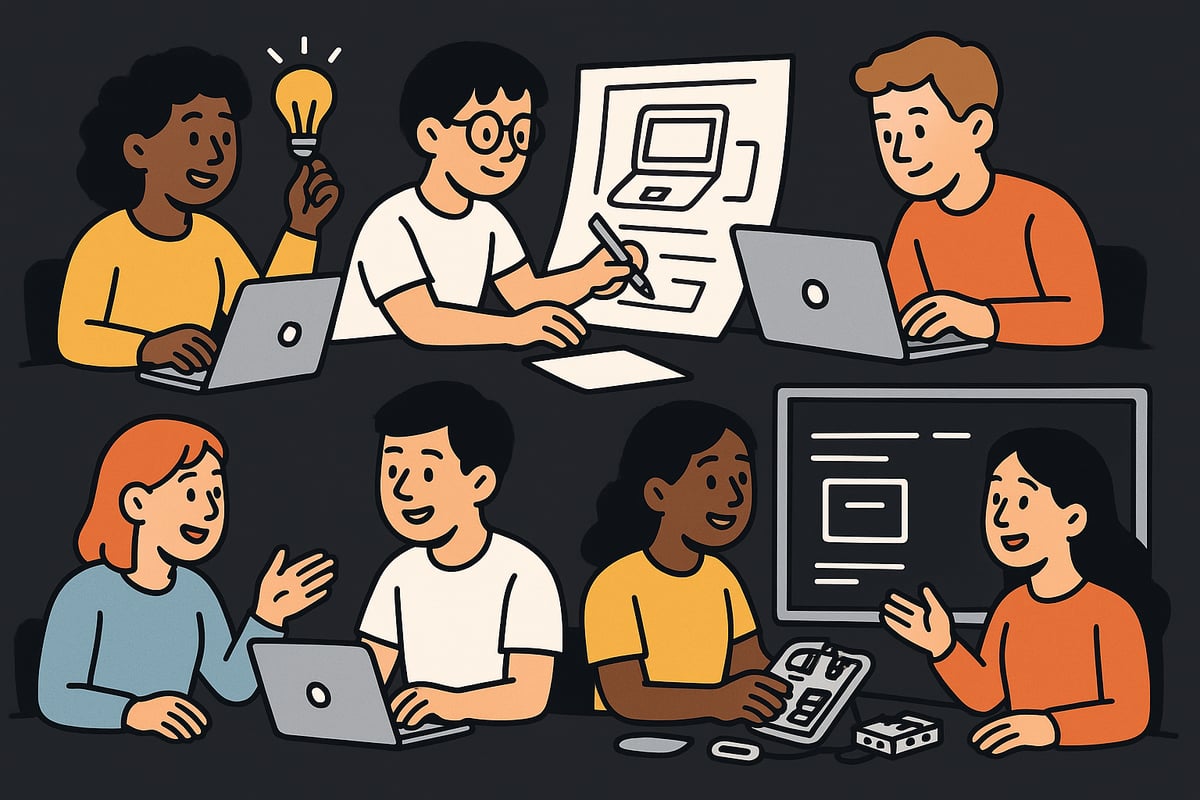
Every digital make project begins with a spark of inspiration. To identify meaningful problems, start by observing real-world challenges or unmet needs in your community. Techniques such as mind mapping, brainstorming sessions, and user interviews help generate and refine ideas.
For example, the Longitude Explorer Prize encourages young people to use technology for social good, showing how the digital make process can address societal issues. Validating your idea is crucial. Conduct research, gather user feedback, and check if similar solutions exist. This ensures your digital make project is relevant and impactful.
Step 2: Planning and Prototyping
With a clear idea in hand, the next digital make step is structured planning. Outline your project’s requirements, set achievable goals, and define success metrics. Visualise your concept through wireframes, mockups, or basic prototypes to bring your idea closer to reality.
Rapid prototyping tools like Figma for UI/UX design or Tinkercad for 3D models enable quick iterations. Strategic planning is vital. For guidance on aligning your approach with creative success, see this design strategy for digital creators. Remember, a solid plan streamlines the digital make journey and sets the stage for effective building.
Step 3: Building and Iterating
Now, the digital make process moves from planning to action. Select the right technology stack based on your project’s needs, whether it is web development, app creation, or IoT hardware. Start coding, designing assets, and assembling components.
Testing is integral at every stage. Use feedback loops to refine your work, fix bugs, and enhance usability. Student-led app development projects often showcase how iteration transforms an initial prototype into a polished product. Embrace this cycle of building and improvement, as it is central to digital make excellence.
Key steps in this phase:
- Choose programming languages and frameworks
- Develop core features in small, manageable chunks
- Test regularly and document changes
A focus on iteration leads to higher quality outcomes in digital make projects.
Step 4: Collaboration and Community Engagement
Digital make thrives on teamwork and shared knowledge. Working in teams enhances creativity and problem-solving, as each member brings unique skills. Clear roles, open communication, and effective project management tools keep everyone aligned.
Engage with wider communities by joining hackathons, contributing to open-source projects, or attending maker events. Programmes like Make Things Do Stuff demonstrate the power of collaborative ethos in digital make. Sharing feedback, resources, and lessons learned accelerates growth for all involved.
Benefits of community engagement:
- Access to diverse perspectives
- Motivation and accountability
- Opportunities for mentorship
By embedding collaboration, your digital make journey becomes both productive and rewarding.
Step 5: Launching and Showcasing Your Creation
After development, it is time to bring your digital make project to the world. Prepare for launch by thorough testing and debugging. Onboard users with clear instructions and support.
Showcase your work through online portfolios, competitions, or digital exhibitions. Building an audience is essential, as it attracts feedback and potential opportunities. Consider leveraging branding techniques to present your project professionally and make a memorable impression.
A successful launch is not the end, but a new chapter in your digital make adventure.
Step 6: Measuring Impact and Iterating
The final digital make step is about reflection and growth. Collect user data, analyse engagement, and assess whether your solution meets its goals. Use analytics tools to track usage patterns and gather actionable insights.
Continuous improvement is key. Adapt your digital make project based on feedback, scale up if results are positive, or pivot your approach if necessary. This cycle of measurement and iteration ensures your creation remains relevant and effective in a dynamic digital landscape.
By following these steps, anyone can master the digital make process and turn ideas into real-world impact.
Collaboration, Networks, and the Power of Community
In the digital make era, collaboration and strong networks are the engines driving innovation. The most successful creators rarely work in isolation. Instead, they tap into a rich ecosystem of peers, mentors, and diverse communities, all sharing a common goal—to push the boundaries of what is possible.
The Power of Networks in Digital Make
Networks are the backbone of digital make progress. Whether you connect through online forums, local maker spaces, or global platforms, these communities offer a wealth of expertise and support. They enable creators to share resources, troubleshoot challenges, and celebrate achievements together.
Digital make thrives in environments where collaboration is actively encouraged. For example, Scotland's Digital Creativity support networks have empowered thousands of young people to experiment with coding, design, and technology. By joining such networks, creators can accelerate their learning, gain feedback, and stay inspired.
A well-connected digital make community fosters innovation by bringing together individuals from different backgrounds. This diversity of thought sparks new ideas and solutions that might never emerge in isolation.
Collaboration in Action: Real-World Examples
Cross-disciplinary collaboration is a hallmark of the digital make movement. Partnerships between schools, industry leaders, and nonprofits—such as Nesta, Nominet Trust, and Mozilla—demonstrate the power of collective effort. These alliances provide access to tools, mentorship, and real-world challenges, making digital creation more accessible and impactful.
Consider the data: collaborative programmes have significantly boosted youth engagement in digital make activities across the UK. For instance, Scotland's initiatives have led to measurable improvements in digital skills and confidence. When creators from tech, art, and business backgrounds unite, they build projects that are not only technically sound but also creatively rich.
Showcasing digital make projects is crucial for growth. Resources like the Digital branding solutions overview can help creators effectively present and launch their work to a wider audience, ensuring their innovations reach those who need them most.
Overcoming Barriers and Building Inclusive Communities
Despite its potential, digital make still faces barriers, particularly in access, diversity, and resource sharing. Not everyone has equal opportunities to participate, and this digital divide can limit innovation.
To address these challenges, many initiatives focus on inclusivity and bridging gaps. Recent funding, such as the Digital Equity Fund awards, supports projects that promote digital inclusion and accessibility, ensuring more people can join the digital make movement.
Here are some practical tips for finding and joining supportive digital make communities:
- Attend local maker events or hackathons.
- Join online forums dedicated to digital make topics.
- Seek mentorship through educational programmes or industry partnerships.
- Participate in open-source projects to contribute and learn.
- Leverage social media to connect with like-minded creators.
Building a truly inclusive digital make ecosystem requires ongoing effort, but the benefits—greater innovation, resilience, and shared success—are well worth it.
Future Trends and Opportunities in Digital Making
The pace of change in the digital make world is accelerating, presenting fresh challenges and remarkable opportunities. As we approach 2025, individuals and organisations alike must keep a close eye on emerging trends to remain relevant and innovative.
The Digital Make Landscape in 2025
By 2025, the digital make ecosystem will be more interconnected and dynamic than ever. Digital makers are no longer confined to traditional tech hubs. Instead, they span all sectors, from education to healthcare and beyond.
This expansion is fuelled by an increased demand for digital products and services, as well as a shift in how society perceives digital creation. No longer a niche skill, digital make is becoming an essential driver of economic growth and social development. As a result, those who master digital make will be well-placed to shape the future.
AI, Automation, and Machine Learning
Artificial intelligence is transforming the digital make process at every level. AI-driven design tools, automated testing, and machine learning platforms are streamlining workflows, reducing repetitive tasks, and opening up new creative possibilities.
For instance, generative AI can help digital makers prototype apps or visual assets in minutes, while predictive analytics guide decision-making. This fusion of human creativity with AI-powered efficiency is redefining what is possible in digital make. It also means that digital makers must continuously update their skills to work effectively alongside intelligent systems.
Democratising Creation: Low-Code and Open Source
The rise of low-code and no-code platforms is making digital make accessible to a wider audience. These tools allow people with limited coding experience to bring their ideas to life, levelling the playing field for innovators from all backgrounds.
Open-source movements continue to fuel collaboration, knowledge sharing, and rapid prototyping. As a result, digital make communities are more inclusive and diverse, supporting a culture where anyone can contribute, regardless of technical expertise. This democratisation is essential for ensuring that digital make reflects a broad range of voices and ideas.
Tackling Global Challenges
Digital makers are increasingly turning their talents to global issues such as climate action, public health, and education. Through digital make, individuals and teams develop solutions that address real-world problems, from renewable energy apps to accessible learning platforms.
Initiatives like the iRights campaign empower young people to navigate digital environments safely and ethically. By leveraging digital make skills, creators can have a tangible impact on their communities and the wider world, driving positive change where it is most needed.
Entrepreneurship and Monetisation
Opportunities for entrepreneurship are expanding rapidly in the digital make space. With access to powerful tools and global markets, digital makers can turn their creations into thriving businesses. Seed funds and grants, such as the Digital Tech Fund initiative, provide crucial support for startups and innovators looking to scale their ideas.
Cultural organisations are also reimagining technology to engage audiences and foster creativity. The Digital Changemaker Grant exemplifies this trend, supporting projects that enhance digital engagement and accessibility. For anyone invested in digital make, the path from idea to impact has never been more viable.
Ethics, Digital Rights, and Responsible Creation
With great power comes great responsibility. As digital make becomes ubiquitous, ethical considerations and digital rights must remain central. Creators need to be mindful of data privacy, algorithmic bias, and the societal impact of their innovations.
Movements advocating for digital rights, such as iRights, highlight the importance of safe online spaces for young people. Responsible digital make not only protects users but also builds trust and credibility, ensuring that innovation benefits all members of society.
Staying Ahead: Skills for the Future
The only constant in digital make is change. To thrive, digital makers must embrace lifelong learning, adaptability, and resilience. This means staying abreast of emerging technologies, participating in professional development, and engaging with peer networks.
Projected growth in digital skills jobs and maker economies underscores the importance of upskilling:
| Year | Digital Skills Jobs (UK, millions) | Maker Economy Value (£bn) |
|---|---|---|
| 2023 | 2.1 | 44 |
| 2025 | 2.6 | 54 |
Continuous learning, curiosity, and a willingness to experiment are key traits for anyone seeking to excel in digital make. Whether through formal education or self-directed exploration, the future belongs to those who are proactive and passionate about digital creation.